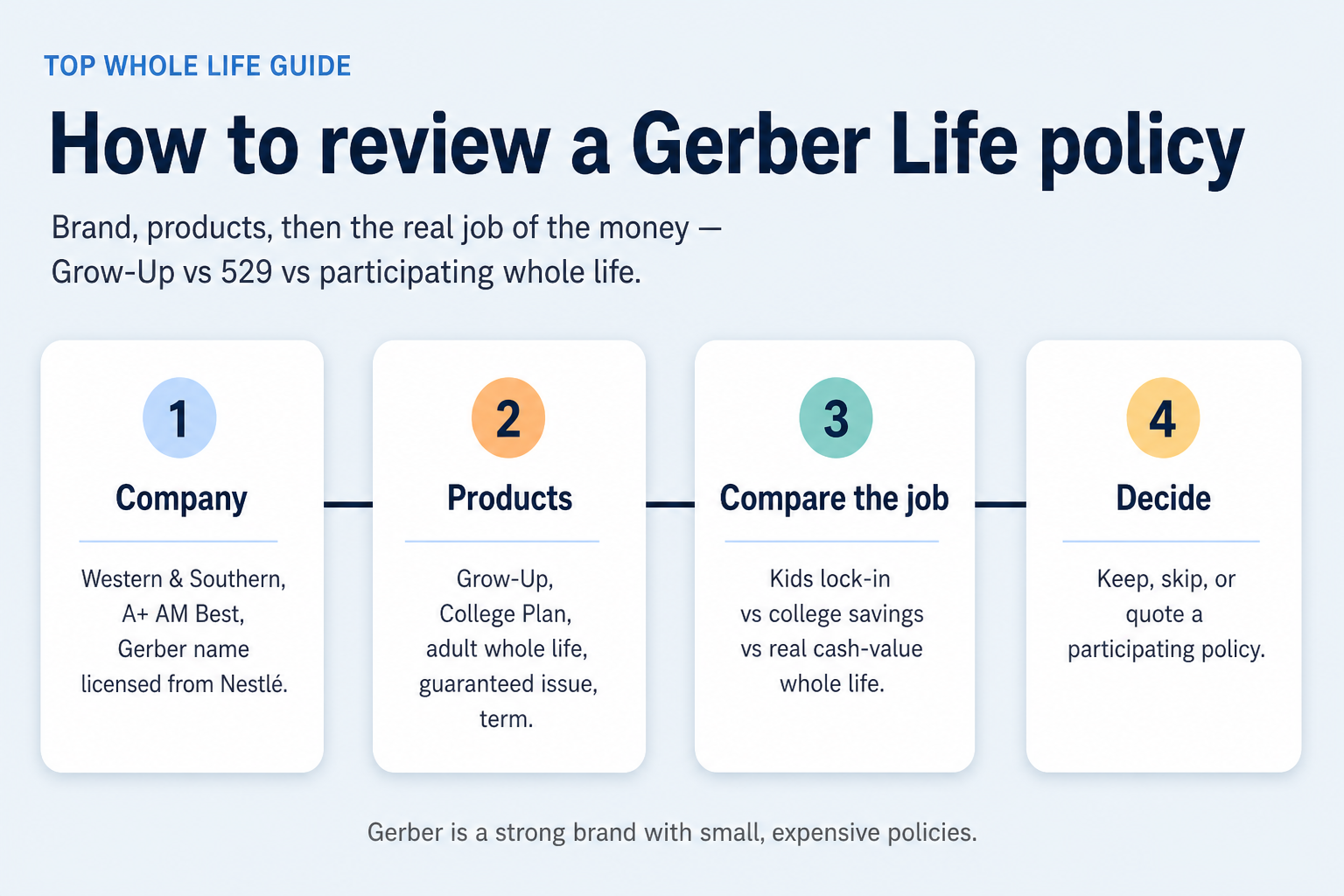
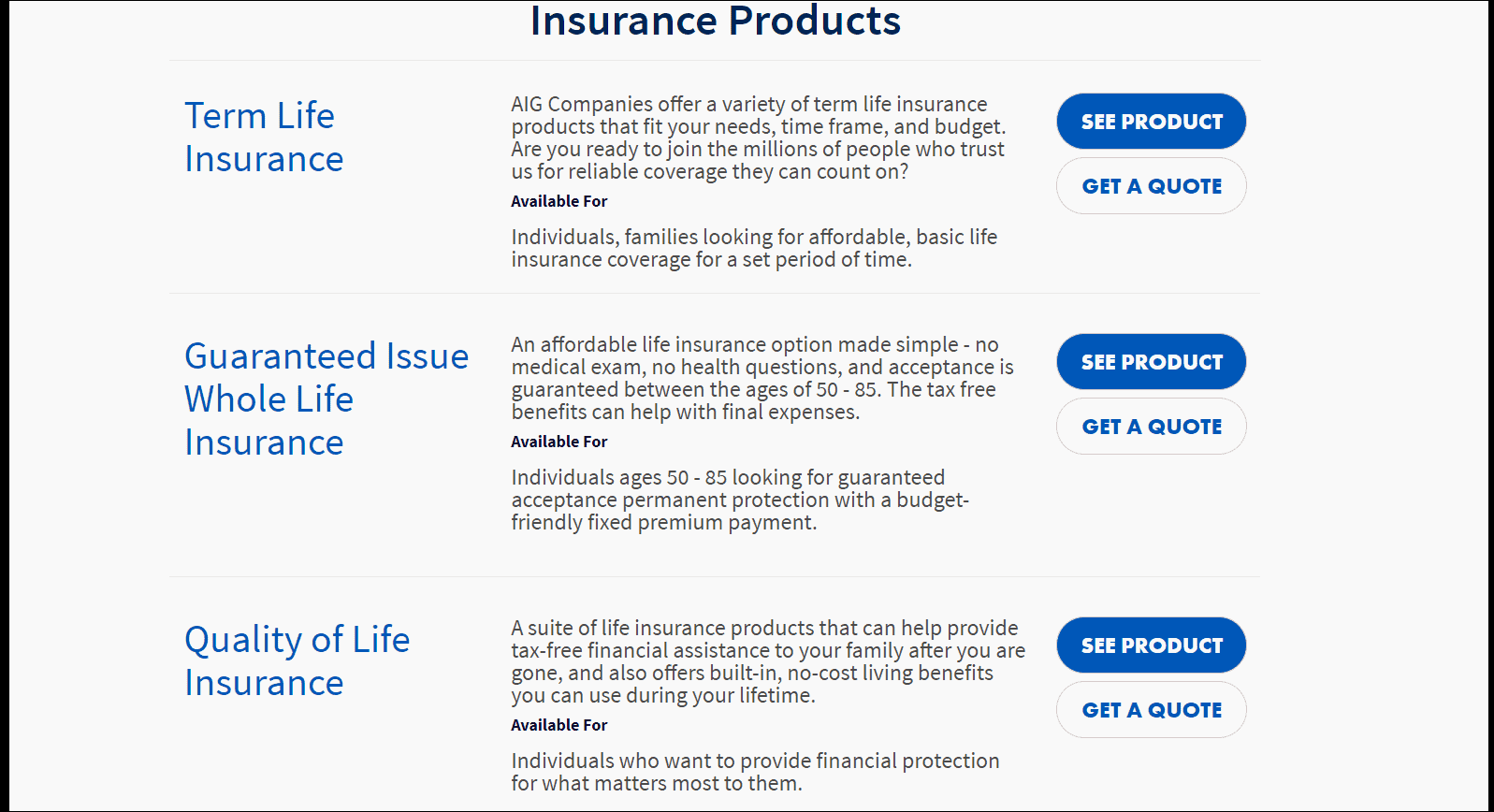
As of 2026, Gerber Life Insurance and Corebridge Financial (formerly AIG Life & Retirement) represent two distinct but frequently compared pillars of the American insurance landscape. While Gerber Life focuses on juvenile whole life and senior guaranteed products under Western & Southern Financial Group, Corebridge offers complex term and universal life solutions with robust living benefits.
Understanding the Relationship: Clarifying the Brand Landscape
In the current 2026 insurance market, consumers often search for "AIG Gerber Life" under the assumption of a corporate connection. It is essential to clarify that Gerber Life Insurance Company is a subsidiary of Western & Southern Financial Group, having been acquired from Nestlé in 2018. Conversely, the life insurance operations formerly known as AIG now operate under the Corebridge Financial brand, following its successful spin-off and rebranding.
Despite being separate entities, they are often grouped together by brokers and consumers because they both target the "household name" demographic. Gerber Life is the industry leader in childhood insurance and simplified senior products, while Corebridge (AIG) is a powerhouse in the term insurance and permanent wealth-transfer markets. Navigating an overview of these two requires a deep look at their specific niches, financial stability ratings, and the diverse needs they serve for families and individual investors.
Gerber Life Insurance: The Family and Senior Specialist
Gerber Life has carved a specialized niche by focusing on simplicity and accessibility. Their products are designed to be "easy-issue," meaning they often require less medical underwriting than traditional policies. This makes them a primary choice for parents, grandparents, and seniors who prioritize ease of enrollment over high-limit death benefits.
The Gerber Life Grow-Up Plan
The flagship product of Gerber Life remains the Grow-Up Plan, a whole life insurance policy designed for children aged 14 days to 14 years. In 2026, this plan continues to be a staple for intergenerational wealth planning.
The Grow-Up Plan provides a permanent death benefit that doubles automatically during the year the child turns 18, with no increase in the monthly premium. Furthermore, as a whole life policy, it builds cash value over time. This cash value represents a small portion of the premium that grows at a guaranteed rate, which the policyholder can eventually borrow against or surrender for cash. For many families, this is less about the death benefit and more about "locking in" a low rate for a child while they are healthy, ensuring they have coverage for life regardless of future medical developments.
Guaranteed Life for Seniors
For adults aged 50 to 80, Gerber Life offers its Guaranteed Life Insurance. This is a "graded death benefit" whole life policy, specifically designed to cover final expenses like funeral costs and medical bills. The defining feature here is the lack of a medical exam or health questions. Coverage is guaranteed as long as the applicant meets the age requirements.
In 2026, these policies typically offer face amounts ranging from $5,000 to $25,000. It is important to note the graded period: if the insured dies from natural causes within the first two years of the policy, the beneficiaries receive the premiums paid plus a percentage of interest (usually 10%), rather than the full face amount. This mechanism allows Gerber to accept high-risk applicants without traditional underwriting.
Corebridge Financial (Formerly AIG): Technical Excellence and Living Benefits
Corebridge Financial has maintained the legacy of AIG’s "Select-a-Term" and "Quality of Life" (QoL) series, positioning itself as a more technical, high-limit alternative to simplified carriers. Corebridge is generally the preferred choice for primary breadwinners and individuals seeking integrated financial planning.
Select-a-Term Flexibility
One of the most competitive products in the 2026 market is Corebridge’s Select-a-Term. Unlike many carriers that offer term lengths in 10-year increments (10, 20, 30), Corebridge allows consumers to choose the exact duration of their coverage. If a homeowner has 17 years left on a mortgage, they can purchase a 17-year term policy. This precision prevents consumers from overpaying for unnecessary years of coverage or being under-insured during the final years of a debt obligation.
Quality of Life (QoL) and Living Benefits
Corebridge differentiates itself through its Quality of Life suite. These policies are "living benefit" products, meaning the death benefit can be "accelerated" or paid out while the insured is still alive if they are diagnosed with a qualifying chronic, critical, or terminal illness.
In 2026, this has become a standard requirement for many savvy buyers. If an insured individual suffers a heart attack or is diagnosed with invasive cancer, the QoL provisions allow them to access a portion of the death benefit to pay for treatment or replace lost income. This transforms life insurance from a "death-only" product into a comprehensive financial safety net.
Comparison of Key Features and Market Positioning
To better understand where these companies sit in your financial strategy, it is helpful to compare their primary characteristics side-by-side.
| Feature | Gerber Life Insurance | Corebridge Financial (AIG) |
|---|---|---|
| Primary Target | Children & Seniors (50-80) | Families, Business Owners, Investors |
| Underwriting Style | Simplified/Guaranteed Issue | Fully Underwritten / Accelerated |
| Max Coverage | Typically $300k (Term), $25k (Whole) | Multi-Million Dollar Limits |
| Cash Value Growth | Conservative, Guaranteed | Variable, Indexed, and Fixed Options |
| Key Advantage | Brand trust and ease of application | Living benefits and term flexibility |
| Medical Exam | Often waived for smaller amounts | Required for high limits (or fluidless) |
| Parent Company | Western & Southern Financial Group | Corebridge Financial, Inc. |
2026 Pricing Trends and Underwriting Evolution
The insurance industry in 2026 has been heavily influenced by automated underwriting and predictive modeling. Both Gerber and Corebridge have integrated these technologies, though in different ways.
Gerber Life has streamlined its online application portal to provide instant approvals for the Grow-Up Plan and Guaranteed Life products. Because their risk pools are focused on smaller death benefits, they rely on prescription history databases and MIB (Medical Information Bureau) reports rather than physical exams. This makes their "price per thousand" higher than Corebridge for healthy individuals, but far more accessible for those with minor health issues.
Corebridge utilizes "Fluidless Underwriting" for their term products. For many applicants in 2026, Corebridge can issue a policy within hours by analyzing digital health records and lifestyle data, bypassing the traditional blood draw and paramedical exam. This has significantly lowered the "barrier to entry" for high-limit term insurance, making Corebridge's pricing highly competitive for "Preferred Plus" health classes.
Financial Strength and Claims-Paying Ability
When evaluating an insurance overview, the company's ability to pay future claims is paramount.
- Gerber Life: Benefit from the massive capital reserves of Western & Southern Financial Group. They consistently maintain an "A+" (Superior) rating from A.M. Best. This stability is crucial for juvenile whole life policies that are expected to remain in force for 70 or 80 years.
- Corebridge Financial: As an independent entity, Corebridge maintains strong investment-grade ratings, typically in the "A" (Excellent) range from A.M. Best and Standard & Poor’s. Their massive scale and diversified portfolio of life, retirement, and institutional products provide a stable foundation for their long-term universal life obligations.
Choosing the Right Path: Which Provider Fits Your Goal?
Selecting between these two often comes down to the intent of the coverage.
When to Choose Gerber Life
Gerber is the optimal choice if you are a grandparent looking to gift a financial head start to a grandchild. The Grow-Up Plan is a "set it and forget it" policy that provides a small but guaranteed foundation of wealth. It is also the go-to for seniors who have been declined elsewhere due to health issues, as the Guaranteed Life product removes the "medical hurdle" entirely.
When to Choose Corebridge Financial (AIG)
Corebridge is the superior choice for "Income Replacement." If you have a spouse, children, and a mortgage, you likely need a death benefit in the range of $500,000 to $2,000,000. Gerber does not operate in this space effectively. Corebridge's ability to customize term lengths and include living benefits ensures that you are protected not just against death, but against the financial ruin of a long-term illness.
Common Pitfalls to Avoid in 2026
- Over-insuring Children: While the Gerber Grow-Up Plan is a great gift, it should not replace the life insurance of the primary breadwinner. Ensure the parents are covered by a high-limit Corebridge term policy before spending significant premiums on a child's policy.
- Ignoring Living Benefits: Many consumers focus solely on the price of the premium. In 2026, the value of being able to access your death benefit while alive (as offered by Corebridge) often outweighs a slightly cheaper "death-only" policy from a cut-rate competitor.
- The Two-Year Graded Period: Seniors buying Gerber’s Guaranteed Life must understand they are not fully covered for natural death in the first 24 months. If immediate full coverage is needed, seeking a "simplified issue" policy (which involves health questions but no exam) might be a better route if the senior is in relatively good health.
Frequently Asked Questions
Is Gerber Life still part of Nestlé in 2026?
No, Gerber Life was sold to Western & Southern Financial Group in 2018. While it still uses the iconic Gerber baby trademark under a long-term licensing agreement, it is a fully integrated part of the Western & Southern family of companies. This change bolstered Gerber's financial backing within the specialized insurance industry.
What happened to AIG Life Insurance?
AIG rebranded its life insurance and retirement division to Corebridge Financial. If you have an existing AIG policy from years ago, it is now managed by Corebridge. The terms, conditions, and premiums of those original contracts remain legally binding and unchanged by the rebranding.
Does Gerber Life offer term insurance for adults?
Yes, Gerber Life offers a simplified term life insurance product for adults aged 18 to 70. However, the coverage amounts are generally lower (up to $300,000) compared to Corebridge. It is designed for individuals who want a straightforward application process without the rigorous medical exams required by larger institutional carriers.
Can I cash out my Gerber Grow-Up Plan?
Yes, the Grow-Up Plan is a whole life policy that accumulates cash value. Once the policy has been in force for several years, you can choose to "surrender" the policy and receive the accumulated cash, or you can take a policy loan against it. Be aware that surrendering the policy terminates the life insurance coverage.
Are Corebridge living benefits available in all states?
Living benefits (Chronic, Critical, and Terminal Illness riders) are subject to state regulation. While Corebridge offers these riders in the vast majority of U.S. states, the specific definitions of a "qualifying illness" and the percentage of the death benefit you can access may vary based on your jurisdiction’s 2026 insurance statutes.
Final Recommendation
For most consumers, a "hybrid" approach is often best. Use Corebridge Financial to secure the large-scale term insurance needed to protect your family's lifestyle and pay off the mortgage during your working years. Simultaneously, a Gerber Life Grow-Up Plan serves as an excellent supplemental tool for children, providing them with a guaranteed asset they can carry into adulthood.
Before committing, always request a "ledger" or "illustration" that shows the projected cash value growth (for Gerber) or the specific cost of living benefit riders (for Corebridge). In 2026, transparency is at an all-time high, and comparing these detailed documents is the only way to ensure the policy fits your long-term financial architecture.