Medicaid does not enforce a single, universal age requirement for enrollment; rather, age eligibility varies dynamically based on federal guidelines, state-specific policy decisions, household income thresholds, and specific categorical qualifications such as disability, pregnancy, or parenting status. While older adults aged 65 and older represent a distinct and heavily regulated coverage group, younger adults, children, and parents navigate an entirely different set of age-related criteria shaped heavily by the Affordable Care Act's expansion provisions.
Navigating the rules surrounding age eligibility for Medicaid requires a comprehensive understanding of how federal baselines interact with state-level implementation. Because Medicaid is jointly funded by the federal government and individual states, eligibility frameworks differ significantly depending on where an applicant resides, their exact chronological age, their household financial situation, and their medical or functional needs. This guide examines how age interacts with income, disability status, and specialized programs to determine overall eligibility, providing a complete structural breakdown for applicants, caregivers, and advocates.
The Foundation of Medicaid Age Eligibility and Federal Baselines
To understand how age impacts Medicaid eligibility, it is essential to first recognize that Medicaid was originally structured as a program for specific categorical groups—primarily low-income children, pregnant individuals, elderly adults, and individuals with severe disabilities. Historically, chronological age alone was rarely the sole determinant of benefits; instead, age served as a qualifying factor that categorized applicants into specific eligibility buckets.
Under traditional Medicaid rules, reaching age 65 transitions an individual into a completely different regulatory framework. Adults aged 65 and older, along with individuals who are blind or disabled, are often evaluated under separate asset and income limits compared to younger non-elderly adults. Conversely, the enactment of the Affordable Care Act introduced the Modified Adjusted Gross Income (MAGI) methodology, which streamlined eligibility for children, pregnant individuals, and non-elderly adults up to age 64, largely removing asset tests for these populations while establishing a uniform floor based strictly on age and income.
As a result, an individual's age dictates which set of rules applies to their application. Non-elderly adults under 65 are evaluated primarily on household income relative to the federal poverty level, while older adults aged 65 and older must navigate asset limits alongside income restrictions, even if they qualify for Medicare simultaneously.
Medicaid Eligibility for Adults Aged 65 and Older
For adults aged 65 and older, age eligibility is a definitive gateway into senior-specific healthcare and long-term care programs. While reaching age 65 opens the door to Medicare, it also places applicants into the senior Medicaid category, which operates under markedly different financial criteria than the expansion pathways designed for younger adults.
Financial Limits and Asset Tests for Seniors
Unlike non-elderly adults under the age of 65, who benefit from MAGI-based rules that do not look at bank accounts or accumulated savings, seniors applying for traditional non-MAGI Medicaid must clear strict asset limits. Assets include checking accounts, savings, secondary real estate, investments, and cash values of certain life insurance policies.
- Individual Asset Limits: In many states operating under standard SSI (Supplemental Security Income) methodology, an individual aged 65 or older must keep countable assets below $2,000.
- Married Couple Asset Limits: For married couples where both spouses are applying, asset limits typically range around $3,000, though specific state rules and spousal impoverishment protections can alter these figures significantly when one spouse requires nursing home care.
- Exempt Assets: Certain assets are strictly non-countable, including a primary residence (up to specific equity value caps), one automobile, household furnishings, and irrevocable burial plots or pre-paid funeral contracts.
The Medicare-Medicaid Dual Eligible Intersection
Age 65 is universally recognized as the age of Medicare eligibility for most Americans. Consequently, a vast majority of individuals aged 65 and older who qualify for Medicaid are classified as "Dual Eligibles" (Medicare-Medicaid beneficiaries). For these individuals, Medicaid acts as a vital secondary payer, covering out-of-pocket costs that Medicare leaves behind, such as Part A and Part B premiums, deductibles, coinsurance, and crucially, long-term custodial nursing home care which traditional Medicare does not cover.
Non-Elderly Adults: Ages 19 to 64
For adults between the ages of 19 and 64, age eligibility is defined by the absence of senior status rather than its presence. In states that have adopted the Medicaid expansion authorized under federal law, chronological age within this bracket is secondary to household income.
The Impact of Medicaid Expansion
In expansion states, any adult aged 19 through 64 with a household income at or below 138% of the Federal Poverty Level (FPL) is eligible for Medicaid, regardless of whether they have children, a disability, or other traditional categorical qualifications. Age 19 serves as the crucial transition point where children's healthcare programs (such as the Children's Health Insurance Program or specialized youth Medicaid) shift into adult coverage frameworks.
Non-Expansion State Realities
In states that have chosen not to expand Medicaid under federal guidelines, adults aged 19 to 64 face much stricter categorical age and status restrictions. In these jurisdictions, a childless adult under age 65—even with extreme poverty—frequently cannot qualify for Medicaid based on age or income alone unless they meet narrow criteria such as documented permanent disability, pregnancy, or status as a parent or caretaker relative of a minor child.
Children and Youth: Birth Through Age 18
Children represent the most protected demographic within the Medicaid ecosystem, enjoying the highest income eligibility thresholds and the most robust federal funding protections. Age eligibility for children spans from birth through the day before their 19th birthday.
Categorical Protection and Continuous Eligibility
Federal regulations mandate that states provide Medicaid or CHIP coverage to children across various age brackets with specific income minimums:
- Infants (Ages 0–1): Generally enjoy the highest income eligibility thresholds, often exceeding 200% or 300% of the FPL in many states.
- Children (Ages 1–5): Covered at robust income thresholds, typically up to at least 143% of the FPL.
- Children and Adolescents (Ages 6–18): Covered at baseline thresholds up to at least 133% of the FPL, though many states elevate these limits significantly or provide separate CHIP structures for families with higher earnings.
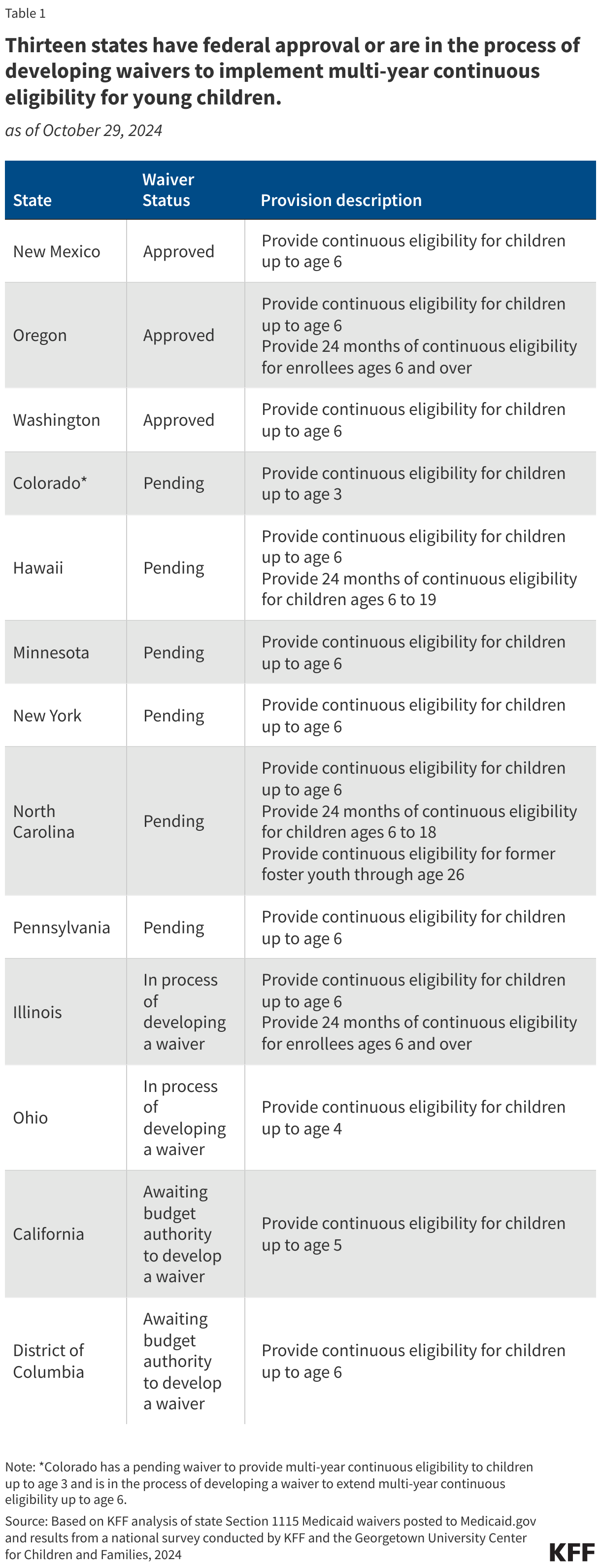
Furthermore, policies implemented through federal guidance encourage or mandate continuous eligibility periods for children, ensuring that once a child is determined age- and income-eligible, their coverage remains stable for 12 months regardless of fluctuating parental income, preventing coverage gaps during critical developmental years.
| Age Group | Primary Eligibility Basis | Asset Test Required? | Standard Income Metric |
|---|---|---|---|
| Infants & Children (0–18) | Age, Household Income | No (Under MAGI rules) | Percentage of FPL (varies widely by state) |
| Non-Elderly Adults (19–64) | Age, Household Income, Expansion Status | No in expansion states; varies by state | MAGI up to 138% FPL (in expansion states) |
| Seniors (65 and Older) | Age 65+, Income, Asset Evaluation | Yes (Traditional Non-MAGI) | Strict limits tied to SSI or state supplements |
| Individuals with Disabilities | Medical Criteria, Income, Assets | Yes (Generally Non-MAGI) | Varies; often tied to SSI or buy-in programs |
Transitioning Across Age Thresholds: Critical Milestones
Medicaid eligibility is dynamic, meaning that an individual's milestone birthdays can trigger mandatory redeterminations or shifts in program categories. Understanding these transitional age boundaries prevents unexpected coverage terminations.
Transitioning from Childhood to Adulthood (Age 19)
When a child turns 19, they legally transition from youth Medicaid categories to adult categories. In states with Medicaid expansion, this transition is generally seamless if the young adult's income falls below the 138% FPL threshold. However, in non-expansion states, a 19-year-old student or young worker aging out of youth coverage may suddenly find themselves without an eligible pathway unless they qualify as a parent, pregnant individual, or person with a disability.
Reaching Age 65: The Senior Pivot
Turning 65 marks a definitive administrative transition. Beneficiaries who have been receiving MAGI-based adult Medicaid must undergo a redetermination process when they reach age 65. During this review, state agencies evaluate the individual under senior asset limits and require enrollment in Medicare Part A and Part B as a condition of ongoing state benefit coordination, where applicable.
Exceptional Categories and Specialized Age Rules
While standard age brackets govern the vast majority of applicants, several specialized programs and exceptions modify how age is factored into eligibility determinations.
Pregnant Individuals of Any Age
Pregnancy supersedes standard adult age rules in almost all jurisdictions. A pregnant individual of any age—including minors under 19—qualifies for specialized pregnancy Medicaid programs with significantly higher income caps than standard adult programs. These programs ensure prenatal care, labor and delivery, and postpartum coverage for up to 12 months following the end of the pregnancy, regardless of standard household income limits for non-pregnant adults.
Medically Needy Pathways and Spend-Downs
In states that offer a "Medically Needy" program, individuals who exceed the strict age and income or asset limits can still qualify by "spending down" their excess income on medical bills. While this pathway is utilized heavily by older adults aged 65 and older facing catastrophic nursing home expenses, it can also apply to families with children facing high recurring medical costs.
Common Misconceptions Regarding Age and Medicaid
Several persistent myths surround age eligibility for Medicaid, frequently leading to confusion and delayed applications.
- Myth: Anyone over 65 automatically gets Medicaid. Reaching age 65 grants eligibility for Medicare, not Medicaid. Medicaid remains a needs-based program requiring strict income and asset verification for seniors, even after they turn 65.
- Myth: You must be elderly or disabled to qualify. While those were historical prerequisites, the ACA's expansion allowed non-elderly adults aged 19 to 64 without disabilities to qualify purely based on low income in participating states.
- Myth: Age limits are identical in every state. Because administration is decentralized, a 55-year-old adult living in an expansion state faces completely different income and categorical rules than someone of the exact same age living in a non-expansion state.
Practical Steps to Verify and Apply Based on Age
Applicants seeking to determine their Medicaid eligibility must take a systematic approach, factoring in their chronological age, household structure, and financial records.
- Identify Your Age Category: Determine whether you fall into the child (0–18), non-elderly adult (19–64), or senior (65+) bracket.
- Check Your State's Expansion Status: Verify whether your state has adopted Medicaid expansion, as this fundamentally alters the income and asset rules for adults aged 19 to 64.
- Gather Financial Documentation: Collect tax returns, pay stubs, and proof of household size for MAGI evaluations, or bank statements, property deeds, and investment accounts if you are applying as an adult aged 65 or older.
- Submit Through Official Channels: Apply directly via your state's official Medicaid agency or through the federally facilitated marketplace at HealthCare.gov, which automatically routes applications to the appropriate state health agency based on age and income demographics.
Disclaimer: Medicaid policies, income thresholds tied to the Federal Poverty Level, and state-specific program rules are subject to legislative adjustments. Applicants should consult their state's official health and human services department or certified application counselors for personalized guidance.
Frequently Asked Questions
Can someone under 19 qualify for Medicaid on their own without parents?
Yes. Children and youth under the age of 19 can qualify for Medicaid based on their own household or individual income status. In cases where youth are in foster care, legally emancipated, or living independently, state agencies evaluate their eligibility using specialized criteria that disregard parental income, ensuring that vulnerable minors maintain unhindered access to necessary medical services.
What happens to my Medicaid coverage the month I turn 65?
Turning 65 does not automatically terminate your Medicaid coverage, but it does trigger an administrative review. The state Medicaid agency will initiate a redetermination to evaluate your assets against senior limits and will typically require you to apply for Medicare if you are not already enrolled, adjusting your coverage into a dual-eligible category.
Are asset limits enforced for adults between ages 19 and 64 under MAGI?
No. For non-elderly adults, children, and pregnant individuals evaluated under Modified Adjusted Gross Income (MAGI) rules, state agencies do not examine bank accounts, vehicles, or accumulated savings. Eligibility is determined strictly by household size and annual taxable income relative to federal guidelines.
Do non-expansion states have different age rules for childless adults?
Yes. In states that have not expanded Medicaid, childless adults aged 19 to 64 are generally excluded from Medicaid eligibility regardless of how low their income drops, unless they meet strict categorical exceptions such as a documented federal disability determination or receipt of supplemental security benefits.
Can elderly adults over 65 qualify for Medicaid if they have a retirement account?
Traditional retirement accounts such as IRAs and 401(k)s are generally counted as assets when evaluating Medicaid eligibility for adults aged 65 and older, unless the account is in payout status or structured according to specific state rules. Seniors must often spend down or restructure these assets to meet the strict asset ceilings required for long-term care or senior Medicaid programs.
To take the next step in verifying your coverage eligibility, visit your state's department of health and human services website or access the official portal at Medicaid.gov to review current local income thresholds and application documentation requirements.