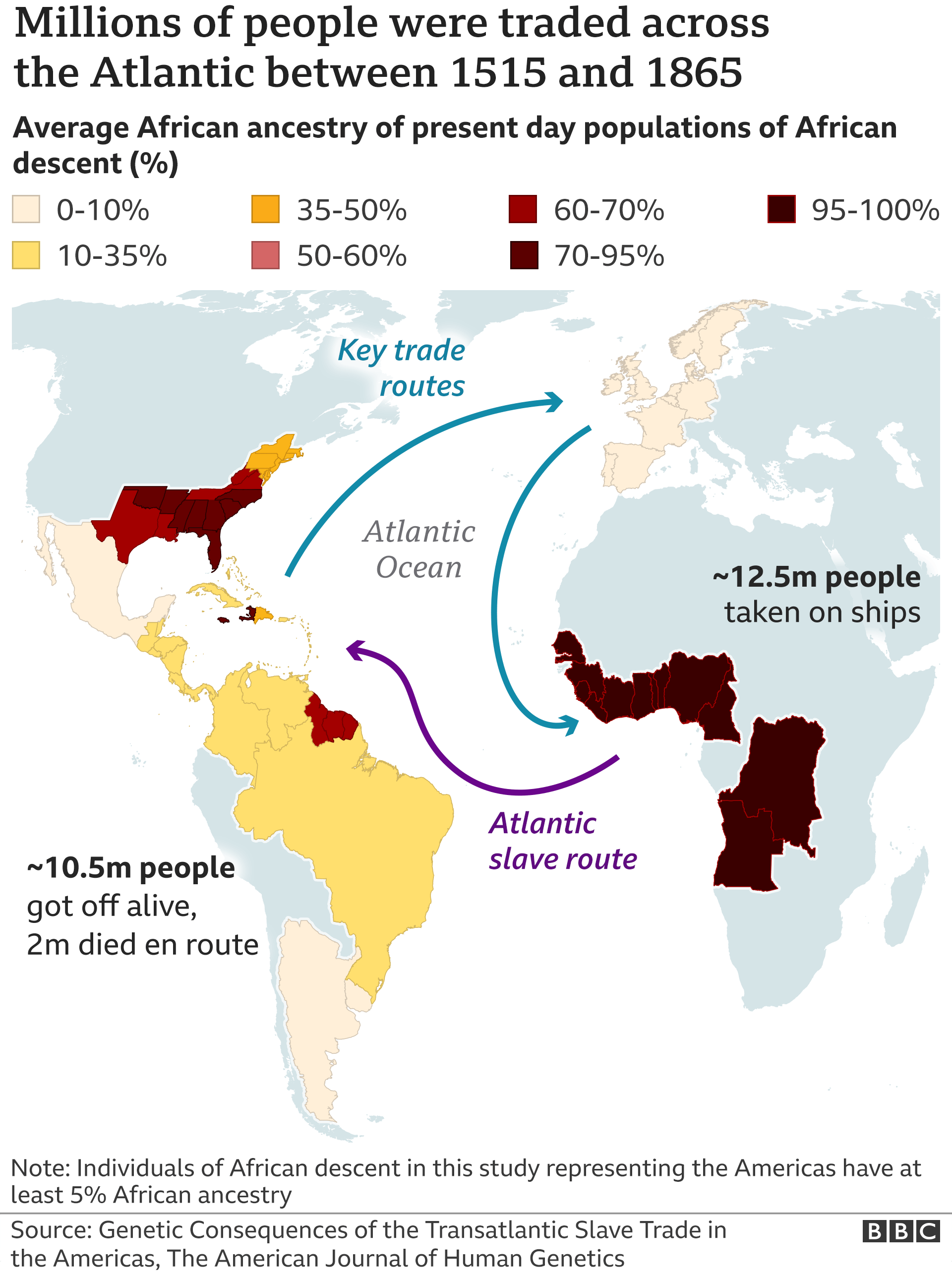
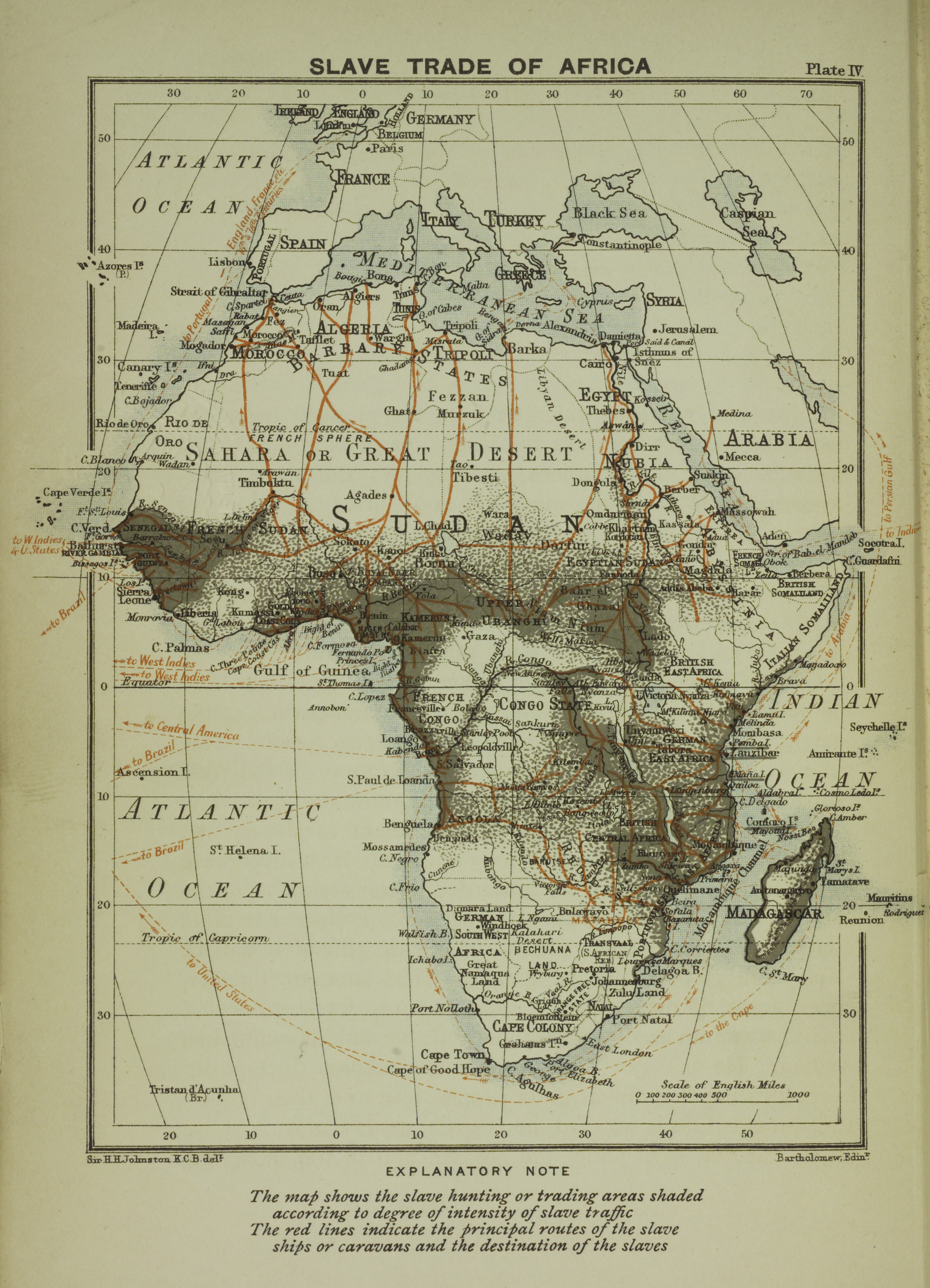
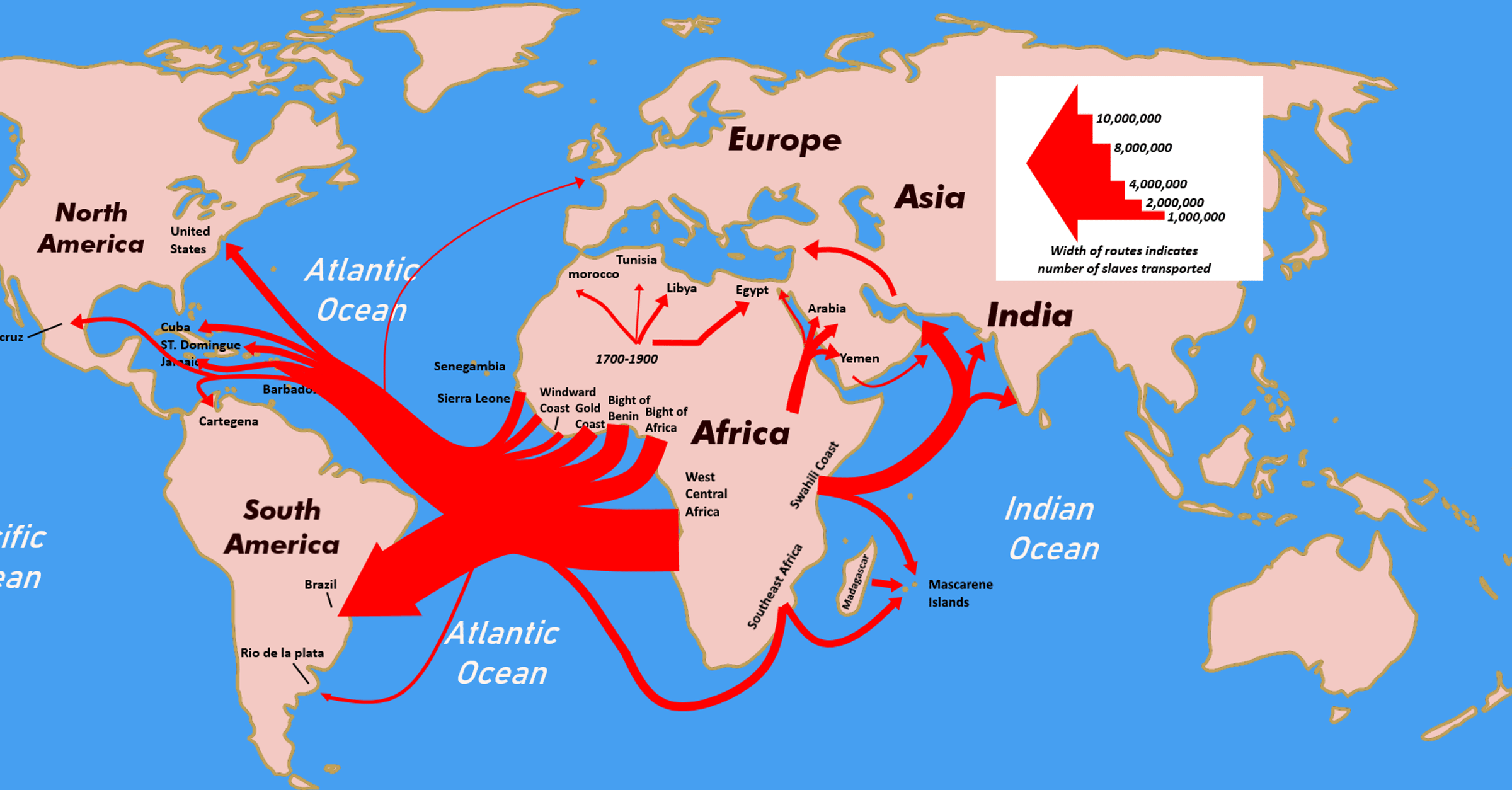
A comprehensive African slave trade timeline spans over a millennium, beginning with the Trans-Saharan and Indian Ocean routes in the 7th century and peaking with the Transatlantic Slave Trade between the 16th and 19th centuries. This period saw the forced migration of over 12.5 million people to the Americas alone.
Understanding the timeline of the African slave trade requires looking beyond a single event. It was a complex global system of forced labor, maritime logistics, and economic shifts that transformed four continents. As of 2026, historical research continues to refine our understanding of these dates through digital archives and forensic archaeology, offering a clearer picture of the human cost involved in this era.
The Pre-Transatlantic Era (7th Century – 15th Century)
Long before European ships arrived on the West African coast, established trade routes existed that moved enslaved people across the Sahara Desert and the Indian Ocean. This era was characterized by the expansion of Islamic empires and the development of internal African trade networks.
The Trans-Saharan trade began in earnest after the Arab conquest of North Africa in the 7th century. Enslaved people from the Sahel and sub-Saharan regions were transported north to serve as domestic servants, laborers, or soldiers. Unlike the later industrial-scale Transatlantic trade, this system often allowed for a degree of social mobility over generations, though it remained a system of profound exploitation.
In East Africa, the Indian Ocean slave trade connected the Swahili Coast with the Middle East and South Asia. This network was driven by the demand for labor in salt mines, date plantations, and households. By the time the first Europeans arrived in the late 1400s, Africa was already home to sophisticated trade infrastructures that, tragically, were adapted to facilitate the massive scale of the Atlantic era.
The 15th Century: Portuguese Exploration and Early Contact
The 1440s marked the beginning of European involvement in the African slave trade. Portuguese mariners, sponsored by Prince Henry the Navigator, began exploring the West African coast in search of a sea route to the gold fields of the interior and a way to bypass the Saharan middlemen.
In 1441, Antão Gonçalves and Nuno Tristão captured the first Africans and brought them to Portugal. Initially, the trade was small-scale, but it grew as the Portuguese established "feitorias" (trading posts). A pivotal moment occurred in 1482 with the construction of Elmina Castle in present-day Ghana. Originally built to protect the gold trade, it soon became one of the most significant "slave dungeons" where captives were held before being shipped across the sea.
By the end of the 15th century, the discovery of the Americas by Christopher Columbus in 1492 created an insatiable demand for labor. The Portuguese model of plantation slavery, perfected on the islands of Madeira and São Tomé, provided the blueprint for what would soon be exported to the New World.
The 16th Century: The Birth of the Transatlantic System
The 16th century saw the formalization of the Transatlantic Slave Trade. As indigenous populations in the Caribbean and South America plummeted due to European diseases and overwork, Spanish and Portuguese colonists turned to Africa for a "hardier" labor force.
In 1518, King Charles I of Spain granted the first Asiento de Negros, a monopoly contract allowing the direct transport of enslaved Africans to the Americas. This bypassed the previous requirement that captives first be brought to Europe. This legal change accelerated the trade significantly. By the mid-1500s, the Spanish were importing thousands of Africans annually to work in silver mines in Potosí and sugar plantations in Hispaniola.
During this period, the concept of the Middle Passage began to take shape. This was the second leg of the "Triangle Trade," where ships carried enslaved Africans to the Americas under horrific conditions. Mortality rates were staggering, often exceeding 20% due to dysentery, dehydration, and the psychological trauma of being shackled in overcrowded hulls.
The 17th Century: Competition and Expansion
The 17th century was defined by the entry of Northern European powers—the English, Dutch, and French—into the slave trade. These nations challenged the Portuguese and Spanish monopolies, leading to an explosion in the volume of people traded.
The Dutch West India Company, founded in 1621, became a dominant force, seizing Portuguese forts in Africa and sugar-producing regions in Brazil. Meanwhile, the British established the Company of Royal Adventurers Trading to Africa in 1660, which was later reorganized as the Royal African Company (RAC) in 1672. The RAC held a monopoly on English trade with Africa and, at its height, transported more enslaved people than any other single institution in history.
This century also saw the hardening of slave laws in North American colonies. In 1619, the arrival of "20 and odd" Africans in Jamestown, Virginia, marked the beginning of African presence in the English mainland colonies. By the 1660s, laws in Virginia and Maryland established that the status of a child (free or enslaved) followed the mother (partus sequitur ventrem), creating a hereditary system of racialized chattel slavery.
The 18th Century: The Peak of the Trade
The 18th century was the deadliest and most active period in the African slave trade timeline. It is estimated that over 6 million Africans were transported across the Atlantic during these 100 years alone. The trade became the engine of the global economy, fueling the Industrial Revolution in Europe.
In 1713, the Treaty of Utrecht granted Britain the Asiento, making them the leading slave-trading nation in the world. Ports like Liverpool, Bristol, and Nantes grew wealthy on the profits of the "Guinea trade." The 18th century also saw the rise of the Great Circuit, where European manufactured goods (guns, textiles, spirits) were traded for African captives, who were then traded for colonial products (sugar, tobacco, cotton) in the Americas.
Key events during this century highlighted the brutality of the trade and sparked early resistance:
- 1781: The Zong Massacre. The captain of the slave ship Zong ordered 132 enslaved people thrown overboard to claim insurance money. The subsequent court case horrified the British public and galvanized the abolitionist movement.
- 1791: The Haitian Revolution. Enslaved people in the French colony of Saint-Domingue rose in a massive revolt. Led by figures like Toussaint Louverture, they eventually established Haiti as the first free Black republic in 1804, striking a massive blow to the global system of slavery.
The 19th Century: Abolition and the Illegal Trade
The 19th century was a period of contradiction. While the legal trade was gradually banned by major powers, the demand for enslaved labor in the U.S. South, Cuba, and Brazil kept the "illegal" trade thriving for decades.
In 1807, both Great Britain and the United States passed acts to abolish the slave trade (though not slavery itself). The British Abolition of the Slave Trade Act went into effect in 1808, and the Royal Navy established the West Africa Squadron to intercept slave ships. However, many traders simply flew different flags to evade capture.
The complete abolition of slavery occurred in stages across the Atlantic world:
- 1833: The Slavery Abolition Act ended slavery in most of the British Empire.
- 1863/1865: The Emancipation Proclamation and the 13th Amendment ended slavery in the United States.
- 1888: Brazil became the last nation in the Americas to abolish slavery through the Lei Áurea (Golden Law).
Timeline Summary Table
| Era | Significant Milestone | Geographical Focus | Primary Impact |
|---|---|---|---|
| 700s–1400s | Trans-Saharan & Indian Ocean Trade | North & East Africa | Established early trade networks and domestic labor systems. |
| 1441 | First Africans taken to Portugal | West African Coast | The beginning of direct European involvement in human trafficking. |
| 1482 | Construction of Elmina Castle | Gold Coast (Ghana) | Formalized the use of coastal forts as holding pens for captives. |
| 1518 | First direct Transatlantic voyage | West Africa to Caribbean | Started the mass migration of laborers to New World plantations. |
| 1672 | Royal African Company Founded | England / West Africa | Institutionalized the trade as a state-backed corporate monopoly. |
| 1781 | The Zong Massacre | Mid-Atlantic | Exposed the horrific legal and moral nature of the trade to the public. |
| 1807-1808 | UK & US Abolition Acts | International Waters | Made the international slave trade illegal for two major maritime powers. |
| 1888 | Abolition in Brazil | South America | Marked the legal end of chattel slavery in the Americas. |
Historical Perspectives and Research in 2026
As of 2026, the study of the African slave trade has shifted toward "reparative history." This involves using modern technology to reconstruct the lives of individuals who were previously only recorded as numbers in ship manifests. Projects like the Slave Voyages Database have revolutionized our ability to track specific ships, captains, and the origins of captives.
Contemporary historians also emphasize the role of African agency and resistance. The timeline is not just one of victimization but of constant rebellion—from the shipboard revolts during the Middle Passage to the establishment of "maroon communities" in the mountains of Jamaica and the jungles of Suriname. In 2026, the focus has expanded to include the environmental impact of the trade, as the shift to plantation monoculture (sugar and cotton) fundamentally altered the ecosystems of the Americas and West Africa.
Frequently Asked Questions
Which country started the African slave trade?
Portugal was the first European country to engage in the Transatlantic slave trade in the mid-15th century. However, it is important to distinguish this from earlier Trans-Saharan and Indian Ocean trades that had existed for centuries prior under various African and Islamic empires.
How many people were taken during the Transatlantic trade?
Academic consensus, supported by UNESCO's Slave Route Project, estimates that approximately 12.5 million Africans were forcibly embarked onto ships. About 10.7 million survived the Middle Passage to reach the Americas.
Why did the slave trade last so long?
The trade was sustained by immense profitability and the "need" for labor in the expanding global capitalist system. The reliance on sugar, tobacco, and cotton created a loop where the profits from these goods funded more slave voyages, while legal and racial ideologies were constructed to justify the dehumanization of Africans.
What was the "Triangle Trade"?
The Triangle Trade was a three-legged maritime route: 1) European manufactured goods (cloth, guns) were taken to Africa; 2) Enslaved Africans were taken to the Americas (the Middle Passage); 3) Raw materials produced by slave labor (sugar, rum, cotton) were brought back to Europe.
When did the last slave ship cross the Atlantic?
The last known ship to successfully bring enslaved people to the United States was the Clotilda in 1860, landing in Alabama. However, the trade to Cuba and Brazil continued until the 1860s and 1880s, respectively.
Practical Recommendation for Further Study
For those looking to deepen their understanding of this timeline, the most effective next step is to visit primary source archives. The National Archives (UK) and the Library of Congress offer digitized collections of ship logs, plantation records, and narratives written by formerly enslaved individuals, such as Olaudah Equiano. In 2026, many of these resources are accessible through interactive maps that allow you to trace the movement of specific voyages across the Atlantic, providing a tangible connection to this complex and painful history.