Finding affordable liability coverage in New Jersey requires balancing state legal mandates, personal or business asset protection, and premium costs across one of the most litigated and densely populated insurance markets in the United States. Whether you are a motorist looking to satisfy minimum auto insurance requirements, a homeowner seeking personal umbrella protection, or a small business owner aiming to safeguard commercial operations, securing cost-effective protection involves understanding regulatory baselines, risk factors, and strategic discounts.
Understanding the New Jersey Insurance Landscape
New Jersey operates under a unique regulatory and legal framework that heavily influences how liability insurance is priced, structured, and mandated. Unlike some states with straightforward insurance structures, New Jersey features specific statutory requirements designed to balance consumer affordability with adequate victim compensation in the event of an accident or lawsuit.
Insurance rates in the state are generally higher than the national average due to high population density, heavy traffic congestion, extensive litigation rates, and high medical and legal costs. To navigate this market effectively, policyholders must understand the distinction between mandatory minimum coverage and robust protection. While buying the bare minimum required by law is the cheapest way to secure a policy upfront, it exposes policyholders to significant financial risk if a claim exceeds those modest policy limits. Conversely, purchasing comprehensive liability coverage does not have to break the bank if you understand how insurance companies evaluate risk and calculate premiums.
The Role of the Department of Banking and Insurance (DOBINJ)
The insurance industry in New Jersey is strictly regulated by the New Jersey Department of Banking and Insurance (DOBINJ). This state agency oversees insurance company solvency, approves or denies rate filings, and enforces consumer protection laws.
For consumers seeking affordable options, DOBINJ provides educational resources, rate comparisons, and mechanisms for filing complaints against insurers. Insurers operating within New Jersey must file their rating systems with DOBINJ, meaning that every price adjustment, discount program, and underwriting guideline is subject to state review. Understanding that rates are regulated helps consumers recognize that while prices vary significantly between carriers, all licensed companies must adhere to state fairness and anti-discrimination statutes.
Types of Liability Coverage in New Jersey
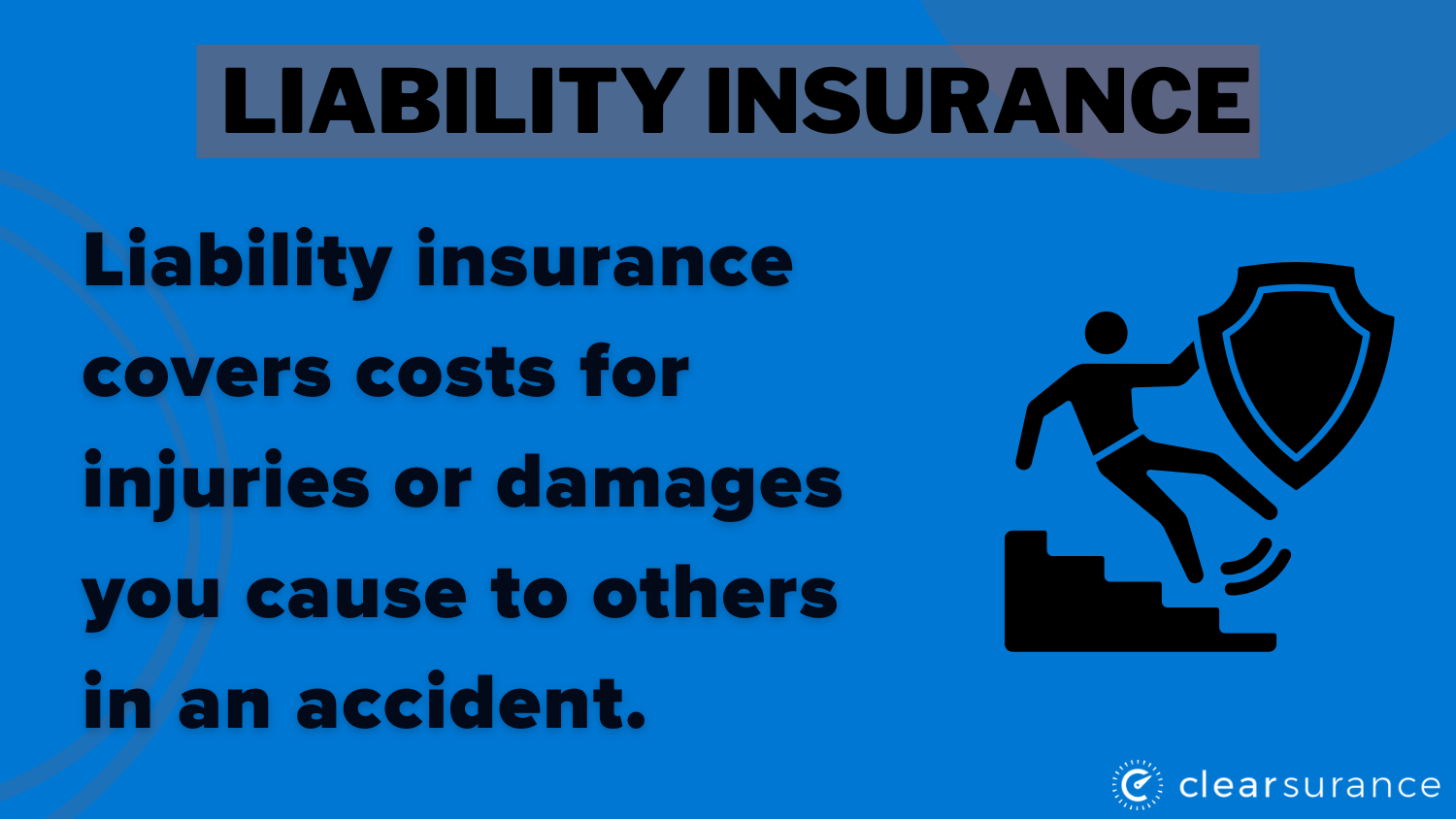
Liability coverage pays for bodily injury and property damage that you cause to other people. It does not pay for your own injuries or damages. Depending on your personal or professional circumstances, you may need one or several types of liability insurance.
1. Auto Liability Coverage
New Jersey requires all registered vehicle owners to carry auto insurance. The standard policy includes three primary components of liability:
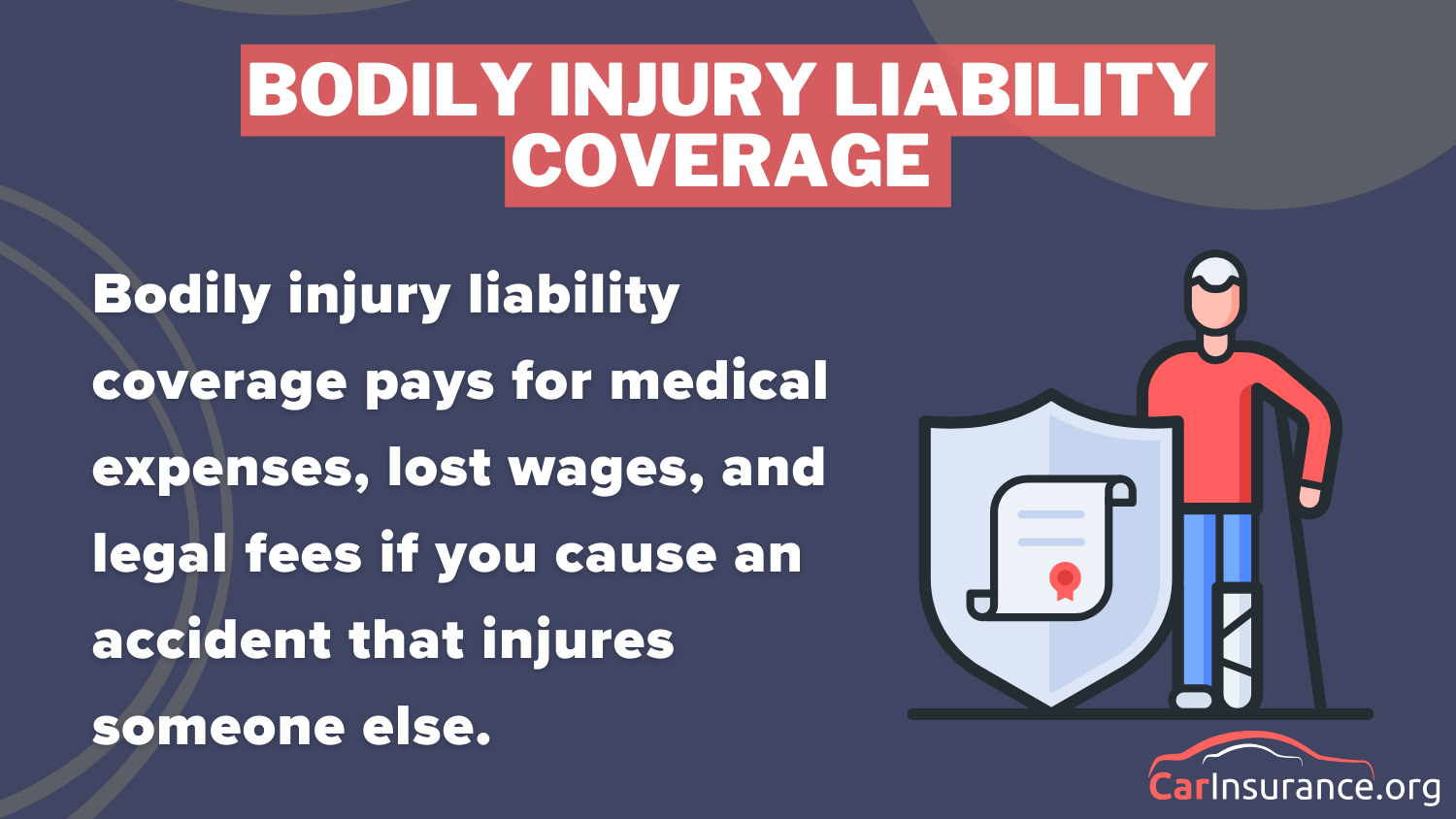
- Bodily Injury Liability: Covers injuries you cause to others in an accident.
- Property Damage Liability: Covers damage you cause to another person's vehicle or property (such as a fence, building, or guardrail).
- Personal Injury Protection (PIP): While technically distinct from third-party liability, PIP is mandatory in New Jersey and covers medical expenses for you and your passengers regardless of fault.
New Jersey drivers can choose between a Basic Policy and a Standard Policy. The Basic Policy is marketed as a low-cost alternative, but it offers minimal liability protection—often providing only $5,000 for property damage and zero bodily injury liability coverage in standard configurations, making it a risky choice for asset protection despite its affordability. The Standard Policy allows drivers to customize higher limits, such as 15/30/5 or 250/500/100 coverage levels.
2. General Liability Coverage for Businesses
For entrepreneurs, independent contractors, and business owners, Commercial General Liability (CGL) insurance is essential. It protects against claims of bodily injury, property damage, and personal injury (such as slander or advertising errors) arising from business operations, premises, or products. New Jersey does not universally mandate CGL for all businesses by state law, but landlords, professional licensing boards, and project contracts almost always require it.
3. Personal Umbrella Liability
If you own a home, multiple vehicles, or significant personal assets, standard auto and homeowners liability limits may not be enough. A personal umbrella policy provides an extra layer of liability protection—typically starting at $1 million in coverage—that kicks in after your primary auto or homeowners policy limits are exhausted. Despite providing substantial coverage, umbrella policies are often surprisingly affordable, making them a cost-effective tool for comprehensive financial defense.
Factors That Influence Liability Insurance Costs in New Jersey
Insurers use complex actuarial tables and underwriting algorithms to determine how much you will pay for liability coverage. Knowing these factors allows you to manage and mitigate your costs proactively.
| Rating Factor | Impact on Auto Insurance | Impact on Business/Home Insurance |
|---|---|---|
| Location (Zip Code) | High urban density and high-accident corridors (e.g., Newark, Jersey City) increase premiums. | Local crime rates, weather exposure, and municipal fire protection classes affect commercial and property rates. |
| Claims History | Prior at-fault accidents or traffic violations significantly raise rates for 3 to 5 years. | Past liability claims or property losses result in surcharges and restricted carrier options. |
| Credit Score | Used legally in New Jersey as an insurance scoring factor to assess risk reliability. | Commercial credit history influences business liability pricing and underwriting tier placement. |
| Coverage Limits & Deductibles | Higher liability limits increase premiums; higher deductibles lower them. | Higher aggregate limits and lower deductibles raise the cost of doing business. |
| Experience / Age | Younger drivers (under 25) and senior drivers face higher rates due to statistical risk profiles. | Years in business and operational track record affect commercial risk assessment. |
Practical Strategies to Lower Your Liability Premiums
Achieving affordable coverage does not mean sacrificing vital protection. By employing targeted cost-reduction strategies, New Jersey residents and business owners can secure competitive rates without leaving themselves exposed to catastrophic losses.
Compare Quotes Across Multiple Carriers
Insurance pricing varies wildly between companies because each carrier uses proprietary rating models. A company that offers competitive rates for a driver in Bergen County might be expensive for someone living in Ocean County. Consumers should obtain quotes from at least three different licensed insurers or work with an independent insurance agent who can shop across multiple admitted carriers.
Bundle Your Policies
Most insurance companies offer significant multi-policy discounts if you purchase your auto, homeowners, renters, or umbrella insurance from the same provider. Bundling simplifies your billing and can reduce your overall premium by 10% to 25%.
Maintain a Clean Record and Good Credit
Insurers reward policyholders who demonstrate low risk over time. Practicing defensive driving, avoiding traffic infractions, and paying bills on time to maintain a solid credit score directly translate into lower insurance premiums over the long term.
Opt for Higher Deductibles Wisely
While liability coverage itself typically does not feature a deductible (unlike comprehensive and collision coverage), adjusting your deductibles on property-related portions of your policy can lower your total bill. Ensure you keep enough cash in an emergency fund to cover the deductible if an incident occurs.
Selecting the Right Insurance Provider in New Jersey
When shopping for affordable liability coverage, price should not be the only consideration. An exceptionally cheap policy from an insolvent or poorly rated carrier can leave you stranded when you need support the most.
Check Financial Strength and Consumer Complaints
Before purchasing a policy, verify that the insurance company is licensed to operate in New Jersey through DOBINJ. Additionally, consult independent rating agencies such as A.M. Best to evaluate the financial stability of the insurer. Reviewing consumer complaint ratios published by the National Association of Insurance Commissioners (NAIC) can also reveal how efficiently a company handles claims and customer service disputes.
Beware of Underinsurance Traps
The cheapest policy is rarely the best value. Opting for minimum limits to save a few dollars a month can backfire severely if you are involved in a major accident or lawsuit. If a court awards damages that exceed your liability limits, your personal savings, home, and future earnings can be seized to pay the difference. Affordable coverage is about finding the optimal balance between manageable monthly payments and robust financial protection.
Frequently Asked Questions
Is liability insurance mandatory in New Jersey?
Yes. For motorists, New Jersey law mandates carrying auto liability insurance, though drivers can choose between basic and standard policy structures. For businesses and property owners, while the state does not universally mandate general liability insurance across all industries, landlords, lenders, and professional licensing boards frequently require proof of coverage before granting leases or operating permits.
What is the difference between New Jersey's Basic and Standard auto insurance policies?
The Basic Policy is designed to offer a lower-cost alternative by providing minimal medical expense benefits through PIP and very low or non-existent bodily injury liability coverage. The Standard Policy provides customizable, higher liability limits and includes legal defense rights, making it safer for drivers who have personal assets to protect.
How can I find out if an insurance company is licensed in New Jersey?
You can verify the licensing status of any insurance company or producer by utilizing the licensee search tools provided on the official website of the New Jersey Department of Banking and Insurance. Doing business with a licensed carrier ensures that your policy is backed by the New Jersey Property-Liability Insurance Guaranty Association if the insurer becomes insolvent.
Does my credit score affect my liability insurance rates in New Jersey?
Yes, insurance companies in New Jersey are permitted to use credit-based insurance scores as one of several rating factors when determining premiums for auto and homeowners insurance. Maintaining a strong credit history helps qualify consumers for lower underwriting tiers and better rates.
What should I do if my insurance company denies coverage or raises my rates unfairly?
If you believe an insurance company has violated New Jersey regulations, applied an incorrect surcharge, or cancelled your policy improperly, you have the right to file a formal consumer inquiry or complaint with the New Jersey Department of Banking and Insurance, which investigates market conduct and assists policyholders in resolving disputes.
Next Steps for Securing Your Policy
Begin your search for affordable liability coverage by auditing your current insurance declarations page to identify your existing limits and deductibles. Next, consult independent agents or online comparison platforms to gather quotes from multiple licensed carriers operating in New Jersey. Compare policies not just on price, but on coverage limits, exclusions, and insurer reputation. Finally, implement available discounts—such as paperless billing, defensive driving course completions, and multi-policy bundling—to lock in the most competitive rate possible while safeguarding your financial future.