Balancing coverage and cost in life insurance involves aligning your family's long-term financial security needs with your current household budget by selecting the right policy structure, term length, and rider combinations to avoid overpaying for unnecessary benefits while preventing dangerous coverage gaps.
Navigating the landscape of life insurance can often feel like walking a tightrope. On one side, you face the pressing desire to shield your loved ones from financial hardship should the unexpected occur. On the other side, monthly premium payments compete directly with mortgage installments, grocery budgets, retirement savings, and daily living expenses. For individuals looking into specialized programs, group policies, or employer-sponsored options often associated with entities like AES, optimizing this balance requires a disciplined, analytical approach.
Understanding how to harmonize the breadth of your policy with your fiscal capacity ensures that you maintain adequate protection without putting undue strain on your cash flow. This guide explores the foundational mechanics of life insurance evaluation, examining how to dissect policy features, weigh financial trade-offs, and construct a resilient coverage strategy.
Understanding the Core Components of Life Insurance
Before attempting to balance coverage and cost, you must master the fundamental building blocks that make up a standard life insurance contract. Life insurance is not a one-size-fits-all product; it is a customizable financial instrument designed to replace lost income, cover debts, and fund future obligations.
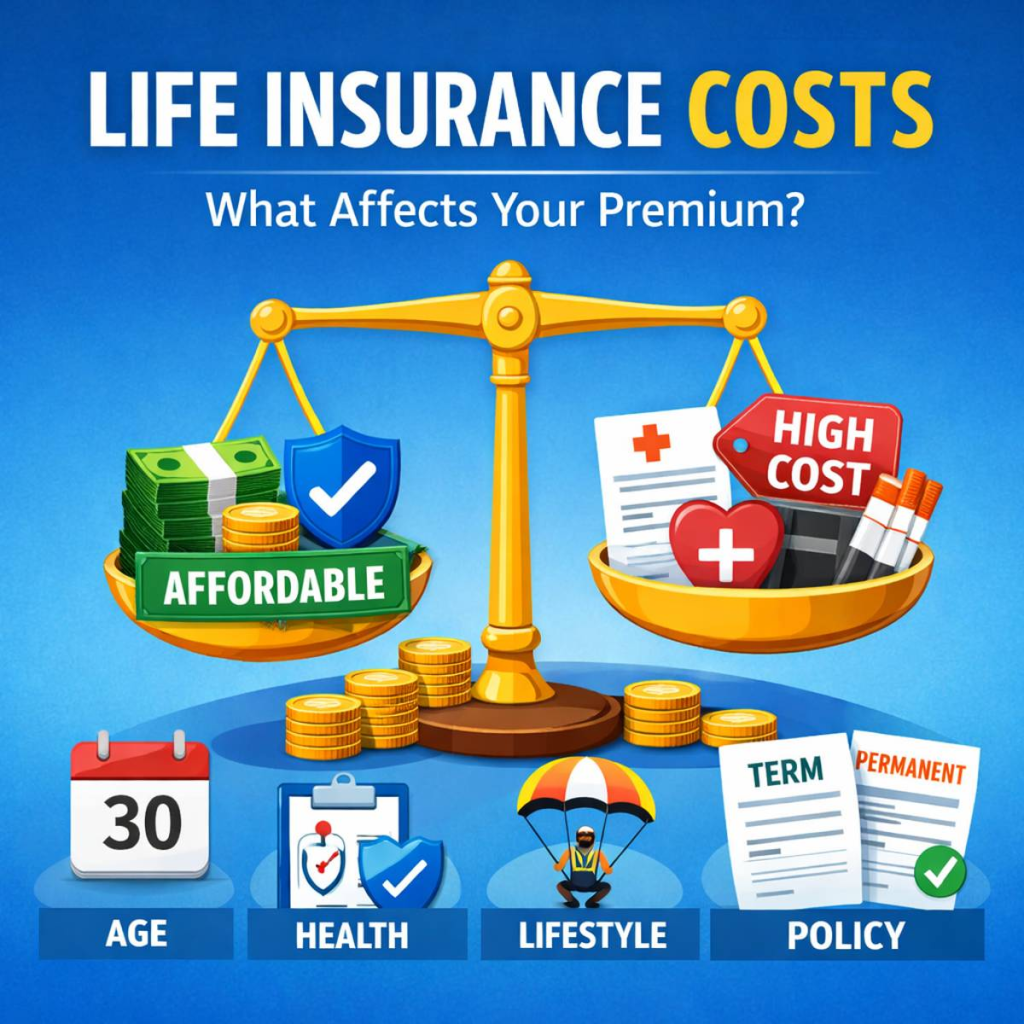
At its core, life insurance policy pricing is driven by actuarial science. Insurers evaluate your mortality risk based on age, health history, lifestyle habits, and occupation. The resulting premium guarantees that the insurance company can pay out the death benefit when a claim is filed. However, the type of policy you choose fundamentally alters how cost interacts with coverage.
Term Life Insurance: Maximum Coverage, Minimum Cost
For most budget-conscious consumers, term life insurance represents the most direct route to substantial financial protection. Term policies provide coverage for a specific period—typically 10, 15, 20, 25, or 30 years.
- Cost Efficiency: Because term insurance does not build cash value and expires at the end of the term, premiums are significantly lower than permanent alternatives.
- Coverage Alignment: This structure makes it ideal for covering temporary liabilities, such as a 30-year mortgage or the years children depend on parental income.
- The Trade-off: If you outlive the term, the policy expires with no payout, and securing a new policy later in life will be substantially more expensive due to advanced age.
Permanent Life Insurance: Lifelong Protection with Higher Expenses
Permanent life insurance, which includes whole life, universal life, and variable universal life, provides coverage for your entire life as long as premiums are paid. It also features a cash value component that grows on a tax-deferred basis.
- Lifelong Security: The policy remains active until death, ensuring a guaranteed payout regardless of when it occurs.
- Wealth Accumulation: A portion of your premium goes into a cash account that you can borrow against or withdraw from under specific conditions.
- The Trade-off: Premiums can be anywhere from five to fifteen times higher than equivalent term policies, making it difficult for average earners to secure high face-value coverage without straining their budgets.
Assessing Your True Coverage Needs
The most common mistake consumers make when purchasing life insurance is guessing a round number—such as a flat million dollars—without performing a rigorous needs analysis. Over-insuring wastes hard-earned capital on unnecessary premiums, while under-insuring leaves beneficiaries vulnerable to sudden debt defaults and lifestyle disruptions.
To calculate your precise coverage requirement, financial planners typically rely on comprehensive methodologies that account for immediate, ongoing, and future financial obligations.
The DIME Formula
A reliable framework for determining your coverage target is the DIME method, which breaks financial obligations down into four distinct categories:
- Debt: Total all outstanding non-mortgage debts, including credit cards, auto loans, and personal loans, plus final expenses such as funeral and burial costs.
- Income: Multiply your current annual salary by the number of years your family would need financial support in your absence. If you have young children, this might span two decades.
- Mortgage: Calculate the exact payoff amount required to clear your home loan, ensuring surviving family members retain secure housing without monthly mortgage burdens.
- Education: Estimate the future costs of tuition, room, and board for children or dependents pursuing higher education.
Once you sum these figures and subtract any existing liquid assets, retirement funds, or other life insurance policies, you arrive at the net face value required. This data-driven figure prevents you from buying arbitrary amounts of coverage.
Strategic Tactics for Cost Reduction Without Sacrificing Protection
Achieving a sustainable balance means actively lowering your premium without shrinking your safety net below safe thresholds. Several tactical adjustments can optimize your policy's value proposition.
Lock in Rates Early
Age is the single most influential factor in life insurance underwriting. Every year you wait to purchase a policy, your baseline mortality risk increases, driving up the cost per thousand dollars of coverage. Purchasing a policy during your twenties or thirties locks in a lower rate for decades, preserving long-term affordability.
Optimize Term Lengths to Match Liabilities
Instead of purchasing a lifelong permanent policy when your budget is tight, match your term length precisely to your financial obligations. If your youngest child is five years old, a 15-year term policy covers them until they reach independence. If your mortgage has 22 years remaining, a 25-year term provides a safe buffer. Aligning the term prevents you from paying for coverage you will no longer need once your financial responsibilities decrease.
Improve Underwriting Metrics
Insurance companies assign applicants to specific risk tiers, such as "Preferred Plus," "Standard," or "Substandard." Small improvements in health metrics—such as lowering blood pressure, reducing cholesterol levels, or quitting smoking—can drop you into a superior risk classification. Dropping from a standard smoker category to a preferred non-smoker category can cut your annual premium by half or more.
Comparing Life Insurance Structures
| Feature | Term Life Insurance | Permanent (Whole) Life Insurance | Universal Life Insurance |
|---|---|---|---|
| Duration | Specific period (e.g., 10–30 years) | Lifelong | Lifelong |
| Cost | Low initial premiums | High, fixed premiums | Flexible, adjustable premiums |
| Cash Value | None | Guaranteed growth | Tied to interest rates or markets |
| Primary Goal | Income replacement during peak earning years | Estate planning and lifelong security | Cash accumulation and flexible funding |
| Best For | Young families, debt coverage, budget constraints | Wealth transfer, final expenses, tax shelters | Long-term flexibility with permanent needs |
Evaluating Policy Riders: Enhancing Value or Inflating Cost?
Life insurance contracts can be customized with riders—optional provisions that modify the policy's terms for an additional fee. While some riders provide vital safety nets, others add unnecessary costs that disrupt the balance between coverage and affordability.
High-Value Riders
- Accelerated Death Benefit Rider: This standard inclusion allows you to access a portion of your death benefit early if you are diagnosed with a terminal illness. It typically comes at little to no extra cost and provides critical liquidity during health crises.
- Waiver of Premium Rider: If you become totally disabled and unable to work, this rider waives your future premium payments while keeping the policy active. This protects your coverage from lapsing during an income shock.
Cost-Inflating Riders to Scrutinize
- Term Conversion Rider: Useful if you plan to convert term coverage to permanent insurance later, but make sure you understand the conversion deadlines and cost increases.
- Accidental Death Benefit Rider: Pays an extra sum if death results from an accident. Because most deaths stem from illness rather than accidents, statistics show this rider often costs more in cumulative premiums than the marginal payout warrants.
Common Missteps in Balancing Coverage and Cost
Navigating insurance decisions requires vigilance against common pitfalls that distort financial planning.
- Relying Solely on Group Employer Coverage: Many professionals rely exclusively on the free or low-cost life insurance provided by their employers, which is frequently limited to one or two times their annual salary. If you change jobs, that coverage usually vanishes, leaving you uninsured or forced to buy individual policies at an older, more expensive age.
- Buying Cash Value Policies for Investment Purposes: While permanent insurance has its place in advanced estate planning, using it purely as a wealth-building vehicle can drain cash flow that might otherwise earn higher returns in tax-advantaged retirement accounts like 401(k)s or IRAs.
- Ignoring Inflation: Failing to account for inflation over a 20-year term can leave beneficiaries with a payout that possesses significantly reduced purchasing power.
Practical Steps to Finalize Your Policy Strategy
To implement a balanced life insurance plan, follow a structured progression:
- Conduct a thorough financial audit using the DIME formula to determine your exact coverage target.
- Request quotes from multiple reputable insurers to compare rate variations for identical term lengths and face values.
- Review your health profile and address modifiable risk factors before submitting your formal application and undergoing a medical exam.
- Consult with an independent financial advisor or insurance broker who can shop across multiple carriers to find the optimal intersection of cost and comprehensive protection.