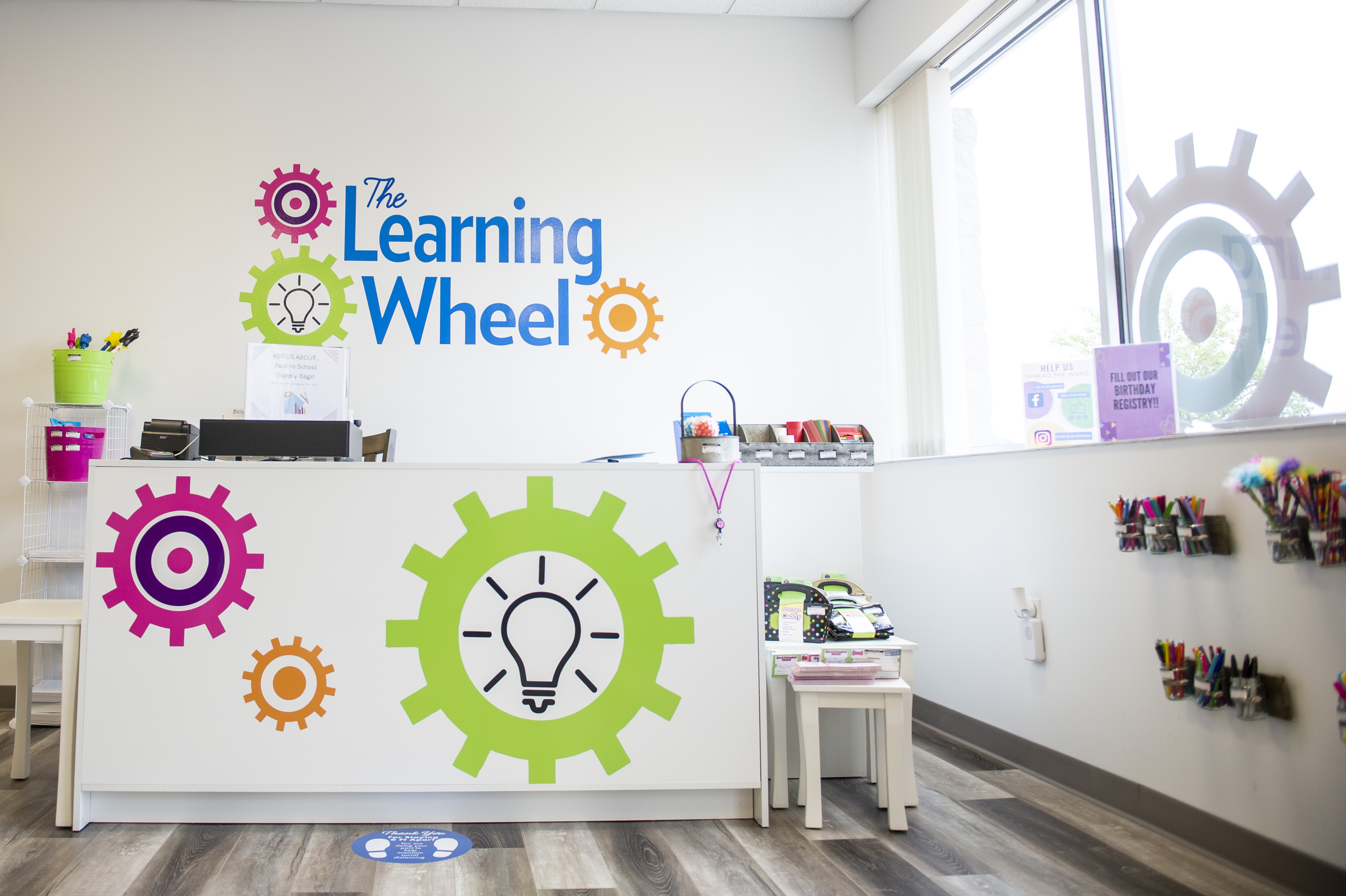
An advanced tutoring center with two decades of support provides specialized, long-standing academic intervention, enrichment, and test preparation for students navigating complex curricula. These institutions leverage twenty years of operational data, pedagogical refinement, and institutional stability to offer structured pathways for academic improvement, standardized testing success, and advanced subject mastery.
Introduction to Long-Standing Academic Support Infrastructure
The educational landscape features a vast array of learning options, ranging from peer-to-peer tutoring apps to large multinational chains. However, parents, adult learners, and school districts often seek out an advanced tutoring center with two decades of support because longevity in the education sector signifies adaptability, pedagogical resilience, and a proven track record. Operating successfully for twenty years means an organization has weathered shifts in national educational standards, technological revolutions in the classroom, and changing socioeconomic demands while maintaining rigorous academic standards.
When evaluating a long-standing tutoring center, it helps to understand what sets these institutions apart from pop-up learning shops or strictly digital-first platforms. Two decades of continuous operation implies that the center has refined its diagnostic testing protocols, assembled a stable network of vetted instructors, and developed robust institutional knowledge regarding how students process complex concepts in mathematics, the sciences, literature, and foreign languages. This article explores the operational structures, pedagogical models, benefits, and practical considerations of engaging with a mature, advanced educational support center.
The Evolution and Significance of Two Decades in Education
Educational methodologies evolve rapidly. Curricula shift from traditional rote memorization to analytical, inquiry-based frameworks such as the Common Core in the United States or international equivalents like the International Baccalaureate (IB) and Cambridge International examinations. A tutoring center that has maintained operations for twenty years has necessarily evolved alongside these shifts, adjusting its curriculum support without abandoning fundamental learning principles.
Institutional Resilience and Pedagogy
An organization celebrating twenty years of service has typically transitioned through several distinct technological and pedagogical eras:
- The Pre-Digital and Hybrid Transition: Early operations relied heavily on physical textbooks, paper diagnostics, and face-to-face sessions. Over two decades, these centers integrated digital whiteboards, proprietary learning management systems (LMS), and data analytics tools while preserving the value of direct human interaction.
- Curriculum Adaptation: Over twenty years, high-stakes tests—such as the SAT, ACT, AP exams, and state-specific assessments—have undergone substantial structural revisions. Long-running centers accumulate historical test data, question banks, and trend analyses that newer entrants simply cannot replicate.
- Faculty Retention and Professional Development: Mature centers often boast multi-year or multi-decade instructor retention rates. This stability ensures that specialized tutors pass down institutional wisdom regarding common student stumbling blocks in advanced calculus, organic chemistry, or essay composition.
Core Services Offered by Advanced Tutoring Centers
Unlike neighborhood homework-help clubs, an advanced tutoring center focuses heavily on high-level cognitive skill development, strategic test preparation, and targeted remediation or enrichment. The service catalogue typically spans several distinct categories designed to support students from middle school through undergraduate education.
| Service Category | Primary Focus & Target Audience |
|---|---|
| Advanced Test Prep | SAT, ACT, GRE, GMAT, MCAT; high school & college |
| STEM Enrichment | AP Calculus, Physics, Chemistry, Coding; grades 7-12 |
| Humanities & Composition | Literary analysis, thesis writing, history AP courses |
| Diagnostic & Executive | Learning style assessment, time management, ADHD/LD |
Advanced Test Preparation
Standardized testing remains a high-stakes gatekeeper for college admissions and professional school entry. Centers with decades of experience approach test preparation not merely as content review, but as a discipline in test mechanics, pacing, and stress mitigation. Tutors analyze diagnostic exam errors down to the sub-skill level, ensuring that students address foundational gaps rather than just practicing superficial guesswork.
Subject-Specific Mastery (STEM and Humanities)
Advanced courses—such as AP Calculus BC, Organic Chemistry, or Advanced Literature—demand more than surface-level memorization. Long-running tutoring centers employ subject-matter specialists (often holding graduate degrees in their respective fields) who can deconstruct dense theoretical concepts into manageable, digestible logical steps.
Executive Functioning and Study Skills Coaching
Many high-achieving students struggle not with intelligence, but with organization, prioritization, and time management. Advanced centers frequently integrate executive functioning coaching into their academic programs, helping students build sustainable lifelong habits for academic and professional success.
Comparing Tutoring Models: Mature Centers vs. Emerging Alternatives
Choosing the right academic support requires weighing the advantages and limitations of different operating models. The table below compares mature, established advanced tutoring centers against newer digital-first platforms and independent local tutors.
| Feature / Dimension | Advanced Center (20+ Years) | Digital-First App / Platform | Independent Local Tutor |
|---|---|---|---|
| Curriculum Stability | High; verified over multiple syllabus revisions | Variable; frequently relies on crowdsourced materials | Dependent entirely on individual tutor expertise |
| Diagnostic Rigor | Standardized, data-driven diagnostic baselines | Often algorithmic or self-reported | Varies wildly from informal to highly structured |
| Instructor Vetting | Multi-stage background checks, degree verification, and peer reviews | Automated onboarding with baseline credential checks | Direct reference checks conducted by the parent/student |
| Accountability & Tracking | Formal progress reports, director oversight, and milestone reviews | Automated session logs; minimal qualitative oversight | Direct informal feedback from the tutor |
| Cost Structure | Premium pricing reflecting overhead, facilities, and staff expertise | Often subscription-based or lower per-hour rates | Negotiable hourly rates based on local market demand |
The Assessment and Onboarding Process
A hallmark of an advanced tutoring center with two decades of operational history is a standardized, highly structured onboarding workflow. This process ensures that tutoring time is spent addressing exact academic pain points rather than general review.
- Initial Consultation: Parents or adult learners meet with an academic director to discuss goals, academic history, learning style preferences, and scheduling constraints.
- Comprehensive Diagnostic Testing: Students take a diagnostic assessment tailored to their specific goals (e.g., a full-length diagnostic SAT or a diagnostic STEM content inventory).
- Data Analysis and Matchmaking: Center directors analyze diagnostic results to identify specific concept deficits and match the student with a compatible subject specialist.
- Customized Learning Plan Design: A roadmap is established, outlining target milestones, session frequencies, and expected benchmark re-evaluations.
- Ongoing Progress Monitoring: Regular check-ins and periodic re-testing ensure accountability and allow for adjustments to the learning plan.
Cost Considerations and Financial Planning
Investing in long-standing, advanced tutoring involves a significant financial commitment. Understanding how these centers price their services helps families plan effectively.
- Hourly Rates vs. Package Bundles: Most advanced centers operate on a package-hour model (e.g., 24, 48, or 96-hour blocks) rather than purely pay-as-you-go arrangements. Purchasing bundles typically reduces the per-hour cost.
- Diagnostic Fees: Some centers include initial diagnostic testing within an onboarding fee, while others bill it separately.
- Return on Investment (ROI): For families targeting selective university admissions or competitive high school entrance exams, the ROI is measured through scholarship attainment, college placement outcomes, and reduced freshman-year remediation needs in higher education.
Common Pitfalls and How to Avoid Them
Even when engaging with a prestigious, long-established tutoring center, certain pitfalls can limit the effectiveness of the intervention. Recognizing these risks ensures a better educational experience.
- Treating Tutoring as a Quick Fix: Enrolling a student two weeks before a major exam rarely yields optimal results, even at an elite center. Consistent, long-term engagement is far more effective.
- Failing to Maintain Communication: Parents must maintain an active dialogue with both the student and the center director. If a tutor-student chemistry mismatch occurs, request a change immediately rather than letting weeks pass in stagnation.
- Ignoring Independent Practice: Tutoring sessions provide guidance and concept deconstruction, but actual cognitive retention requires independent problem-solving between sessions. Ensure the student completes all assigned practice work.
Frequently Asked Questions
What makes an advanced tutoring center with two decades of support different from a standard franchise?
A long-standing, independent or locally grown advanced center has deep roots in the community, curriculum continuity over many years, and rigorous internal instructor training. Unlike new franchises that rely heavily on scripted, one-size-fits-all modules, mature centers often retain institutional memory and flexible pedagogical frameworks tailored to specific school districts and advanced exam boards.
How do I know if my child needs an advanced center or general homework help?
If your child struggles with basic organizational skills or finishing nightly assignments, a general homework helper or peer tutor may suffice. If your student is aiming for top-tier college admission, struggling with rigorous AP/IB coursework, or hitting a plateau on standardized tests, an advanced center with specialized diagnostic tools is necessary.
Are sessions conducted in person or online at these centers?
Most mature centers have adopted a hybrid model. While they historically operated entirely out of physical brick-and-mortar facilities, two decades of evolution mean they now offer robust virtual tutoring platforms alongside traditional face-to-face rooms, preserving the same rigorous instructor standards regardless of medium.
How are tutors vetted at long-standing educational centers?
Established centers typically require instructors to hold undergraduate or graduate degrees in their teaching subjects, pass comprehensive background checks, and complete ongoing professional development workshops covering educational psychology, adolescent development, and advanced test-taking strategies.
Can adult learners or college students utilize these advanced centers?
Yes. While many clients are middle and high school students, advanced centers frequently support undergraduate students navigating gateway college courses (such as organic chemistry or multivariable calculus) and adult learners preparing for graduate school admissions exams like the GRE, GMAT, or MCAT.
Conclusion and Next Action
Engaging with an advanced tutoring center backed by two decades of proven support provides students with a distinct competitive advantage through structured diagnostics, expert mentorship, and resilient pedagogical methods. To take the next step, schedule an initial consultation with a reputable local or hybrid center, request a comprehensive diagnostic assessment, and review your student's academic goals to build a customized, long-term learning plan.