The Aaron Rodgers vaccine controversy refers to the public scrutiny and media discourse that erupted in 2021 when the NFL quarterback's vaccination status was revealed to be contrary to his previous statements. The situation highlighted the intersection of professional sports protocols, public health mandates, and individual medical privacy, creating a significant cultural flashpoint regarding misinformation, athlete accountability, and team health policy.
The Genesis of the Disclosure
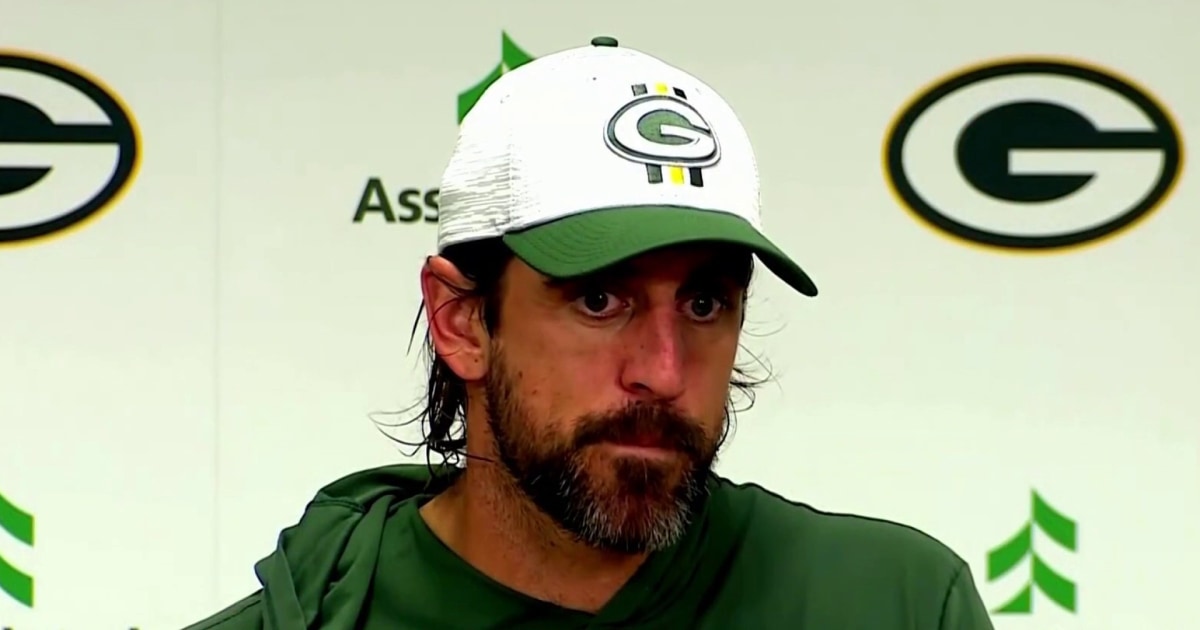
The controversy began in August 2021 during an NFL training camp press conference. When asked if he had been vaccinated against COVID-19, Rodgers responded by stating, "Yeah, I've been immunized." This statement was widely interpreted by the media and the public as confirmation that he had received an FDA-authorized COVID-19 vaccine. In the context of the NFL's stringent COVID-19 protocols at the time, this distinction carried material consequences for how a player was treated within the league's hierarchy.
In November 2021, Rodgers tested positive for COVID-19. Following the positive test, reports emerged confirming he had not received any of the authorized vaccines. Instead, Rodgers clarified that he had undergone an alternative "immunization" protocol involving homeopathic treatments, which he had petitioned the NFL to recognize as an equivalent to vaccination. The league's medical advisors, after reviewing the data, had denied this request, officially classifying him as unvaccinated.
This revelation sparked immediate backlash. Critics argued that Rodgers had intentionally misled the public and the media through a linguistic technicality, while supporters maintained that he was protecting his personal medical privacy in an environment that heavily scrutinized the health status of its employees.
NFL Protocols and the "Unvaccinated" Designation
To understand the scope of the controversy, one must examine the specific regulatory environment of the NFL during the 2021 season. The league implemented distinct sets of rules for vaccinated and unvaccinated players, governed by the "2021 NFL-NFLPA COVID-19 Protocols."
For vaccinated players, restrictions were minimal. They were not required to wear masks inside team facilities, were not subject to daily testing, and were permitted to travel more freely. Conversely, unvaccinated players were subject to:
- Daily PCR testing.
- Mandatory mask-wearing at all times inside team facilities.
- Strict physical distancing requirements.
- Limitations on travel and interactions outside of team settings.
Because Rodgers was classified as unvaccinated by the league, his participation in team activities required strict adherence to these mitigation efforts. His failure to adhere to masking protocols during media appearances—while being technically unvaccinated—resulted in fines from the NFL and created tension between his personal stance and the professional requirements set forth by the league and the Green Bay Packers organization.
Public Discourse and the Role of Media
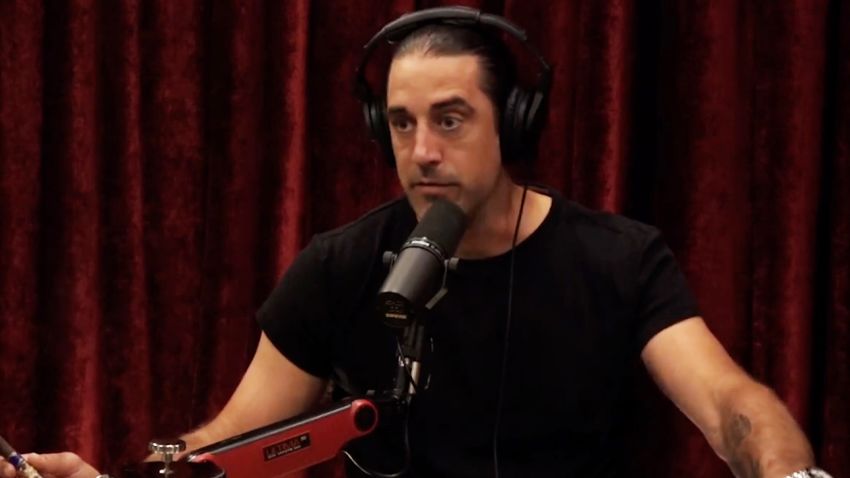
The controversy escalated as Rodgers became a frequent guest on The Pat McAfee Show. During these appearances, he openly criticized the NFL's COVID-19 policies and public health messaging. He cited various sources for his skepticism, including alternative treatment protocols and arguments against the efficacy of the vaccines as a sole solution for preventing transmission.
This brought a broader debate into the spotlight: the responsibility of public figures to align their personal medical decisions with established public health guidance. Supporters of Rodgers championed his autonomy and his willingness to challenge what he termed "woke" culture and "cancel culture." Detractors, including health experts and segments of the sports media, accused him of spreading medical misinformation and potentially compromising the safety of his teammates and the broader community by utilizing his high-profile platform to downplay the severity of the pandemic.
Comparison of Perspectives on Athlete Health Privacy
The debate often centered on the tension between institutional requirements for safety and the right to medical privacy. The following table provides a breakdown of the competing viewpoints that dominated the discussion.
| Perspective | Core Argument | Rationale |
|---|---|---|
| Public Health Advocacy | Athletes are role models with a societal duty. | Public figures have an outsized influence on public health compliance. |
| Institutional Compliance | Professional leagues require uniform safety standards. | Uniformity is necessary for the viability of the season and player availability. |
| Individual Autonomy | Personal health decisions are private matters. | Medical information should not be forced into the public domain. |
| Skepticism/Dissent | Questioning official narratives is a protected right. | Personal research and alternative medical opinions are valid personal choices. |
The Impact on Sponsorship and Reputation
The fallout from the controversy extended beyond the football field. Several corporate partners evaluated their relationships with the quarterback. State Farm, which featured Rodgers prominently in their national advertising campaigns, faced public pressure to drop the athlete. While State Farm continued to air commercials featuring him, they notably reduced the frequency of these spots during the height of the media cycle surrounding his vaccination status.
This highlighted the financial risks associated with public controversy for elite athletes. In the modern era of brand management, an athlete’s off-field narrative is as integral to their market value as their on-field performance. For Rodgers, the controversy did not end his career, but it permanently altered his public image, transitioning him from a conventional sports star to a polarizing figure who frequently engages in broader, non-sports-related political and cultural debates.
Medical and Ethical Considerations
The use of the term "immunized" remains one of the most contentious aspects of the narrative. From a medical standpoint, there is a clear distinction between being "vaccinated" (receiving an injection that triggers an immune response to a specific pathogen) and being "immunized" (the state of being protected against an infectious disease). By conflating these, Rodgers argued he was being technically accurate, while critics maintained that in the context of a global health crisis, the distinction was a deceptive evasion.
Furthermore, the focus on alternative treatments opened a broader discussion regarding the influence of non-traditional medical advice. When high-profile individuals advocate for off-label or non-mainstream treatments, it can create confusion among the general public regarding the consensus of medical authorities. It served as a case study in the difficulties organizations face when managing internal health policies in a polarized cultural climate.
Frequently Asked Questions
Did Aaron Rodgers face legal consequences for his vaccination status? No, the controversy did not involve legal or criminal charges. The consequences were professional in nature, involving fines imposed by the NFL for violating agreed-upon health and safety protocols during the 2021 season.
What specific "alternative treatments" did Rodgers mention? Rodgers noted that he sought homeopathic treatments to raise his antibody levels. He spoke about utilizing protocols involving monoclonal antibodies and other substances, which he framed as his preferred method of achieving "immunization" without utilizing the specific vaccines mandated or encouraged by the NFL.
Was the Green Bay Packers organization aware of his status? Yes, the Green Bay Packers organization was fully aware of Rodgers' vaccination status and his specific standing within the NFL’s testing protocols throughout the 2021 season. The organization worked within the league's framework to manage his participation under the requirements for unvaccinated players.
How did the NFL resolve the issue of teams having unvaccinated players? The NFL resolved these issues through a combination of strict daily testing requirements and fines for players who violated masking or physical distancing rules. The protocols were designed to mitigate the impact of the virus on game scheduling and roster stability rather than forcing a uniform vaccination rate.
Is there a clear consensus on whether public figures have a duty to disclose their medical history? There is no legal consensus. While employers in professional sports may require disclosure for workplace safety, there is no ethical consensus on the extent to which public figures owe a disclosure of their medical choices to the general public.
Next Actions and Perspectives
For those looking to understand the broader implications of this event, it is useful to track the evolution of athlete-media relations. This incident marked a turning point where athletes began utilizing digital-first platforms—such as podcasts and direct-to-audience video—to bypass traditional sports journalism. By choosing where and when to address controversies, athletes have gained greater control over their own narratives.
For a balanced view of similar events, researchers should continue to consult the official NFL-NFLPA protocol documentation from the 2021 season, which provides the technical baseline for why certain players faced different requirements than others. Understanding the distinction between institutional rules and individual rights remains critical for navigating how sports organizations handle crises in the future.