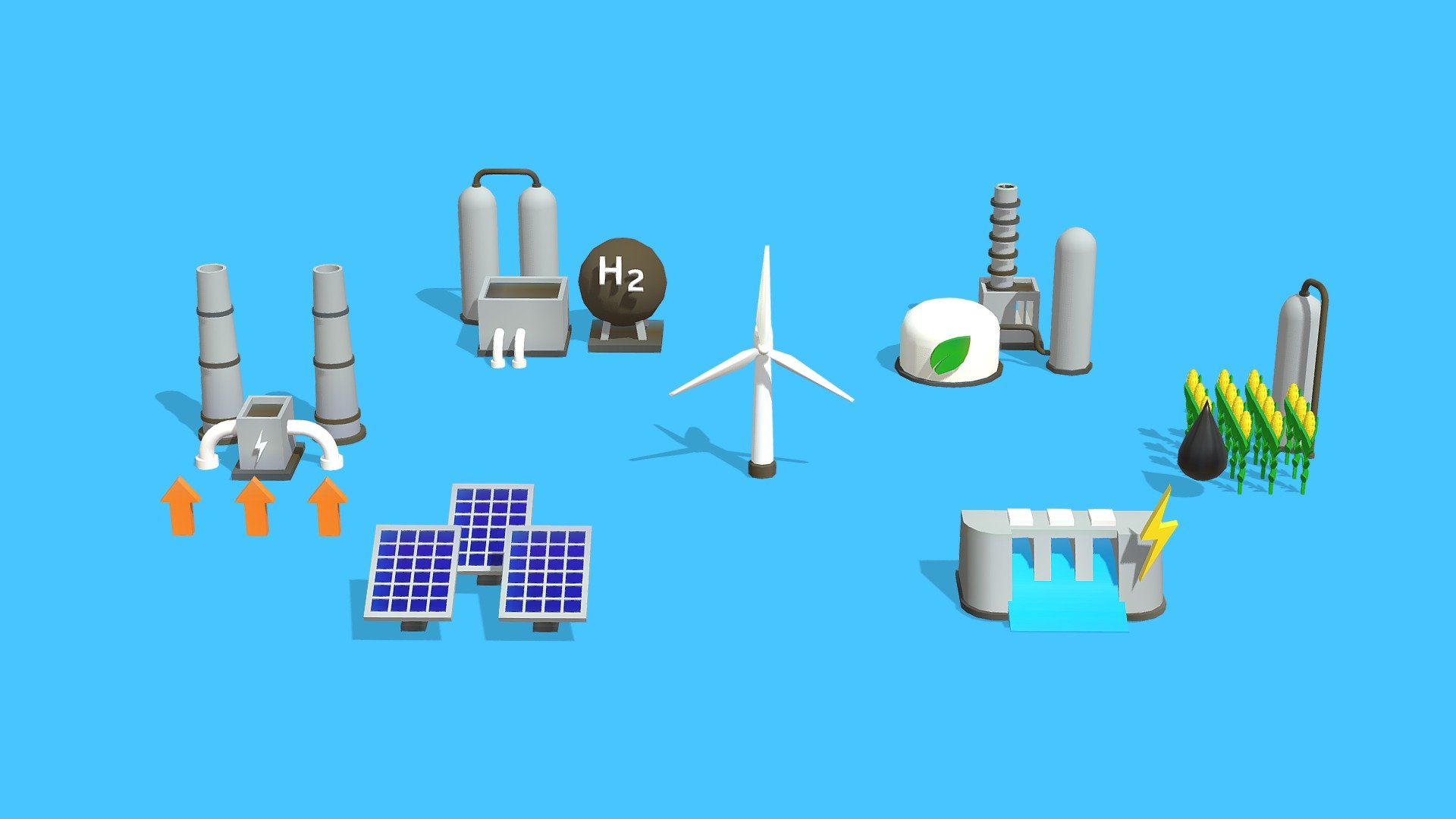
Alternative energy encompasses power generation methods derived from sources other than conventional fossil fuels, offering vital solutions to reduce greenhouse gas emissions and secure sustainable global power supplies. The seven leading examples of alternative energy comprise solar photovoltaic power, wind energy, hydroelectric power, geothermal energy, biomass energy, tidal and wave marine energy, and nuclear energy. These technologies harness natural cycles, elemental forces, and atomic reactions to generate electricity and heat for residential, commercial, and industrial applications.
Introduction to Alternative Energy and Global Energy Transition
The global transition away from fossil-fuel dependence relies on deploying diverse alternative energy technologies. While fossil fuels like coal, oil, and natural gas have powered industrialization, their combustion releases carbon dioxide and other greenhouse gases that drive anthropogenic climate change. Alternative energy sources seek to decouple power generation from carbon emissions, providing reliable electricity while preserving natural resources.
Understanding alternative energy requires evaluating each technology by its generation mechanism, operational prerequisites, capacity factor, economic cost, and environmental impact. No single technology provides a universal solution; instead, a balanced energy grid integrates multiple alternative sources to compensate for individual intermittency and geographical limitations.
1. Solar Photovoltaic (PV) and Solar Thermal Power
Solar energy represents one of the most rapidly expanding alternative energy sectors worldwide. It harnesses radiation from the sun and converts it into usable electricity or thermal energy through two primary mechanisms: photovoltaic (PV) systems and concentrated solar power (CSP).
Photovoltaic Technology and Operation
Solar PV systems utilize semiconductor materials—most commonly silicon—to capture photons from sunlight. When sunlight strikes the photovoltaic cells, it knocks electrons free from their atoms, generating a flow of direct current (DCC) electricity. Inverters then convert this direct current into alternating current (AC), which powers standard electrical grids and household appliances.
- Prerequisites: High solar irradiance, unobstructed southern or northern exposure depending on hemisphere, and grid interconnection access or battery storage systems.
- Operational Limitations: PV generation drops during nighttime, overcast weather, and seasonal shifts with shorter daylight hours.
- Cost Considerations: Over the past decade, manufacturing economies of scale have driven down solar panel costs significantly, making residential and utility-scale installations economically competitive with fossil-fuel generation.
Concentrated Solar Power (CSP)
Unlike PV panels that generate electricity directly from light, CSP plants use mirrors or lenses to concentrate a large area of sunlight onto a small receiver. The captured thermal energy heats a working fluid—such as synthetic oil or molten salt—which generates high-temperature steam to drive a turbine connected to an electrical generator. CSP systems often incorporate thermal energy storage, allowing them to continue generating electricity hours after the sun sets.
2. Wind Energy (Onshore and Offshore)
Wind energy converts the kinetic energy of moving air into electrical energy using wind turbines. As wind flows across the airfoil-shaped blades of a turbine, aerodynamic lift forces cause the rotor to spin. This rotational mechanical energy passes through a drive shaft and gearbox to an electrical generator.
Onshore vs. Offshore Wind Farms
- Onshore Wind: Installed on land, onshore wind farms are relatively quick to construct and maintain. However, they face local zoning regulations, land-use competition, and aesthetic concerns.
- Offshore Wind: Placed in large bodies of water—typically oceans or large lakes—offshore turbines benefit from stronger, more consistent maritime winds. Offshore installations require specialized marine construction vessels, subsea cabling, and corrosion-resistant materials, increasing initial capital expenditures.
| Wind Energy Attribute | Onshore Wind | Offshore Wind |
|---|---|---|
| Average Capacity Factor | 28% – 35% | 40% – 50%+ |
| Initial Capital Cost | Moderate | High |
| Wind Consistency | Variable, subject to terrain | High, sustained maritime airflow |
| Logistics & Maintenance | Accessible via standard roads | Requires specialized vessels and technicians |
3. Hydroelectric Power (Hydropower)
Hydroelectric power harnesses the gravitational force of flowing or falling water to generate electricity. It remains the largest source of renewable electricity generation globally, providing foundational baseload power to many national grids.
Mechanics of Hydro Generation
Conventional hydroelectric facilities construct a dam across a river to create a large reservoir. Water released from the reservoir flows through penstocks—large pipes—at high pressure, spinning the blades of a water turbine. The turbine turns a generator, producing electricity.
- Run-of-River Systems: Divert a portion of a river's natural flow through a channel or turbine without constructing massive reservoirs, significantly reducing ecological disruption.
- Pumped Storage Hydropower: Functions as a giant battery. During periods of low electricity demand, surplus grid power pumps water from a lower reservoir to an upper reservoir. During peak demand, water releases downward to generate electricity quickly.
4. Geothermal Energy
Geothermal energy extracts thermal energy stored deep beneath the Earth's crust. This heat originates from the original formation of the planet and the radioactive decay of minerals.
Utilization Types
- Geothermal Power Plants: Require high-temperature hydrothermal resources (typically above 150°C or 300°F). Production wells bring high-pressure hot water or steam to the surface to spin turbine generators. The condensed steam is then reinjected into the reservoir to sustain pressure.
- Geothermal Heat Pumps (GHPs): Utilize the relatively stable shallow ground temperatures (usually 10°C to 16°C or 50°F to 60°F) just a few feet below the surface. A closed-loop piping system circulates fluid underground to heat buildings in winter and cool them in summer by transferring heat to the earth.
5. Biomass and Bioenergy
Biomass energy utilizes organic materials—derived from plants, agricultural crops, forestry residues, and organic waste—as fuel. Unlike intermittent wind and solar, biomass provides dispatchable energy because organic matter can be stored and burned on demand.
Conversion Pathways
- Direct Combustion: Burning organic matter directly in boilers to produce high-pressure steam for electricity generation or district heating.
- Biochemical Conversion (Anaerobic Digestion): Microorganisms break down organic waste—such as livestock manure or municipal sewage—in oxygen-free environments to produce biogas (methane and carbon dioxide), which fuels combined heat and power systems.
- Biofuel Production: Processing crops like corn, sugarcane, or oilseeds into liquid transportation fuels such as ethanol and biodiesel.
6. Tidal and Wave Marine Energy
Marine energy technologies capture the immense mechanical and kinetic power of ocean tides and surface waves. While marine energy projects represent a smaller share of current alternative energy deployments, they offer high predictability due to astronomical tidal cycles.
Tidal vs. Wave Power
- Tidal Range and Tidal Stream: Tidal range systems use barrages (dams) across tidal bays to capture water during high tide and release it through turbines during low tide. Tidal stream systems operate like underwater wind turbines, anchored directly into strong coastal currents.
- Wave Energy Converters (WECs): Capture kinetic and potential energy from surface ocean waves through oscillating water columns, attenuator devices, or point absorbers that bob with wave action.
7. Nuclear Energy
Nuclear energy generates electricity through nuclear fission reactions, splitting heavy atomic nuclei—such as uranium-235 or plutonium-239—inside a nuclear reactor. This reaction releases an immense amount of thermal energy, which boils water to create pressurized steam that drives turbine generators.
Role in the Energy Mix
Nuclear power does not emit greenhouse gases during operation, classifying it as a zero-emission baseload energy source. Modern nuclear facilities operate with high capacity factors, running continuously for months between refueling cycles. However, nuclear energy requires rigorous regulatory oversight, specialized waste management protocols for radioactive byproducts, and massive upfront capital investments with long construction timelines.
Comparative Overview of Leading Alternative Energy Sources
Evaluating alternative energy options requires comparing their capacity factors, operational characteristics, and primary applications.
| Technology | Primary Fuel Source | Average Capacity Factor | Baseload Capability | Major Environmental Consideration |
|---|---|---|---|---|
| Solar PV | Sunlight | 15% – 25% | No (Intermittent) | Land use, manufacturing material sourcing |
| Wind Energy | Kinetic Wind | 30% – 50% | No (Intermittent) | Avian impacts, visual/acoustic profile |
| Hydroelectric | Flowing Water | 40% – 60% | Yes | River ecosystem disruption, displacement |
| Geothermal | Earth's Heat | 70% – 90% | Yes | Site-specific geography, induced seismicity risk |
| Biomass | Organic Matter | 60% – 85% | Yes | Air emissions, land-use competition for food crops |
| Marine Energy | Tides and Waves | 25% – 40% | Moderate (Tidal is highly predictable) | Marine life interaction, harsh saltwater corrosion |
| Nuclear Power | Uranium / Plutonium | 92% – 95% | Yes | Long-term radioactive waste management, high capital cost |
Frequently Asked Questions
What is the difference between renewable energy and alternative energy?
Alternative energy is a broader category that includes any energy source replacing conventional fossil fuels. This encompasses all renewable sources (solar, wind, hydro) as well as nuclear energy, which is non-renewable because it relies on finite uranium reserves but remains an alternative because it produces negligible carbon emissions during operation.
Which alternative energy source provides the highest capacity factor?
Nuclear energy consistently achieves the highest capacity factor, often exceeding 90%, meaning it operates at maximum power output for the vast majority of the year. Geothermal energy also provides high capacity factors for baseload power generation, whereas solar and wind have lower capacity factors due to weather intermittency.
How do modern grids handle the intermittency of solar and wind energy?
Grid operators balance intermittent supply by integrating battery energy storage systems (BESS), dispatchable backup generation (such as natural gas peaker plants or hydroelectric storage), smart grid demand-response programs, and high-voltage transmission lines that move surplus power across geographic regions.
Are residential solar panel installations cost-effective?
Residential solar economic viability depends heavily on local electricity rates, available federal and state tax incentives, net metering policies, and average daily solar irradiance. While upfront installation costs remain substantial, long-term electricity bill savings typically offset the initial investment over a payback period of 6 to 10 years.
What are the main challenges facing marine energy technologies?
Marine energy deployment faces severe technical hurdles, including aggressive saltwater corrosion, high structural maintenance costs in remote offshore environments, complex grid interconnection logistics, and strict environmental permitting requirements to protect marine ecosystems.
Strategic Next Steps for Adopting Alternative Energy
Transitioning to alternative energy requires targeted planning depending on whether the application is residential, commercial, or utility-scale.
- For Homeowners: Conduct a professional energy audit, evaluate local solar irradiance or geothermal suitability, and research available federal tax credits or municipal utility rebates before contacting certified installers.
- For Businesses and Developers: Perform rigorous feasibility studies, assess local grid interconnection capacity, analyze long-term power purchase agreements (PPAs), and integrate hybrid microgrid solutions combining solar, wind, and battery storage to ensure operational resilience.