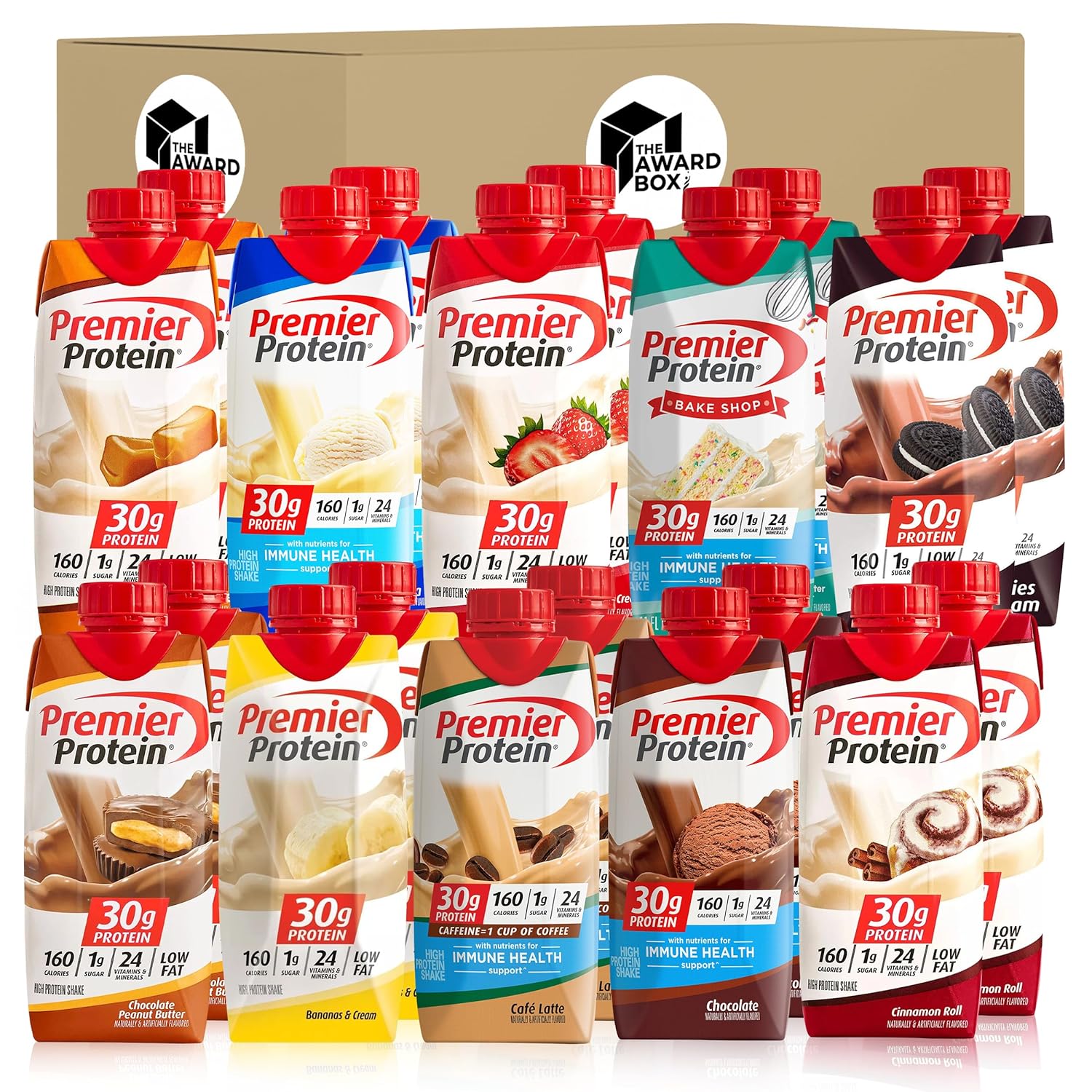
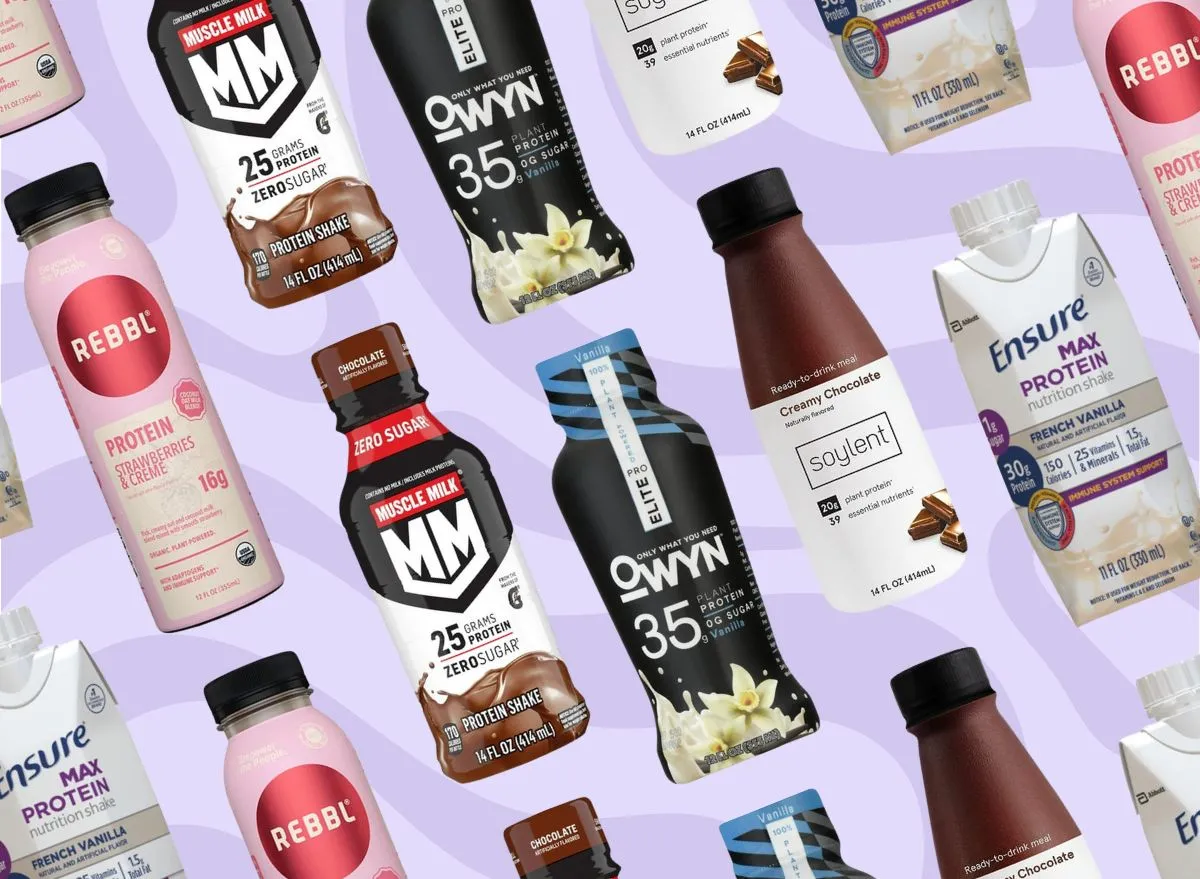
Choosing the right protein shake flavor for an active lifestyle depends on aligning taste preferences, nutritional goals, and mixing versatility with daily fitness routines. The best options—ranging from classic chocolate and vanilla to rich peanut butter, coffee, and fruit-based blends—offer a balance of high-quality protein, low sugar, and exceptional mixability to support muscle recovery, energy replenishment, and everyday athletic performance without causing flavor fatigue.
Understanding the Role of Protein Shakes in an Active Lifestyle
Maintaining an active lifestyle requires structured nutrition to support muscle protein synthesis, tissue repair, and glycogen replenishment. Whether engaging in resistance training, endurance running, high-intensity functional fitness, or recreational sports, the body breaks down muscle fibers and depletes energy stores. Protein shakes provide a rapid, convenient source of amino acids—particularly essential branched-chain amino acids (BCAAs) like leucine—to initiate recovery.
However, the nutritional efficacy of a protein powder is often compromised by its palatability. If a supplement tastes chalky, overly artificial, or intensely sweet, adherence drops significantly over weeks and months. Finding a flavor profile that integrates seamlessly into post-workout routines, morning smoothies, or quick baking recipes is essential for long-term consistency. Flavor innovation in modern protein formulations—utilizing natural flavor extracts, high-grade cocoa, real fruit powders, and advanced sweetening systems like stevia or monk fruit—ensures that active individuals do not have to sacrifice taste for nutritional quality.
Evaluating Flavor Profiles for Daily Consistency
When evaluating protein shake flavors, consumers must look beyond the basic description on the tub. A flavor that tastes pleasant in a rich dairy milk shake might taste thin and watery when mixed with cold water post-workout. Conversely, a heavy dessert flavor might feel unappealing during a hot summer training session.
The primary challenge in flavor formulation is masking the natural earthy, bitter, or grassy notes inherent in plant-based proteins (such as pea, hemp, and brown rice) or the slight metallic tang sometimes found in certain whey protein isolates. Manufacturers use various balancing agents, stabilizers, and natural flavorings to create distinct profiles. The following sections examine the seven best protein shake flavors for active lifestyles, detailing their ideal applications, mixing characteristics, and nutritional synergies.
1. Rich Chocolate
Rich chocolate remains the undisputed gold standard of protein shake flavors for athletes and fitness enthusiasts alike. Its universal appeal stems from cocoa's natural ability to mask the inherent aftertaste of both whey and plant-based protein powders. High-quality chocolate protein powders utilize Dutch-processed cocoa, which provides a deep, slightly bitter, and authentic chocolate experience rather than a cloying, sugary taste.
From a culinary standpoint, chocolate is exceptionally versatile. It pairs seamlessly with water, dairy milk, plant-based milks, frozen bananas, oats, and nut butters. For active individuals, a chocolate protein shake after a heavy lifting session satisfies post-exercise sweet cravings while delivering a dense payload of amino acids. Furthermore, chocolate blends well with espresso or cold brew coffee, creating a natural mocha flavor that doubles as a pre-workout or morning pick-me-up.
2. Smooth Vanilla Bean
Smooth vanilla bean is the ultimate chameleon of the protein supplement world. While some cheap vanilla powders taste medicinal or reminiscent of birthday cake frosting, a premium vanilla bean powder featuring real vanilla specks or high-grade botanical extracts offers a clean, creamy, and custard-like profile.
The primary advantage of vanilla is its blank-canvas nature. Active individuals who prefer making complex post-workout smoothies laden with berries, spinach, seeds, and superfoods will find that vanilla enhances these ingredients without overpowering them. It provides a sweet, aromatic base that complements fruit acids and greens alike. Additionally, vanilla protein powder is the most effective choice for baking protein pancakes, muffins, and oat bowls, as it mimics the foundation of traditional baking recipes.
3. Creamy Peanut Butter
Peanut butter-flavored protein powders cater directly to those who favor savory, nutty, and decadent flavor profiles. True peanut butter powders or specialized flavored isolates capture the roasted, slightly salty, and rich characteristics of real peanuts without introducing excess fats that can slow down post-workout digestion.
For endurance athletes and strength trainers requiring higher caloric intake, peanut butter flavor provides a comforting, satiating experience. It blends exceptionally well with bananas, oats, and cinnamon, making it a staple for bulking phases or morning meal replacement shakes. The subtle saltiness in quality peanut butter flavors also helps replenish electrolytes lost through heavy sweating, providing a dual benefit for intense training sessions.
4. Cold Brew Coffee / Mocha
For active individuals who train early in the morning or require an afternoon energy boost, coffee-flavored protein shakes—often categorized as cold brew, iced coffee, or mocha—offer a dual-action solution. These flavors combine the rich, roasted notes of real coffee extract or caffeine with protein, eliminating the need to mix separate pre-workout stimulants and post-workout recovery shakes.
Mocha variants, which blend coffee and chocolate, provide an exceptionally smooth palate experience that masks plant proteins effectively. When choosing a coffee-flavored protein, it is important to check the caffeine content, especially for evening training sessions. However, for morning routines, a cold brew protein shake delivers clean focus alongside essential amino acids, streamlining nutritional intake before or after a dawn workout.
5. Salted Caramel
Salted caramel has surged in popularity due to its sophisticated balance of deep, buttery sweetness and a contrasting hint of sea salt. This flavor profile appeals to active individuals who find standard vanilla or chocolate too predictable but want to avoid overly acidic fruit flavors.
The inclusion of natural sea salt in quality salted caramel powders is functionally beneficial for athletes. Sodium is the primary electrolyte lost in sweat, and consuming a modest amount alongside carbohydrates and protein post-workout aids in rapid rehydration and fluid retention. Salted caramel works wonderfully when blended into oatmeal, dairy-free milks, or iced shakes, offering a gourmet taste profile that feels more like a treat than a nutritional supplement.
6. Crisp Berry (Strawberry / Mixed Berry)
While creamy and dessert-like flavors dominate the market, crisp fruit flavors like strawberry, raspberry, and mixed berry offer a refreshing, tart alternative that is especially welcome during hot weather or high-intensity cardiovascular workouts.
Berry-flavored protein powders—particularly clear whey isolates or light plant-based formulas designed to mix clear with water—provide a juice-like consistency rather than a heavy, milk-shake texture. This makes them exceptionally easy to consume immediately after high-intensity interval training (HIIT) or long-distance running, when heavy dairy-based shakes might cause gastrointestinal discomfort. High-grade berry flavors utilize real freeze-dried fruit powders to achieve a natural tartness, avoiding the artificial cough-syrup taste characteristic of lower-tier products.
7. Cinnamon Roll / Spiced Graham
For those prone to flavor fatigue, cinnamon roll, spiced graham, or cookie-butter-inspired flavors offer a comforting, bakery-style profile that brings variety to a daily supplement regimen. These flavors rely on warm spices like Ceylon cinnamon, nutmeg, and hints of brown sugar or vanilla.
Cinnamon is not only palatable; it has also been studied for its potential properties in supporting healthy blood sugar regulation, making it a popular addition to fitness nutrition. Cinnamon roll protein powders shine brightest when mixed into warm oats, baked protein goods, or blended with unsweetened almond milk and ice for a rich, spiced smoothie. It provides a distinct departure from standard chocolate and vanilla without being overwhelmingly artificial.
Comparison of Protein Shake Flavor Profiles
| Flavor Profile | Best Liquid Base | Primary Benefit | Ideal Use Case |
|---|---|---|---|
| Rich Chocolate | Dairy or Plant Milk | Universal appeal, masks earthiness | Post-workout recovery, mocha blending |
| Smooth Vanilla Bean | Water, Milk, or Juice | Ultimate versatility, neutral base | Smoothie bowls, baking, fruit pairing |
| Creamy Peanut Butter | Almond or Oat Milk | High satiety, nutty profile | Bulking phases, morning meal replacements |
| Cold Brew / Mocha | Cold Water or Milk | Built-in caffeine and focus | Morning workouts, pre-training energy |
| Salted Caramel | Milk or Water | Electrolyte support via sea salt | Post-sweat recovery, gourmet flavor |
| Crisp Berry | Cold Water | Refreshing, juice-like texture | Endurance training, hot weather sessions |
| Cinnamon Roll | Unsweetened Milk | Warm, comforting, unique variety | Oatmeal mixing, baking recipes, winter training |
Matching Flavors to Fitness Goals and Dietary Needs
Selecting the right flavor is only part of the equation; active individuals must ensure the nutritional composition of the powder aligns with their specific athletic goals. A delicious flavor packed with excessive added sugars or low-grade protein concentrates will undermine clean training results.
Muscle Hypertrophy and Strength Training
For individuals focused on muscle building, taste consistency ensures daily protein targets are met without burnout. Chocolate, peanut butter, and salted caramel provide dense, satisfying profiles that complement calorie-surplus diets. Pairing these flavors with high-calorie additions like whole milk, oats, and nut butters supports mass-gaining objectives.
Endurance and Lean Conditioning
Endurance athletes often prioritize rapid gastric emptying and light textures. Heavy, creamy chocolate or peanut butter shakes can cause sluggishness during long runs or cycling sessions. Crisp berry flavors—particularly when formulated as clear protein isolates—offer a refreshing, hydration-friendly option that digests quickly and prevents stomach distress.
Dietary Restrictions and Plant-Based Diets
Vegan and plant-based athletes face the distinct challenge of pea and hemp proteins carrying a strong, earthy profile. Robust flavors like rich chocolate, spiced cinnamon, and peanut butter are far more effective at masking these natural plant notes than subtle vanilla or unflavored varieties. When shopping for plant-based options, checking the ingredient deck for natural masking agents like cocoa or coconut sugar ensures a palatable experience.
Common Mistakes When Choosing and Mixing Protein Shakes
Many consumers abandon a high-quality protein powder simply because they prepare it incorrectly or misjudge its flavor compatibility. Avoiding these common pitfalls ensures a better daily experience:
- Using the Wrong Liquid Base: Mixing a delicate vanilla or berry protein with heavy cow's milk can mute the flavor, while mixing a dense chocolate or peanut butter powder with plain water can result in a thin, watery disappointment. Match heavy flavors to milk or milk alternatives, and light fruit flavors to cold water.
- Ignoring Mixability and Clumping: Poorly dissolving powders ruin the texture of any flavor. Always add liquid to the shaker cup or blender before adding the protein powder to prevent dry powder from sticking to the bottom.
- Chasing Extreme Sweetness: Products heavily loaded with artificial sweeteners may taste appealing initially but often leave an unpleasant chemical aftertaste. Look for naturally flavored options sweetened with stevia, monk fruit, or low amounts of organic cane sugar.
- Failing to Rotate Flavors: Flavor fatigue is real. Purchasing a five-pound tub of a single flavor often leads to boredom by week three. Opt for smaller container sizes or sample packs to rotate between chocolate, vanilla, and a specialty flavor like cinnamon roll or berry.
Frequently Asked Questions
Which protein shake flavor is best for everyday use without getting boring?
Smooth vanilla bean is widely considered the most adaptable flavor for daily use. Because it pairs well with fruits, greens, coffees, and oats, you can alter the overall flavor profile of your shake daily, preventing the flavor fatigue commonly associated with rigid chocolate or strawberry powders.
Can I mix coffee-flavored protein shakes with hot liquids?
Mixing standard whey or plant-based protein powders into boiling hot liquids can cause the protein to denature and clump into an unappealing texture. If making a warm coffee protein drink, let your brewed coffee cool slightly to a warm, drinkable temperature before whisking or blending the protein powder in.
Why do some protein shakes leave a bitter or chemical aftertaste?
The bitter aftertaste is usually caused by the natural amino acid profile of the protein source (such as hemp or soy) or the chemical profile of artificial sweeteners like sucralose or acesulfame potassium. Choosing products that use high-grade Dutch cocoa, real vanilla bean specks, or natural sweeteners like monk fruit significantly reduces this issue.
Are fruit-flavored protein shakes better with water or milk?
Fruit-flavored protein shakes—especially clear whey isolates or fruit-blend formulas—are almost universally better when mixed with cold water. Mixing fruit flavors with dairy milk can curdle the texture due to the acidity of the flavorings and creates a heavy, conflicting palate experience.
How can I improve the taste of a protein powder I already bought and dislike?
If you have a protein powder with an unappealing flavor, you can rescue it by blending it into a smoothie with a frozen banana, a tablespoon of nut butter, a dash of cinnamon, or a small handful of spinach. The strong natural flavors of bananas and peanut butter easily mask subpar protein tastes.
Conclusion and Next Action
Finding the ideal protein shake flavor is a balance of science, culinary preference, and training requirements. Whether you rely on the universal comfort of rich chocolate, the refreshing tartness of crisp berry, or the functional energy of cold brew, consistency is the ultimate driver of fitness success. To get started, audit your current training schedule, identify whether you prefer your shakes light and refreshing or rich and dessert-like, and purchase a starter-size container of a high-grade flavor that matches your daily routine.