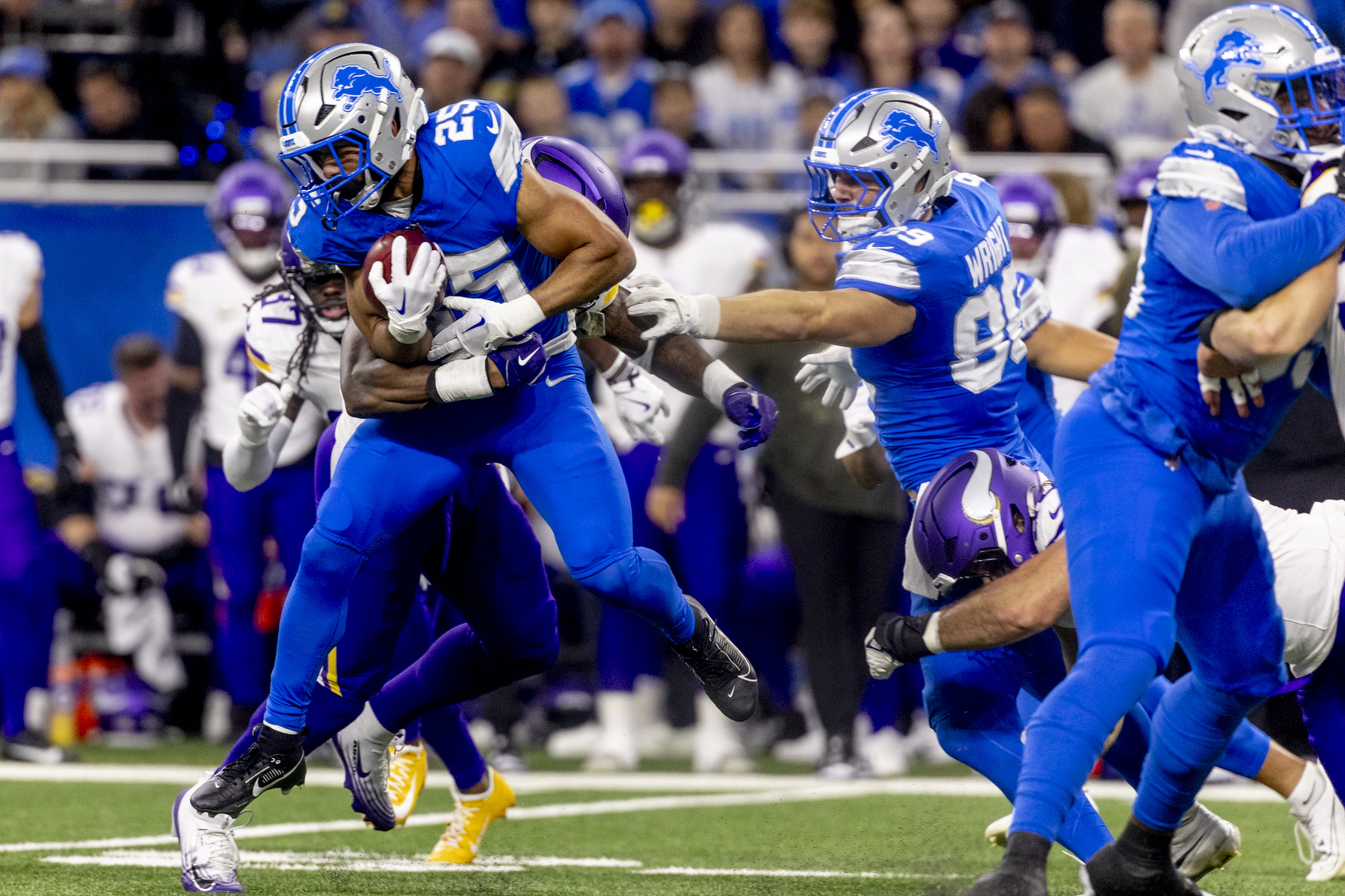
The Detroit Lions’ history spans nearly a century of professional football, defined by early dominance in the 1950s, resilient rebuilding efforts, and a modern resurgence that has captured the imagination of the NFL. From their relocation to Detroit in 1934 to their emergence as perennial contenders in the mid-2020s, the franchise has accumulated a storied collection of legendary performances, iconic personnel, and institutional transformations.
The Foundation and Early Dominance (1934–1959)
The franchise began its journey in Detroit in 1934 after George A. Richards purchased the Portsmouth Spartans and moved them to the Motor City. Renaming the team the "Lions" to signify the strength of the city, the organization quickly integrated into the NFL landscape.
The 1950s served as the golden era for the franchise. Under the leadership of Hall of Fame quarterback Bobby Layne, the Lions secured NFL Championships in 1952, 1953, and 1957. These victories were not merely statistical accomplishments; they represented a brand of physical, blue-collar football that became synonymous with the city's identity. The 1957 championship game, a dominant 59-14 victory over the Cleveland Browns, remains the crowning achievement of the team’s early history, showcasing an elite defense and a high-powered, balanced offensive attack.
Individual Brilliance and NFL Records
Beyond team trophies, the history of the Lions is paved with the contributions of generational talents who redefined their positions. Barry Sanders, a transcendent running back who played for the team from 1989 to 1998, remains the most significant individual highlight in franchise history. His 1997 season, in which he eclipsed the 2,000-yard rushing mark and earned NFL MVP honors, stands as one of the greatest feats in league history.
Calvin Johnson, known as "Megatron," provided another layer of excellence during his tenure from 2007 to 2015. Johnson’s 2012 season, where he set the NFL record for receiving yards in a single year (1,964 yards), solidified his status as one of the most unstoppable forces the league has ever seen. These milestones reflect the organization’s ability to attract and develop elite skill-position talent, even during seasons where team success remained elusive.
Tactical Shifts and Institutional Milestones
The team’s evolution is also marked by significant institutional milestones, including venue changes and front-office pivots. The move from Tiger Stadium to the Pontiac Silverdome in 1975 ushered in a modern era of comfort and scale, while the opening of Ford Field in 2002 brought the team back to the heart of downtown Detroit. This relocation to a state-of-the-art facility catalyzed the development of the franchise’s professional infrastructure.
In the 2020s, the arrival of Head Coach Dan Campbell and General Manager Brad Holmes initiated a cultural shift. By prioritizing "grit" and long-term roster construction, the organization achieved its first division title in the NFC North era during the 2023 season. This period represents a critical juncture, moving the team from a cycle of rebuilding to a phase of consistent, high-level competition.
Key Moments in Lions Franchise History
| Milestone Category | Specific Event | Historical Impact |
|---|---|---|
| Championship | 1952 NFL Title | Established franchise as a powerhouse. |
| Record | 1997 Barry Sanders | First player to reach 2,000 rushing yards in a season. |
| Record | 2012 Calvin Johnson | Set all-time single-season receiving yard record. |
| Facility | 2002 Ford Field Opening | Returned professional football to downtown Detroit. |
| Leadership | 2021 Coaching Change | Instigated a culture shift focused on "grit." |
| Divisional | 2023 NFC North Title | Ended a 30-year divisional drought. |
The "Grit" Era: 2026 and Beyond
As of 2026, the Detroit Lions maintain a status as a legitimate NFC contender. The focus has transitioned from simply seeking respectability to managing the expectations of a championship-caliber roster. This era is defined by deep scouting, internal player development, and a coaching staff that emphasizes aggressive play-calling and accountability.
The 2026 campaign represents the result of years of draft-capital investment and smart salary-cap management. The roster features a blend of veteran leadership and explosive youth, mirroring the team's historical emphasis on high-impact skill players while balancing the toughness required to succeed in the trenches. The collective fan base, often characterized by its patience and unwavering loyalty, has seen this patience rewarded through consistent postseason appearances and a sustained competitive window.
Common Questions Regarding Lions History
What was the most successful period for the Detroit Lions? The 1950s are widely considered the most successful period in team history, as the franchise captured three NFL championships within a six-year span. This era established the foundational culture of the team.
Who holds the most records for the Lions? Barry Sanders holds the majority of the team's significant offensive records, including career rushing yards and career touchdowns, while Calvin Johnson holds the receiving records.
Why is the 2023 season considered a major milestone? The 2023 season marked the franchise's first NFC North title. It served as the culmination of the "rebuild" strategy initiated in 2021 and signaled that the team had become a perennial force in the division.
What is the significance of the "Grit" mantra? "Grit" represents the philosophical foundation of the current regime. It focuses on mental toughness, overcoming adversity, and a physical style of play that reflects the blue-collar history of the city of Detroit.
How does the current 2026 roster compare to historical teams? The current team is noted for its unprecedented depth. Unlike past iterations that relied heavily on one or two star players, the 2026 roster is constructed to be resilient against injuries, with high-quality contributors across the offensive and defensive lines.
Strategic Recommendations for Fans
For those looking to deepen their understanding of Lions history, it is recommended to review the official game logs from the 1957 championship, the 1997 MVP campaign, and the documentary-style archives of the 2023 divisional championship run. These resources provide the best evidence of how the team’s identity has evolved from a historical powerhouse to a modern contender. The ongoing evolution of the roster through the 2026 season reinforces the necessity of observing games with a focus on both situational play-calling and the physical intensity that defines the current team culture.