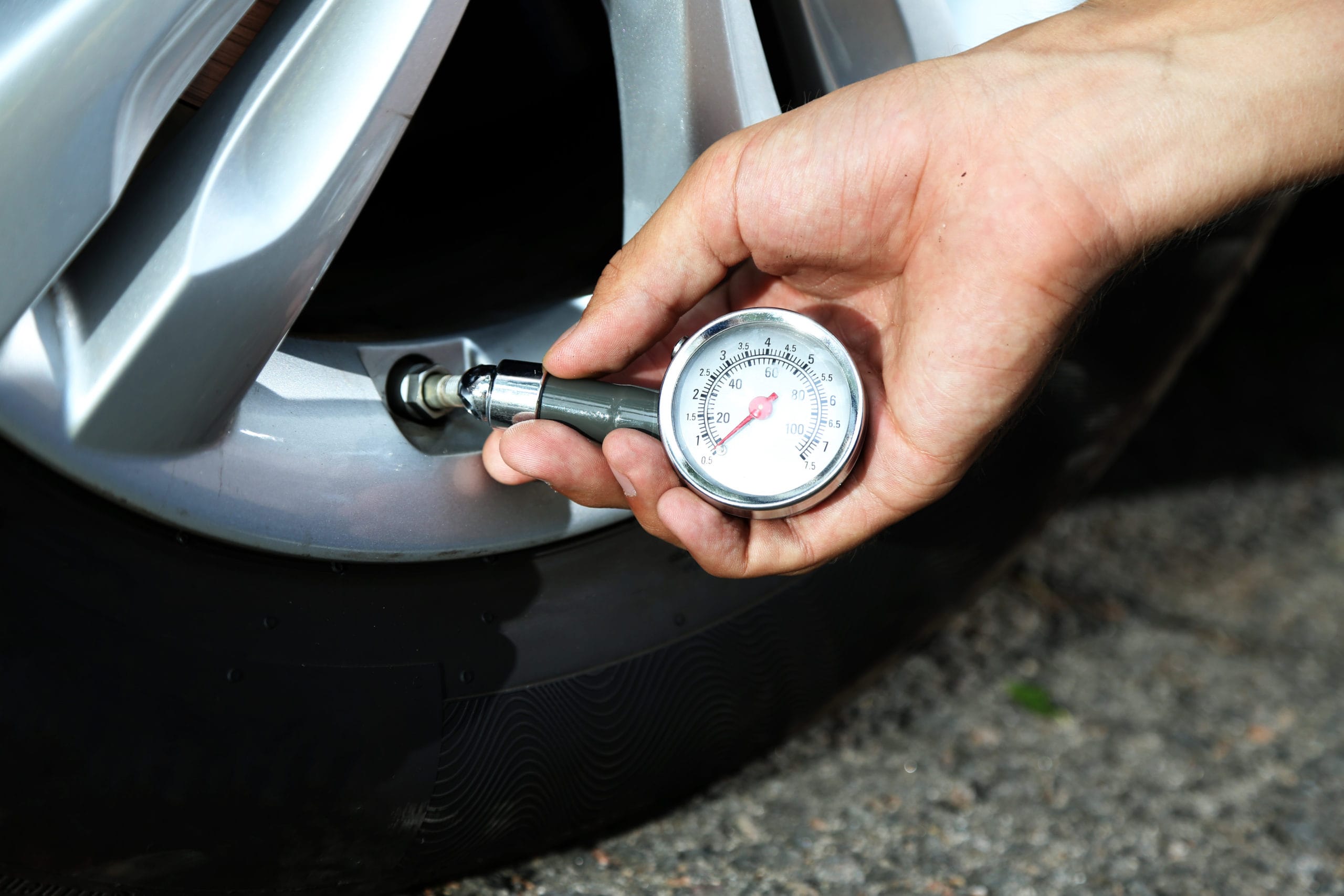
To reset the tire pressure monitoring system (TPMS) on a Mazda CX-5, ensure all tires are inflated to the recommended PSI listed on the driver’s side door jamb. For older models (2013–2017), press and hold the TPMS button on the dash. For newer models (2018–2026), the system typically resets automatically after driving for several minutes at speeds above 16 mph.
Understanding the Mazda CX-5 Tire Pressure Monitoring System
The Tire Pressure Monitoring System (TPMS) is a critical safety feature designed to alert the driver when one or more tires are significantly under-inflated. In the Mazda CX-5, the technology used to monitor this pressure has evolved over several generations. Understanding which system your vehicle uses is the first step toward a successful reset.
Early models of the CX-5 (roughly 2013 through 2017) often utilized an indirect TPMS. This system does not have actual pressure sensors inside the tires. Instead, it uses the vehicle's Anti-lock Braking System (ABS) wheel speed sensors to monitor the rotational speed of each wheel. If a tire loses air, its diameter decreases slightly, causing it to spin at a different speed than the others. The computer detects this discrepancy and triggers the warning light.
Starting with the 2018 model year and continuing through the 2026 models, Mazda transitioned more broadly toward a direct TPMS. This version uses physical pressure sensors mounted inside each wheel, usually integrated with the tire valve stem. These sensors transmit real-time pressure data to the car's computer. While more accurate, these systems sometimes require a different approach to resetting or "relearning" the sensor positions after a tire rotation or replacement.
The Essential Pre-Reset Checklist
Before attempting to clear the warning light, you must address the underlying cause. Simply resetting the light without checking the air pressure is a safety hazard that can lead to poor fuel economy, uneven tire wear, or a dangerous blowout.
1. Identify the Recommended PSI
Every Mazda CX-5 has a "Tire and Loading Information" placard located on the driver’s side B-pillar (the frame visible when you open the driver’s door). This sticker lists the precise cold tire inflation pressure recommended by Mazda for your specific trim and tire size. Do not use the "Max Pressure" listed on the tire sidewall; that is the maximum the tire can hold, not the optimal pressure for your vehicle’s handling and safety.
2. Measure When Cold
Tire pressure should always be checked when the tires are "cold." This means the car has been parked for at least three hours or has been driven less than one mile. Driving generates heat, which causes the air inside the tire to expand and results in a higher (and inaccurate) pressure reading. In 2026, most digital gauges provide highly accurate readings, but a standard pencil-style or dial gauge remains perfectly functional.
3. Inspect for Damage
If the TPMS light illuminates shortly after you have filled your tires, you likely have a slow leak. Inspect the tread for nails or screws and check the sidewalls for bulges or cuts. If you find a puncture, the tire must be repaired or replaced before the TPMS system will remain stable.
Method 1: The Manual Button Reset (2013–2017 Models)
For first-generation CX-5 owners and some early second-generation models, a physical button is the primary tool for recalibrating the indirect TPMS.
- Park the Vehicle: Ensure the car is on a level surface and the parking brake is engaged.
- Set the Ignition: Switch the ignition to the "ON" position without starting the engine (press the Start/Stop button twice without touching the brake pedal).
- Locate the Button: Look to the left of the steering wheel on the lower dashboard panel. You will see a button featuring the TPMS icon (a horseshoe shape with an exclamation point).
- Press and Hold: Press and hold the TPMS "SET" button. You must hold it until the TPMS warning light on the instrument cluster flashes twice and a beep sounds.
- Calibration Drive: The system now enters a learning phase. It will need to be driven for approximately 20 minutes under varying speeds to fully recalibrate the ABS sensors to the new tire diameters.
Common Mistake: Many drivers press the button once and release it. The system requires a sustained hold (usually 2 to 5 seconds) to register the reset command.
Method 2: The Automatic/Drive Reset (2018–2026 Models)
Most modern Mazda CX-5 vehicles, including the latest 2026 iterations, have moved away from manual reset buttons. These vehicles use a more automated process that relies on the vehicle’s ability to recognize updated sensor data while in motion.
- Inflate to Spec: Adjust all four tires to the pressure specified on the door placard. Even a 2-3 PSI difference can sometimes prevent the light from clearing.
- The "Wake Up" Period: Once the tires are inflated, the sensors need to transmit their new data.
- Drive the Vehicle: Drive the car at a steady speed. Generally, the system requires the vehicle to travel at speeds above 16 mph (25 km/h) for about 10 to 15 minutes.
- Verification: During this drive, the computer receives signals from the sensors, recognizes the pressure is within the acceptable range, and automatically extinguishes the warning light.
In these newer models, if the light remains on after 20 minutes of driving, it usually indicates that one of the sensors is not communicating or that the pressure has already dropped back below the threshold.
Method 3: Using the Mazda Connect Infotainment System
In some specific trim levels and model years, particularly those with the updated Mazda Connect interface, you can find tire pressure status and maintenance reset options within the center display.
- Access the Menu: Using the Commander switch (the dial on the center console), navigate to the Information tab on the screen.
- Vehicle Status Monitor: Select "Vehicle Status Monitor."
- Maintenance/Tire Pressure: Depending on your software version, you may see a "Tire Pressure Monitoring System" or "Maintenance" sub-menu.
- Reset/Update: If your vehicle supports a manual trigger through the screen, there will be an option to "Set" or "Reset" the pressure.
Note: In the most recent 2024–2026 models, this screen is often used more for monitoring individual tire pressures rather than triggering a reset, as the automatic drive-reset method is the primary protocol.
Mazda CX-5 Tire Pressure Reference Table
The following table outlines the general requirements for the Mazda CX-5 across various production years. Always refer to your specific owner's manual for confirmation.
| Model Year Range | TPMS Type | Primary Reset Method | Recommended Cold PSI (Typical) |
|---|---|---|---|
| 2013 – 2016 | Indirect (ABS) | Physical Dash Button (Hold) | 34 - 36 PSI |
| 2017 – 2019 | Mixed (Late '17 transition) | Button or Automatic Drive | 35 PSI |
| 2020 – 2023 | Direct (Sensors) | Automatic Drive (16+ mph) | 35 - 36 PSI |
| 2024 – 2026 | Direct (Sensors) | Automatic Drive / Infotainment | 35 - 36 PSI |
Note: Recommended PSI can vary based on wheel size (e.g., 17-inch vs. 19-inch wheels). Always check the door jamb sticker for the definitive value for your specific vehicle configuration.
Troubleshooting Persistent TPMS Lights
If you have followed the steps above and the tire pressure light remains illuminated or flashes, there may be a deeper technical issue.
The Flashing Light vs. Solid Light
- Solid Light: This typically means "Low Pressure." One or more tires are below the safety threshold (usually 25% below the recommended PSI). Inflating the tires and driving should solve this.
- Flashing Light: If the light flashes for about one minute when you start the car and then remains solid, this indicates a system malfunction. This usually means a sensor has a dead battery, is broken, or the vehicle has lost communication with the sensors.
Seasonal Temperature Fluctuations
In many regions, the first cold snap of autumn triggers thousands of TPMS lights. This is due to the physics of air: for every 10-degree Fahrenheit drop in temperature, tire pressure drops by approximately 1 PSI. If your tires were already on the lower edge of the "acceptable" range, a cold morning will pull them below the threshold. Do not simply reset the light in this case; you must add air to compensate for the denser, colder air.
Sensor Battery Life
Direct TPMS sensors are powered by small internal batteries that are not replaceable. These batteries generally last between 5 to 10 years. For owners of older second-generation CX-5s (2018–2019), we are entering the window where sensor batteries may begin to fail. When a battery dies, the entire sensor must be replaced.
Interference from Electronics
On rare occasions, aftermarket electronic devices (like certain dash cams or cheap USB chargers) can emit radio frequency interference that blocks the 315MHz or 433MHz signal from the tire sensors to the car’s receiver. If you are experiencing intermittent TPMS errors, try unplugging aftermarket accessories to see if the issue resolves.
Why You Should Never Ignore the TPMS Light
While it may be tempting to view the TPMS light as a nuisance, especially in the 2026 driving environment where vehicles are more complex than ever, it serves a vital purpose.
- Fuel Efficiency: Under-inflated tires increase rolling resistance, which forces the engine to work harder. This can decrease your MPG significantly over time.
- Tire Longevity: Low pressure causes the tire sidewalls to flex excessively, generating heat and causing the edges of the tread to wear down prematurely. This can cut the life of a set of tires by thousands of miles.
- Braking and Handling: Proper inflation is necessary for the tire's contact patch to remain optimal. Under-inflation can increase braking distances and make the vehicle less responsive during emergency maneuvers.
Frequently Asked Questions
1. Can I reset the TPMS light without a tool?
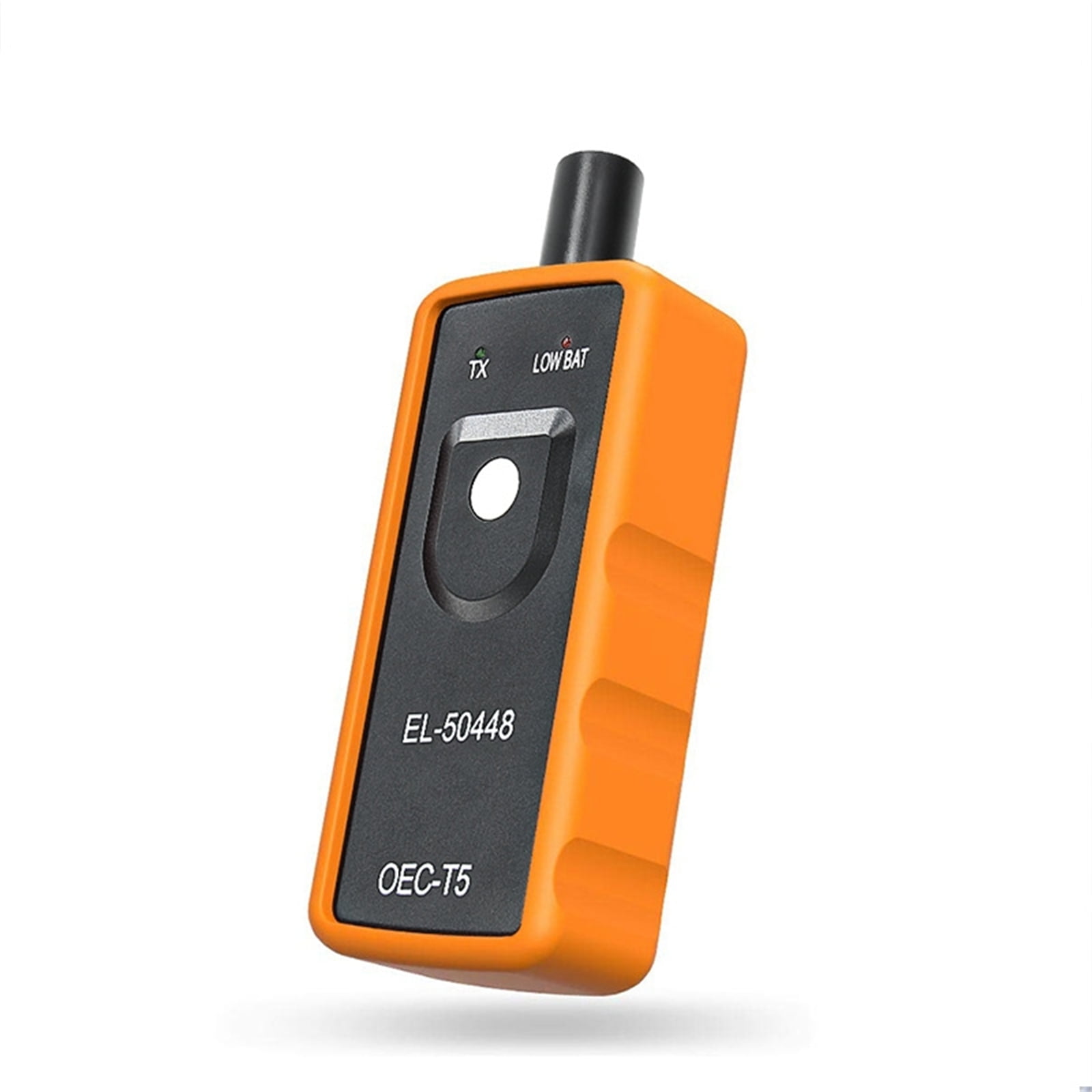
Yes. Unlike some European luxury brands that may require an OBD-II scan tool to "register" new sensors, the Mazda CX-5 is designed to be user-friendly. You can reset it using the physical button (older models) or by simply driving the car (newer models). Only when a sensor is physically replaced might a technician need to use a TPMS programming tool to sync the new sensor's ID to the vehicle's computer.
2. Does the spare tire have a sensor?
In the Mazda CX-5, the "donut" or temporary spare tire typically does not have a TPMS sensor. If you are forced to use the spare tire, the TPMS light will remain on until the original full-size wheel is repaired, reinstalled, and driven.
3. Why did the light come back on after I filled the tires?
This is usually due to one of three things: a slow leak (nail in the tire), the tires were not filled to the correct PSI (filling to 30 when 35 is required), or the system hasn't finished its "learning" drive. Ensure you check the pressure with a reliable gauge rather than relying on the gas station air pump's built-in gauge, which is often inaccurate.
4. What is the difference between the "TPMS Set" button and the infotainment menu?
The physical "SET" button is found on vehicles with indirect systems (ABS-based). It tells the computer, "The current wheel speeds are the new baseline for full tires." The infotainment menu in newer models is largely for viewing data, though it sometimes houses a "maintenance reset" that is separate from the actual pressure monitoring.
5. Can I use nitrogen instead of air to stop the light from coming on?
Nitrogen is less susceptible to pressure changes caused by temperature fluctuations because it is a "dry" gas. While it can help stabilize the PSI in extreme climates, it is not a requirement for the CX-5. Regular compressed air is roughly 78% nitrogen anyway. If you use nitrogen, ensure you continue to top it off with nitrogen to maintain the benefit.
Final Recommendation
For the best results, keep a high-quality digital tire pressure gauge in your glove box. Check your CX-5's tire pressure once a month and whenever the temperature drops significantly. If the light comes on, inflate all tires to 35 PSI (or the specific number on your door jamb), then drive for 10 minutes. If the light remains on or flashes, visit a certified technician to check for sensor battery failure or a hidden puncture. Proper tire maintenance is the simplest way to ensure your Mazda CX-5 continues to deliver its signature "Zoom-Zoom" handling and safety well into 2026 and beyond.