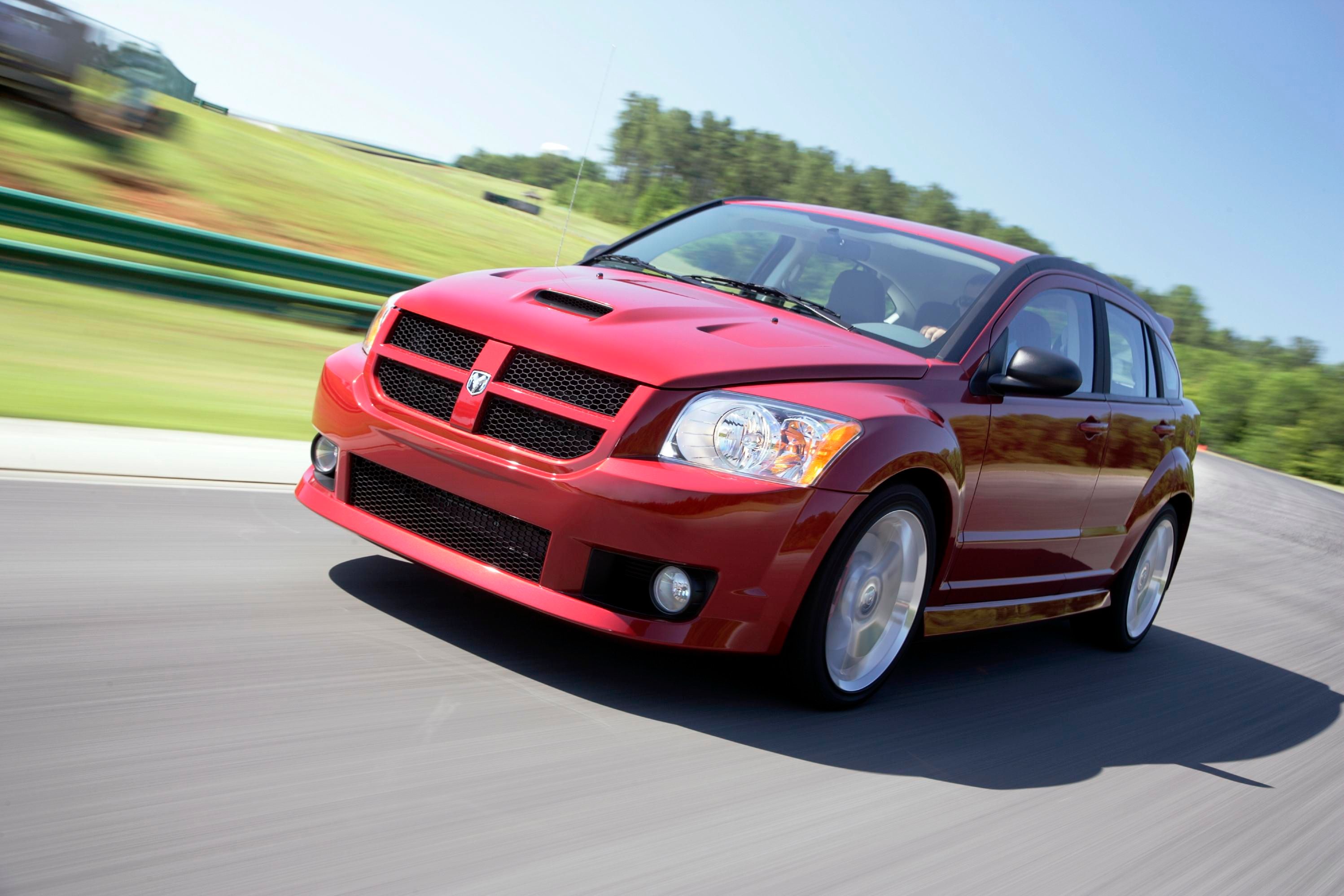
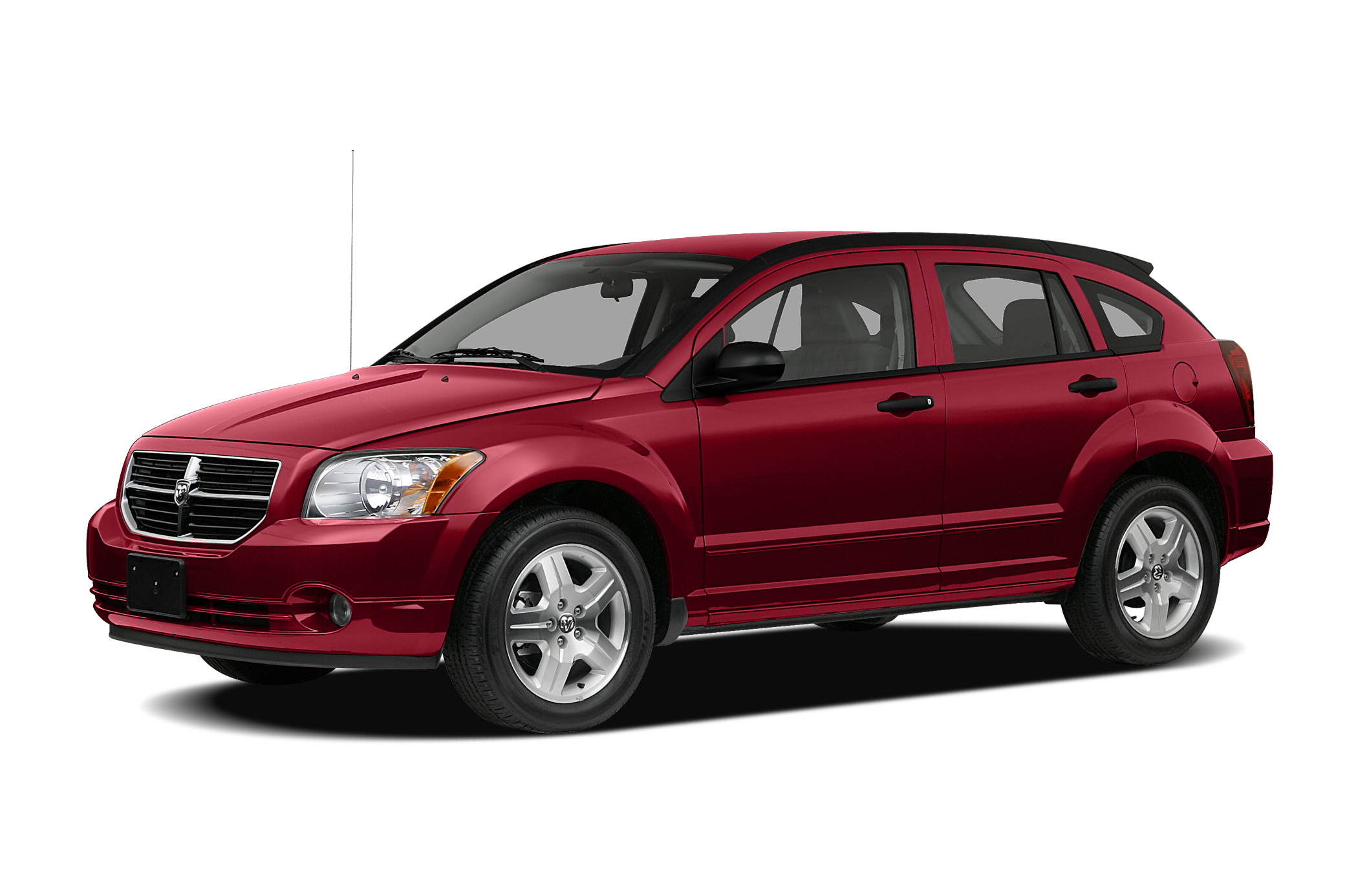
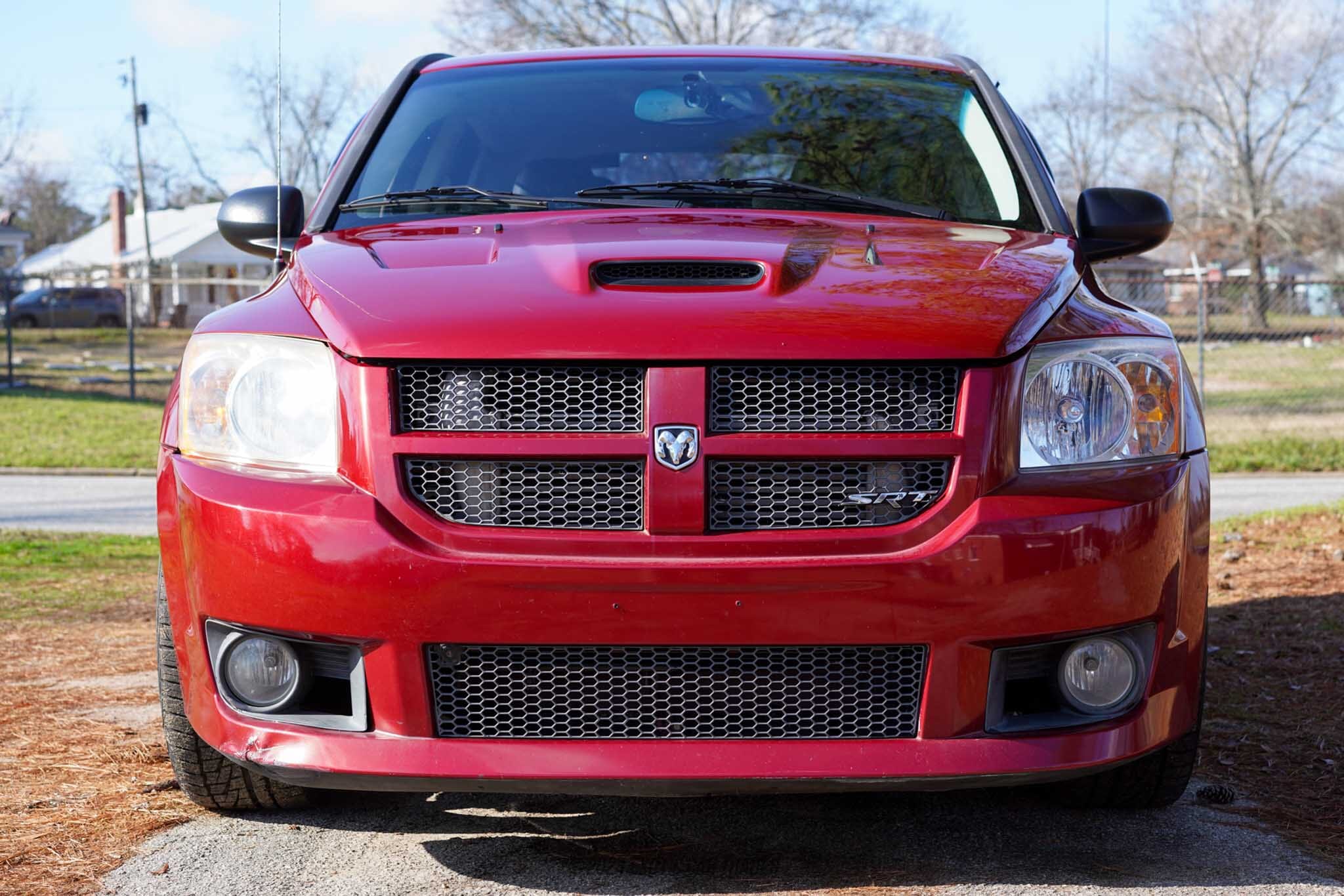
The 2008 Dodge Caliber SRT-4 achieves a official 0–60 mph acceleration time of approximately 5.9 seconds, driven by a turbocharged 2.4-liter inline-four engine producing 285 horsepower and 265 lb-ft of torque. Despite its impressive power-to-weight ratio, front-wheel-drive traction limitations, electronic torque management in lower gears, and wheel hop prevent faster off-the-line sprint times without aftermarket modifications.
Technical Overview: The Power Plant Behind the SRT-4
When Street & Racing Technology (SRT) set out to replace the iconic Neon SRT-4, they shifted platforms from a compact sedan to the taller five-door hatchback body of the Dodge Caliber. Under the hood sat a heavily re-engineered version of the Global Engine Manufacturing Alliance (GEMA) 2.4-liter World Engine.
Co-developed through a joint venture between Chrysler, Mitsubishi, and Hyundai, the engine received extensive internal upgrades from Dodge’s performance division to withstand high boost levels.
| 2008 Dodge Caliber SRT-4 Engine Specs | Detail |
|---|---|
| Displacement | 2.4 Liters (2,359 cc / 144 cu in) |
| Engine Configuration | Inline 4-cylinder, DOHC, 16 Valves |
| Forced Induction | Mitsubishi TD04HL4S-04H*9T-8.5 Turbocharger |
| Peak Horsepower | 285 hp @ 5,700–6,000 RPM |
| Peak Torque | 265 lb-ft @ 2,000–5,600 RPM |
| Compression Ratio | 8.6:1 |
| Redline | 6,500 RPM |
Internal Engine Upgrades
To ensure durability at a factory peak boost pressure of up to 12 psi (0.83 bar), SRT engineers implemented structural enhancements to the aluminum block and rotating assembly:
- Forged Steel Crankshaft and Connecting Rods: Designed to handle higher cylinder pressures than the naturally aspirated base engine.
- Cast Aluminum Pistons: Outfitted with high-strength ring lands and cooled by under-piston oil squirters to maintain crown temperatures.
- Unique Cylinder Head Cylinder Geometry: Dual Variable Valve Timing (VVT) on both intake and exhaust cams permitted optimized gas exchange across a wide RPM band.
- Integrated Exhaust Manifold Turbocharger Unit: The Mitsubishi TD04 turbocharger was cast directly into the exhaust manifold assembly to reduce thermal mass, decrease spool times, and improve packaging efficiency under the sloped hood.
Transmission and Drivetrain Configuration
Power was delivered to the front wheels via a Getrag DMT6 six-speed manual transmission. This dual-lay shaft unit provided tight ratio steps designed to keep the turbo spooling within peak power bands.
However, unlike its predecessor (the 2004–2005 Neon SRT-4, which utilized a mechanical Quaife helical limited-slip differential), early production runs of the 2008 Caliber SRT-4 relied on an open differential managed by Dodge's Brake Lock Differential (BLD) system.
BLD used individual front ABS brake pulses to drag a spinning wheel, theoretically transferring torque to the wheel with traction. In practice, this electronic intervention created distinct dynamics during hard launches.
Deciphering the 5.9-Second 0–60 Time: Launch Dynamics and Limitations
On paper, 285 horsepower in a 3,189-pound hatchback should yield a 0–60 mph sprint well under 5.5 seconds. Period magazine tests conducted by automotive publications yielded times ranging between 5.7 and 6.2 seconds, with 5.9 seconds representing the accepted average for factory-stock vehicles on street tires.
Understanding why the vehicle hits a ceiling at 5.9 seconds requires analyzing the physical and electronic bottlenecks of the Caliber SRT-4 platform.
- Engine Output: 285 hp / 265 lb-ft
- ECU Gear-Dependent Torque Management (Boost restricted in 1st & 2nd gear)
- Front-Wheel Drive Transaxle (Open Differential + Electronic BLD)
- Dynamic Launch Factors:
- Traction Loss (Wheelspin & Wheel Hop)
- Weight Transfer (Pitch backward reduces FWD grip)
- Result: ~5.9 Second 0–60 MPH Launch
1. Front-Wheel Drive Dynamics and Weight Transfer
During rapid forward acceleration, vehicle dynamic mass shifts rearward. In a front-wheel-drive architecture like the Caliber, this rearward weight transfer unloads the front steer/drive axle, severely diminishing the tire contact patch's coefficient of friction. Pushing 285 horsepower through the front Goodyear Eagle F1 Supercar tires (225/45R19) overwhelmed available mechanical grip at low speeds.
2. Gear-Dependent Torque Management (Boost Limiting)
To prevent constant tire destruction, transmission damage, and excessive torque steer, SRT engineers programmed the Engine Control Module (ECM) to restrict boost in lower gears.
- First Gear: Boost was limited significantly, reducing peak torque output to approximately 200 lb-ft or lower depending on ambient temperatures and traction control settings.
- Second Gear: Partial boost pressure was restored, but full 12 psi manifold pressure was generally withheld until third gear.
Consequently, the full 285 horsepower was rarely accessible under 45–50 mph during a zero-rpm standing start, directly inflating the 0–60 mph interval.
3. Suspension Geometry and Wheel Hop
The Caliber SRT-4 utilized soft engine and transmission mounts combined with a high center of gravity relative to standard sports cars. Under hard launches, the engine assembly pitched on its mounts, causing the front lower control arms and driveshafts to oscillate rapidly under dynamic strain.
This condition—known as wheel hop—forced drivers to modulate the throttle or risk breaking axle shafts and engine mounts, further sacrificing early acceleration times.
2008 Caliber SRT-4 Benchmark Comparisons
To understand where the 5.9-second 0–60 time placed the Caliber SRT-4 in the performance compact hierarchy, it must be evaluated against its primary era rivals.
| Vehicle Model | Engine / Drivetrain | Horsepower / Torque | Curb Weight | 0–60 mph (sec) | 1/4 Mile Time / Trap Speed |
|---|---|---|---|---|---|
| 2008 Dodge Caliber SRT-4 | 2.4L Turbo I4 / FWD | 285 hp / 265 lb-ft | 3,189 lbs | 5.9 | 14.2 s @ 103 mph |
| 2008 Chevrolet Cobalt SS Turbo | 2.0L Turbo I4 / FWD | 260 hp / 260 lb-ft | 2,975 lbs | 5.5 | 13.9 s @ 103 mph |
| 2007–2009 Mazdaspeed3 | 2.3L Turbo I4 / FWD | 263 hp / 280 lb-ft | 3,150 lbs | 5.4 | 14.0 s @ 101 mph |
| 2008 Subaru Impreza WRX | 2.5L Turbo Flat-4 / AWD | 224 hp / 226 lb-ft | 3,190 lbs | 5.8 | 14.3 s @ 95 mph |
| 2008 Volkswagen GTI (MK5) | 2.0L Turbo I4 / FWD | 200 hp / 207 lb-ft | 3,160 lbs | 6.7 | 15.1 s @ 93 mph |
Trap Speed vs. 0–60 Time Analysis
A critical takeaway from testing data is the distinction between 0–60 acceleration and quarter-mile trap speeds. While cars like the Mazdaspeed3 and Cobalt SS achieved quicker 0–60 times due to superior mechanical traction aids (like factory mechanical LSDs) and lower centers of gravity, the Caliber SRT-4 pulled hard in 3rd and 4th gear.
Its 103+ mph quarter-mile trap speed demonstrates that once rolling traction was established above 50 mph, the 2.4L World Engine delivered acceleration competitive with higher-priced sports sedans.
Chassis, Suspension, and Braking Systems
Dodge engineers did not restrict upgrades solely to the powertrain. To handle higher speeds, the SRT division modified the Caliber chassis with heavy-duty components.
- Front Brakes: 13.4-inch Vented Rotors, Twin-Piston Aluminum Floating Calipers
- Rear Brakes: 11.9-inch Solid Rotors, Single-Piston Sliding Calipers
- Overall Braking: 60-0 mph in ~120 feet
Brake Architecture
- Front: Massive 13.4-inch (340 mm) vented discs clamped by dual-piston aluminum calipers sourced from the larger Chrysler 300C SRT8 parts bin.
- Rear: 11.9-inch (302 mm) solid discs with single-piston calipers.
- Performance: The setup pulled the vehicle down from 60 to 0 mph in approximately 120 feet, showing minimal fade during repeated road-course duty cycles.
Suspension and Steering Tuning
The SRT-4 variant sat 28 mm lower in the front and 22 mm lower in the rear than the standard Caliber. Spring rates were stiffened considerably (up to 30% up front and 20% in the rear), backed by specially valved ZF Sachs twin-tube dampers.
A unique 24 mm front solid anti-roll bar and 15 mm rear anti-roll bar helped mitigate the tall body's natural tendency to roll in corners. Steering was converted to a performance-tuned rack-and-pinion setup offering direct hydraulic road feel compared to base models.
Real-World Driving Dynamics: The FWD Tuning Challenge
Driving a stock 2008 Caliber SRT-4 hard required distinct car control techniques to work around its platform constraints.
Managing Torque Steer
With 265 lb-ft of torque fed into equal-length half-shafts, torque steer was an ever-present force under hard acceleration. When boost kicked in mid-corner or during a straight-line pull, the steering wheel fought the driver's grip. Drivers had to maintain a firm, two-handed grip on the wheel when transitioning into high-boost RPM zones.
- Dynamic Corner Entry
- Smooth Throttle Application
- Power Delivery Dynamics:
- Open Diff/BLD Drag (ABS applies brake to inner wheel)
- Mechanical Spin (Traction lost without LSD)
- Driver Action: Modulate Throttle to Apex
Cornering Balance
Understeer was the dominant handling trait at the limit. Because of the heavy nose bias (roughly 60/40 front-to-rear weight distribution) and tall roofline, entry speeds into tight technical corners had to be managed carefully. However, trailing-throttle oversteer could be induced slightly by lift-off techniques to help rotate the rear end into mid-speed sweepers.
Modifying the Caliber SRT-4: Unlocking Sub-5.5-Second 0–60 Times
For owners and performance enthusiasts, resolving the factory constraints of the Caliber SRT-4 platform is straightforward. The 2.4L engine block possesses strong tuning potential, easily yielding over 320 wheel-horsepower with minor bolt-on alterations.
| Upgrade Category | Key Modification | Primary Benefit |
|---|---|---|
| Traction | Firm Urethane Engine Mount Inserts | Eliminates wheel hop |
| Drivetrain | Helical Mechanical LSD Install | Balances wheel torque |
| ECM Calibration | Flash Tune / Boost Controller | Removes boost limit |
| Airflow | 3-inch Downpipe & Intake Kit | Lowers EGTs & backpress |
| Suspension | Adjustable Lowering Coilovers | Lowers center gravity |
1. Eliminating Wheel Hop
Replacing the soft stock lower engine motor mounts (or installing solid polyurethane torque strut inserts) is the most effective first modification for the platform. By restricting engine rocking under load, traction improves immediately, allowing smoother torque transfer to the pavement and cutting 0–60 times by tenths of a second.
2. Installing a Mechanical Limited-Slip Differential (LSD)
Retrofitting the Getrag DMT6 gearbox with an aftermarket helical LSD (such as a Quaife unit) transforms launch capability. Eliminating reliance on the electronic Brake Lock Differential ensures both front tires lay down power evenly, drastically reducing one-wheel spin and improving power delivery out of corners.
3. ECM Tuning and Boost Unlocking
Through aftermarket flash tuners, calibrators can remove factory gear-dependent torque limits in 1st and 2nd gears. When paired with upgraded high-flow downpipes, larger front-mount intercoolers, and upgraded fuel injectors, the TD04 turbocharger can safely push 18–20 psi of boost, pulling 0–60 mph times down into the 4.9 to 5.2-second range on stickier modern compound tires.
Operational Considerations and Vehicle Maintenance
For enthusiasts maintaining or acquiring a 2008 Dodge Caliber SRT-4, several platform-specific maintenance items require close attention:
- Engine Mount Deterioration: The high torque outputs degrade stock rubber engine and transmission mounts rapidly. Clunking under hard shifts or severe wheel hop indicates worn mounts.
- Front Suspension Bushings and Ball Joints: The extra weight of the 2.4L turbo engine and stiffened suspension places heavy stress on lower control arm bushings and ball joints. Inspect these components every 15,000 miles.
- Boost Leaks: The factory plastic intercooler piping and rubber couplers are prone to cracking or blowing off under increased boost pressures. Replacing them with aluminum charge pipes and silicone couplers with T-bolt clamps ensures stable manifold pressure.
- Spark Plug Gapping: The turbocharged engine is sensitive to spark plug wear. Copper or iridium plugs should be gapped to approximately 0.028 inches (0.7 mm) to prevent spark blowout under full load.
Frequently Asked Questions
Why is the 0–60 time of the 2008 Dodge Caliber SRT-4 listed as 5.9 seconds despite having 285 hp?
The 5.9-second 0–60 mph time is largely due to front-wheel-drive traction limits, weight transfer during launch, and factory software tuning. Dodge restricted engine torque and boost pressure in 1st and 2nd gears to protect transmission components and limit wheelspin, preventing the car from utilizing its full 285 horsepower from a standstill.
Did the 2008 Dodge Caliber SRT-4 come with a mechanical limited-slip differential?
No. Unlike the earlier Neon SRT-4, early 2008 Dodge Caliber SRT-4 models were equipped with an open differential paired with an electronic Brake Lock Differential (BLD) system. BLD uses the vehicle's ABS to apply braking force to a spinning wheel to shift torque to the opposite side, rather than using a mechanical locking mechanism.
What is the top speed of the 2008 Dodge Caliber SRT-4?
The 2008 Dodge Caliber SRT-4 has an electronically governed top speed of 155 mph (250 km/h). Its drag coefficient and gear ratios permit the vehicle to comfortably reach this speed on open track straightaways when unrestricted.
How does the Caliber SRT-4 compare to the older Neon SRT-4 in acceleration?
The standard Neon SRT-4 (2003–2005) achieved 0–60 mph times around 5.3 to 5.6 seconds, making it slightly quicker off the line than the stock Caliber SRT-4. This was due to the Neon's lighter curb weight (~2,900 lbs vs. ~3,200 lbs), lower center of gravity, and the inclusion of a factory mechanical Quaife LSD in 2004–2005 models.
Can simple mods make the Caliber SRT-4 faster from 0 to 60 mph?
Yes. Installing firm aftermarket engine mount inserts eliminates wheel hop, while an ECM flash tune removes factory 1st and 2nd-gear boost restrictions. Combined with modern performance tires, these modifications can drop 0–60 mph times well below 5.5 seconds.
Practical Buying and Ownership Recommendation
The 2008 Dodge Caliber SRT-4 offers a unique combination of high-boost hatchback utility and mid-range passing power. While its 5.9-second 0–60 mph benchmark shows the traction challenges of putting 285 horsepower through an unassisted front axle, its roll-on performance above 40 mph remains strong.
If you are considering buying or tuning one, prioritize inspecting lower control arm bushings, engine mount integrity, and evidence of boost leaks. Upgrading to stiffer engine mounts, fitting high-traction tires, and adding a mechanical limited-slip differential will address its launch limits and unlock the chassis's full potential.