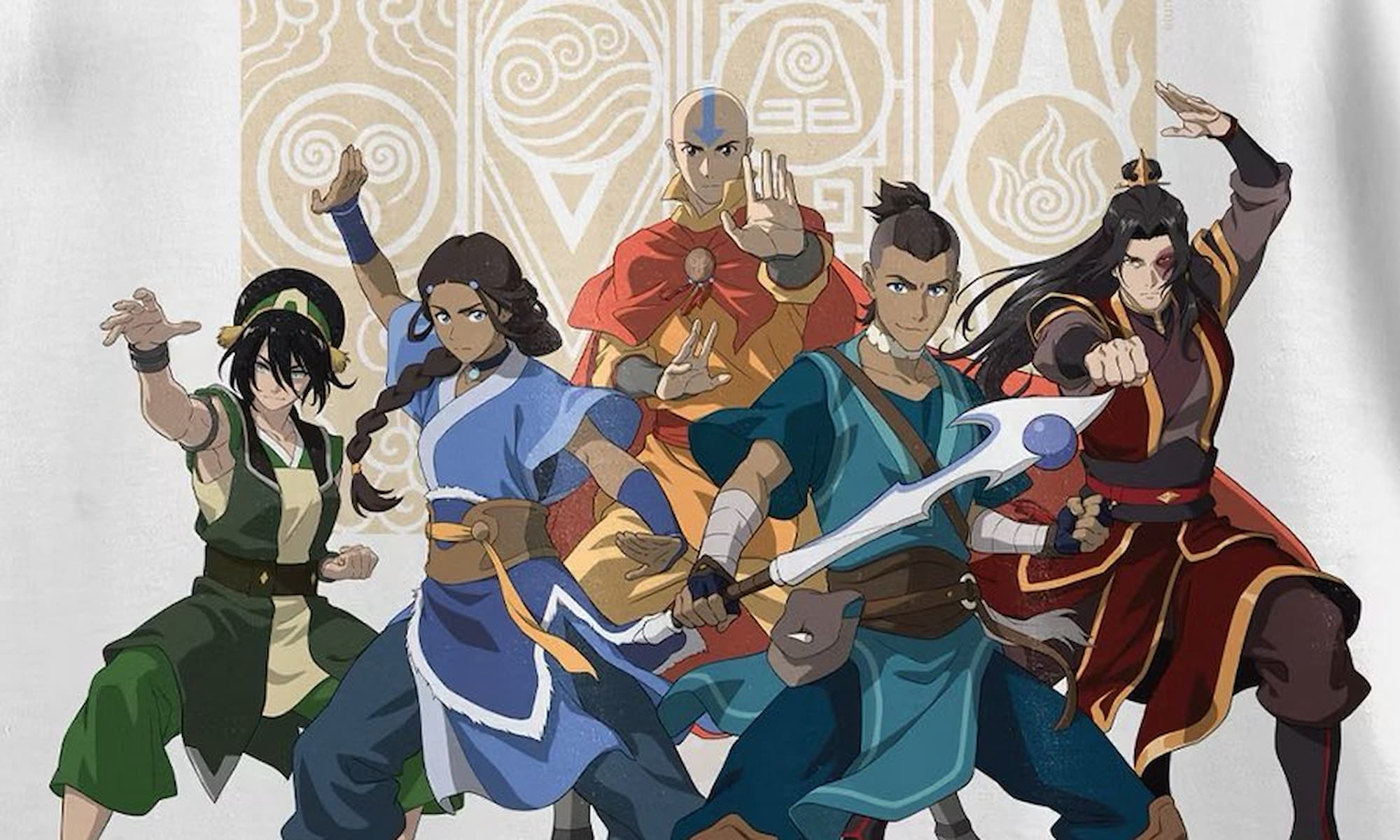
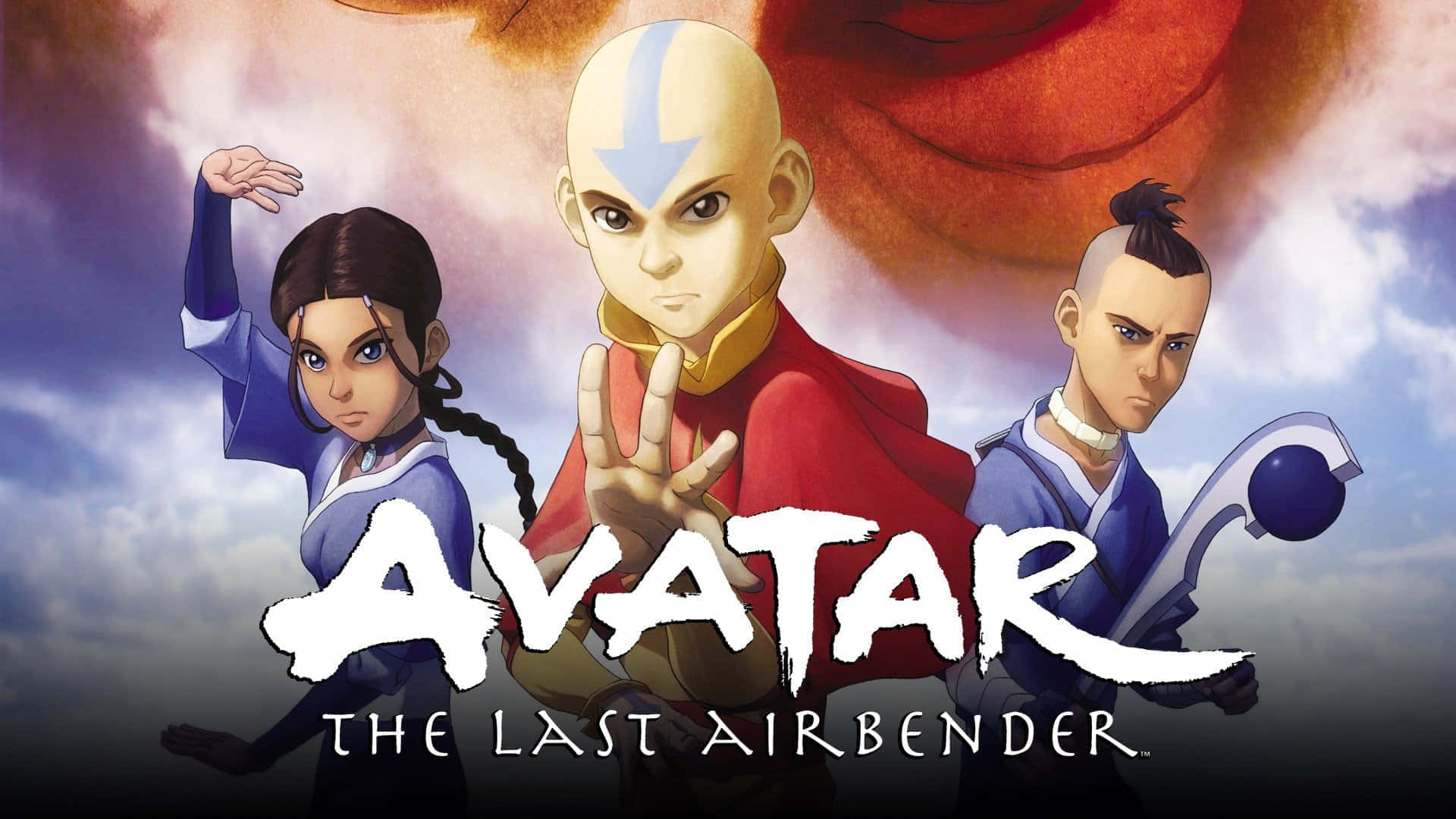
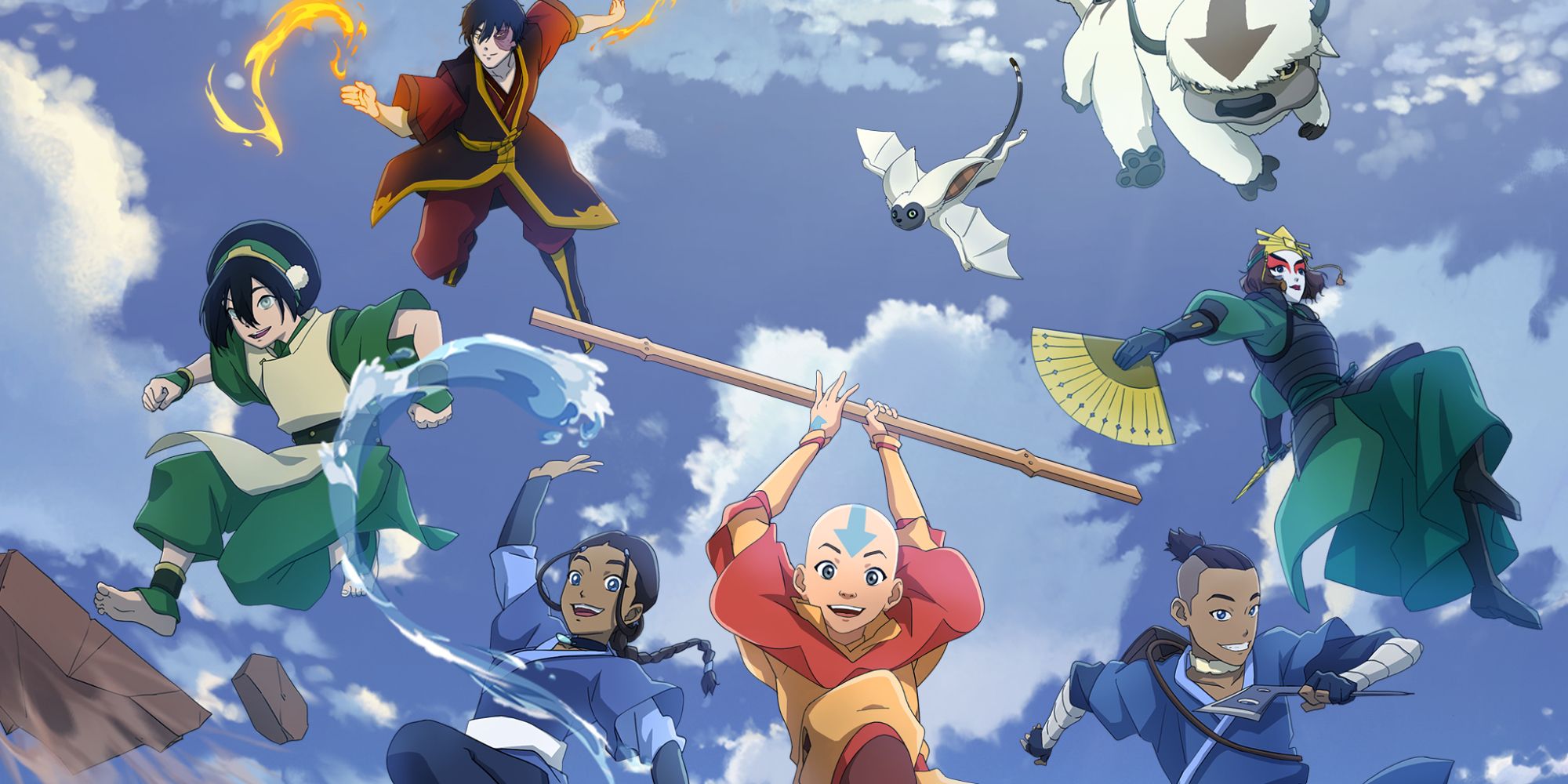
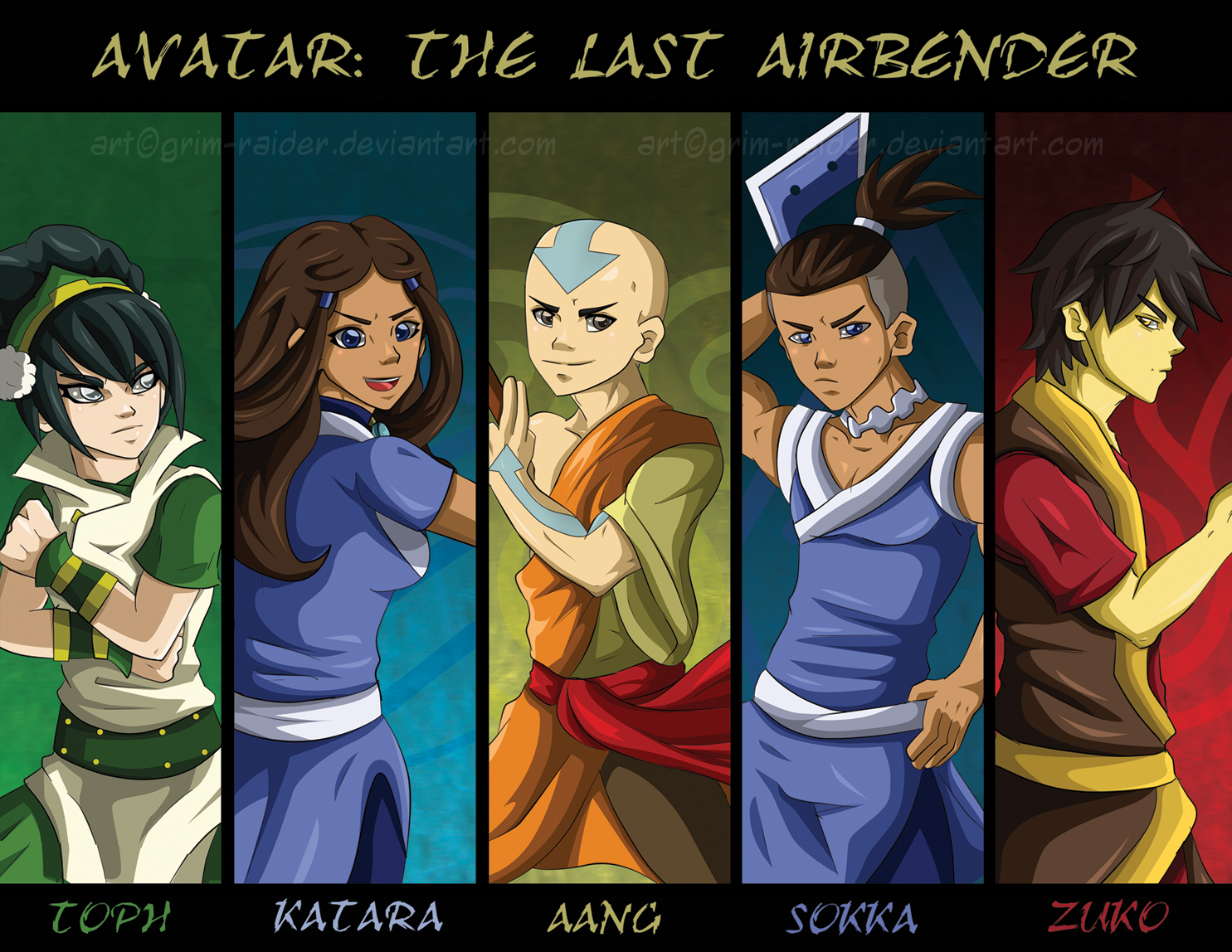
The four main characters who drive the narrative of Avatar: The Last Airbender are Aang, Katara, Sokka, and Prince Zuko. While the core group eventually expands to include others like Toph Beifong, these four individuals represent the foundational emotional and structural pillars of the series, tracing the journey from the Fire Nation’s invasion to the restoration of global balance.
In the landscape of 2026, Avatar: The Last Airbender (ATLA) remains a masterclass in serialized storytelling. Decades after its original debut on Nickelodeon, the series continues to captivate audiences through its deep character development, complex themes of war and colonization, and its unique blending of Eastern philosophies with high-fantasy action. Understanding the "Big Four"—Aang, Katara, Sokka, and Zuko—is essential for grasping why this story resonates across generations and through various modern adaptations, including the expanded lore from Avatar Studios and the live-action iterations.
Aang: The Reluctant Savior and the Last Airbender
Aang is the titular protagonist and the emotional center of the series. As the Avatar, he is the only person capable of mastering all four elements—Air, Water, Earth, and Fire—and is tasked with maintaining peace between the four nations and the Spirit World. However, Aang’s journey begins with a profound tragedy: he was frozen in an iceberg for 100 years, during which time his entire culture, the Air Nomads, was systematically wiped out by the Fire Nation.
The complexity of Aang’s character lies in the tension between his peaceful Air Nomad upbringing and his duty as a global peacekeeper. Airbending is based on the martial art of Ba Gua Zhang, which emphasizes circular movement, evasion, and using an opponent’s energy against them. This reflects Aang’s internal philosophy; he is a pacifist who abhors violence, yet he is forced into a role that requires him to be the world's most powerful warrior. In 2026, critics still point to Aang as a rare example of a "chosen one" who actively struggles with the moral weight of his power rather than embracing it blindly.
Throughout the three seasons, Aang’s development focuses on the acceptance of loss and the mastery of the Avatar State—a defense mechanism that grants him the collective power of all his past lives. His refusal to kill the Fire Lord Ozai in the series finale, opting instead to use the ancient art of Energybending to remove Ozai’s powers, serves as the ultimate resolution of his character arc. It demonstrates that true strength lies in staying true to one's values even in the face of impossible pressure.
Katara: The Moral Compass and Waterbending Master
Katara is the only waterbender of the Southern Water Tribe at the start of the series and serves as the group’s emotional anchor. Following the death of her mother and her father’s departure for the war, Katara assumed a maternal role within her family and tribe, which often translates into her being the "mother figure" of Team Avatar. However, reducing her to this role ignores her fierce determination, her capacity for righteous anger, and her status as one of the most powerful benders in the world.
Katara’s bending style is based on Tai Chi, a martial art that focuses on the flow of energy and the harmony of movement. Her growth from a self-taught novice to a master who can challenge the best of the Fire Nation is a testament to her perseverance. Katara’s character explores themes of grief and forgiveness, most notably in the "Southern Raiders" arc, where she confronts the man who killed her mother. Unlike many fictional heroes, Katara’s choice not to forgive her mother’s killer—while still choosing not to seek revenge—is a sophisticated take on trauma and healing.
By the end of the series, Katara is not just a healer but a formidable warrior who masters the dark art of Bloodbending (though she despises it) and eventually defeats Princess Azula in the finale. Her role is vital because she provides the empathy and social cohesion necessary to keep the group together during their darkest moments.
Sokka: The Strategic Genius and the Voice of Reason
Sokka, Katara’s older brother, is the only member of the original main quartet who cannot bend an element. In a world defined by magical abilities, Sokka’s arc is defined by his struggle to find his place as a warrior and a leader. Initially presented as comic relief with a penchant for sarcasm and "meat and sarcasm," Sokka evolves into the brilliant tactical mind behind the invasion of the Fire Nation and the eventual dismantling of the Fire Lord’s airship fleet.
Sokka’s lack of bending forces him to rely on his ingenuity, engineering skills, and swordsmanship. His training under the White Lotus master Piandao is a pivotal moment, teaching him that a warrior’s greatest weapon is their mind. His signature "space sword," forged from a meteorite, symbolizes his unconventional approach to problem-solving. Sokka also serves as the bridge between the audience and the high-fantasy world of the show, often questioning the mystical elements with a healthy dose of skepticism.
His leadership is characterized by growth; he starts the series with immature, sexist views and ends it as a man who respects and learns from powerful women like the Kyoshi Warriors and Suki. Sokka’s importance to the "main four" cannot be overstated—he is the strategist who turns Aang’s raw power into effective military and political action.
Prince Zuko: The Gold Standard of Redemption Arcs
Prince Zuko is perhaps the most analyzed character in Western animation. As the exiled prince of the Fire Nation, his journey begins as the primary antagonist, obsessed with capturing the Avatar to restore his honor and win the favor of his abusive father, Fire Lord Ozai. Zuko’s internal conflict is physically represented by the scar over his left eye, a mark given to him by his father for speaking out of turn.
Zuko’s path is a parallel to Aang’s. While Aang is learning to embrace his destiny, Zuko is learning to reject the "destiny" forced upon him by his lineage. His transformation is guided by his uncle, Iroh, who teaches him that honor is something earned through one's actions, not something granted by a king. Zuko’s firebending style, initially fueled by rage and based on Northern Shaolin kung fu, eventually evolves after he learns the true nature of fire from the dragons—seeing it as life and energy rather than just destruction.
The "Zuko Alone" episode and his eventual defection to Team Avatar in the final season are considered high-water marks for television writing. His struggle with "doing the right thing" is not easy or linear; he stumbles, betrays those he loves, and has to work tirelessly to earn back the trust of Aang and his friends. In the context of 2026, Zuko remains the definitive example of how to write a believable and satisfying redemption story.
Character Comparison and Core Attributes
The following table outlines the fundamental differences and roles of the four main characters during the original series timeline.
| Character | Nation | Primary Ability/Weapon | Martial Arts Basis | Core Motivation |
|---|---|---|---|---|
| Aang | Air Nomads | Airbending / Staff | Ba Gua Zhang | Peace and Cultural Preservation |
| Katara | Southern Water Tribe | Waterbending / Healing | Tai Chi | Justice and Family Protection |
| Sokka | Southern Water Tribe | Boomerang / Space Sword | Tactical Ingenuity | Leadership and Recognition |
| Zuko | Fire Nation | Firebending / Dual Swords | Northern Shaolin | Restoring Honor and Redemption |
The "Fifth" Pillar: Toph Beifong
While the prompt focuses on the four main characters, it is impossible to discuss the core dynamic without acknowledging Toph Beifong. Joining the cast in Book Two (Earth), Toph provided the missing element of Earth to the group. As a blind earthbending prodigy who discovered Metalbending, Toph challenged the group’s internal dynamics with her bluntness and self-reliance.
Toph’s bending is based on Southern Praying Mantis, which emphasizes low stances and powerful, short-range strikes. Her "Seismic Sense" allows her to "see" through vibrations in the earth, making her one of the most uniquely capable characters in the franchise. While she joined later than the original trio and the established antagonist Zuko, she is firmly cemented in the "Team Avatar" legacy as a primary protagonist.
Cultural Impact and Legacy in 2026
As of 2026, the influence of these four characters extends far beyond the original 61 episodes. The establishment of Avatar Studios has allowed for new explorations of their adult lives through graphic novels and upcoming animated features. These characters have become archetypes used in university-level media studies to discuss decolonization, disability representation (through Toph and Teo), and the psychology of trauma.
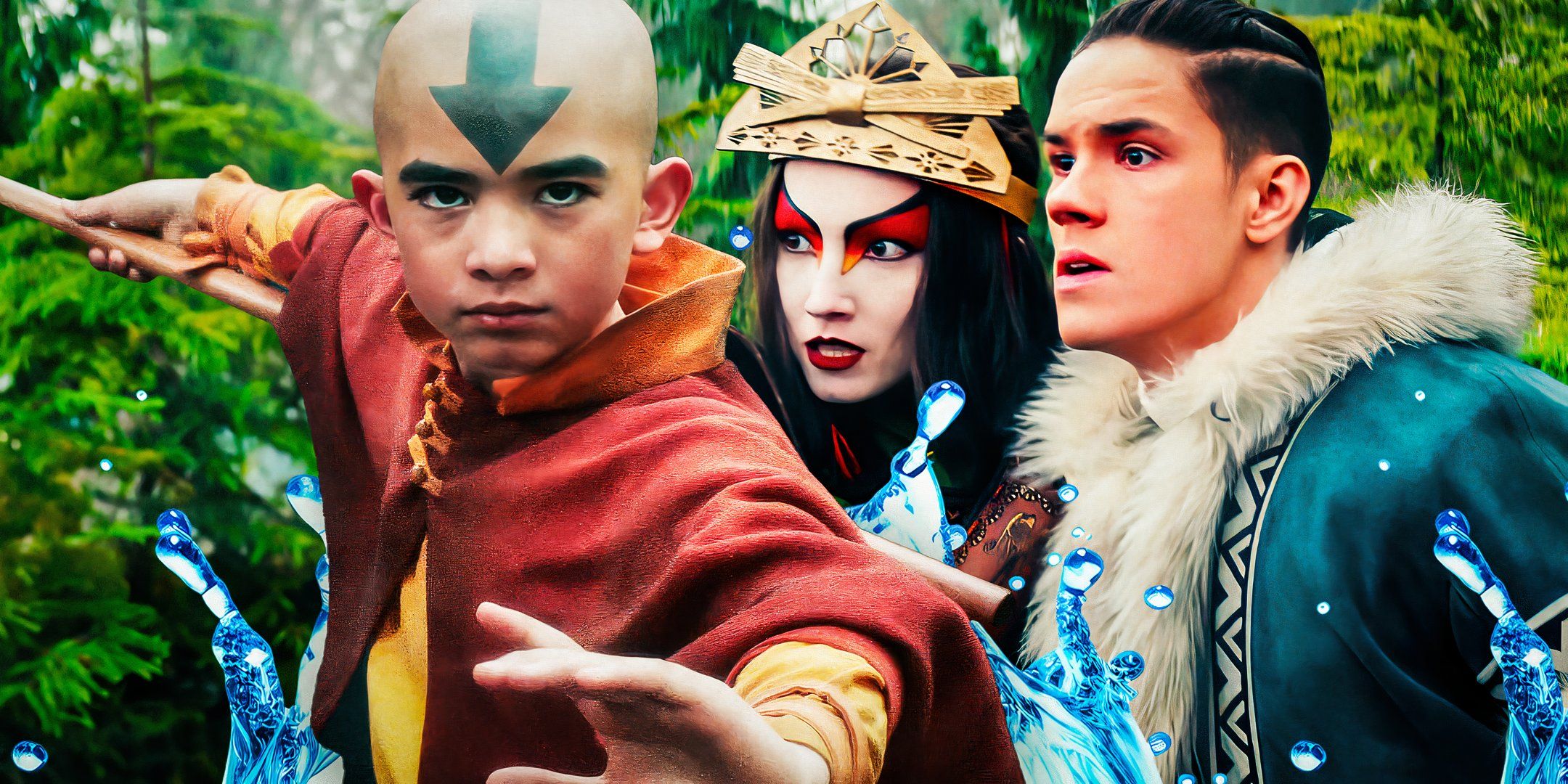
The enduring popularity of Aang, Katara, Sokka, and Zuko stems from their vulnerability. Unlike many static heroes, they are allowed to fail, to be petty, and to grow. The 2024 Netflix live-action series and subsequent seasons have further introduced these characters to a new generation, sparking renewed debate over their characterizations while reinforcing the timelessness of the original source material's writing.
Frequently Asked Questions
Who is the most powerful character among the main four? While Aang is technically the most powerful as the Avatar, the show emphasizes that power is situational. Katara’s mastery of water and bloodbending makes her nearly unbeatable near a water source or under a full moon, while Zuko’s refinement of fire and lightning redirection makes him a top-tier combatant. Aang’s ability to enter the Avatar State, however, grants him a level of cosmic power that none of the others can match.
Is Prince Zuko considered a main character even when he was a villain? Yes. From the very first episode, the narrative is split between Aang’s journey and Zuko’s pursuit. Zuko’s screen time and character development are on par with Aang’s, making him a "co-protagonist" of the series' overarching story, even when his goals were antagonistic to the rest of the group.
Why is Toph often excluded from the "original" main character list? This is primarily because Toph does not appear until Book Two: Earth. When discussing the "main characters" who set the story in motion, the focus is usually on the trio that left the South Pole (Aang, Katara, Sokka) and the force that drove them forward (Zuko). However, in modern fandom, the "Gaang" is almost always considered to include Toph as a core member.
How old are the main characters in the series? At the start of the series, Aang is biologically 12 (chronologically 112), Katara is 14, Sokka is 15, and Zuko is 16. Their young ages are a critical component of the story, highlighting the tragedy of children being forced to fight a global war due to the failures of the previous generations.
Which character has the most significant change from the pilot to the finale? While all four undergo massive changes, Zuko’s transformation is the most radical. He shifts from a desperate, angry exile to the wise and compassionate Fire Lord. Sokka’s shift from a comic-relief skeptic to a serious military commander is also frequently cited as a major evolution.
Practical Recommendations for Further Exploration
For those looking to dive deeper into the world of Avatar: The Last Airbender in 2026, the following steps are recommended:
- Watch the Original Series: Always start with the 2005-2008 animated series on platforms like Paramount+ or Netflix to understand the core character beats.
- Read the Dark Horse Comics: The graphic novels, such as The Promise, The Search, and Smoke and Shadow, provide direct sequels to the show, detailing Zuko’s search for his mother and the founding of Republic City.
- Explore the Chronicles of the Avatar Novels: For a look at the Avatars before Aang (Kyoshi, Yangchen, Szeto, and Roku), these novels offer a more "adult" and gritty look at the world’s history.
- Follow Avatar Studios Updates: Stay tuned for official announcements regarding the adult Aang movie and new series that expand the "Aang Era" lore.