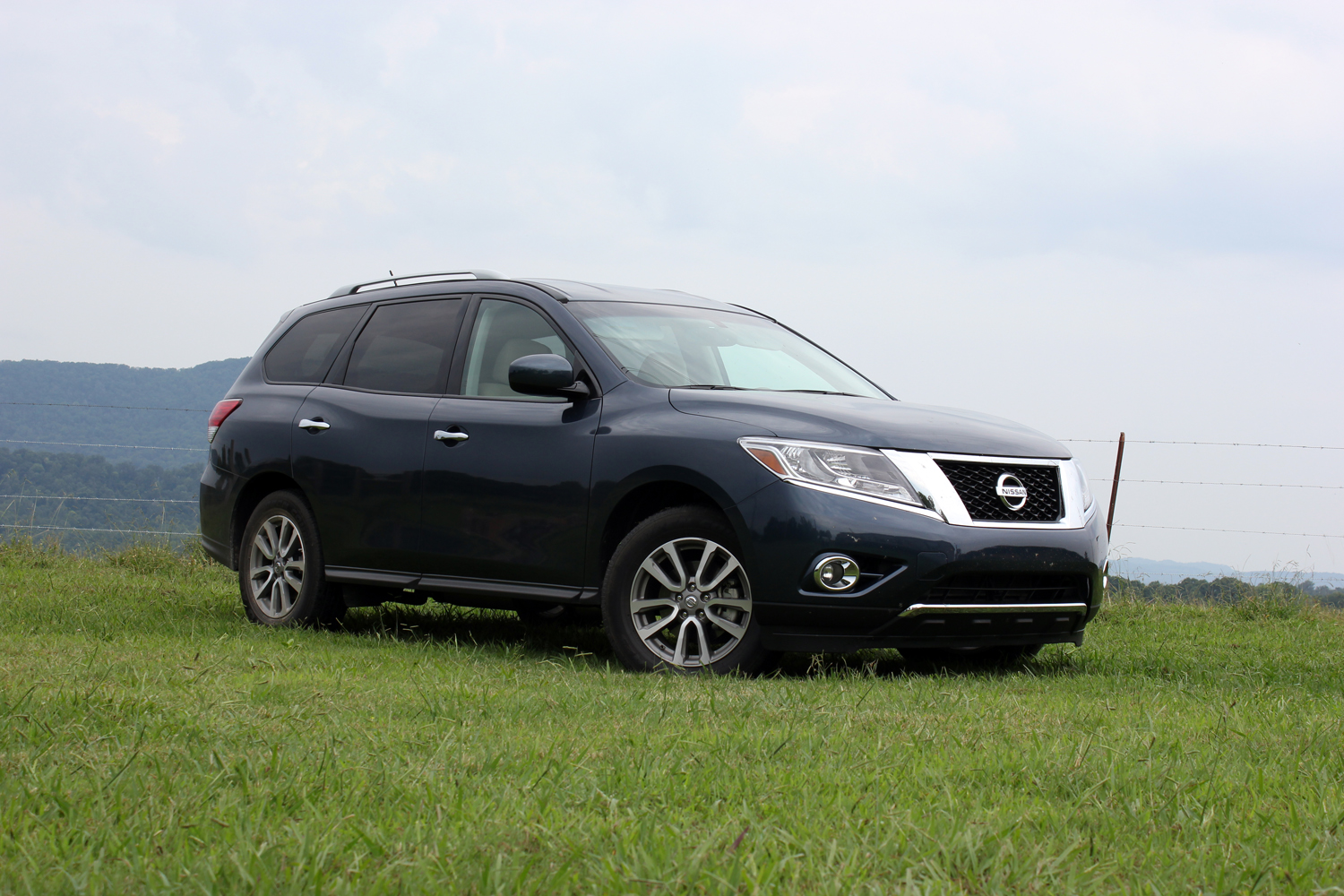
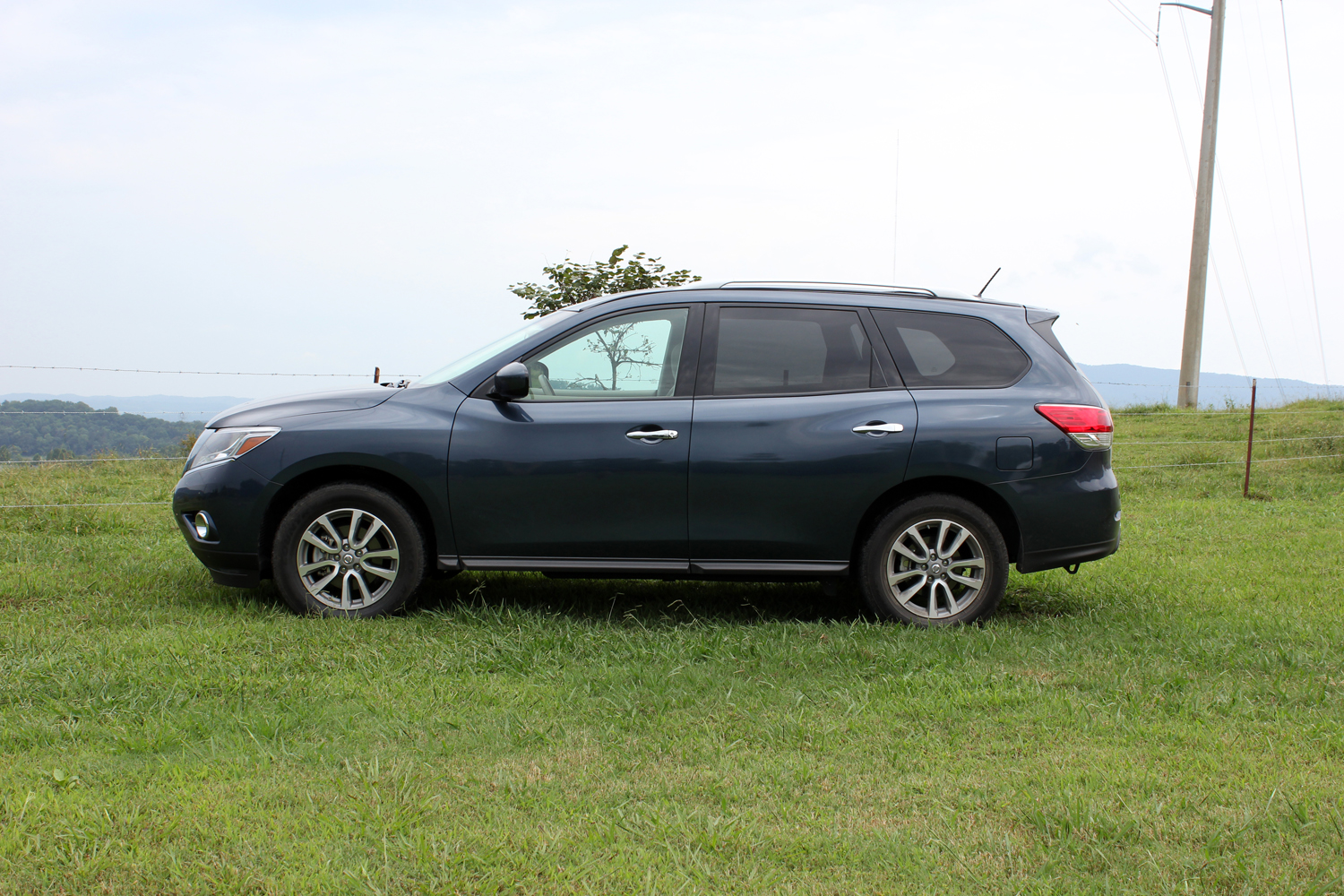
The 2015 Nissan Pathfinder SV Sport Utility 4D bridges the gap between rugged utility and family-friendly comfort, featuring a 3.5-liter V6 engine, a spacious three-row cabin, and a smooth continuously variable transmission designed to deliver efficient daily driving for mid-size crossover shoppers.
Evaluating a used mid-size crossover from the mid-2010s requires looking past showroom promises to examine how a vehicle holds up over time. The 2015 Nissan Pathfinder SV Sport Utility 4D arrived during a period when three-row crossovers were rapidly replacing traditional truck-based sport utility vehicles as the default choice for growing families. Positioned as the volume-selling mid-tier trim between the entry-level S and the luxury-leaning SL and Platinum grades, the SV package offered a compelling balance of modern features, passenger space, and everyday drivability. This comprehensive review examines the design, interior packaging, mechanical performance, ownership costs, and long-term viability of the 2015 Nissan Pathfinder SV Sport Utility 4D to help prospective buyers determine if this mid-range family hauler fits their lifestyle.
Identity and Market Positioning of the 2015 Nissan Pathfinder SV
The fourth-generation Nissan Pathfinder, introduced for the 2013 model year and running through 2020 with a notable refresh in 2017, marked a radical departure from its rugged, body-on-frame predecessors. Transitioning to a unibody platform shared with the Nissan Murano and Infiniti QX60, the modern Pathfinder targeted families seeking car-like ride quality, improved fuel economy, and flexible interior space. Within this lineup, the SV trim level served as the sweet spot for budget-conscious buyers who wanted more than the bare-bones features of the base S model without paying the premium price demanded by the top-tier SL or Platinum variants.
As a four-door sport utility vehicle, the Pathfinder SV offered standard front-wheel drive (FWD) or optional intelligent four-wheel drive (4WD). Its exterior styling leaned heavily into aerodynamic curves, sweeping chrome accents, and a distinctive front fascia, shedding the boxy, aggressive posture of older generations. While some traditionalists lamented the loss of serious off-road capability, the market rewarded Nissan's pivot, turning the Pathfinder into a dedicated urban and suburban commuter capable of tackling school runs, grocery trips, and long-distance highway road trips with equal competence.
Interior Packaging, Comfort, and Technology Features
Stepping inside the 2015 Nissan Pathfinder SV reveals a cabin engineered specifically with family logistics in mind. The vehicle accommodates up to seven passengers across three rows of seating. The front seats offer supportive bolstering and decent adjustability, although the SV trim relies primarily on cloth upholstery rather than the leather surfaces found in higher trims.
One of the standout interior features of this generation is Nissan's innovative LATCH AND GLIDE second-row seat system. This mechanism allows the second-row seats to slide and tilt forward even with a child safety seat installed in place, making third-row access significantly easier than in many competing crossovers. The second row also splits 60/40 and reclines, while the 50/50 split-folding third row flattens completely into the floor to expand cargo capacity when needed.
| Feature Category | Pathfinder SV Specification / Detail |
|---|---|
| Seating Capacity | Up to 7 passengers across 3 rows |
| Upholstery | Premium cloth seating surfaces |
| Infotainment Interface | 7-inch color display audio system |
| Climate Control | Tri-zone automatic temperature control |
| Convenience Tech | Rearview monitor, rear sonar system, Bluetooth hands-free |
| Steering Wheel Controls | Audio, cruise control, and vehicle information display switches |
From a technological standpoint, the 2015 SV model occupies an interesting transitional era. It features a 7-inch color display audio system, Bluetooth hands-free phone integration, auxiliary audio inputs, a USB connection port, and a rearview monitor paired with a rear sonar system for parking assistance. Tri-zone automatic temperature control ensures that passengers in all three rows can manage their comfort levels. While it lacks modern smartphone integration like Apple CarPlay or Android Auto without aftermarket head unit replacements, the factory electronics package remains functional and straightforward for daily driving needs.
Powertrain, Performance, and Drivability
Under the hood, every 2015 Nissan Pathfinder utilizes a 3.5-liter V6 engine (designated VQ35DE) producing 260 horsepower and 240 pound-feet of torque. This powerplant is paired exclusively with Nissan's Xtronic Continuously Variable Transmission (CVT). Front-wheel drive is standard, while an intuitive 4WD system featuring a driver-selectable rotary dial (allowing switching between 2WD, Auto, and 4WD Lock modes) was available as an option.
The V6 engine provides responsive acceleration, moving the roughly 4,300-pound crossover with confidence whether pulling away from a traffic light or merging onto fast-moving highways. The CVT is engineered to maximize fuel efficiency by keeping the engine in its optimal power band, stepping through simulated gear ratios under heavy throttle to mimic a conventional automatic transmission. While automotive enthusiasts sometimes criticize CVTs for their rubber-band feel under hard acceleration, the implementation in the Pathfinder is tuned for smooth, linear power delivery that suits family-oriented driving dynamics.
Fuel economy stands as a major selling point for this configuration. Front-wheel-drive models achieved an EPA-estimated rating of roughly 20 mpg in the city and 27 mpg on the highway, while four-wheel-drive variants notched a respectable 19 mpg city and 26 mpg highway. These figures remained highly competitive within the three-row mid-size SUV segment during its production run. Furthermore, the Pathfinder SV features a standard towing capacity of up to 5,000 pounds when properly equipped, allowing owners to haul small utility trailers, boats, or pop-up campers without strain.
Practical Performance, Ride Quality, and Handling
On the road, the unibody architecture of the 2015 Pathfinder SV pays immediate dividends in ride comfort and handling composure. The four-wheel independent suspension absorbs road imperfections, potholes, and expansion joints with minimal harshness transferred to the cabin. Body roll through corners is well-controlled for a vehicle of this size, and the vehicle tracking on long highway stretches remains stable and relaxing.
Steering feel is light, which makes low-speed maneuvering, tight parking lot navigation, and parallel parking remarkably easy for a large crossover. However, this lightness translates to a somewhat numb steering feedback loop at higher speeds, requiring minor continuous corrections on winding secondary roads. Road and wind noise are effectively insulated from the passenger compartment, ensuring that conversations among passengers in different rows remain effortless even at highway cruising speeds.
Ownership Costs, Reliability, and Common Maintenance Considerations
When evaluating a used 2015 Nissan Pathfinder SV, potential buyers must weigh historical reliability data and ongoing maintenance expectations. Mechanically, the 3.5-liter V6 engine is widely regarded as robust and long-lasting, provided routine oil changes and fluid services have been maintained by previous owners.
However, prospective buyers must exercise caution regarding the transmission. The Xtronic CVT units utilized across Nissan's lineup during the mid-2010s have faced scrutiny regarding long-term durability and reliability. Buyers should thoroughly inspect service records for evidence of regular CVT fluid changes—ideally every 30,000 to 45,000 miles—and take the vehicle on an extended test drive to check for hesitation, slipping, whining noises, or shuddering during acceleration.
Additional common maintenance items and wear points for this generation include:
- Suspension Components: Front struts, control arm bushings, and sway bar links may show wear around 100,000 miles and require replacement to restore factory ride quality.
- Brake Wear: Due to the vehicle's weight, brake pads and rotors consume relatively quickly under heavy city driving conditions.
- In-Cabin Electronics: The basic audio and climate control buttons should be tested during a pre-purchase inspection to ensure all dashboard electronics function as intended.
Comprehensive Comparison: Pathfinder SV vs. Key Competitors
The mid-size three-row SUV market of 2015 featured fierce competition from domestic and Japanese manufacturers. Comparing the Pathfinder SV against its primary rivals highlights its distinct strengths and compromises.
| Vehicle Model | Engine & Transmission | Key Advantage | Primary Disadvantage |
|---|---|---|---|
| 2015 Nissan Pathfinder SV | 3.5L V6, CVT | Excellent second-row child seat access, strong fuel economy | CVT long-term reliability concerns |
| 2015 Toyota Highlander LE / XLE | 3.5L V6, 6-Speed Auto | Exceptional resale value, traditional automatic transmission | Higher used market pricing, tighter third row |
| 2015 Ford Explorer XLT | 3.5L V6, 6-Speed Auto | Masculine styling, robust sync technology, solid towing | Firmer ride, lower fuel economy in 4WD |
| 2015 Honda Pilot EX | 3.5L V6, 5-Speed Auto | Boxy cargo-maximizing shape, legendary durability | Outdated 5-speed transmission, dated interior tech |
While the Toyota Highlander and Honda Pilot often command higher resale premiums due to their bulletproof reputations, the Pathfinder SV typically offers better value on the used market. It frequently provides a more compliant ride than the Ford Explorer and superior second-row flexibility compared to the Highlander.
Suitability: Who Should Buy the 2015 Nissan Pathfinder SV?
The 2015 Nissan Pathfinder SV Sport Utility 4D represents an ideal automotive solution for specific buyer profiles while presenting potential drawbacks for others.
This vehicle is well-suited for:
- Growing families needing genuine three-row seating and flexible cargo configurations without purchasing a full-sized, truck-based SUV or a minivan.
- Budget-conscious buyers seeking comfortable highway cruising, decent fuel economy, and practical towing capabilities in a modern crossover shape.
- Drivers residing in moderate climates or regions requiring occasional all-weather traction via the selectable 4WD system.
Buyers should exercise caution if:
- They prioritize sporty, engaging driving dynamics and precise steering feedback.
- They cannot verify the maintenance history of the CVT transmission through official service records.
- They regularly transport adults in the third row for extended journeys, as rear legroom remains best suited for children.
Frequently Asked Questions
Does the 2015 Nissan Pathfinder SV have third-row seating?
Yes, the 2015 Nissan Pathfinder SV features standard three-row seating that accommodates up to seven passengers. The second row utilizes an innovative sliding mechanism that allows forward movement even with a child safety seat installed, while the 50/50 split third row folds completely flat into the floor.
What is the fuel economy of the 2015 Nissan Pathfinder SV?
Front-wheel-drive models achieve an EPA-estimated 20 mpg in the city and 27 mpg on the highway. Four-wheel-drive variants return approximately 19 mpg city and 26 mpg highway, making it one of the more fuel-efficient V6-powered three-row crossovers of its model year.
Is the transmission reliable in the 2015 Nissan Pathfinder?
The vehicle utilizes an Xtronic Continuously Variable Transmission (CVT). While many units operate without issue when serviced properly, this generation's CVT has a history of higher-than-average failure rates if maintenance intervals were neglected. Prospective buyers should verify that the transmission fluid was changed regularly and test-drive the vehicle carefully.
How much can a 2015 Nissan Pathfinder SV tow?
When properly equipped with a factory or aftermarket tow hitch and wiring harness, the 2015 Pathfinder SV has a maximum towing capacity of 5,000 pounds, making it capable of pulling small travel trailers, boats, or utility haulers.
What are the main differences between the S and SV trim levels?
The SV trim adds several popular features over the base S model, including rear sonar parking sensors, a rearview monitor, a 7-inch color display audio system, Bluetooth connectivity, a leather-wrapped steering wheel, an 8-way power driver's seat, and automatic headlights.
Final Recommendation and Next Actions
For shoppers navigating the used mid-size crossover market, the 2015 Nissan Pathfinder SV Sport Utility 4D offers a compelling blend of passenger comfort, cargo versatility, and efficient V6 performance. To ensure a successful purchase, buyers should prioritize finding a well-documented example with a consistent service history, conduct a thorough inspection focusing on the CVT transmission and suspension components, and verify that the vehicle meets specific daily driving and towing requirements.