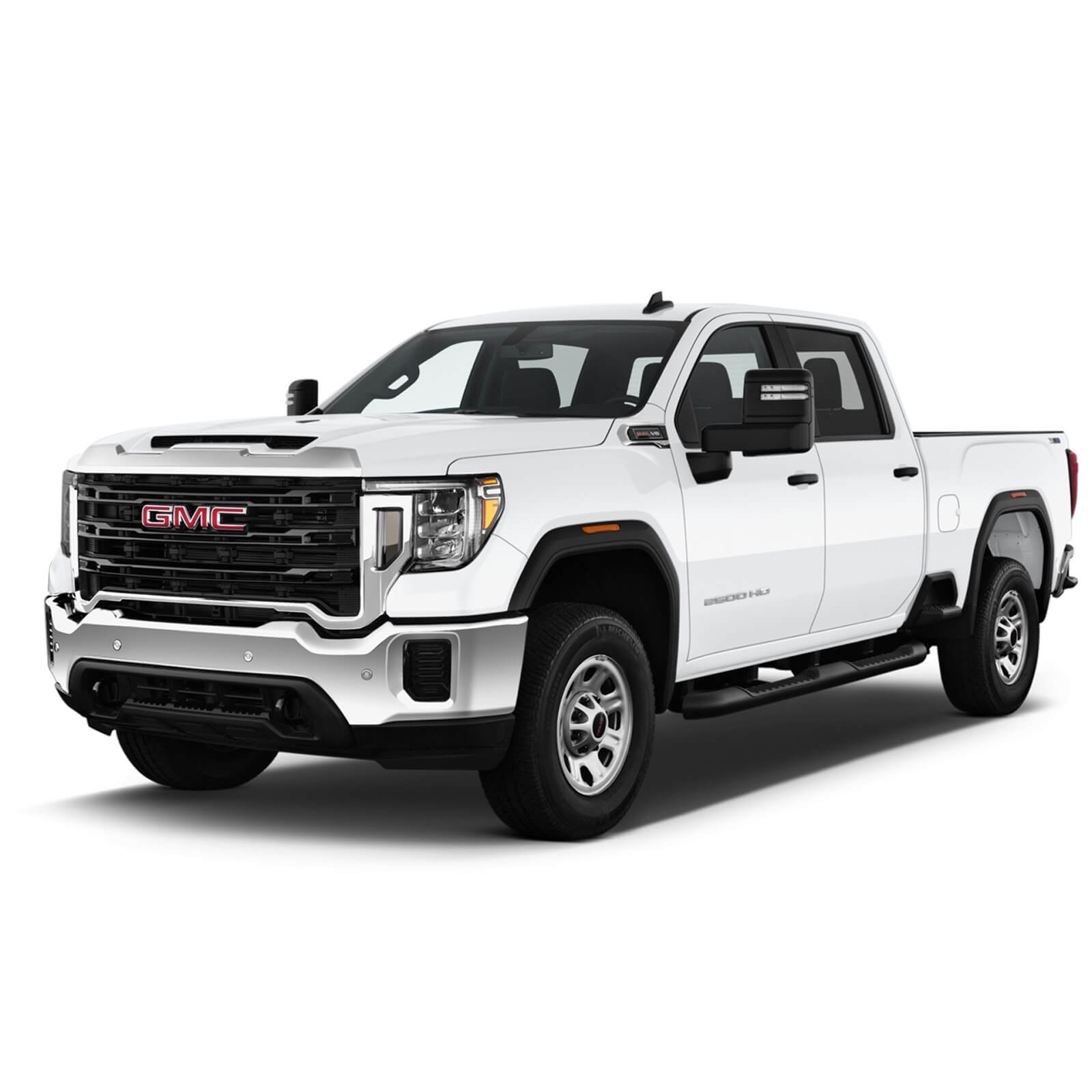
The 2012 6.6L Duramax LML engine has an official oil capacity of 10 quarts (9.5 liters) when changing the oil and the oil filter. It is essential to use a diesel-grade oil that meets the API CJ-4 or newer (CK-4) specifications to ensure the longevity of the engine and the exhaust aftertreatment system.
Understanding the 2012 6.6L Duramax LML Engine
The 2012 model year falls within the production run of the LML Duramax, which was introduced in 2011 and continued through 2016. This engine represented a significant leap in emissions technology and power output for General Motors' heavy-duty truck lineup. Producing 397 horsepower and 765 lb-ft of torque, the LML required a robust lubrication system to manage the heat and mechanical stresses inherent in high-output diesel performance.
The oiling system in the 2012 Duramax is designed not just for lubrication, but for cooling and cleaning. With a 10-quart sump, the engine maintains a large enough volume of oil to effectively dissipate heat from the turbocharger and pistons. Furthermore, because the LML utilizes a Diesel Particulate Filter (DPF) and Selective Catalytic Reduction (SCR), the choice of oil and the maintenance of the correct oil level are more critical than in earlier, non-emissions-equipped engines.
Detailed Oil Specifications and Capacities
When preparing for an oil change on a 2012 Chevrolet Silverado or GMC Sierra 2500HD/3500HD, having the correct measurements and materials on hand prevents mid-project delays. The 10-quart capacity is standard across the 2012 6.6L LML platform, regardless of whether the truck is a single-rear-wheel or dual-rear-wheel configuration.
| Component | Specification |
|---|---|
| Engine Oil Capacity (with Filter) | 10.0 Quarts (9.5 Liters) |
| Engine Oil Capacity (without Filter) | Approximately 9.0 - 9.5 Quarts |
| Recommended Oil Viscosity (Above 0°F) | 15W-40 |
| Recommended Oil Viscosity (Below 0°F) | 5W-40 (Synthetic preferred) |
| Required Oil Specification | API CJ-4 or CK-4 |
| Oil Filter Part Number | AC Delco PF2232 (or equivalent) |
| Drain Plug Torque | 62 lb-ft (84 N·m) |
| Oil Pan Drain Plug Size | 22mm |
Choosing the Right Oil Grade and Viscosity
Selecting the correct oil for a 2012 Duramax involves more than just picking a brand. In 2026, modern diesel oils have evolved significantly, but the fundamental requirements for the LML remain consistent. The primary factor is the API (American Petroleum Institute) service category.
API CJ-4 and CK-4 Standards
The 2012 LML was originally designed for API CJ-4 oil. This category was specifically formulated to be "low SAPS" (Sulfated Ash, Phosphorus, and Sulfur). High levels of these elements can clog the Diesel Particulate Filter, leading to frequent regeneration cycles and eventual hardware failure. Since 2016, the industry has transitioned to API CK-4, which is fully backward compatible with CJ-4. CK-4 oils offer improved shear stability and oxidation resistance, making them the superior choice for a 2012 Duramax operating today.
Viscosity Based on Climate
For the vast majority of operating conditions, 15W-40 is the standard weight. It provides the necessary film strength at high operating temperatures while remaining fluid enough for standard cold starts. However, if you reside in an environment where temperatures frequently drop below 0°F (-18°C), moving to a 5W-40 synthetic diesel oil is highly recommended. The thinner "winter" weight allows the oil to reach critical engine components, such as the turbocharger bearings, much faster during a cold start, significantly reducing startup wear.
The Importance of the Oil Filter
The oil filter used in the 2012 Duramax, typically the AC Delco PF2232, is larger than those found on standard gasoline engines for a reason. Diesel engines generate significantly more soot as a byproduct of combustion. While the oil's additive package (dispersants) keeps this soot in suspension to prevent it from clumping, the filter is the final line of defense.
Using a high-quality filter with a high efficiency rating is non-negotiable. The LML engine operates at high pressures, and the filter must be able to handle these flow rates without going into "bypass mode" prematurely. A bypass valve is a safety feature that allows unfiltered oil to circulate if the filter becomes too clogged, ensuring the engine doesn't run dry, but it exposes the moving parts to abrasive contaminants. Always replace the filter with every oil change to ensure the full 10-quart capacity is refreshed and the filtration media is clean.
Step-by-Step Oil Change Process for the 2012 Duramax
Changing the oil on a 6.6L Duramax is a straightforward task, but the sheer volume of oil requires preparation. You will need a large drain pan—at least 12 to 15 quarts in capacity—to avoid spills.
1. Preparation and Safety
Park the vehicle on a level surface and engage the parking brake. It is best to perform the oil change when the engine is warm (not hot), as warm oil flows more freely and carries away more contaminants. Ensure you have your 10 quarts of oil, a new filter, a 22mm wrench or socket, and clean rags.
2. Draining the Old Oil
Locate the oil pan drain plug on the bottom of the engine. Position your large drain pan underneath. Use the 22mm socket to loosen the plug. Be prepared for a high-volume flow; 10 quarts of oil will exit the pan with significant force. Once the flow has slowed to a drip, inspect the drain plug gasket. If it is flattened or cracked, replace it. Clean the plug and the mounting surface, then reinstall and torque to 62 lb-ft.
3. Replacing the Oil Filter
The oil filter is located near the oil pan. Use an oil filter wrench to loosen it. Note that the filter will be full of oil, which can be heavy and messy when it breaks the seal. Once removed, take a clean rag and wipe the filter mounting base on the engine block. Ensure the old rubber gasket did not stick to the engine (this is called "double-gasketing" and will cause a massive leak).
Apply a thin film of fresh engine oil to the rubber gasket of the new filter. Some technicians prefer to "pre-fill" the filter with fresh oil to reduce the time the engine runs without pressure on the initial start, though this is optional. Screw the new filter on by hand until the gasket makes contact, then tighten it an additional 3/4 to 1 full turn.
4. Refilling the System
Locate the oil fill cap on the passenger side of the engine bay. Use a clean funnel to pour in 10 quarts of your chosen diesel oil. Once filled, replace the cap and start the engine. Let it idle for a minute while you check underneath the truck for any leaks at the drain plug or filter.
5. Final Level Check and Reset
Turn off the engine and let it sit for 5 to 10 minutes to allow the oil to drain back into the pan. Pull the dipstick, wipe it clean, reinsert it fully, and check the level. It should be within the "crosshatched" area. Finally, reset the Oil Life Monitor on the vehicle's Driver Information Center (DIC).
Monitoring Oil Life and Change Intervals
While the 2012 Duramax is equipped with an Oil Life Monitor (OLM) system that calculates oil longevity based on engine revolutions, temperature, and driving habits, many owners prefer a fixed interval.
The OLM System
The OLM is an algorithm, not a physical sensor that "tests" the oil. It is highly accurate for normal driving conditions. However, if you use your truck for heavy towing, frequent short trips in cold weather, or high-idle applications (such as a job site truck), the OLM will decrease the interval. Typically, the OLM will trigger a "Change Engine Oil" light between 5,000 and 7,500 miles.
Expert Recommendations
For maximum engine longevity, especially for an engine that is now over a decade old, a 5,000-mile or 6-month interval is a safe and effective standard. Using high-quality synthetic oils can safely extend this, but regular analysis through a laboratory like Blackstone Laboratories is the only way to truly verify the health of the oil and the internal wear of the engine.
In 2026, as these engines age, checking for fuel dilution in the oil is also vital. In the LML, the 9th injector (hydrocarbon injector) is used for DPF regeneration, which reduces the risk of fuel "washing" the cylinder walls compared to earlier engines, but some dilution can still occur if the truck is frequently interrupted during a regen cycle.
Common Mistakes to Avoid
- Underfilling: Stopping at 8 or 9 quarts can lead to increased oil temperatures and reduced additive life. Always use the full 10 quarts and verify with the dipstick.
- Using Gasoline Engine Oil: Never use oil rated only for gasoline engines (API SP/SN). These oils lack the soot-handling capabilities and the high-pressure anti-wear additives (like Zinc and Phosphorus) required by a heavy-duty diesel engine.
- Neglecting the Drain Plug Torque: Over-tightening the 22mm plug can strip the threads in the oil pan, while under-tightening can lead to a slow leak or the plug falling out entirely. Using a torque wrench is the best practice.
- Ignoring the O-Ring: As mentioned, always ensure the old filter gasket is removed. A "double gasket" is one of the most common causes of catastrophic oil loss immediately after a change.
Frequently Asked Questions
Can I use 10W-30 oil in a 2012 Duramax?
While some newer diesel engines are moving toward 10W-30 for fuel economy, the 2012 LML is primarily spec'd for 15W-40. Some manufacturers offer a "heavy-duty" 10W-30 that meets CK-4 standards, which may be used in colder climates, but 15W-40 remains the gold standard for protection under heavy loads for this specific model year.
How much oil does the 2012 Duramax take without a filter change?
If you are only changing the oil and not the filter (which is not recommended), the engine will take approximately 9.0 to 9.2 quarts. However, because the filter holds a significant amount of dirty oil and trapped contaminants, you should always change the filter at every interval.
Is synthetic oil worth it for a 2012 LML?
Yes. Synthetic oil offers better resistance to thermal breakdown, which is crucial for the turbocharger. It also flows better at low temperatures and maintains its viscosity better over the life of the oil change interval. For owners planning to keep their 2012 Duramax for the long haul, the extra cost of synthetic is a sound investment.
Why is my oil black immediately after a change?
This is a very common observation with diesel engines. Because diesel engines produce soot, a small amount of residual oil left in the engine (in the oil cooler, lines, and galleries) contains enough soot to turn the entire 10-quart volume black almost immediately. This does not mean the oil is "dirty" or that the job wasn't done correctly; it is simply the nature of diesel combustion.
What is the best oil brand for the 6.6 Duramax?
Most major brands that meet the API CK-4 or CJ-4 specification will perform well. Popular choices among Duramax enthusiasts include Shell Rotella T6 (Full Synthetic), Mobil 1 Delvac, Chevron Delo 400, and Amsoil Signature Series Diesel Oil. The key is the specification (API CK-4) rather than the brand name.
Final Recommendation for 2012 Duramax Owners
To keep your 2012 6.6L Duramax LML running efficiently in 2026 and beyond, adhere strictly to the 10-quart capacity and use a high-quality API CK-4 15W-40 oil. Given the age of these vehicles, consistency in maintenance is the most important factor in preventing costly repairs to the fuel system and engine internals. Always use an OEM-quality filter and check your oil levels at every fuel fill-up to ensure your engine remains properly lubricated and cooled.
For more technical details on fluid specifications and maintenance schedules, consult the original Chevrolet Owner Center or the GMC Support resources for the 2012 model year. For understanding the latest oil standards, the American Petroleum Institute (API) provides updated information on CK-4 performance.