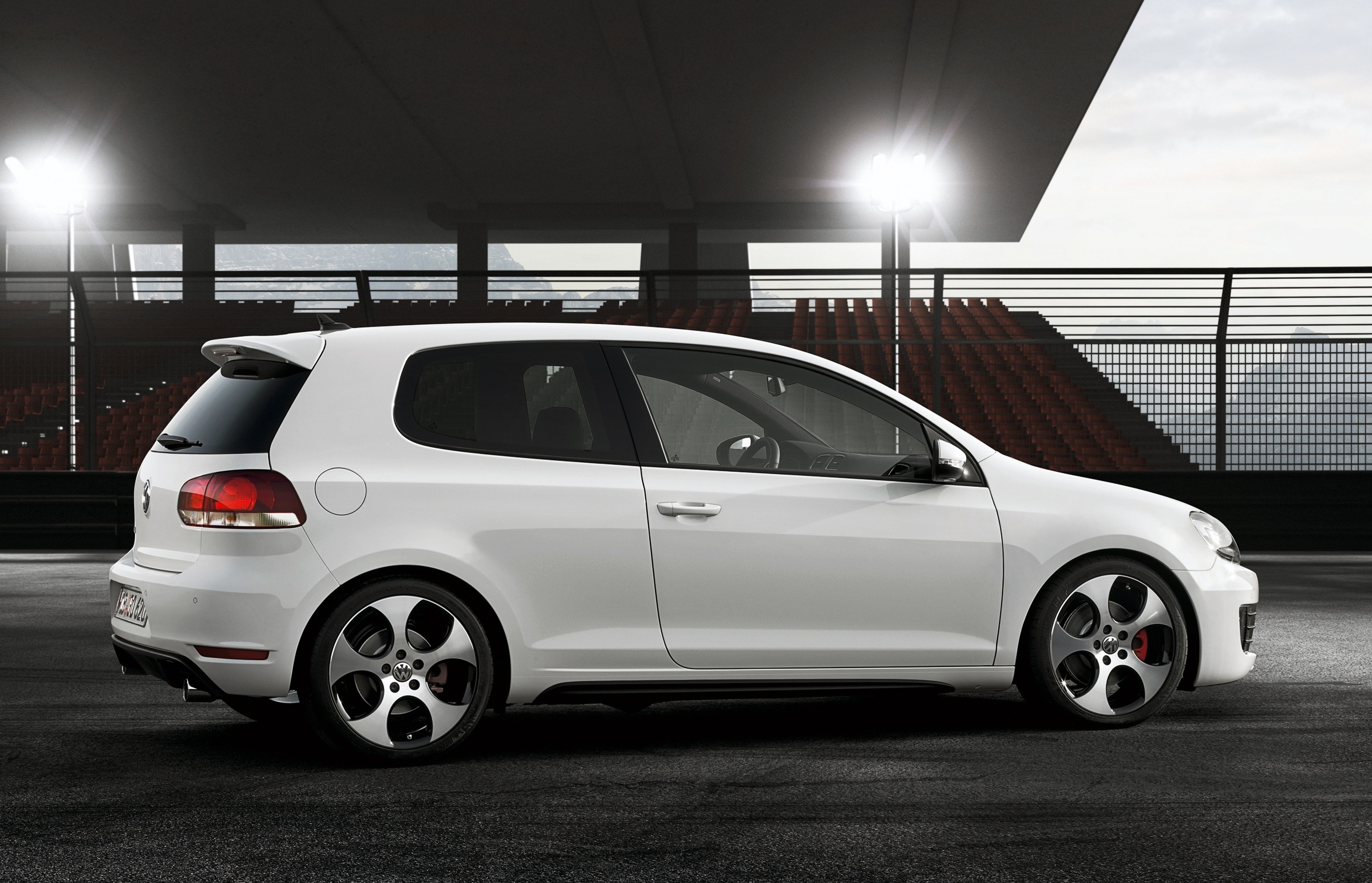
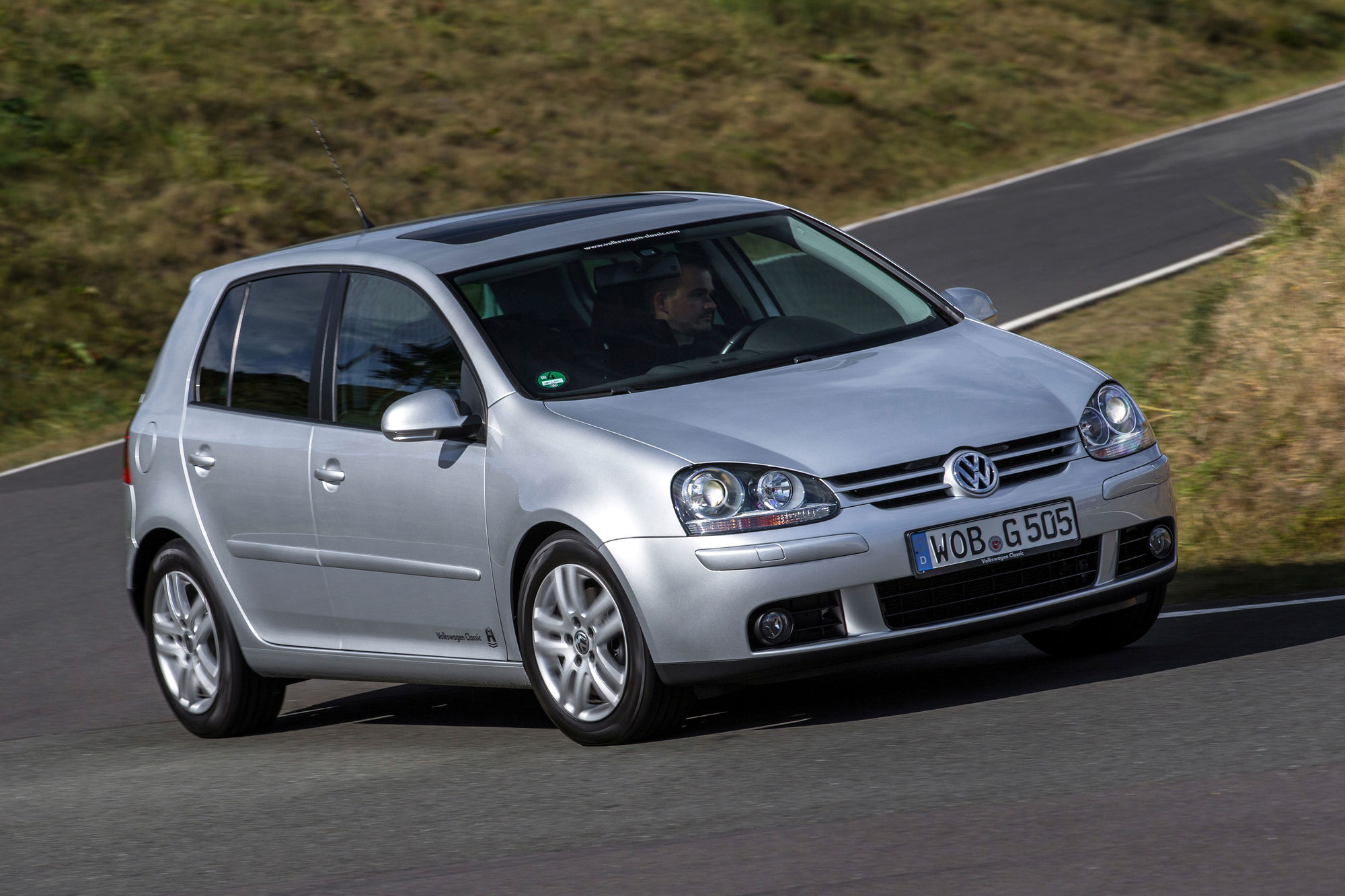
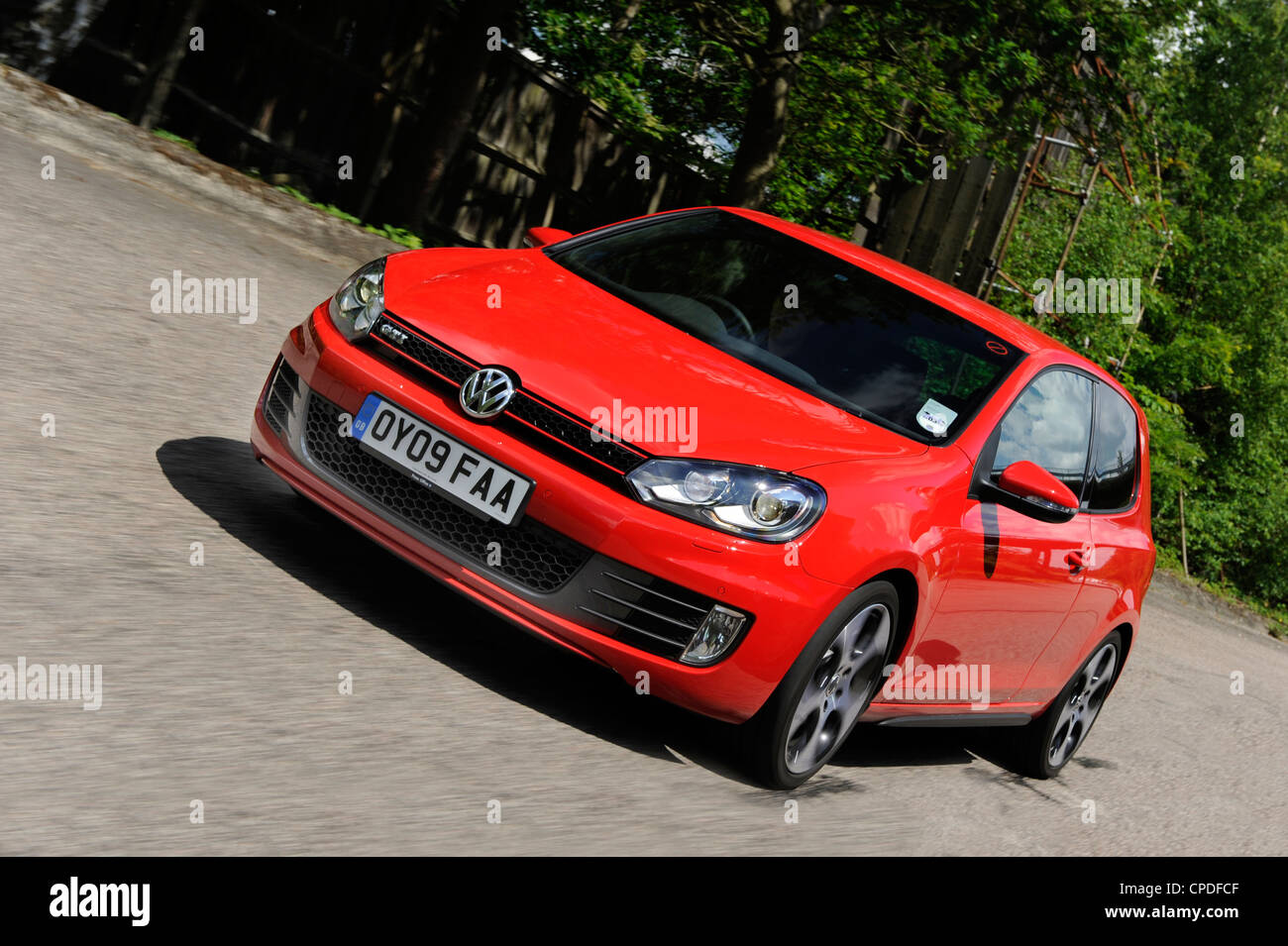
The 2008 Volkswagen Golf GTI represents a pivotal mid-generation phase for the MK5 platform, bridging the gap between early reliability refinements and the transition to the EA888 engine architecture. As a definitive hot hatch, it balances everyday usability, sophisticated European driving dynamics, and a legacy of turbocharged performance that continues to captivate automotive enthusiasts.
Introduction to the MK5 Generation and the 2008 Model Year
The Volkswagen Golf GTI has long held the mantle of the quintessential hot hatch, a vehicle class it effectively popularized in the late 1970s. By 2008, the fifth-generation (MK5) Golf GTI was well into its production lifecycle, having debuted globally in 2004 and arriving in North America for the 2006 model year. The 2008 model year is particularly significant because it occupies a unique mid-generation window. During this period, Volkswagen implemented critical technical updates while preserving the core mechanical layout that made the MK5 a watershed moment for the badge.
Understanding this specific iteration requires looking past badge engineering and examining the underlying engineering philosophy. The MK5 GTI was a massive leap forward from the MK4, replacing a criticized torsion-beam rear suspension with a sophisticated fully independent multi-link setup. By 2008, the car had matured. Production shifts and mid-cycle components meant that buyers and enthusiasts had to navigate specific engine code variations, transmission updates, and trim packages. For modern enthusiasts and prospective used-car buyers, evaluating a 2008 Volkswagen Golf GTI mid-generation hot hatch requires a clear-eyed look at its mechanical identity, performance metrics, common maintenance liabilities, and long-term viability.
Mechanical Architecture and Engine Evolution: The BPY vs. CCTA Transition
At the heart of any performance hatchback is its powerplant, and the 2008 model year is defined by a critical transition in engine architecture. Early MK5 GTIs utilized the BPY engine code, a 2.0-liter turbocharged inline-four featuring Fuel Stratified Injection (FSI). However, during the 2008 model year, Volkswagen began phasing in the CCTA engine code, introducing the TSI (Turbocharged Stratified Injection) architecture.
This mid-generation transition is one of the most vital technical distinctions for anyone researching or maintaining a 2008 model. While both engines displace 2.0 liters, feature turbocharging, and produce comparable factory outputs—typically rated at 200 horsepower and 207 lb-ft of torque—their internal layouts and known failure points differ significantly:
- The FSI (BPY) Engine: Utilizes a belt-driven camshaft with a high-pressure fuel pump (HPFP) driven by a mechanical follower off the intake camshaft. It is known for carbon buildup on the intake valves due to direct injection, cam follower wear, and PCV system failures.
- The TSI (CCTA/CBFA) Engine: Switches to a timing chain instead of a timing belt, relocates the HPFP drive, and features a revised PCV and cylinder head design. While it largely solves the FSI cam follower issue, early iterations of this chain system introduced their own concerns regarding timing chain tensioner wear.
| Feature / Metric | 2008 GTI FSI (BPY) | 2008 GTI TSI (CCTA) |
|---|---|---|
| Valvetrain Drive | Timing Belt | Timing Chain |
| Fuel Pump Drive | Cam-driven mechanical follower | Roller-driven from intake camshaft |
| Factory Power | 200 hp @ 5100–6000 rpm | 200 hp @ 5100–6000 rpm |
| Factory Torque | 207 lb-ft @ 1800–5000 rpm | 207 lb-ft @ 1700–5000 rpm |
| Oil Filter Location | Top-mounted cartridge | Top-mounted cartridge |
Transmission Options: Manual Precision vs. DSG Dual-Clutch Innovation
The driving experience of the 2008 Volkswagen Golf GTI is heavily influenced by transmission choice. Volkswagen offered two distinct gearboxes: a traditional 6-speed manual transmission and the groundbreaking 6-speed Direct Shift Gearbox (DSG) automatic with dual clutches.
The 6-speed manual appeals to purists seeking tactile engagement. It features well-spaced ratios that allow drivers to keep the turbocharger spooled in the mid-range. Clutch pedal weight is progressive, and the shifter throws, while somewhat long by modern aftermarket standards, offer positive mechanical gate feedback.
Conversely, the 6-speed DSG dual-clutch transmission represented cutting-edge technology for 2008. By utilizing two independent clutches controlled by electro-hydraulic mechatronics, the DSG executes lightning-fast gear changes without interrupting power delivery. Drivers can leave the car in fully automatic mode for daily commuting or switch to manual control via the console shifter or steering-wheel-mounted paddle shifters. However, ownership of an early DSG requires strict adherence to fluid and filter replacement intervals—typically every 40,000 miles—to prevent costly mechatronic unit or clutch pack failures.
Suspension Dynamics and Chassis Engineering
The chassis engineering of the MK5 platform is widely credited with revitalizing the GTI lineage after the softer, heavier MK4 generation. The body shell utilizes laser welding extensively, resulting in exceptional torsional rigidity that provides a solid foundation for the suspension geometry.
Up front, the car features a traditional MacPherson strut setup paired with an upgraded subframe, while the rear utilizes a sophisticated four-link independent suspension. This configuration allows the rear tires to maintain optimal contact patch geometry under heavy cornering loads, mitigating the snap-oversteer tendencies common in older torsion-beam hatchbacks.
Factory spring and damper rates strike a firm balance between daily comfort and track-day capability. The steering is electromechanical, offering speed-sensitive assistance that weights up appropriately at highway speeds while remaining light during parking maneuvers. Compared to contemporary hydraulic systems, it offers slightly less raw feedback, but its precision and on-center stability remain benchmark qualities for a mid-2000s hot hatch.
Interior Ergonomics, Practicality, and Trim Variations
Inside the cabin, the 2008 Golf GTI reflects Volkswagen's commitment to material quality and ergonomic design. Soft-touch plastics, clear instrumentation backlit in blue and red, and heavily bolstered sport seats define the environment. Buyers could choose between traditional cloth upholstery—often featuring the iconic "Interlagos" houndstooth pattern—or optional Vienna leather.
Practicality is a core strength that separates the GTI from dedicated two-door sports cars. Available in both two-door and four-door hatchback configurations, the vehicle offers versatile cargo capacity. The rear seats feature a 60/40 split with a central pass-through for long items, allowing the car to swallow bicycles, luggage, or furniture with ease when the rear seats are folded flat.
Infotainment in 2008, however, shows its age. Early models relied on single-disc CD players or optional premium audio systems, requiring modern owners to frequently upgrade head units with aftermarket Apple CarPlay or Android Auto receivers to meet contemporary connectivity standards.
Ownership Realities: Common Maintenance Items and Troubleshooting
Purchasing or maintaining a 2008 VW Golf GTI requires proactive mechanical awareness. While robustly engineered, these vehicles have distinct wear items that require attention to ensure longevity:
- Cam Follower Wear (BPY Engine): On FSI models, the mechanical tappet between the high-pressure fuel pump and the camshaft must be inspected periodically. A worn follower can score the camshaft, leading to catastrophic fuel system failure.
- Intake Valve Carbon Buildup: Direct injection sprays fuel directly into the combustion chamber, meaning fuel does not wash over the back of the intake valves. Over tens of thousands of miles, oil vapor from the PCV system bakes onto the valves, requiring manual walnut-shell blasting.
- Dive Diverter Valve (DV) Diaphragm Failure: The factory rubber diaphragm in early turbo diverter valves is prone to tearing, resulting in a loss of boost pressure. Volkswagen later revised this part with a piston-style valve (OEM revision D).
- Mechatronic Unit and Clutch Wear (DSG): Rough shifting, delayed engagement, or flashing gear indicators on the dashboard often point to mechatronic sensor failure or degraded transmission fluid in DSG-equipped models.
Frequently Asked Questions
How can I tell if a 2008 VW Golf GTI has the BPY or CCTA engine?
The easiest way is to inspect the engine bay. The BPY (FSI) engine features a plastic engine cover with an oil filler cap positioned centrally, and the high-pressure fuel pump is located on the passenger side of the cylinder head under a sound cover. The CCTA (TSI) engine features a different engine cover layout, and the oil filter housing is an easily accessible black plastic cartridge canister mounted vertically at the front-top of the engine bay. Alternatively, checking the vehicle's engine code on the emissions label under the hood or running the VIN will confirm the exact specification.
Is the 2008 GTI considered reliable as a used daily driver?
It can be a reliable daily driver provided it has a documented maintenance history. These cars do not tolerate neglected oil changes or skipped preventative maintenance. Addressing known weak points—such as upgrading the PCV valve, monitoring the FSI cam follower or TSI timing chain tensioner, and using high-octane fuel—greatly improves long-term dependability.
What is the fuel economy of a 2008 VW Golf GTI?
According to historical EPA testing metrics, the 2008 GTI achieves approximately 21 to 22 mpg in city driving and 29 to 31 mpg on the highway, depending on whether it is equipped with the manual transmission or the DSG automatic. Premium fuel (91 octane or higher) is strictly required.
Can the factory suspension be easily modified for track use?
Yes, the MK5 chassis responds exceptionally well to suspension modifications. Upgrading the dampers, lowering springs or coilovers, and installing stiffer anti-roll bars transform the car's cornering neutrality without destroying its compliance on rough public roads.
What should I look for when inspecting a used 2008 GTI?
Prioritize service records confirming regular synthetic oil changes every 5,000 miles. Check for oil leaks around the valve cover and timing cover, listen for excessive timing chain rattle upon cold startup (on TSI models), test all electrical accessories, and verify that the DSG transmission shifts smoothly without slipping if applicable.
Conclusion and Next Steps
The 2008 Volkswagen Golf GTI remains a compelling entry point into European performance motoring. Its mid-generation status captures the sweet spot of the MK5 platform, offering refined handling, practical hatchback utility, and an easily tunable turbocharged engine. For prospective owners, the key to a rewarding experience lies in thorough pre-purchase inspection, verifying engine code variants, and budgeting for preventative maintenance. Review service documentation carefully, verify whether major services like timing belts or DSG fluid flushes have been completed, and enjoy one of the most balanced hot hatch platforms ever produced.