In 2006, Ryan Ross turned 20 years old while serving as the primary lyricist, lead guitarist, and backing vocalist for Panic! At The Disco. This pivotal year saw Ross transition from a suburban Las Vegas teenager to a global alternative icon, following the massive commercial success of the band's debut album, A Fever You Can't Sweat Out.
The year 2006 represents a singular moment in contemporary music history—a time when the "emo" and "pop-punk" subcultures collided with mainstream pop success. At the center of this whirlwind was George Ryan Ross III. Having just exited his teenage years on August 30, 2006, Ross was the architect of a specific brand of theatrical, verbose, and literary rock that defined a generation. From the heights of the Billboard charts to the stage of the MTV Video Music Awards, Ross’s output during this period remains a case study in rapid artistic maturation and the pressures of sudden fame.
The Cultural Landscape of 2006
To understand Ryan Ross at 20, one must understand the environment of 2006. The music industry was in a state of flux, shifting from physical sales to the dominance of digital downloads and social media discovery. Panic! At The Disco was one of the first "internet-born" bands, gaining traction on MySpace before ever embarking on a major tour.
By the time 2006 began, the band’s debut album, released in late 2005, was beginning its meteoric rise. Ross, as the chief songwriter, found himself the spokesperson for a new aesthetic. This aesthetic was characterized by a blend of vaudevillian theatricality, baroque pop, and aggressive electronic influences. While peers in the scene were focusing on straightforward angst, Ross was writing songs about wedding-day betrayals, alcoholic novelists, and the art of the "vignette."
The Decaydance Influence
Under the mentorship of Pete Wentz and the Decaydance Records label (an imprint of Fueled by Ramen), Ross and his bandmates were positioned as the sophisticated younger siblings of Fall Out Boy. In 2006, this association provided the necessary infrastructure for Ross to explore high-concept music videos and elaborate stage shows that would have been inaccessible to most 20-year-old musicians.
Analyzing the Ross Lyricism: Technical Sophistication at Age 20
The most striking aspect of Ryan Ross in 2006 was the sheer density of his lyricism. While most songwriters his age were exploring first-person narratives of heartbreak, Ross leaned heavily into third-person storytelling and literary allusions.
Literary Foundations
Ross famously drew inspiration from the transgressive fiction of Chuck Palahniuk. The track "Time to Dance" is a direct homage to Palahniuk’s novel Invisible Monsters. At 20, Ross demonstrated a technical ability to condense complex themes of identity and superficiality into four-minute pop songs. His use of polysyllabic vocabulary—words like "estrangement," "testimony," and "intervening"—separated him from the repetitive lyrical structures of the era’s mainstream hits.
Structural Complexity
Musically, Ross’s compositions in 2006 were divided into two distinct halves, mirroring the structure of A Fever You Can't Sweat Out. The first half utilized synthesizers and drum machines, while the second half employed accordions, cellos, and organs. For a guitarist just entering his twenties, Ross’s willingness to relegate the guitar to a supporting role in favor of orchestral arrangements was a sophisticated creative choice that prioritized the "atmosphere" of the record over personal vanity.
The 2006 MTV Video Music Awards: A Career Peak
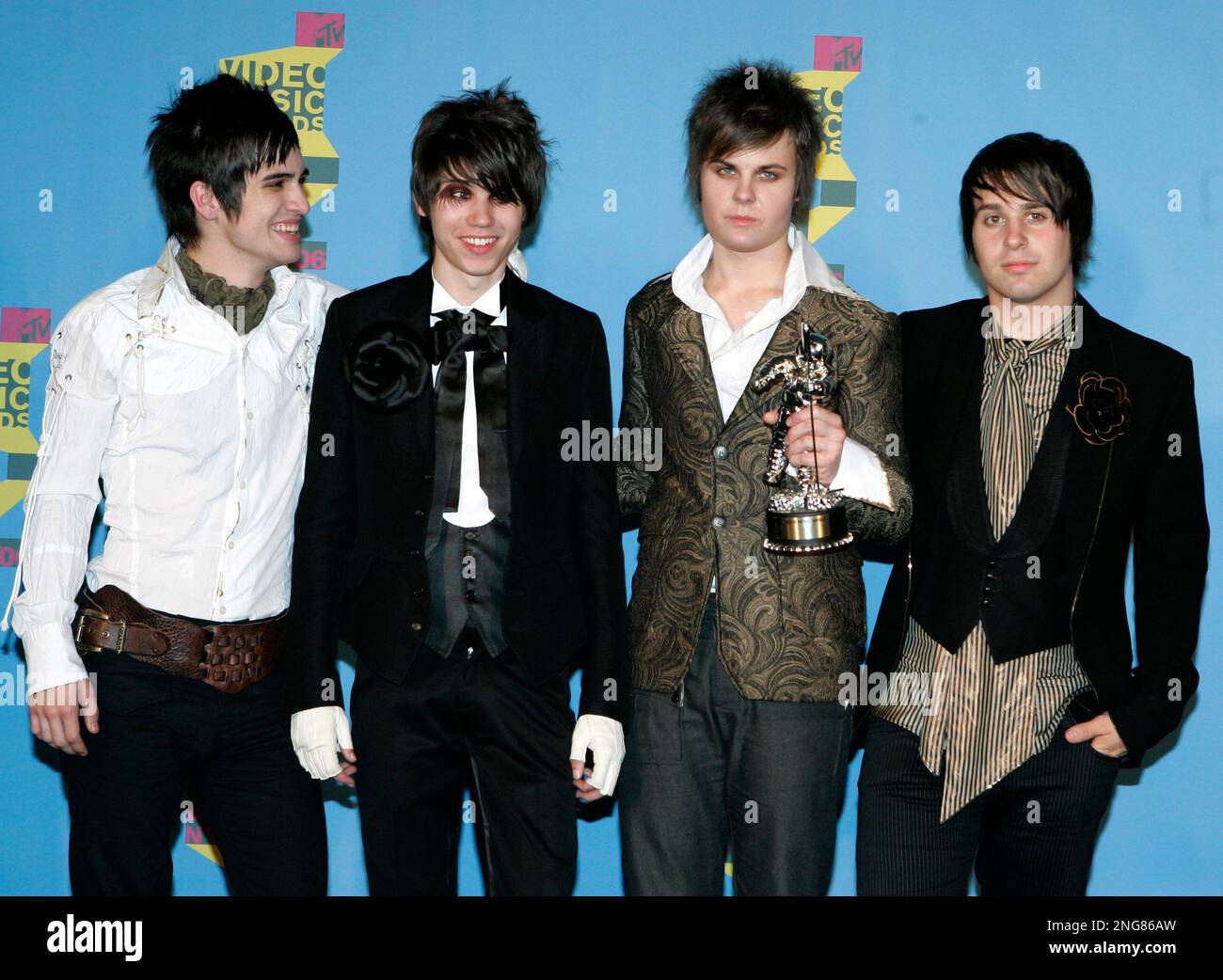
Perhaps the most iconic moment of Ryan Ross’s 20th year occurred on August 31, 2006—one day after his birthday. At the MTV Video Music Awards, Panic! At The Disco won Video of the Year for "I Write Sins Not Tragedies."
This win was a significant upset. The band was nominated alongside heavyweights like Madonna, the Red Hot Chili Peppers, and Christina Aguilera. For Ross, the win was a validation of the theatrical vision he had spearheaded. The music video, featuring a circus-themed wedding crashed by "Lucent Dossier" performers, was an extension of Ross’s interest in the grotesque and the beautiful.
| Category | Detail |
|---|---|
| Primary Instrument | Fender Telecaster (Vintage White/Custom) |
| Key Songwriting Credits | "I Write Sins Not Tragedies," "But It's Better If You Do" |
| Tour Name (2006) | Nothing Rhymes with Circus Tour |
| Chart Peak | A Fever You Can't Sweat Out reached #13 on the Billboard 200 |
| VMA Achievement | Video of the Year (2006) |
The "Nothing Rhymes with Circus" Tour
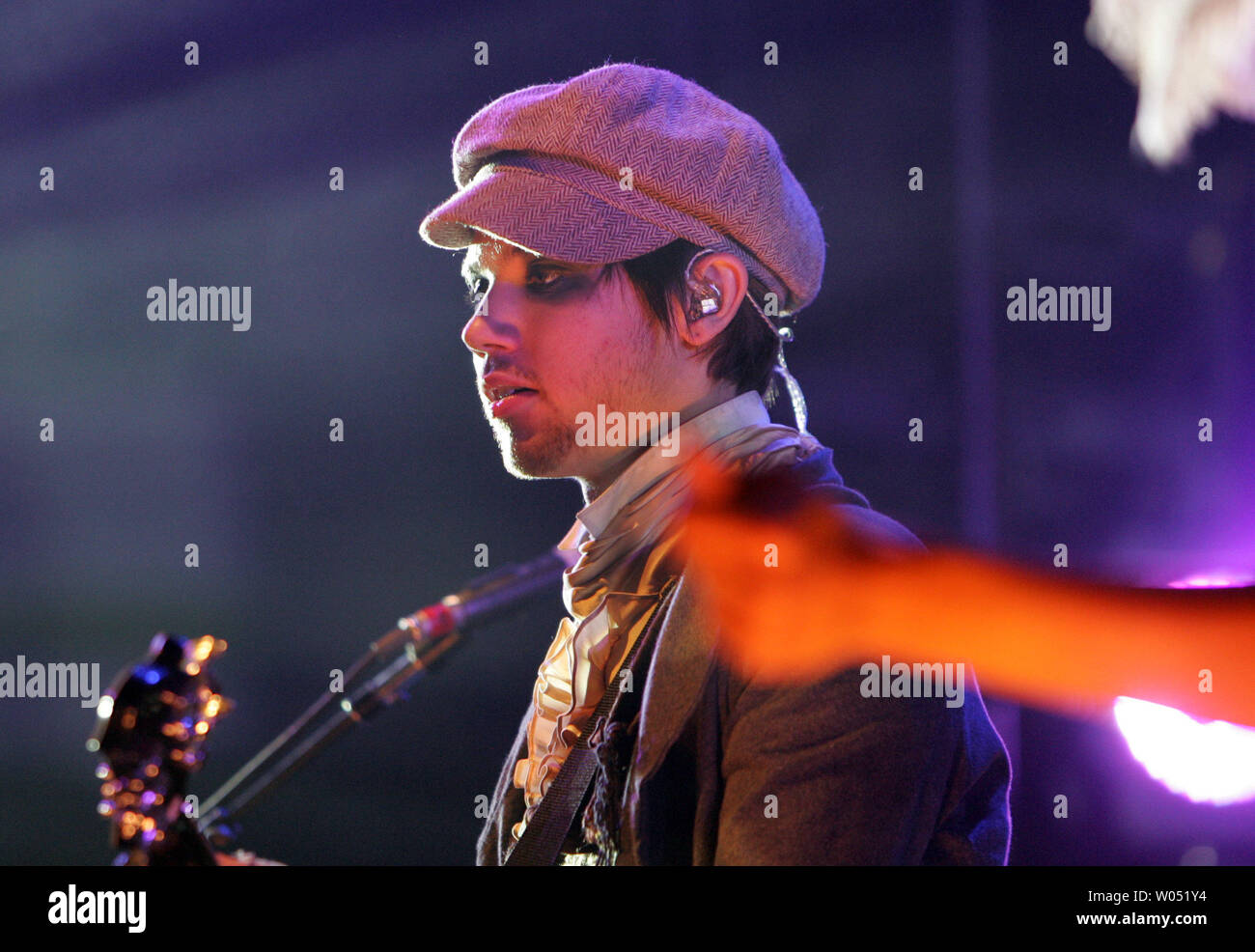
Throughout 2006, the band’s live performances evolved from basic club shows to full-scale theatrical productions. The "Nothing Rhymes with Circus" tour was the physical manifestation of Ross’s creative direction during his 20th year.
The tour featured:
- Acrobats and Dancers: The stage was populated with performers who acted out the narratives of the songs.
- Costume Design: Ross began wearing the iconic red ringmaster jackets, vests, and elaborate "stage makeup" (often involving intricate floral patterns or "eye masks" painted directly onto the skin).
- Set Design: The use of vintage luggage, velvet curtains, and antique furniture transformed the venues into vaudeville theaters.
This period was also a time of personnel transition. In May 2006, original bassist Brent Wilson was replaced by Jon Walker. This change was crucial for Ross, as Walker shared many of his classic rock influences. The chemistry between the 20-year-old Ross and Walker would eventually lead the band away from the electronic-emo sound and toward the Beatles-inspired psychedelic pop of their second album.
Technical Specifications: Ross’s 2006 Gear
For guitar enthusiasts and historians, Ross’s technical setup in 2006 was relatively straightforward but effective in achieving the bright, "twangy" sound required for the band's dance-rock tracks.
- Guitars: His primary instrument was a Fender Telecaster, often customized with floral decals or painted designs. He also frequently used a Gretsch semi-hollow body for a warmer, more resonant tone during the "vaudevillian" segments of the set.
- Amplification: During this era, Ross primarily used Vox AC30 amplifiers. The "chime" of the AC30 was essential for cutting through the dense mix of synthesizers and percussion.
- Effects: His pedalboard included the Ibanez TS9 Tube Screamer for overdrive, along with various delay and modulation pedals to create the atmospheric textures found in tracks like "Build God, Then We’ll Talk."
Challenges and the Weight of Success
The year 2006 was not without its difficulties. As a 20-year-old thrust into the spotlight, Ross faced intense public scrutiny. The band was frequently targeted by "rock purists" who dismissed their theatricality as a gimmick. Furthermore, the relentless touring schedule took a toll on the young musicians.
Ross’s songwriting often hinted at this unease. His lyrics frequently dealt with the "falseness" of the industry and the performative nature of public life. This introspective streak suggested that even at the height of his 2006 success, Ross was already looking for a way to reinvent himself—a move that would eventually manifest in the 180-degree stylistic shift of the band’s 2008 follow-up.
The Creative Partnership with Brendon Urie
In 2006, the dynamic between Ryan Ross and lead singer Brendon Urie was the engine of the band’s success. While Urie provided the acrobatic vocals and charismatic stage presence, Ross provided the intellectual and conceptual backbone.
It is important to note that in 2006, Ross was still the primary creative voice. He wrote the lyrics and the majority of the musical arrangements, while Urie interpreted them. This division of labor allowed Ross to remain the "architect" in the background, even as he stood at the front of the stage. This partnership was at its most harmonious during 2006, prior to the creative differences that would eventually lead to Ross's departure in 2009.
FAQ: Ryan Ross in 2006
How old was Ryan Ross when 'A Fever You Can't Sweat Out' was released?
Ross was 19 years old when the album was released in September 2005. He spent the majority of the album's primary promotion and touring cycle in 2006 as a 19 and 20-year-old.
Did Ryan Ross sing any lead vocals in 2006?
During the 2006 era, Ross primarily provided backing vocals and harmonies. It wasn't until the 2008 album Pretty. Odd. that he took on more prominent lead vocal duties on tracks like "Behind the Sea." However, his presence was heavily felt in the "gang vocals" common in their 2006 live sets.
What was Ryan Ross's role in the band's 2006 VMA performance?
Ross played lead guitar and provided backing vocals during their performance of "I Write Sins Not Tragedies" at the 2006 VMAs. He was also a key figure during the acceptance speech for Video of the Year, though he was famously interrupted by a stage crasher (later identified as "Sixx").
Why was 2006 considered Ryan Ross's most influential year?
2006 is considered his most influential year because it was the height of "Panic! Mania." His lyrical style, fashion choices (specifically the use of makeup and vests), and the band's "theatrical emo" aesthetic influenced thousands of smaller bands and shaped the visual language of the alternative music scene for years to come.
What happened to Ryan Ross after 2006?
Following the success of 2006, Ross led the band in a different musical direction for their 2008 album Pretty. Odd. In July 2009, he and bassist Jon Walker left Panic! At The Disco to form a new band, The Young Veins, citing creative differences with Brendon Urie and Spencer Smith.
Legacy and Next Steps for Enthusiasts
Looking back from 2026, Ryan Ross’s 20th year remains a definitive chapter in the history of alternative rock. He proved that a young artist could combine high-concept storytelling with mainstream pop sensibilities without sacrificing artistic integrity. For those looking to explore this era further, the best course of action is to revisit the 2006 live concert film Live in Chicago, which captures Ross at the peak of his theatrical powers.
Furthermore, analyzing the liner notes of A Fever You Can't Sweat Out provides a deeper appreciation for the technical complexity Ross brought to the genre. His work in 2006 serves as a reminder that the most enduring "pop" music is often that which dares to be the most eccentric.