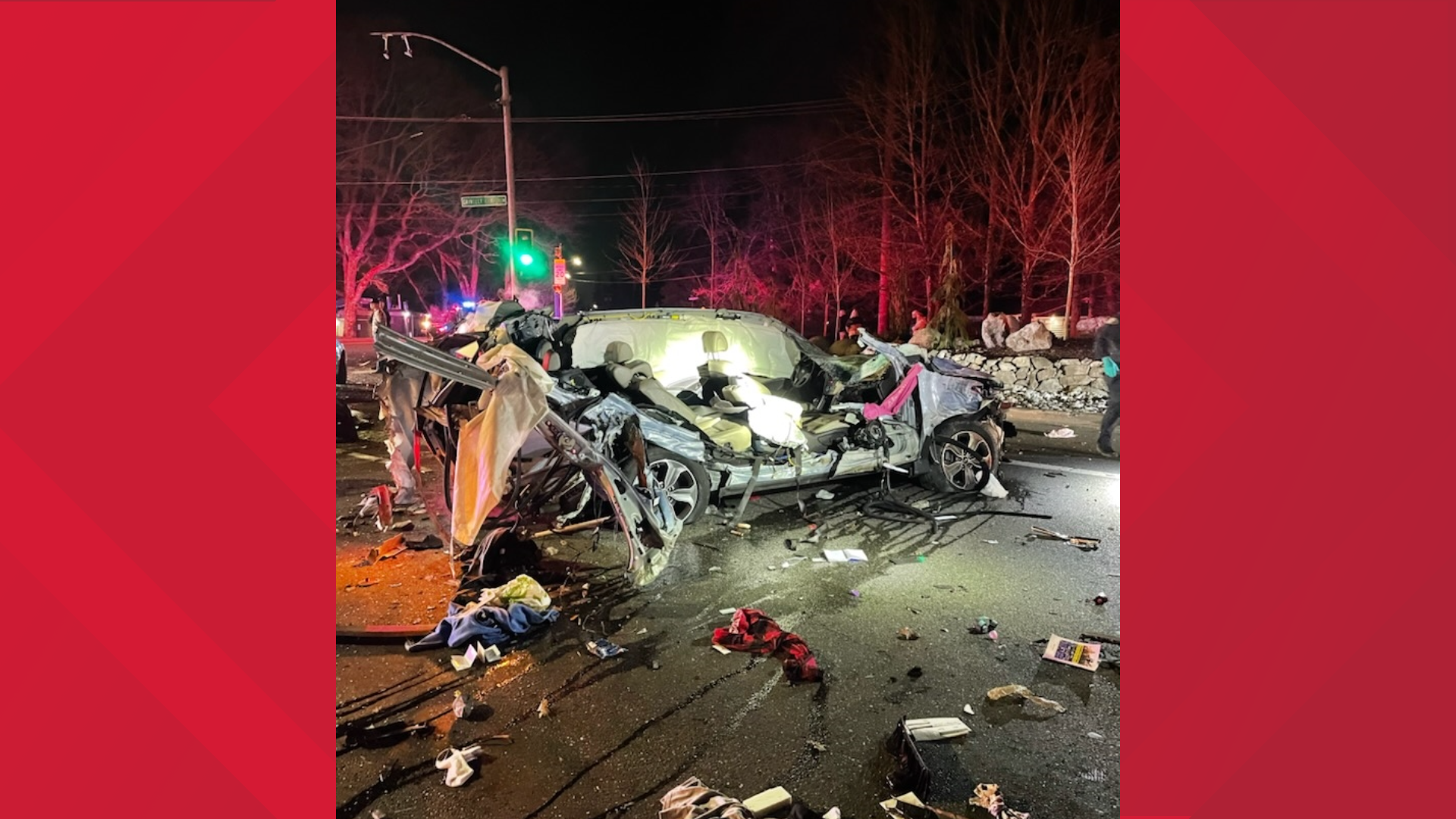
A fatal car accident resulting in two fatalities typically triggers an immediate emergency response, multi-agency traffic investigations, temporary road closures, and subsequent formal identification procedures conducted by local law enforcement and medical examiner offices.
Understanding Major Traffic Incidents and Emergency Protocols
When a severe multi-fatality collision occurs on public roadways, the resulting emergency protocols are swift, highly coordinated, and strictly regulated. The primary objectives for first responders are life preservation, scene safety, and the preservation of evidence required for vehicular homicide or accident reconstruction investigations. Understanding how these events unfold—from the initial 911 dispatch to the clearance of the scene—sheds light on why major roadways often experience prolonged disruptions and how authorities manage public safety crises.
The Anatomy of an Emergency Crash Response
The moment a severe collision is reported, a cascade of operational steps initiates across multiple emergency services.
- Initial Dispatch and Triage: Local dispatch centers receive emergency calls via cellular networks or automated crash-notification systems (such as OnStar or Apple Crash Detection). Dispatchers evaluate the urgency, location, and potential number of victims to deploy the appropriate mix of police, fire suppression, and emergency medical services (EMS).
- First Arrival and Scene Stabilization: The first units on the scene—frequently local police or fire departments—evaluate immediate hazards. This includes stabilizing overturned or structurally compromised vehicles, mitigating fuel leaks, managing live electrical wires from downed utility poles, and establishing a perimeter to protect victims and incoming responders.
- Medical Treatment and Extrication: For severe collisions, victims often require mechanical extrication using hydraulic rescue tools (commonly referred to as the "Jaws of Life"). Paramedics and trauma teams attempt life-saving interventions. When injuries are incompatible with life, pronouncements are made on-site in coordination with medical control protocols.
- Traffic Control and Diversion: State troopers or local traffic divisions close affected lanes or entire stretches of highway. Secondary crashes are a major hazard at accident sites, making rigorous traffic redirection paramount for worker and public safety.
The Role of Accident Reconstruction and Law Enforcement Investigation
When two or more fatalities occur, standard police reporting transitions into a rigorous forensic investigation led by specialized reconstruction units. These teams are tasked with determining the precise sequence of events leading up to, during, and immediately after the impact.
Forensic Methodology and Evidence Collection
Investigators do not rely solely on eyewitness accounts, which can be notoriously unreliable under high-stress conditions. Instead, they gather physical and digital evidence:
- Yaw and Skid Marks: The length, texture, and curvature of tire marks provide critical data regarding vehicle speed, braking intensity, and steering inputs prior to the collision.
- Point of Impact (POI): Debris fields, shattered glass, gouge marks in the pavement, and fluid trails help experts map out exactly where the vehicles collided.
- Event Data Recorders (EDRs): Modern passenger vehicles are equipped with EDRs (commonly known as "black boxes"). These devices record pre-crash parameters such as vehicle speed, throttle position, brake application, and seatbelt usage in the seconds leading up to an impact.
- Digital and Video Surveillance: Investigators canvas surrounding commercial properties, residential security cameras (such as Ring doorbells), and highway traffic monitoring cameras to secure video footage of the incident.
Factors Commonly Evaluated in Fatal Collisions
| Investigation Factor | Description | Primary Method of Analysis |
|---|---|---|
| Speed and Kinematics | Calculating the force and trajectory of vehicles based on mass and deceleration rates. | Skid mark measurement and EDR data extraction. |
| Driver Impairment | Assessing the presence of alcohol, illicit substances, prescription drugs, or extreme fatigue. | Toxicology screenings, field sobriety tests, and witness statements. |
| Environmental Conditions | Examining visibility, weather patterns, road surface friction, and signage adequacy. | Meteorological records, site surveys, and lighting assessments. |
| Mechanical Integrity | Inspecting steering components, brake systems, tire tread depth, and structural failures. | Post-crash forensic mechanical inspection. |
Traffic Management and Infrastructure Impacts
A fatal accident invariably causes significant disruptions to regional mobility. Depending on whether the incident occurs on a local arterial road, a state highway, or a major interstate, the economic and logistical fallout can ripple across the transportation network for hours.
Roadway Closures and Public Notification
Law enforcement agencies coordinate with departments of transportation to implement detours. Complete highway closures are frequently required when:
- Fatality investigations require extensive laser mapping and photographic documentation of the debris field.
- Hazardous materials, such as commercial fuel loads or industrial cargo, spill across travel lanes.
- Heavy-duty recovery wreckers are needed to upright semi-trucks or disentangle heavily damaged passenger vehicles.
Modern motorists typically receive real-time updates via state 511 systems, digital variable-message signs, and navigation applications like Waze or Google Maps. However, sudden closures during peak commuting hours frequently result in severe congestion on alternative secondary routes, increasing the risk of secondary rear-end collisions.
Post-Incident Procedures: Identification, Notification, and Support
Once the on-scene investigation concludes, the jurisdiction shifts from police control to the medical examiner or coroner's office. This phase involves sensitive legal and procedural requirements.
Notification of Next of Kin
By law and standard operating procedure, public release of victims' names is withheld until next-of-kin notifications are successfully completed. This prevents families from learning of a tragedy through social media or news broadcasts. Specially trained death notification officers or county coroners handle this responsibility, offering initial crisis support resources.
Public Records and Media Reporting
Initial news reports regarding fatal crashes are frequently based on preliminary police blotters or scanner traffic. As official investigations progress over days or weeks, more comprehensive press releases are issued detailing causal factors, toxicology results, and whether criminal charges or traffic citations will be filed against surviving parties.
Frequently Asked Questions
Why does a fatal car accident investigation take so long to clear?
Thorough investigations require meticulous evidence collection, including forensic mapping, vehicle inspections, and sometimes toxicology lab results. Rushing this process can compromise the integrity of evidence needed for criminal prosecutions or civil liability determinations.
How do authorities determine vehicle speed without video footage?
Reconstruction experts use mathematical formulas factoring in vehicle weights, the friction coefficient of the asphalt, skid mark lengths, and the final resting positions of the vehicles to calculate minimum pre-braking speeds with a high degree of accuracy.
Are family members notified before names are released to the public?
Yes. Law enforcement agencies adhere to strict protocols that prohibit the release of deceased individuals' names until family members have been officially located and notified by authorities.
What should drivers do when encountering an active accident scene on a highway?
Motorists should immediately reduce speed, move over into open lanes away from emergency workers if safe to do so (following "Move Over" laws), avoid rubbernecking, and follow all instructions given by law enforcement officers directing traffic.
Where can families find support following a fatal traffic collision?
Local police departments often maintain partnerships with victim advocacy groups, such as local chapters of Mothers Against Drunk Driving (MADD) or regional crisis intervention centers, which offer grief counseling and legal navigation assistance.
Next Actions and Safety Preparedness
For communities and individual drivers, major collisions serve as sobering reminders of roadway vulnerabilities. Drivers should routinely inspect vehicle safety features, including tire pressure, brake pads, and wiper blades, while strictly adhering to speed limits, avoiding distracted driving, and never operating a motor vehicle under the influence of alcohol or drugs. If you or someone you know has been affected by a traffic fatality, reach out to local victim support services or county health departments for specialized grief counseling resources.