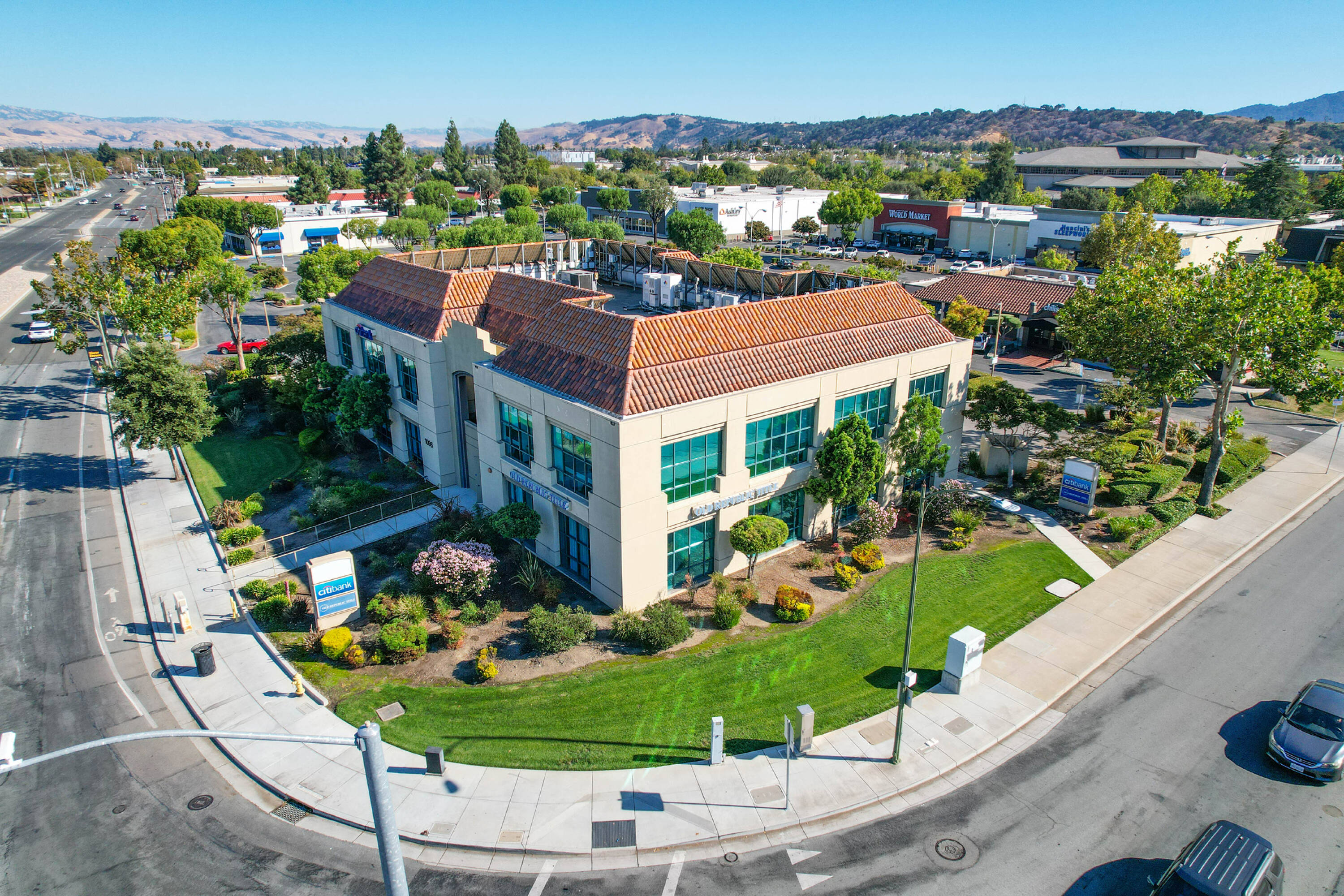
Navigating a specific real estate location like 1009 Blossom River Way in San Jose involves evaluating its micro-neighborhood, regional infrastructure, municipal zoning context, and the broader Santa Clara County real estate environment to understand property value and community placement.
Introduction to the Blossom River Way Corridor
When researching specific residential addresses such as 1009 Blossom River Way in San Jose, buyers, investors, and local researchers often seek to understand not just the physical structure, but the surrounding neighborhood context, municipal framework, and geographical advantages. Located within the dynamic landscape of San Jose, California—the heart of Silicon Valley—this address sits inside a carefully planned suburban fabric characterized by proximity to major regional transit corridors, local commerce, and established residential communities.
Understanding this specific location requires examining multiple layers of urban planning, historical development in South San Jose, local school district boundaries, and environmental factors typical of the Santa Clara Valley. This guide explores the multifaceted context surrounding 1009 Blossom River Way, breaking down the geographic setting, municipal regulations, neighborhood amenities, and practical considerations for anyone analyzing real estate or property management in this part of San Jose.
Geographical Setting and Micro-Neighborhood Analysis
The Blossom River Way corridor is situated in the southern portion of San Jose, an area that experienced significant suburban expansion during the late 20th century. This geographic sector transitions between traditional suburban residential tracts and commercial commercialization hubs linked by major thoroughfares such as Blossom Hill Road and Highway 85.
Proximity to Major Arteries and Transit
A defining characteristic of properties along Blossom River Way is their accessibility to regional transportation networks.
- Highway Access: State Route 85 (SR-85) and U.S. Route 101 are within close driving distance, facilitating commutes to major employment centers in North San Jose, Cupertino, Mountain View, and Palo Alto.
- Public Transportation: The Santa Clara Valley Transportation Authority (VTA) operates bus routes along major nearby corridors, and light rail connections are accessible at stations such as the Blossom Hill VTA station, connecting residents to downtown San Jose and other regional transit hubs.
- Active Transportation: The area features suburban sidewalk grids and proximity to local creek trails, offering cycling and pedestrian connectivity to neighborhood parks.
Topography and Environmental Context
San Jose sits in the Santa Clara Valley, flanked by the Santa Cruz Mountains to the west and the Diablo Range to the east. The terrain immediately surrounding Blossom River Way is generally flat, typical of the valley floor. When analyzing properties in this region, buyers and local stakeholders routinely review local hydrological maps, as parts of South San Jose interface with local waterways, seasonal creeks, and watershed management zones overseen by the Santa Clara Valley Water District (Valley Water).
Municipal Zoning and Land Use Regulations
Properties in San Jose are subject to municipal codes established by the City of San Jose Department of Planning, Building and Code Enforcement. Understanding the zoning designation of a parcel helps clarify permitted land uses, expansion rules, and neighborhood density controls.
Single-Family Residential (R-1) and Planned Developments
Much of the housing stock surrounding residential feeder streets like Blossom River Way falls under single-family residential zoning classifications or Planned Development (PD) districts. These designations regulate:
- Building Setbacks: Minimum distances a structure must maintain from property lines, streets, and neighboring parcels.
- Height Limits: Restrictions on vertical expansion to preserve neighborhood character and solar access.
- Density and Lot Coverage: Limits on the percentage of a lot that can be covered by permanent structures, ensuring adequate permeable surface area for drainage.
Accessory Dwelling Units (ADUs) and Modern Regulations
In alignment with California state housing laws and San Jose municipal ordinances, property owners across the city have increasing flexibility to construct Accessory Dwelling Units (ADUs) or Junior Accessory Dwelling Units (JADUs). Parcels in neighborhoods like the Blossom River Way vicinity must navigate specific requirements regarding:
- Wastewater capacity and utility connections.
- Off-street parking exemptions or requirements based on distance from public transit.
- Architectural harmonization with the primary dwelling unit.
Local Amenities, Infrastructure, and Community Services
Neighborhood livability around 1009 Blossom River Way is heavily influenced by proximity to retail centers, parks, healthcare facilities, and educational institutions.
Retail and Commerce
South San Jose features robust commercial infrastructure, reducing the need for long commutes for daily necessities.
- Shopping Centers: Major retail hubs, including the Westfield Oakridge mall and various neighborhood strip centers along Blossom Hill Road and Monterey Road, provide grocery stores, dining options, pharmacies, and specialty retail.
- Services: Banking, fitness centers, and professional services are distributed throughout the immediate commercial zones.
Parks and Recreation
The area benefits from San Jose’s extensive municipal park system. Local neighborhood parks offer green spaces, children's play areas, and sports courts. Furthermore, the proximity to regional open spaces provides access to hiking trails and weekend recreational opportunities.
Comparative Overview of South San Jose Real Estate Factors
To contextualize the property dynamics near Blossom River Way, the following table outlines key infrastructural, environmental, and municipal parameters relevant to residential real estate in this sector of San Jose.
| Feature Category | Description / Local Context | Primary Considerations for Stakeholders |
|---|---|---|
| Municipal Jurisdiction | City of San Jose | Governed by San Jose Municipal Code, local zoning laws, and building safety codes. |
| County Administration | Santa Clara County | Handles property tax assessments, public health services, and county records. |
| Transportation Links | State Route 85, US-101, VTA Light Rail | Dictates commute times, traffic patterns, and public transit accessibility. |
| Utility Providers | Pacific Gas and Electric (PG&E), San Jose Water Company | Manages electricity, natural gas, and municipal water infrastructure. |
| Drainage & Watershed | Santa Clara Valley Water District (Valley Water) | Oversees flood protection, creek maintenance, and regional stormwater management. |
| School Districts | Local elementary/high school districts | Boundaries determine public education enrollment options for neighborhood children. |
Frequently Asked Questions
What city and county jurisdiction covers 1009 Blossom River Way?
This address is located within the city limits of San Jose, which is the seat and largest city of Santa Clara County in Northern California. Municipal services such as police, fire, and code enforcement are managed by the City of San Jose, while property tax collection and public health oversight are handled by Santa Clara County.
How does regional highway access affect the Blossom River Way area?
The location offers convenient access to State Route 85, providing a direct link across the southern portion of the Silicon Valley. This highway connects to major north-south corridors like Interstate 280, Interstate 880, and U.S. Route 101, making it accessible for commuters traveling to tech campuses, medical centers, and educational institutions across the South Bay.
What utility providers service homes in this part of San Jose?
Electricity and natural gas are primarily provided by Pacific Gas and Electric (PG&E). Water service in many South San Jose neighborhoods is supplied by the San Jose Water Company or municipal utility services, while wastewater management and sewage treatment are administered by the City of San Jose Environmental Services Department.
Are there environmental or flood management considerations in South San Jose?
Like much of the Santa Clara Valley, portions of South San Jose interface with local watershed areas managed by Valley Water. Property buyers and owners routinely check FEMA flood zone designations and local grading requirements to ensure appropriate drainage and compliance with regional flood protection standards.
Practical Next Steps for Property Research
For individuals researching specific parcels like 1009 Blossom River Way in San Jose, direct verification through official municipal and county channels is essential.
- Consult Official Records: Access the Santa Clara County Clerk-Recorder's Office or the San Jose Planning Department online portals to review parcel numbers, historical permits, and zoning maps.
- Verify School Boundaries: Because school district boundaries can be subject to localized adjustments, contact the relevant local school districts directly to confirm current enrollment eligibility.
- Assess Utility and Hazard Disclosures: Review standard real estate disclosure documents, natural hazard disclosure reports, and utility provider maps to understand site-specific conditions thoroughly.