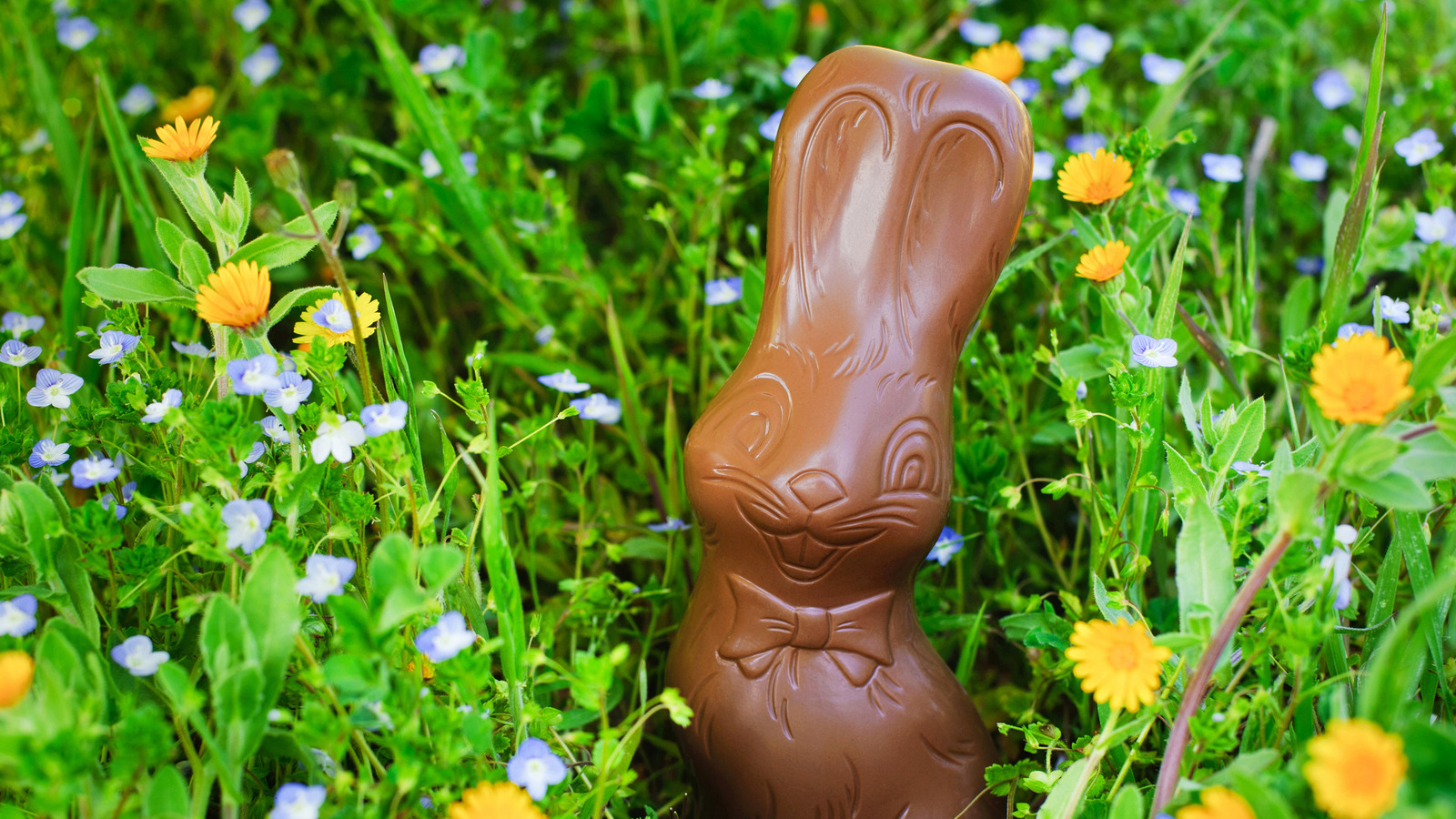
Purchasing a massive 10 pound chocolate bunny at Costco involves navigating seasonal inventory, managing transportation and storage logistics for oversized confectionery items, and evaluating the overall price-to-weight value ratio compared to traditional holiday treats.
When the spring holiday season approaches, wholesale retail warehouses like Costco Wholesale undergo a dramatic shift in their seasonal aisles. Among the towering displays of pastel-colored packaging, giant stuffed animals, and bulk baskets, one item consistently captures the attention of shoppers: the colossal chocolate bunny. Weighing in at a staggering 10 pounds, this oversized novelty confection is as much a conversation piece as it is a food product. For shoppers encountering this giant treat for the first time, questions immediately arise regarding its actual availability, pricing structure, storage requirements, and practical utility. Understanding what goes into producing, stocking, and consuming a 10 pound chocolate bunny helps consumers determine whether this seasonal statement piece is worth the cart space.
Understanding the 10 Pound Chocolate Bunny Phenomenon
The presence of extremely large novelty chocolates in wholesale clubs is a calculated merchandising strategy designed to drive foot traffic, generate social media engagement, and appeal to consumers looking for dramatic holiday centerpieces. While standard Easter chocolates usually range from 2 ounces to 16 ounces, wholesale retailers frequently scale up popular holiday symbols to massive proportions.
A 10 pound chocolate bunny is not merely a scaled-up version of a standard candy bar; it is an engineering and culinary undertaking. Producing a hollow or solid chocolate figure of that size requires specialized molds, careful temperature control during the cooling process to prevent blooming or cracking, and heavy-duty packaging to withstand the rigors of warehouse stocking and customer transit. Because of these manufacturing demands, these giant bunnies are produced in limited quantities exclusively for the spring season, appearing on shelves typically in late February or March and disappearing shortly after the holiday passes.
Sourcing and Availability at Costco Warehouses
Finding a 10 pound chocolate bunny at Costco requires an understanding of wholesale inventory management. Unlike everyday grocery items, seasonal novelty goods are subject to strict allocation and regional distribution rules.
Regional Distribution and Inventory Fluctuation
Costco operates on a regional distribution model, meaning that not every warehouse receives the exact same inventory. While giant chocolate bunnies are a staple of the spring seasonal rollout, their availability depends heavily on local warehouse manager orders, regional demographic demand, and shipping logistics. Shoppers should verify stock locally rather than assuming nationwide availability.
Seasonal Timing and Window of Opportunity
The optimal window for purchasing seasonal wholesale items is narrow. These items typically arrive in warehouses four to six weeks before the holiday. Once the initial pallet sells out, replenishment is rarely guaranteed due to the finite production runs managed by the confectionary suppliers. Consumers who wait until the week before the holiday frequently find empty shelves or clearance items that have been picked over.
In-Store Versus Online Purchasing
While Costco maintains a robust e-commerce platform, extremely large, fragile, and temperature-sensitive items like a 10 pound chocolate bunny are frequently restricted to physical warehouse locations. Shipping a massive, delicate chocolate structure introduces high risks of melting or fracturing during transit, making in-store pickup the primary acquisition method for this specific item.
Evaluating Value, Pricing, and Specifications
When assessing a bulk purchase at a wholesale club, buyers look closely at the cost per pound, the quality of the ingredients, and the physical dimensions of the product.
Cost-Per-Pound Analysis
Wholesale shopping is fundamentally driven by unit economics. While spending a large sum on a single novelty item might seem counterintuitive, breaking down the cost reveals how wholesale pricing compares to specialty boutique chocolates.
| Metric | 10 Pound Costco Bunny | Standard Premium Hollow Bunny | Mass-Market Grocery Bunny |
|---|---|---|---|
| Average Total Weight | 160 ounces (10 lbs) | 4 to 8 ounces | 1.5 to 3 ounces |
| Estimated Price Range | Bulk wholesale pricing | Premium boutique pricing | Discount retail pricing |
| Cost Per Ounce | Economical bulk rate | High artisanal rate | Low baseline rate |
| Chocolate Type | Standard milk chocolate | Couverture / Single-origin | Standard compound or milk |
Ingredient Composition and Quality
Mass-produced giant novelty chocolates are typically crafted from standard milk chocolate. The primary ingredients usually include sugar, cocoa butter, whole milk powder, chocolate liquor, and soy lecithin as an emulsifier. Consumers should note that these large figures are engineered primarily for visual impact, gifting, and sharing at large gatherings rather than gourmet tasting notes.
Structural Integrity: Solid Versus Hollow
A common point of inquiry among buyers is whether a 10 pound chocolate bunny is solid or hollow. Due to the sheer weight and material limits of chocolate, manufacturing a completely solid 10 pound chocolate figure would result in a block too heavy to handle safely and structurally unstable during temperature fluctuations. Most commercial giant bunnies feature thick chocolate walls that provide immense durability while remaining manageable for breaking apart with kitchen tools.
Practical Considerations for Storage, Handling, and Consumption
Owning a 10 pound chocolate confection introduces logistical challenges that do not apply to standard-sized groceries. Proper handling ensures the product remains palatable and safe for consumption.
Transportation and Vehicle Climate Control
Transporting a giant chocolate bunny requires careful attention to automobile cabin temperatures. Chocolate begins to soften at approximately 70°F (21°C) and melts rapidly in direct sunlight or warm vehicle interiors. Shoppers should ensure their vehicle is cool, secure the box flat or braced to prevent sliding and breakage, and plan their shopping trip as the final stop before returning home.
Long-Term Storage and Temperature Management
Storing 10 pounds of chocolate requires stable environmental controls. The ideal storage temperature ranges between 55°F and 65°F (13°C to 18°C) in a dry, dark location. Storing the chocolate in a standard household refrigerator can cause "sugar bloom," where moisture draws sugar to the surface, creating a white, powdery appearance that alters texture while remaining safe to eat.
Breaking Down and Portioning the Confection
Consuming a 10 pound bunny requires tactical intervention. Attempting to bite into or snap the figure by hand is impractical. Safe portioning typically requires:
- Placing the wrapped or unwrapped bunny on a clean, stable cutting surface.
- Using a heavy, sharp chef's knife or a kitchen mallet to carefully score and break off manageable chunks.
- Storing broken pieces in airtight glass containers or food-grade storage bags to preserve freshness and prevent the absorption of household odors.
Frequently Asked Questions
Are 10 pound chocolate bunnies available at all Costco locations?
No. Availability varies by region and individual warehouse manager discretion. High-volume locations are more likely to stock large seasonal novelty items, but checking inventory through local warehouse customer service prior to visiting is recommended.
Is the giant Costco chocolate bunny solid or hollow?
It is manufactured with thick outer walls rather than being a solid block of chocolate. This engineering choice keeps the total weight manageable while providing a substantial amount of confectionery product.
What is the best way to store a 10 pound chocolate bunny after purchase?
Keep the chocolate in a cool, dry place away from direct sunlight, ideally maintaining an ambient temperature between 55°F and 65°F. Avoid standard refrigeration unless necessary, as temperature swings can cause moisture condensation and subsequent sugar bloom.
How long does a wholesale chocolate bunny stay fresh?
When stored in optimal, temperature-controlled conditions, milk chocolate retains its quality for several months. However, exposure to air, heat, or humidity will degrade the flavor and texture much faster.
Can I order a 10 pound chocolate bunny on the Costco website?
Due to the high risk of melting, shifting, and structural damage during standard parcel shipping, oversized novelty chocolates are primarily sold as in-store warehouse-only items.
Summary and Next Actions
The 10 pound chocolate bunny at Costco serves as an impressive seasonal novelty, combining wholesale value with undeniable visual scale. Success in purchasing one relies on timing warehouse visits correctly during the weeks leading up to the spring holiday, verifying local stock, and planning for secure vehicle transport and cool home storage. For shoppers planning a major gathering, looking for a unique gift, or seeking a massive supply of baking and snacking chocolate, verifying availability at the nearest wholesale location is the essential first step.