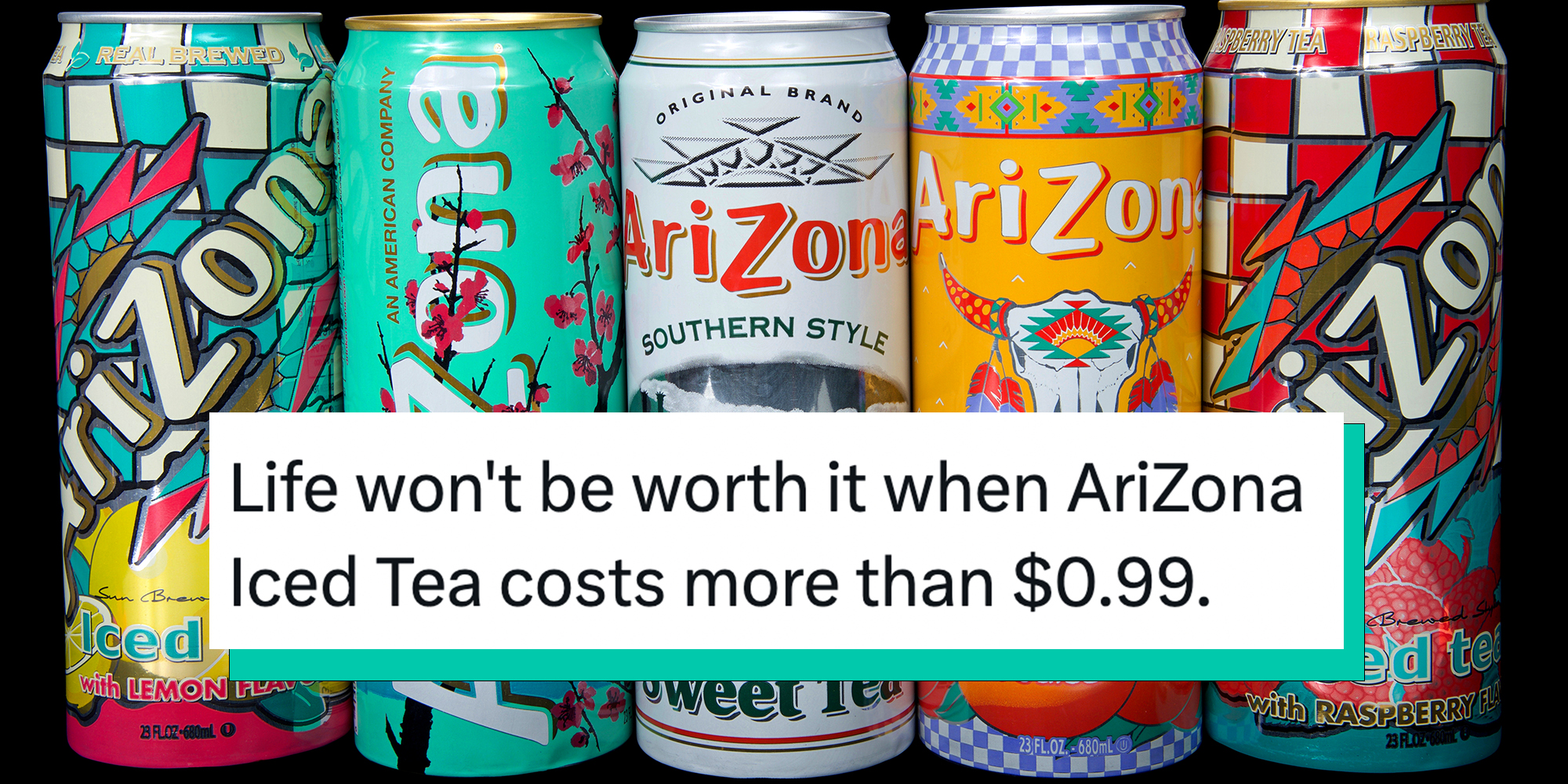
The enduring 99-cent or 1-dollar large-format iced tea—typified by cultural mainstays like AriZona Iced Tea—defies decades of inflation through a masterclass in high-volume supply chain optimization, ultra-lean marketing, and strategic package downsizing. By locking in a fixed retail price point, manufacturers preserve impulse-buy appeal while relying on fractional margins multiplied across hundreds of millions of units to generate sustainable profit.
Introduction: The Phenomenon of the 99-Cent Price Point
For decades, consumer goods across every sector have succumbed to inflation. A cup of coffee, a gallon of milk, and a fast-food meal have all doubled or tripled in price. Yet, large 23-ounce (and occasionally 20-ounce) cans of ready-to-drink iced tea have famously clung to the 99-cent price point stamped directly onto their metal surfaces.
This pricing strategy is not an act of charity by beverage corporations. Instead, it is an intentional business model built on volume, psychological anchoring, and aggressive cost control. Understanding how a company can sell a manufactured, packaged, and transported liquid product for less than a dollar requires examining the underlying mechanics of modern food and beverage economics.
The Historical Anchoring and Consumer Psychology of 99-Cent Pricing
Price anchoring is a cognitive bias where consumers rely heavily on the first piece of information offered (the "anchor") when making decisions. When a consumer sees a 99-cent price tag printed directly on the packaging by the manufacturer, that number becomes the permanent baseline for what that product should cost.
The Power of the Manufacturer-Printed Price
Unlike most consumer goods where retailers dictate the shelf price based on local demand and overhead, iconic low-cost tea brands print the suggested retail price directly onto the can. This practice shifts consumer psychology significantly:
- Erosion of Retailer Control: Convenience stores, supermarkets, and gas stations cannot easily markup the product without looking predatory to the consumer, because the price is transparently displayed.
- Universal Trust: Consumers develop high brand loyalty because they know they will never face a "convenience store markup" shock for this specific item.
- Impulse Purchasing: At under a dollar, the product sits below the cognitive threshold requiring deliberate financial consideration. It becomes an impulse buy, driving high-frequency transactional volume.
Supply Chain Mastery: Raw Materials and Production Scale
To maintain a 99-cent retail price while leaving room for distributor, wholesaler, and retailer margins, the cost to manufacture a single can of iced tea must be fractions of a cent. This is achieved through hyper-efficient industrial scaling.
The Cost Breakdown of a Single Can
While exact financial disclosures are closely guarded trade secrets, industry analysts estimate the cost structure of a 99-cent beverage breaks down approximately as follows:
- Ingredients (Water, Sugar, Tea Extracts, Flavorings): Less than 10 cents. Water is sourced cheaply and purified locally, while sweeteners (often high-fructose corn syrup or cane sugar blends) are purchased in massive agricultural commodities quantities. Real tea extract represents a small percentage of the total liquid volume.
- Packaging (Aluminum Can and Lid): Often the single most expensive component of the product. Aluminum prices fluctuate globally, requiring companies to lock in long-term hedging contracts or lightweight their cans to minimize material costs.
- Manufacturing and Labor: Highly automated bottling and canning lines operate at speeds exceeding 1,000 cans per minute, reducing labor costs per unit to near-zero.
The Logistics Puzzle: Distribution and Freight Economics
Shipping heavy liquid products across thousands of miles represents a massive logistical hurdle. Water is dense and expensive to move. How do ultra-cheap teas absorb freight costs without breaking their margins?
Maximizing Freight Density
Logistics efficiency is measured by weight and cube utilization. Beverage distributors optimize transport by packing pallets to the absolute legal weight limits of semi-trucks. Furthermore, major brands utilize distributed manufacturing networks:
- Regional Bottling Partners: Rather than shipping finished cans from a single central factory across the entire country, companies partner with regional bottling plants.
- Reduced Transport Radii: Concentrated syrup or dry ingredients are shipped efficiently, and water is added at regional facilities, drastically cutting long-term freight mileage and fuel exposure.
The Retailer’s Perspective: Why Sell Low-Margin Products?
Retailers—particularly convenience stores, gas stations, and bodegas—are notorious for demanding high profit margins on inventory to cover expensive real estate, refrigeration, and labor overhead. Why do they stock a 99-cent tea that yields pennies in profit?
| Margin Component | Traditional Beverage | 99-Cent Iced Tea Model |
|---|---|---|
| Retailer Gross Margin (%) | 40% – 50% | 15% – 25% |
| Inventory Turn Rate | Moderate | Exceptionally High |
| Foot Traffic Driver | Low | High |
| Cross-Selling Potential | Moderate | High (Snacks, Tobacco) |
Volume Trumps Margin
The answer lies in velocity. A traditional beverage with a 50% margin that sits on a shelf for a week generates less gross profit than a 99-cent tea that sells out three times a day.
- Refrigeration ROI: Walk-in coolers consume electricity. High-turnover items maximize the revenue generated per square foot of refrigerated shelf space.
- Basket Building: Customers rarely enter a store to buy only a 99-cent tea. They frequently add chips, candy bars, or sandwiches to their purchase, boosting the retailer’s overall transaction size.
Zero-Dollar Marketing: Bypassing Traditional Advertising
One of the most profound drivers behind the economic viability of cheap tea is the total absence of traditional, expensive advertising campaigns.
While multi-national beverage conglomerates spend billions of dollars annually on celebrity endorsements, Super Bowl commercials, and digital ad networks, low-cost tea brands historically rely on organic cultural positioning.
- The Packaging is the Billboard: The loud, detailed aesthetic of the can acts as its own point-of-sale marketing.
- Word of Mouth and Memetic Status: The steadfast refusal to raise prices has turned the product into a pop-culture meme and a symbol of working-class affordability, generating free earned media across social platforms.
- Avoiding Direct Competitors: By refusing to compete in the premium functional beverage space (such as functional energy drinks or cold-pressed juices), these brands bypass the need for costly educational marketing campaigns.
Shrinkflation and Alternative Cost-Containment Strategies
When operational pressures—such as spiking aluminum tariffs, labor shortages, or inflation in sweetener markets—threaten the 99-cent price ceiling, companies must adapt without breaking the psychological price anchor.
How Brands Defend the Price Point
- The 23-Ounce Standard: Maintaining the large size while micro-adjusting manufacturing efficiencies prevents direct price hikes.
- Product Line Diversification: Companies introduce higher-priced product lines—such as premium coffees, juice blends, or smaller organic lines—at higher price points. These alternative SKUs subsidize the razor-thin margins of the core 99-cent legacy product.
- Supply Chain Redundancy: Long-term contracts with aluminum suppliers and agricultural commodity futures protect brands from sudden spot-market price shocks.
Common Misconceptions About Cheap Beverages
Consumers often harbor skepticism regarding how a product can remain so inexpensive for decades, leading to several persistent myths:
- Myth: The ingredients must be expired or substandard.
- Reality: Ingredients are mass-produced commodity items subject to strict food safety regulations. The low cost is a factor of industrial scale, not compromised safety or expired goods.
- Myth: Companies lose money on every can and make it up elsewhere.
- Reality: Every single SKU must maintain a positive gross margin. Companies are profitable because the sheer volume of units sold absorbs fixed corporate overhead.
- Myth: The cans are getting smaller to trick consumers.
- Reality: While shrinkflation is rampant in the broader snack and candy industries, iconic large-format cans have famously maintained their exact fluid-ounce volume for decades.
Frequently Asked Questions
Why hasn't inflation forced 99-cent tea to increase in price?
The price is printed directly on the packaging by the manufacturer, creating a powerful psychological anchor. To keep it at 99 cents, companies rely on hyper-automated mass production, ultra-lean marketing with zero traditional advertising, and regional distribution networks that minimize freight costs.
Do convenience stores actually make money selling 99-cent tea?
Yes. Although the percentage profit margin per unit is lower than other beverages, the extreme sales velocity and high foot traffic make it a lucrative product for store owners. It also drives impulse purchases of higher-margin items like snacks and sandwiches.
Are the ingredients in cheap iced tea low quality?
No. The ingredients consist primarily of water, sweeteners, and tea extracts purchased in massive agricultural quantities. Low retail cost reflects supply chain efficiency and massive economies of scale rather than a compromise in food safety.
How do brands handle sudden spikes in aluminum or sugar costs?
Companies use financial hedging strategies, long-term supply contracts, and localized manufacturing to buffer against commodity price volatility. They also offset tight margins on the core product by introducing higher-priced secondary product lines.
Conclusion and Strategic Takeaway
The enduring presence of the 99-cent tea proves that extreme efficiency can triumph over macroeconomic inflation. By rejecting traditional marketing playbooks, optimizing every link of the supply chain from raw ingredients to regional bottling, and respecting the consumer's psychological price anchor, manufacturers have turned a low-margin commodity into a high-volume juggernaut. For business strategists, the model illustrates a fundamental truth: volume and unwavering brand consistency can sometimes outlast inflation itself.