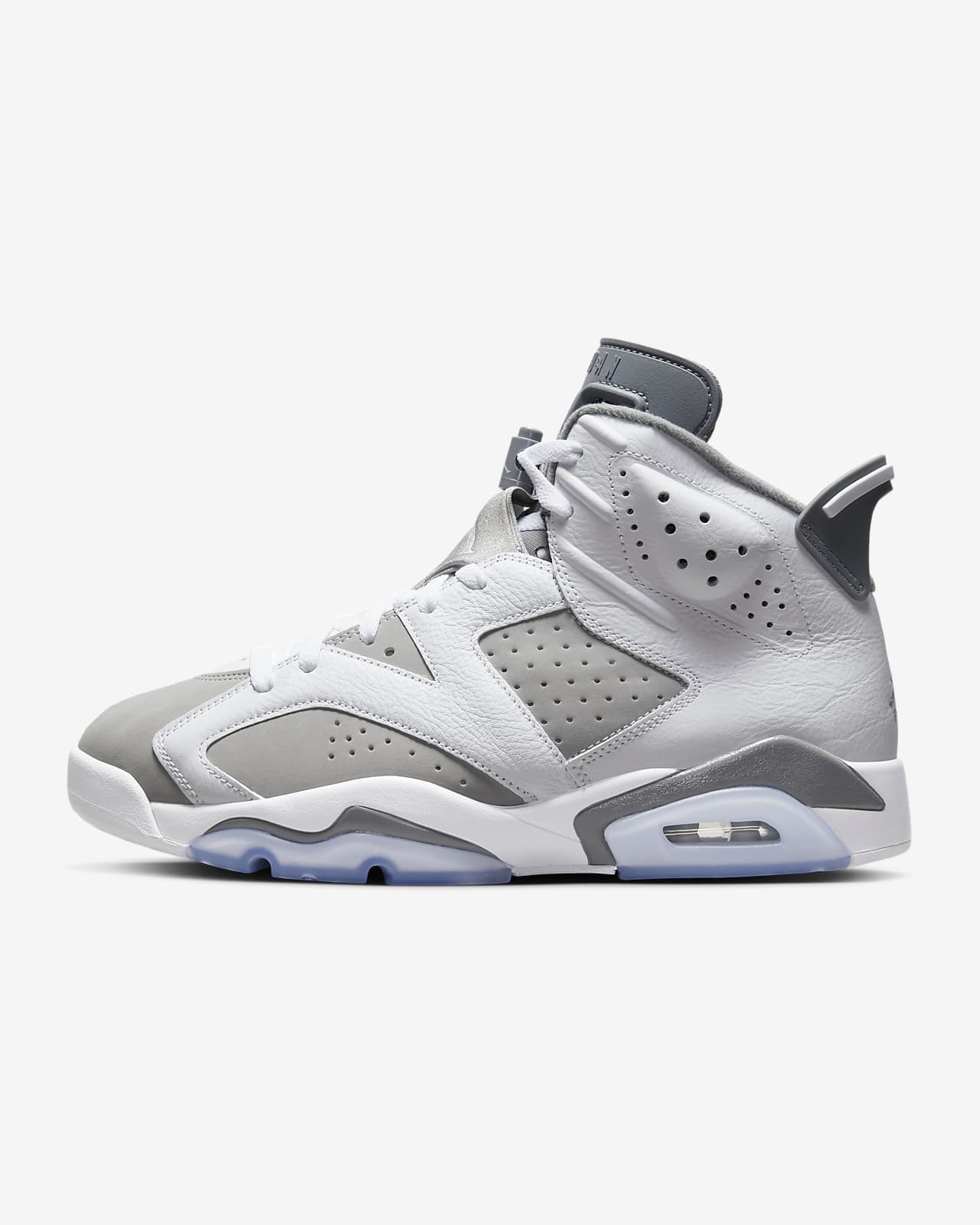
The Air Jordan 6 Brazil is a premium retro sneaker originally released in June 2014 to commemorate the FIFA World Cup hosted in Brazil. Characterized by its sophisticated black leather and nubuck upper accented with "Light Lucid Green" and "Varsity Maize," this silhouette remains one of the most sought-after regional-themed releases in the Jordan Brand archive. As of 2026, it is considered a high-value collector's item, representing a unique intersection of basketball heritage and global football culture.
The Origins and Significance of the Brazil Pack
The release of the Air Jordan 6 Brazil was not a standalone event. It was the centerpiece of the "Brazil Pack," a two-shoe collection that paired the iconic Air Jordan 6 with a Jordan CP3.VII, the signature shoe of Chris Paul. This was a strategic move by Nike and Jordan Brand to capitalize on the immense global attention focused on the 2014 World Cup.
While Michael Jordan is synonymous with basketball, the brand has frequently used international sporting events to expand its lifestyle appeal. Brazil, being the most successful nation in World Cup history, provided the perfect canvas for a celebratory colorway. The pack originally carried a retail price of $500, a significant jump from standard retro pricing at the time, signaling its status as a "Tier Zero" or premium release.
The choice of the Air Jordan 6 silhouette was also intentional. Designed by Tinker Hatfield and originally released in 1991, the shoe was on Michael Jordan’s feet when he won his first NBA Championship. By 2014, the AJ6 was celebrating its 23rd anniversary, making it the focal point of the brand’s retro marketing for that calendar year.
Design Breakdown: Materials and Aesthetics
The Air Jordan 6 Brazil is often praised for its "stealth-wealth" aesthetic. Unlike other World Cup-themed sneakers that lean heavily into loud, neon palettes, the Brazil 6 uses a dark base to allow the national colors to pop subtly.
Upper Construction
The upper features a dual-material construction. The base layers are crafted from a premium black nubuck, which provides a matte, velvet-like texture. Overlaid on this are panels of high-quality tumbled leather, also in black. This "black-on-black" layering creates a depth of texture that distinguishes it from the standard "Infrared" or "Varsity Red" colorways.
Color Accents and Details
The "Light Lucid Green" and "Varsity Maize" accents are applied strategically to the midsole, heel tab, and tongue.
- The Midsole: Features a striking green and yellow speckled pattern over a black base, reminiscent of the "Oregon Ducks" PE (Player Exclusive) colorways.
- The Heel Tab: The "spoiler" on the back of the shoe is rendered in translucent green with a yellow stripe.
- The Branding: The Jumpman logo on the lace shroud is embroidered in green, while the Jumpman on the heel is stitched in yellow.
The Outsole
The shoe utilizes the signature Air Jordan 6 translucent "icy" outsole. In the Brazil edition, these pods have a slight blue tint, which contrasts sharply against the black rubber. In the center of the outsole, a large Varsity Maize Jumpman is visible under the translucent traction pods.
Technical Specifications and Performance Legacy
While few collectors choose to play basketball in a pair of Brazil 6s in 2026, the shoe retains the technical features that made it a performance powerhouse in 1991.
| Feature | Specification | Purpose |
|---|---|---|
| Cushioning | Visible Air-Sole unit in the heel; encapsulated Air in the forefoot | Impact protection and responsive court feel |
| Upper Materials | Tumbled leather and premium synthetic nubuck | Durability and structural support |
| Lacing System | Internal bootie with toggle lace lock | Secure, customizable lockdown |
| Outsole | Translucent and solid rubber with herringbone patterns | Multi-directional traction on hardwood or pavement |
| Weight | Approximately 15-16 oz (varies by size) | Substantial feel typical of early 90s design |
| Heel Tab | "Spoiler" style pulled from high-end sports cars | Ease of entry and iconic silhouette silhouette |
The internal bootie construction was a major innovation at the time of the AJ6's original debut, designed to wrap the foot and reduce irritation. The "holes" in the tongue were specifically requested by Michael Jordan to make it easier to pull the shoe on, a detail that remains a staple of the model.
Sizing and Fit Recommendations
For those looking to purchase a pair of Air Jordan 6 Brazils in 2026, understanding the fit is crucial, as the materials have aged and may have different flex properties than a modern performance sneaker.
- True to Size (TTS): Most users find that the Air Jordan 6 fits true to size. If you wear a US 10 in most Nike sneakers, a US 10 should suffice here.
- Roomy Toebox: The AJ6 is known for having a slightly wider and longer toebox than the Air Jordan 1 or Air Jordan 4. If you prefer a very snug fit or have narrow feet, you might consider going down half a size.
- Break-in Period: Because the Brazil 6 uses premium tumbled leather, the "upper" overlays are thicker than standard versions. Expect a short break-in period of 3-5 wears before the leather softens around the flex points of the forefoot.
Collectibility and Market Value in 2026
Entering 2026, the Air Jordan 6 Brazil has transitioned from a "hype" release into a "vintage" staple. Its value is driven by three main factors: rarity, condition, and its connection to a specific historical event.
Scarcity
The Brazil Pack was limited in production compared to "General Release" (GR) colorways. Many pairs were broken up by resellers, meaning finding a complete pack with the original large-format box and the CP3.VII is increasingly difficult. Individual pairs of the AJ6 Brazil are more common on the secondary market but still command a premium.
Condition and Longevity
A major concern for any sneaker from 2014 is hydrolysis. The midsoles of the Air Jordan 6 are made of polyurethane (PU). Over time, moisture in the air breaks down the chemical bonds in the PU, leading to "crumbling." By 2026, 12 years after production, "Deadstock" (unworn) pairs are at higher risk of crumbling than pairs that have been worn occasionally, as compression helps keep the air out of the PU foam.
Current Pricing
On platforms like StockX and GOAT, prices for the Air Jordan 6 Brazil fluctuate based on the "yellowing" of the soles and the structural integrity of the midsole.
- New/Deadstock: $450 – $650 (depending on size and box condition).
- Used/Excellent Condition: $250 – $375.
- Sole Yellowing: It is almost impossible to find a 2014 pair with perfectly clear soles. Expect a "cream" or "yellow" tint to the translucent parts unless they have been professionally "iced" (bleached) by a restorer.
How to Verify Authenticity (Legit Check)
Given the high resale value, counterfeit versions of the Brazil 6 exist. When inspecting a pair, pay close attention to these technical details:
- The Speckle Pattern: On authentic pairs, the green and yellow speckles on the midsole are sharp and varied in size. Fakes often have uniform, "stamped" looking dots or the colors appear muddy.
- Stitching Quality: Examine the Jumpman on the heel. The fingers should be distinct, and there should be no "bridge threads" connecting the Jumpman to the surrounding leather.
- Toe Box Shape: The AJ6 should have a sleek, slightly downward-sloping toe. Fakes often have a "boxy" or overly tall toe profile.
- The Box Label: Authentic labels will have a clear, crisp font. Check the "Suggested Retail" perforated tab; many replicas omit this or use the wrong font for the price.
- Midsole Firmness: Press the black painted part of the midsole. It should feel firm but have a slight "give." If it feels like hard plastic or if it creates a "crunching" sound, the foam may be beginning to fail due to age.
Preservation and Care for a 2014 Release
If you own or purchase the Air Jordan 6 Brazil in 2026, maintenance is essential to prevent the shoe from becoming unwearable.
Preventing Sole Crumbling
The best way to preserve the midsole is actually to wear the shoes. Gentle walking every few months compresses the polyurethane foam, pushing out trapped moisture and preventing the "dry rot" that leads to crumbling. Avoid storing them in shrink-wrap (which can trap moisture) or in extremely hot environments like attics.
Cleaning the Nubuck
Nubuck is sensitive to water. Use a specialized nubuck eraser and a soft-bristle brush to remove surface dirt. For deeper stains, a dedicated suede/nubuck cleaner should be used sparingly. Never put these shoes in a washing machine, as the leather overlays and nubuck will lose their natural oils and become brittle.
Dealing with Oxidation
The yellowing of the icy soles is a natural chemical reaction called oxidation. To reverse this, you can use products like "Salon Care 40" or specialized sneaker de-oxidizers, applying the cream to the soles and exposing them to UV light. However, be careful not to get these chemicals on the black rubber or the painted midsole, as it can cause peeling.
Comparison: AJ6 Brazil vs. AJ6 Electric Green
A common point of comparison for the Brazil 6 is the Air Jordan 6 "Electric Green" released in 2021. While they share a black and green palette, the differences are significant for a collector:
- Color Shade: The Electric Green is much brighter and more "neon" than the Light Lucid Green used on the Brazil version.
- Materials: The Electric Green uses a standard synthetic durabuck throughout, whereas the Brazil features premium tumbled leather overlays.
- Midsole Detail: The Brazil has the iconic yellow/green speckle; the Electric Green has solid green blocks on the midsole.
- Exclusivity: The Brazil was a limited "Pack" release, whereas the Electric Green was a standard "General Release" with much higher production numbers.
Frequently Asked Questions
Is the Air Jordan 6 Brazil still wearable in 2026?
Yes, but with caution. Most pairs from 2014 are reaching the end of the natural lifespan for polyurethane midsoles. If the shoes have been stored in a climate-controlled environment and worn occasionally, they should be stable. Always perform a "flex test" (gently bending the forefoot) before wearing them for an extended period to check for cracking.
Why was it called the "Brazil Pack"?
The pack was released to honor Brazil's role as the host of the 2014 FIFA World Cup. The colorway reflects the green and yellow of the Brazilian flag. It was officially titled the "Jordan Brazil Pack," which also included a Jordan CP3.VII.
Does the Air Jordan 6 Brazil run big or small?
The Air Jordan 6 generally runs slightly large due to the spacious toebox design. Most people stay true to size for comfort, but those who prefer a very tight fit for performance might go down a half size.
How much did the Air Jordan 6 Brazil cost at retail?
The shoe was originally sold only as part of a two-shoe pack for $500 USD. It was rarely sold individually at retail, though some international boutiques may have broken the packs apart.
What is the best way to store these shoes?
Store them in a cool, dry place away from direct sunlight. Use silica gel packets to manage humidity, but do not over-dry the air, as this can cause the leather to crack. Using cedar shoe trees can help maintain the shape of the toebox and absorb minor odors.
Expert Recommendation
For collectors in 2026, the Air Jordan 6 Brazil is a "high-risk, high-reward" acquisition. It is one of the most beautiful executions of the AJ6 silhouette, offering a level of material quality that is rarely seen in modern GR releases. However, the age of the midsole is a significant factor.
If you are buying for display, look for a pair with the original "Brazil Pack" box to maximize future value. If you are buying to wear, prioritize pairs that show slight signs of use over "Deadstock" pairs; used pairs are less likely to crumble immediately upon the first wear. Regardless of your intent, the Brazil 6 stands as a testament to a time when Jordan Brand successfully bridged the gap between American basketball heritage and the world’s most popular sport.