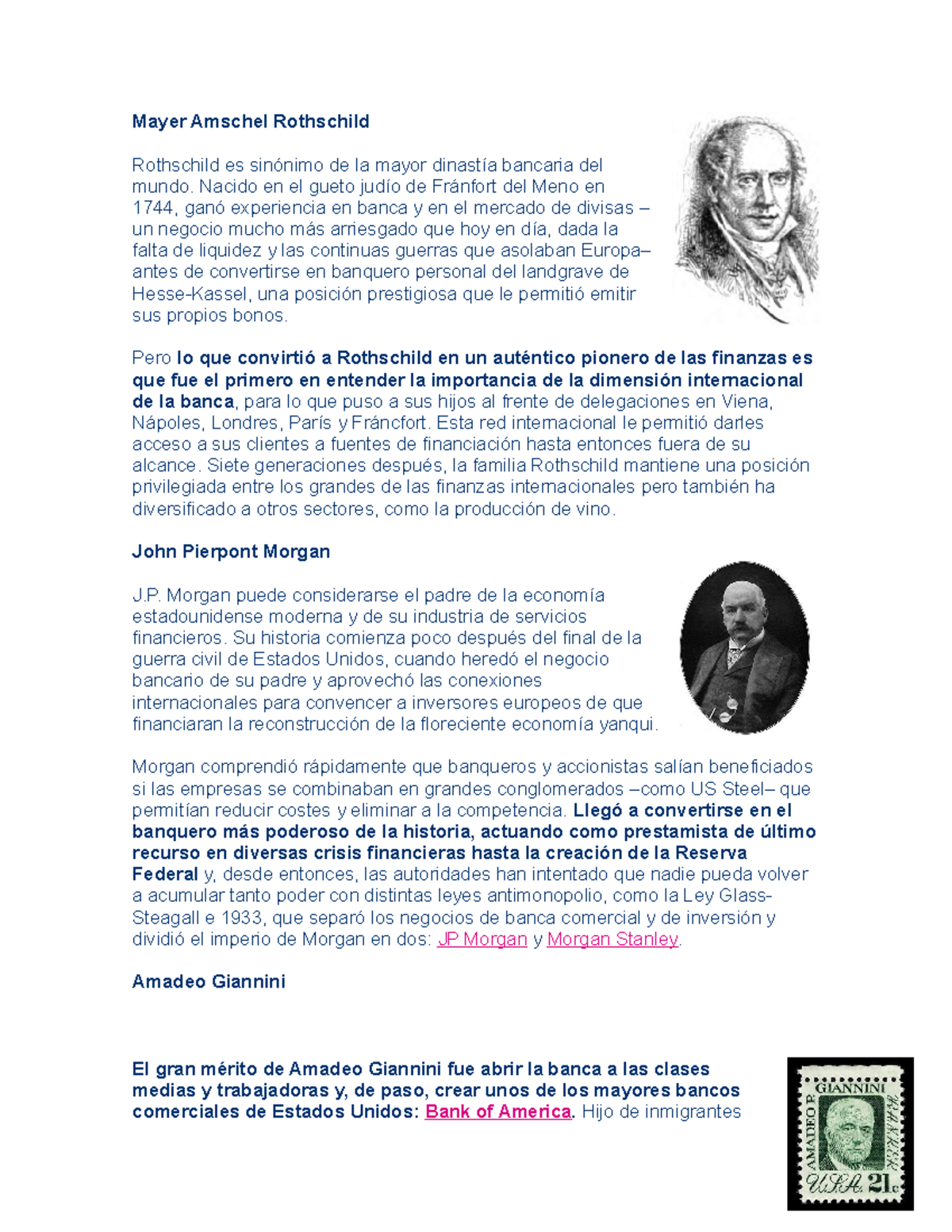
Amschel Moses Rothschild is a foundational figure in the history of the Rothschild banking dynasty, serving as the patriarch who lived in the Frankfurt Judengasse during the 18th century. His life marks the transition of the family from local merchants to the architects of a transformative European financial network through his son, Mayer Amschel Rothschild.
Understanding the Identity of Amschel Moses Rothschild
When conducting a search for Amschel Moses Rothschild, researchers are looking into the early modern history of the Frankfurt Jewish community. Born around 1710, Amschel Moses Rothschild was a merchant and money changer residing in the Hinterpfann house in the Judengasse—the segregated Jewish quarter of Frankfurt am Main. While his son, Mayer Amschel Rothschild, would later become famous as the founder of the international banking house, Amschel Moses lived the life of a traditional member of the Frankfurt Jewish merchant class.
Historical records indicate that his occupation involved the trading of silk, cloth, and eventually the management of currency exchange and rare coins. This trade in rare coins, which he conducted with the Crown Prince of Hesse, Wilhelm IX, provided the crucial professional connection that would eventually serve as the springboard for his son’s rise to prominence. To understand Amschel Moses is to understand the environment of the ghetto: a restrictive, highly regulated, yet intellectually and commercially vibrant space that necessitated the development of early capitalistic strategies to survive under oppressive legal conditions.
The Genealogical Framework of the Early Rothschilds
To locate Amschel Moses Rothschild within the broader family tree, one must distinguish between the various members of the clan who carried similar names. His father was Moses Kalman Rothschild, and his son was the legendary Mayer Amschel. The following table delineates the immediate genealogical context of the family’s ascent from the Judengasse.
| Generation | Name | Primary Role / Context |
|---|---|---|
| First Recorded | Kalman Rothschild | Early Frankfurt merchant resident (c. 1577) |
| Second Generation | Moses Kalman Rothschild | Father of Amschel Moses |
| Third Generation | Amschel Moses Rothschild | Merchant in the Judengasse; patriarch of the dynasty |
| Fourth Generation | Mayer Amschel Rothschild | Founder of the international banking house |
| Fifth Generation | The "Five Arrows" | Sons who expanded the bank across Europe |
This lineage demonstrates that the family did not emerge from a vacuum; rather, they were part of a multi-generational trajectory of small-scale commerce that, due to specific political and economic shifts in the late 18th century, allowed the fourth generation to leap into international finance.
Researching the Judengasse and Frankfurt Context
A primary challenge in searching for Amschel Moses Rothschild is the scarcity of primary documentation relative to modern records. Because he lived during a period when Jewish residents were often excluded from mainstream legal guilds and property ownership records were localized, researchers must rely on specific archives in Frankfurt.
- The Jewish Museum Frankfurt (Jüdisches Museum): This is the definitive location for materials regarding the Judengasse. They house extensive information on the specific houses in the quarter, including the Hinterpfann, where Amschel Moses resided.
- State Archives (Hessisches Hauptstaatsarchiv): Because the Rothschilds maintained professional relationships with the Landgraves of Hesse, official state records and correspondence are the most reliable sources for verifyng the family’s economic movements.
- Local Census Records: The Stammlisten (lists of residents) provide evidence of residency requirements, which defined the daily lives of families like the Rothschilds under the control of the Frankfurt City Council.
When researching Amschel Moses, avoid conflating his life with the later, more documented lives of the Five Arrows. There is a common tendency in general interest articles to attribute the wealth of the Napoleonic era back to Amschel Moses; however, historical records maintain that his life was defined by the modest trade of a mid-18th-century merchant.
Economic Realities of 18th-Century Frankfurt
The search for information regarding Amschel Moses Rothschild leads inevitably to the study of the Ghetto economy. In the 1700s, Jewish residents were required to pay "protection money" and were subject to harsh restrictions on how many people could marry or move into the city.
Amschel Moses functioned within an economy of scarcity. The trade in "rare coins and medals" was a high-status but niche market. By specializing in these items, the family moved beyond the typical peddling or small-scale financial services allowed to the Jewish population. When searching for his legacy, it is important to note that his influence was not in the accumulation of vast capital, but in the education of his children and the maintenance of a reputation for integrity, which was a vital asset in the trust-based economy of the time.
Navigating Common Myths and Misconceptions
When investigating this subject, you will encounter numerous historical inaccuracies, often circulating as "lost history." It is essential to approach the search with a critical lens:
- Myth of Infinite Wealth: Many sources claim Amschel Moses was a secret financier of kings. Historical reality confirms he was a local merchant. The family's wealth was generated by his son, Mayer Amschel, primarily through his service to the Landgrave of Hesse and the subsequent development of a telegraph-like network of news and credit.
- The Origins of the Symbol: The "Red Shield" (Rote Schild) from which the name derives dates back much earlier than Amschel Moses’s lifetime, typically associated with his ancestors who lived in the house named zum roten Schild in the 16th century. It is not an invention of the 18th century.
- Uniformity of the Name: The name "Rothschild" was not universally applied as a surname in the modern sense until legal reforms in the early 19th century forced Jewish families to adopt permanent surnames. Prior to that, people were often referred to by their patronymic (e.g., Amschel, son of Moses).
Verification Strategies for Genealogists
For those performing a deep-dive search into Amschel Moses Rothschild for genealogical or historical purposes, the following steps are recommended:
- Use Paleography Skills: Many documents from this era are written in German Kurrent or Hebrew script. If you are accessing archives, ensure you have access to a translator or a specialist familiar with 18th-century administrative German.
- Verify through the "House Name": In the Judengasse, families were identified by the house in which they lived, not just the street address. Confirming the house Hinterpfann or zum roten Schild is a more effective search parameter than the name alone, as many people shared names in those closely-knit communities.
- Analyze Financial Ledgers: Look for records involving the Kammeragent (Court Agent) status. While Amschel Moses was not a court agent, his successors were. Understanding the requirements to become an agent provides context for the family’s social climb.
The Significance of the "Hinterpfann" Residence
The physical site of Amschel Moses Rothschild’s life—the Hinterpfann—is symbolic of the constraints placed on his generation. Unlike the later estates acquired by his grandsons in England or France, the home in the Frankfurt Judengasse was a multi-story, narrow building that housed multiple families.
Researching the physical structure of these houses reveals how families maintained businesses. The bottom floors were frequently used for retail or storage, while the upper floors served as living quarters. This vertical integration of home and business was the standard model, and it shaped the work ethic and operational strategies that characterized the Rothschild approach to business for generations: discretion, familial loyalty, and a reliance on internal communications.
Comparative Analysis: The Rothschild Evolution
| Period | Subject | Financial Focus | Scope of Operation |
|---|---|---|---|
| Mid-18th Century | Amschel Moses | Rare coins/Small trade | Frankfurt Judengasse |
| Late 18th Century | Mayer Amschel | Banking/Court Agency | Regional (Hesse/Germany) |
| Early 19th Century | Five Arrows | International Finance | Global (London, Paris, etc.) |
As shown in the table, the evolution was not immediate. Amschel Moses acted as the bridge between the medieval constraints of the Frankfurt ghetto and the early modern commercial agility that allowed his son to escape those constraints.
Frequently Asked Questions
Who were the parents of Amschel Moses Rothschild? His father was Moses Kalman Rothschild. The family lived in the Frankfurt ghetto, and the name "Rothschild" was derived from the sign of the house they inhabited, zum roten Schild (at the red shield).
Did Amschel Moses Rothschild work directly with European Royalty? No. While his son, Mayer Amschel, established the professional relationship with the Landgrave of Hesse-Kassel, Amschel Moses was primarily a merchant and money changer within the local Frankfurt Jewish community.
Is there any surviving portrait of Amschel Moses Rothschild? There are no verified contemporary portraits of Amschel Moses. Most imagery associated with the early Rothschilds depicts the later generations who moved into positions of high European society during the 19th century.
Why is it difficult to find records of his business transactions? Financial records from the 18th-century Judengasse are often fragmented due to the displacement of Jewish populations, fire damage in the city over the centuries, and the nature of private ledgers that were not always filed with public or government archives.
What is the best way to start a genealogical search for this family? Begin by consulting the archives of the Jewish Museum Frankfurt, which maintains the most comprehensive collection of data regarding the residents of the historic Judengasse. They provide access to lists of householders that verify residency and family connections.
Final Recommendation for Researchers
If you are conducting a search for Amschel Moses Rothschild, treat him as a representative of a specific historical class rather than a singular financial titan. To gain the most accurate understanding, focus your efforts on the social and legal history of the Frankfurt Judengasse. Utilize the resources of the Jewish Museum Frankfurt as your primary anchor point.
By grounding your research in the physical and legal constraints of his time, you will avoid the common traps of hagiography and reach a more nuanced appreciation of the conditions that necessitated the innovation of the Rothschild dynasty. Documenting his life is, in effect, documenting the transformation of the European Jewish merchant class at the end of the Ancien Régime.