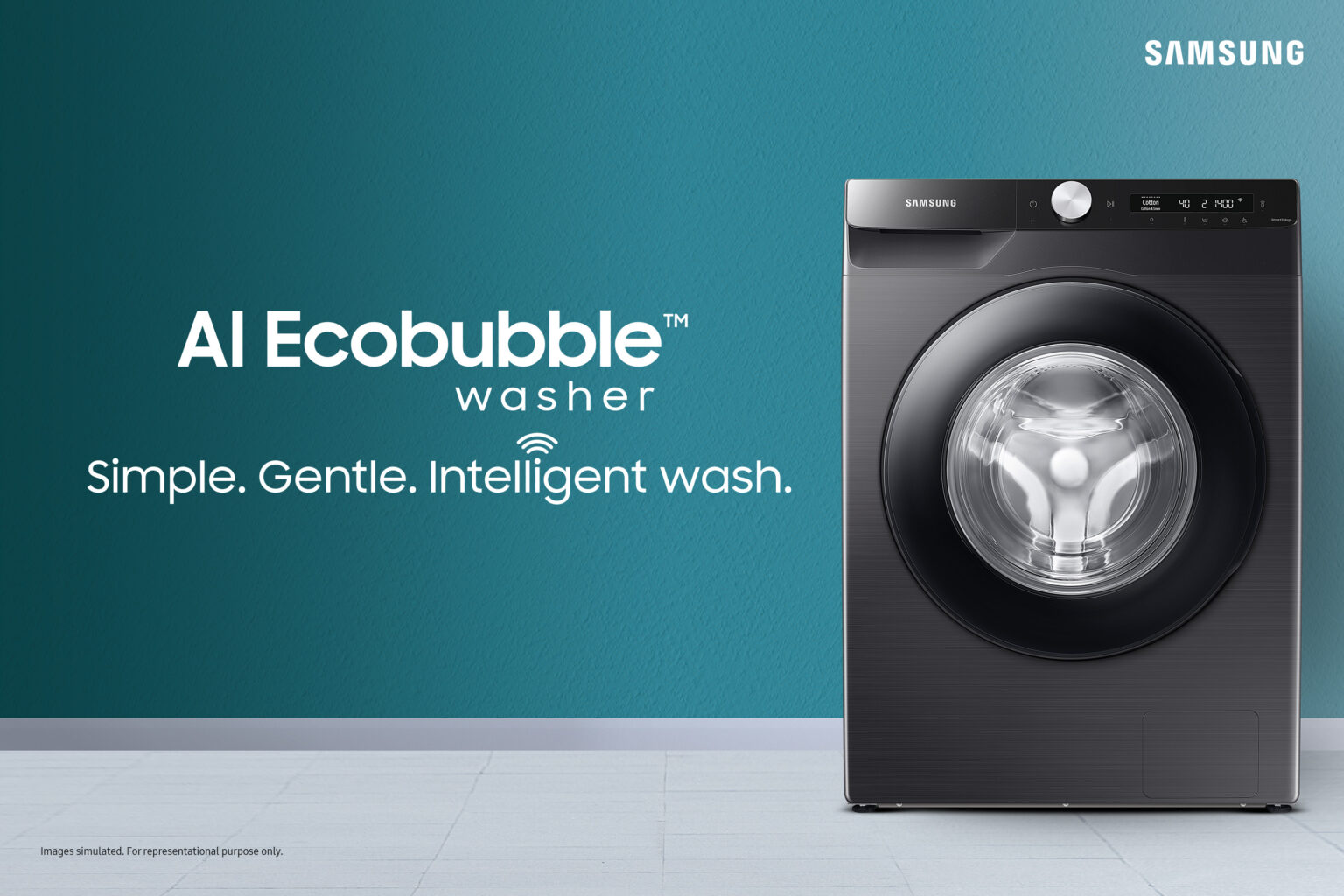
Samsung washing machines are generally considered high-performance appliances that offer advanced technological features, such as AI-driven cycle optimization, steam sanitation, and high-efficiency energy ratings. While they are lauded for their sleek design and innovative user interfaces, they are also associated with specific maintenance requirements and occasional complexities related to their digital control boards and vibration management systems in select models.
Understanding the Samsung Washing Machine Ecosystem
When evaluating whether Samsung washing machines meet your household needs, it is essential to categorize the brand within the broader home appliance landscape. Samsung has positioned itself as a leader in the "smart home" segment. Unlike traditional appliance manufacturers that focus primarily on mechanical durability, Samsung’s engineering philosophy centers on the integration of software, connectivity, and hardware.
Their product lineup in 2026 includes top-load and front-load configurations, with a heavy emphasis on the "Bespoke" line, which allows for customizable aesthetics to match modern interior design trends. The primary value proposition for a Samsung buyer is the combination of aesthetic appeal and high-tech utility, such as the SmartThings platform, which allows users to monitor laundry cycles remotely, receive end-of-cycle notifications, and troubleshoot issues via a mobile application.
Core Features and Technological Advantages
The reputation of Samsung appliances is largely built on several signature features that differentiate them from entry-level or legacy competitors.
EcoBubble and AI Wash
Samsung’s proprietary EcoBubble technology is designed to dissolve detergent into bubbles before it reaches the clothes, allowing for deeper penetration into fabrics even at lower temperatures. This is a significant factor for energy efficiency, as it enables effective cleaning without the need for high-heat settings that can degrade clothing fibers over time. Furthermore, their AI-integrated sensors detect load weight and soil levels, automatically adjusting the water usage and cycle time.
Vibration Reduction Technology (VRT Plus)
A common critique of high-speed washing machines is excessive noise and vibration, particularly in second-floor laundry rooms or apartments. Samsung’s VRT Plus system uses sensors and a specially designed drum structure to minimize imbalance. For homeowners concerned about the structural integrity of their flooring or the noise profile of their home, this technology is a critical differentiator compared to budget models that lack sophisticated suspension systems.
Steam Sanitation
Many Samsung models feature a "Steam Sanitize" option. This is not merely a marketing term; it refers to the release of steam from the bottom of the drum, which helps loosen dirt and eliminate bacteria. For households with allergy sufferers or members with sensitive skin, this feature adds a layer of hygiene that standard cold-water cycles cannot provide.
Considerations for Reliability and Maintenance
While the feature sets are impressive, potential buyers must weigh these benefits against the realities of appliance maintenance. Samsung machines are sophisticated, which means they contain more electronic components than simpler, mechanical-heavy machines.
The Complexity of Digital Control Boards
The control board—the "brain" of the machine—is a point of occasional failure. Because these boards are highly integrated, a minor surge or moisture buildup can lead to error codes that may require professional technician intervention. Unlike a mechanical timer that can often be repaired with basic tools, electronic board issues often necessitate specialized knowledge and specific proprietary parts.
Vibration Management in Large Capacity Models
In ultra-large capacity front-loaders, keeping the drum perfectly balanced is a technical challenge for any manufacturer. If the machine is not leveled perfectly upon installation—a prerequisite that many DIY installers overlook—the high-speed spin cycles can induce premature wear on the shocks and bearings. Samsung machines require a rigid, level surface; if your laundry area has uneven flooring, this becomes a critical installation step rather than an optional one.
Comparative Performance Analysis
To understand where Samsung stands in the market, it is helpful to contrast them with other common archetypes in the industry.
| Feature Type | Samsung Advantage | Potential Trade-off |
|---|---|---|
| Connectivity | Deep integration with home Wi-Fi and mobile apps. | Potential for software/connectivity glitches. |
| Energy Efficiency | High efficiency with EcoBubble technology. | Sensitive to improper detergent usage/overdosing. |
| Design | Modern, sleek, and highly customizable (Bespoke). | Glossy finishes may be prone to scratching. |
| Serviceability | Parts availability is generally high. | Specialized labor required for electronic repairs. |
Installation and Operational Best Practices
The lifespan of a Samsung washing machine is heavily influenced by adherence to manufacturer guidelines. Following these practices can significantly reduce the likelihood of service calls:
- Leveling: Use a spirit level to ensure the machine is perfectly stable. Adjust the feet at each corner until no rocking occurs. This is the single most important step for preventing vibration-induced damage.
- Detergent Usage: High-Efficiency (HE) detergent is mandatory. Using traditional, suds-heavy detergent will cause excessive foam that can trip sensor errors and potentially damage the drum seal.
- Drum Maintenance: Utilize the "Self Clean" or "Tub Clean" cycles as recommended (usually once every 40 washes). This prevents mold and biofilm buildup, which is particularly common in front-loading seals.
- Networking: Ensure that if you are using the SmartThings integration, your Wi-Fi signal at the laundry area is stable to avoid "connection lost" errors on your control panel.
Common Troubleshooting Scenarios
If you encounter an issue, understanding the standard error codes is often enough to resolve the problem without calling for service. Most Samsung machines display codes starting with "dC," "4C," or "5C."
- dC (Door Code): This usually indicates the door is not latched correctly. Often, this is caused by a small piece of clothing caught in the seal.
- 4C (Water Supply): This generally means the machine is not receiving enough water. Check your inlet hoses for kinks and ensure your home water pressure is within the specified range.
- 5C (Drainage): This suggests the machine cannot drain. Inspect the drain filter at the bottom front of the machine; it is likely clogged with debris, such as lint, coins, or hair, which is a standard maintenance task for front-loaders.
Frequently Asked Questions
Are Samsung washing machines difficult to repair compared to others?
Because they utilize advanced digital control systems, they require technicians familiar with diagnostic software rather than just mechanical repair. While parts are widely available, the complexity can result in higher labor costs if the machine is out of warranty.
Does the SmartThings app actually provide value?
Yes, for many users, the app is highly beneficial. It allows for remote cycle management, which is useful for "soaking" or "delay end" features. It also provides notifications if a cycle has stalled, allowing you to address issues immediately rather than discovering wet, stagnant clothes hours later.
Are these machines suitable for large families?
Samsung offers some of the largest drum capacities in the consumer market. Their ultra-large models are excellent for families, as they can handle heavy bedding and large loads, which reduces the total number of cycles required per week, thereby saving both time and water.
How does the energy efficiency of Samsung compare to older models?
Samsung focuses heavily on energy-efficient cleaning cycles. By using cold-water surfactants and intelligent load sensing, their 2026 models are significantly more economical to operate than machines manufactured a decade ago, provided they are maintained correctly.
What should I do if my machine vibrates excessively?
First, verify that all four shipping bolts have been removed; this is a common oversight during installation. If the bolts are gone, re-level the unit. If vibration persists, ensure the laundry load is balanced—mixing heavy items like towels with light items like t-shirts can cause imbalances in any machine.
Final Recommendation
Samsung washing machines are an excellent choice for the tech-forward consumer who values innovation, aesthetic design, and high-capacity cleaning. They are not, however, "set-it-and-forget-it" appliances. To get the most out of your investment, you must be willing to perform routine maintenance, such as cleaning the drain pump filter and ensuring the machine remains perfectly level.
If you prioritize simplicity, basic mechanical operation, and lower repair complexity, you might look toward more utilitarian brands. But if you desire a machine that integrates into a modern home environment and offers superior cleaning performance through advanced sensing technology, a Samsung washing machine is a strong, market-leading contender. Before purchasing, verify your floor’s load-bearing capacity and ensure you have a dedicated space that meets the specific clearance requirements outlined in the manufacturer's installation manual.