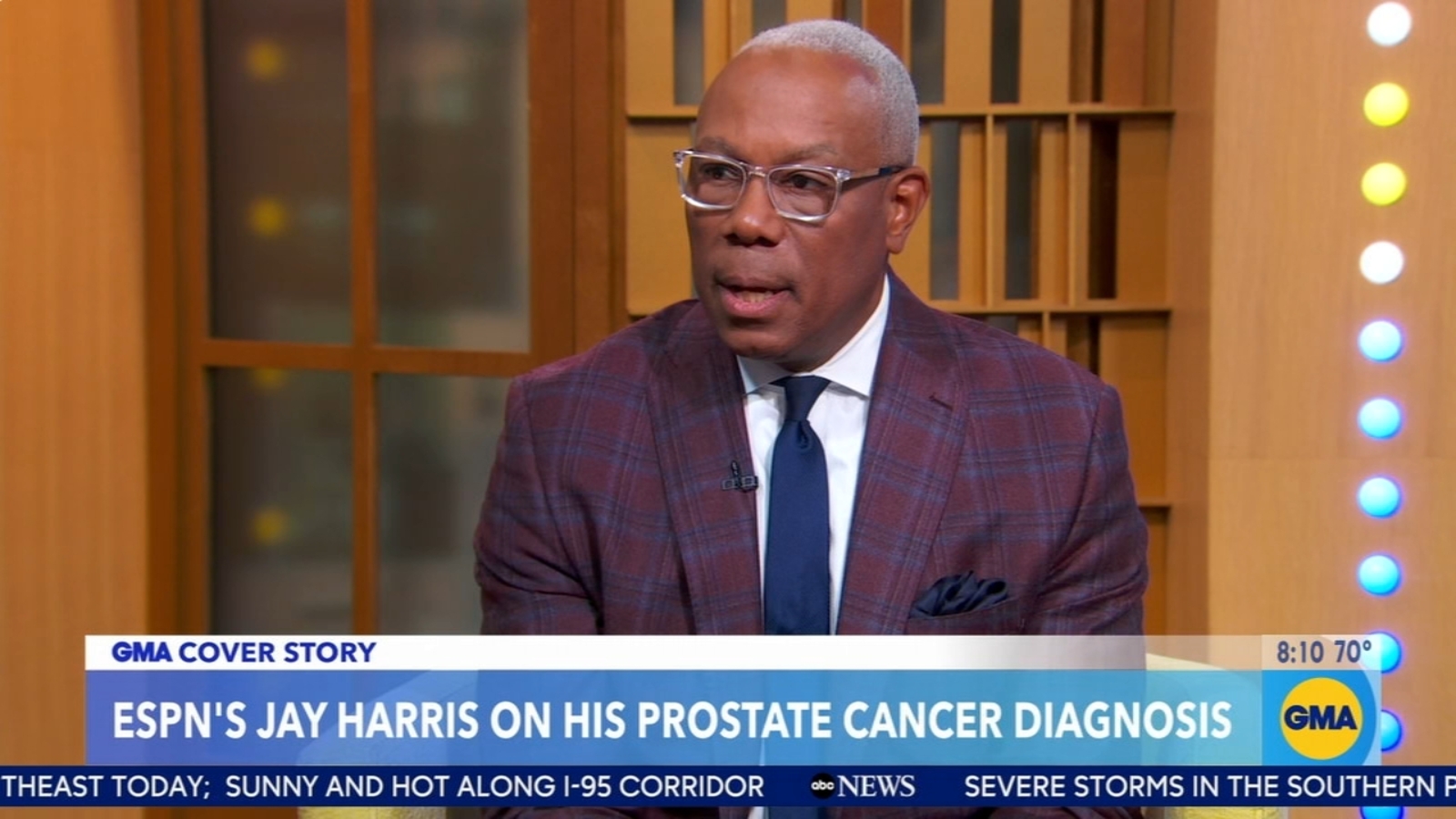
When a news anchor is diagnosed with cancer, they face a unique intersection of personal medical care, public broadcasting responsibilities, and workplace accommodations. Anchors must decide whether to share their diagnosis publicly, manage medical leave and schedule adjustments under legal protections, and navigate the psychological and professional impacts of undergoing treatment while remaining prominent public figures.
The Reality of a Public Cancer Diagnosis in Broadcast Journalism
Television news anchors occupy a unique space in modern media. Unlike print journalists or off-camera producers, broadcast talent build a personal, daily relationship with their audience. Viewers invite anchors into their homes every morning or evening, fostering a sense of familiarity and trust. Consequently, when a news anchor is diagnosed with cancer, the illness ceases to be a strictly private matter; it often becomes a public event that touches newsroom logistics, contract management, viewer engagement, and public health awareness.
A cancer diagnosis presents immediate practical and emotional challenges for a broadcaster. Anchors must evaluate how cancer treatments—such as surgery, systemic chemotherapy, targeted therapies, or radiation therapy—will affect their physical appearance, vocal stamina, energy levels, and daily broadcast schedules. At the same time, broadcast newsrooms operate on rigid daily deadlines, live breaking-news demands, and strict ratings cycles, which can create friction with the unpredictable timelines of cancer care.
- Diagnosis & Staging
- Internal Newsroom Planning
- Public Disclosure Strategy
- Treatment & Accommodations
- Reintegration / Survivorship
Understanding how broadcast professionals navigate this complex process involves examining legal protections, operational adjustments in the studio, public relations strategies, and the measurable impact these disclosures have on public health awareness.
Deciding Whether and When to Share a Diagnosis Publicly
One of the first decisions a news anchor must make following a cancer diagnosis is whether to disclose the condition to their audience, and if so, when and how to make the announcement.
Privacy vs. Transparency
There is no legal or contractual requirement in standard broadcast agreements forcing on-air talent to disclose medical conditions to the public. An anchor has the absolute right to keep their health status private, utilizing standard sick leave, medical leave, or vacation time for medical appointments and procedures.
However, complete privacy can be difficult to maintain for primary anchors who appear on air five days a week. Unexplained absences, visible physical changes (such as hair loss, weight fluctuations, or skin changes), or sudden shifts in anchoring assignments inevitably lead to audience inquiry and speculative reporting. As a result, many anchors choose proactive disclosure to maintain control over their personal narrative.
Crafting the On-Air Disclosure
When an anchor decides to announce a diagnosis on air, the statement is carefully planned in coordination with news management, executive producers, and public relations specialists. A successful disclosure statement typically balances several key elements:
- Factual Clarity: Providing clear, accurate information regarding the type and stage of cancer (if comfortable), avoiding sensationalism while informing viewers.
- Operational Expectations: Outlining what viewers should expect regarding the anchor’s presence on air, including planned leaves of absence, temporary co-anchor substitutions, or modified schedules.
- Professional Boundaries: Setting clear limits regarding personal privacy, emphasizing that while updates will be shared periodically, the focus of the newscast remains on the news of the day.
- Educational Context: Utilizing the platform to raise awareness about early detection, routine screenings, or preventative health measures.
Managing Audience and Social Media Interactions
Public disclosures inevitably trigger a flood of viewer communications, ranging from supportive letters and emails to personal medical advice and social media comments. Newsrooms often set up dedicated communication channels or digital guestbooks to collect messages for the anchor. This buffer protects the journalist from becoming overwhelmed while undergoing active treatment, allowing them to engage with audience support at their own pace.
Legal Rights, Employment Protections, and On-Set Accommodations
Navigating a serious illness while employed in commercial broadcasting requires an understanding of employment law, labor rights, and workplace accommodations.
| Legal & Workplace Protection Framework | Description |
|---|---|
| 1. FMLA / Medical Leave | Protects job security for up to 12 weeks of leave. |
| 2. ADA Accommodations | Mandates reasonable workplace modifications. |
| 3. Union Contracts (SAG) | Establishes sick leave, pay continuation & benefits. |
| 4. Personal Agreements | Clarifies disability insurance & talent continuity. |
Statutory Protections for Broadcast Talent
In the United States, several key federal laws protect news anchors and media workers facing serious health conditions:
- The Family and Medical Leave Act (FMLA): Eligible employees at companies with 50 or more workers are entitled to up to 12 weeks of unpaid, job-protected leave per year for serious health conditions. FMLA guarantees that an anchor can take time off for surgeries or intensive treatments without fear of losing their position.
- The Americans with Disabilities Act (ADA): Cancer is recognized as a disability under the ADA when it substantially limits a major life activity. Under the ADA, broadcast employers are required to provide "reasonable accommodations" to qualified employees, provided these accommodations do not impose an "undue hardship" on business operations.
- State and Local Paid Sick Leave Laws: Many states and municipalities offer mandatory paid family and medical leave programs that supplement federal protections, providing partial income replacement during extended leave periods.
Standard On-Set Workplace Accommodations
When an anchor continues working through active cancer treatment, broadcast engineers, lighting directors, and newsroom management must collaborate to implement reasonable accommodations. Common modifications include:
- Adjusted Lighting and Makeup: Studio lights generate substantial heat and glare, which can aggravate skin sensitivity or fatigue caused by radiation and chemotherapy. Lighting adjustments and specialized hypoallergenic makeup application help maintain comfort and appearance.
- Ergonomic and Studio Seating Modifications: Anchors experiencing post-surgical pain or severe fatigue during treatment may transition from standing desks or mobile reporting to seated, ergonomically supported studio setups.
- Flexible Work Schedules: Newsrooms may permit anchors to record teases, promotional segments, or voiceovers remotely, or adjust working hours to accommodate chemotherapy infusion days and recovery cycles.
- Prosthetic and Hairpiece Integration: For anchors experiencing chemotherapy-induced alopecia, broadcast costume and makeup departments assist with fitted wigs or alternative head coverings designed specifically for high-definition studio cameras.
Contractual Considerations and Union Safeguards
Many broadcast journalists are represented by unions such as SAG-AFTRA (Screen Actors Guild – American Federation of Television and Radio Artists) or the NewsGuild-CWA. Collective bargaining agreements typically provide specific protections regarding paid sick leave, long-term disability benefits, and re-employment guarantees.
For high-profile anchors under individual personal services contracts (PSCs), talent contracts usually specify terms regarding disability pay, temporary replacement protocols, and contract performance guarantees during extended illnesses. Morality clauses or performance requirements cannot be invoked by employers to terminate talent solely due to a physical illness or disability.
Medical Management and Broadcasting During Cancer Treatment
Balancing clinical oncology protocols with live television production demands rigorous organization, multidisciplinary coordination, and physical self-care.
Coordinating Treatment Schedules with Broadcast Hours
Oncology care often requires frequent medical visits, including blood work, imaging scans, radiation therapy (which may occur daily for several weeks), and multi-hour chemotherapy infusions. Morning news anchors, who often begin work at 3:00 AM, face distinctly different physiological challenges compared to evening anchors finishing late broadcasts. Medical teams must work closely with the patient to schedule therapies during hours that allow adequate recovery prior to going live on air.
Managing Physical and Vocal Side Effects
The physical side effects of cancer treatment present specific practical hurdles for broadcast journalists:
- Vocal Cord Strain and Dry Mouth: Chemotherapy and radiation to the head or neck can cause mucosal dry mouth (xerostomia) or vocal cord inflammation. Anchors utilize specialized hydration regimens, studio humidifiers, and vocal warm-up exercises recommended by speech-language pathologists.
- Cognitive Fatigue ("Chemo Brain"): Patients undergoing systemic chemotherapy may experience subtle cognitive impairments, including memory lapses, word-retrieval difficulties, or reduced processing speed. Anchors often compensate by relying more heavily on teleprompters, detailed script preparation, and clear communication cues with control room producers.
- Immunosuppression and Newsroom Hygiene: Chemotherapy frequently lowers white blood cell counts (neutropenia), increasing vulnerability to infections. Newsrooms must enforce strict sanitation protocols, provide isolated green rooms, and limit close contact with sick staff members to protect an immunocompromised anchor.
Comparative Overview: Operational & Health Factors in Broadcast News
The following table outlines how different aspects of a news anchor's career are affected by a cancer diagnosis, comparing standard operations with adapted strategies during treatment.
| Operational Area | Standard Broadcast Protocol | Adapted Protocol During Cancer Treatment | Legal & Professional Considerations |
|---|---|---|---|
| Work Schedule | Rigid, full-time shifts (5 days/week; live daily broadcasts). | Flexible shifts, job-sharing with co-anchors, remote voice tracking, or pre-taped segments. | Protected under FMLA and ADA reasonable accommodation rules. |
| On-Air Presence | Continuous daily visibility during assigned newscasts. | Periodic planned absences for treatment, filled by relief anchors or field reporters. | Governed by station talent agreements and union guidelines. |
| Studio Environment | High-intensity studio lighting, standing desks, fast-paced cues. | Dimmable lighting, seated set configurations, increased studio sanitation. | ADA compliance; studio safety and accessibility adjustments. |
| Public Communication | Professional news reporting; minimal personal narrative. | Transparent, structured public updates or complete privacy per anchor preference. | Station PR coordination; audience interaction management. |
| Workplace Protections | Standard employee handbook and contract terms. | FMLA job security, short-term/long-term disability coverage, union representation. | Protection against contract termination due to medical disability. |
The Public Health Impact of Anchors Sharing Cancer Diagnoses
When a prominent news figure publicly shares their cancer journey, the societal impact extends far beyond personal reporting. Public health experts refer to this phenomenon as the "celebrity disclosure effect" or the "anchoring effect" in health communication.
- Public Anchor Disclosure
- Media Coverage & Discussion
- Heightened Audience Awareness
- Spike in Preventative Screenings
Driving Screening Rates and Early Detection
Multiple documented health events demonstrate that high-profile disclosures lead to measurable increases in preventative health behaviors:
- Colorectal Cancer Screenings: Following public awareness campaigns driven by national news figures sharing personal stories or screening procedures, public health organizations have recorded significant spikes in colonoscopy appointments nationwide.
- Breast Cancer Awareness: Anchors sharing their experiences with mammograms, routine breast checks, and early-stage diagnoses directly correlate with increased rates of annual mammography appointments among viewers.
- Prostate and Skin Cancer Testing: Public discussions of PSA (prostate-specific antigen) testing or dermatological examinations by broadcast figures encourage viewers—particularly men, who historically seek preventative care less frequently—to schedule check-ups.
Demystifying Treatment and Reducing Stigma
By remaining visible while undergoing treatment, news anchors help demystify the realities of cancer care. Viewers see individuals navigating hair loss, working through fatigue, and continuing active professional lives. This visibility helps reduce societal stigmas surrounding cancer, encouraging open dialogue within families and workplaces.
How Newsrooms Can Support a Colleague Facing Cancer
A successful operational response to a colleague’s cancer diagnosis requires empathy, clear communication, and structured support from news directors, management, and co-workers.
| Newsroom Support & Management Matrix | Action |
|---|---|
| Leadership Actions | Establish clear backup rosters and workload sharing. |
| Operational Support | Maintain strict hygiene standards in studio facilities. |
| Personal Consideration | Respect boundary choices regarding health privacy. |
| Industry Resources | Connect staff with industry aid foundations. |
Actionable Guidelines for News Management
- Establish Clear Contingency Plans: News directors should create a transparent backup schedule using fill-in anchors and senior reporters. This prevents last-minute control room stress and ensures the ill anchor feels no pressure to report to work when unwell.
- Respect Privacy Boundaries: Management must follow the anchor’s lead regarding how much detail is shared within the newsroom and with the public. Health information should never be shared among staff without explicit permission.
- Offer Administrative and Benefits Assistance: Navigating health insurance claims, short-term disability paperwork, and out-of-pocket medical costs can be overwhelming. Human Resources departments should assign a dedicated benefit specialist to assist the anchor and their family.
- Promote Industry Support Networks: Media organizations can connect employees with national broadcast support networks, such as the Broadcasters Foundation of America, which provides financial assistance to broadcast professionals facing acute illness or hardship.
Frequently Asked Questions
Are news anchors legally required to announce a cancer diagnosis to their audience?
No. News anchors are not legally or contractually obligated to disclose medical conditions to their audience. Medical privacy laws protect an employee's right to keep personal health information confidential. Any public announcement is made voluntarily at the anchor's discretion, often in consultation with station management.
How do broadcast newsrooms handle coverage when a lead anchor takes medical leave?
Newsrooms rely on designated fill-in anchors, morning/weekend team rotations, or senior field reporters to cover broadcasts during an anchor's medical leave. Executive producers reassign studio duties to maintain seamless news delivery without increasing operational stress on the remaining staff.
What workplace accommodations can an anchor request while undergoing cancer treatment?
Under the Americans with Disabilities Act (ADA), anchors can request reasonable accommodations such as flexible work schedules around chemotherapy sessions, modified studio lighting, seated desk arrangements, ergonomic seating, dedicated private recovery areas, and studio sanitation protocols to prevent infection.
How does an anchor's public cancer announcement affect public health?
Public disclosures by media figures significantly increase public awareness and drive measurable surges in preventative health screenings, such as mammograms, colonoscopies, and routine blood tests. Public health researchers document these spikes as the "disclosure effect," which leads to earlier detection rates among the general public.
What financial and job protections exist for news anchors on extended sick leave?
Anchors are protected by federal and state employment statutes, including the Family and Medical Leave Act (FMLA), which guarantees up to 12 weeks of job-protected leave. Financial support is typically provided through employer-sponsored paid sick leave, short-term disability insurance, long-term disability coverage, and union protections under SAG-AFTRA or Guild contracts.
Next Steps for Media Professionals and Newsrooms
When a broadcast professional faces a critical medical diagnosis, structured action helps protect both individual health and career stability.
- For Anchors and Reporters: First, consult with your primary oncology team to establish a realistic baseline for treatment demands and recovery schedules. Review your employment contract, union provisions, and short-term disability benefits with HR before making decisions about leave. If choosing to disclose publicly, draft a clear statement with PR advisers that establishes comfortable personal boundaries.
- For News Managers and Producers: Initiate early, confidential conversations with HR to outline available leave options and legal protections. Develop a flexible backup anchor rotation that prevents burnout among staff while ensuring the absent anchor feels supported and unhurried in their recovery.
- For Viewers and Support Networks: Direct messages of support through official station channels or dedicated community pages, respecting the journalist’s privacy during active treatment cycles and medical absences.
Medical Limitation Disclaimer: This article provides general information regarding employment standards, broadcast industry protocols, and public health trends related to cancer diagnoses. It does not constitute formal medical or legal advice. Individuals facing a medical diagnosis should consult qualified healthcare providers and employment law specialists regarding their specific circumstances.