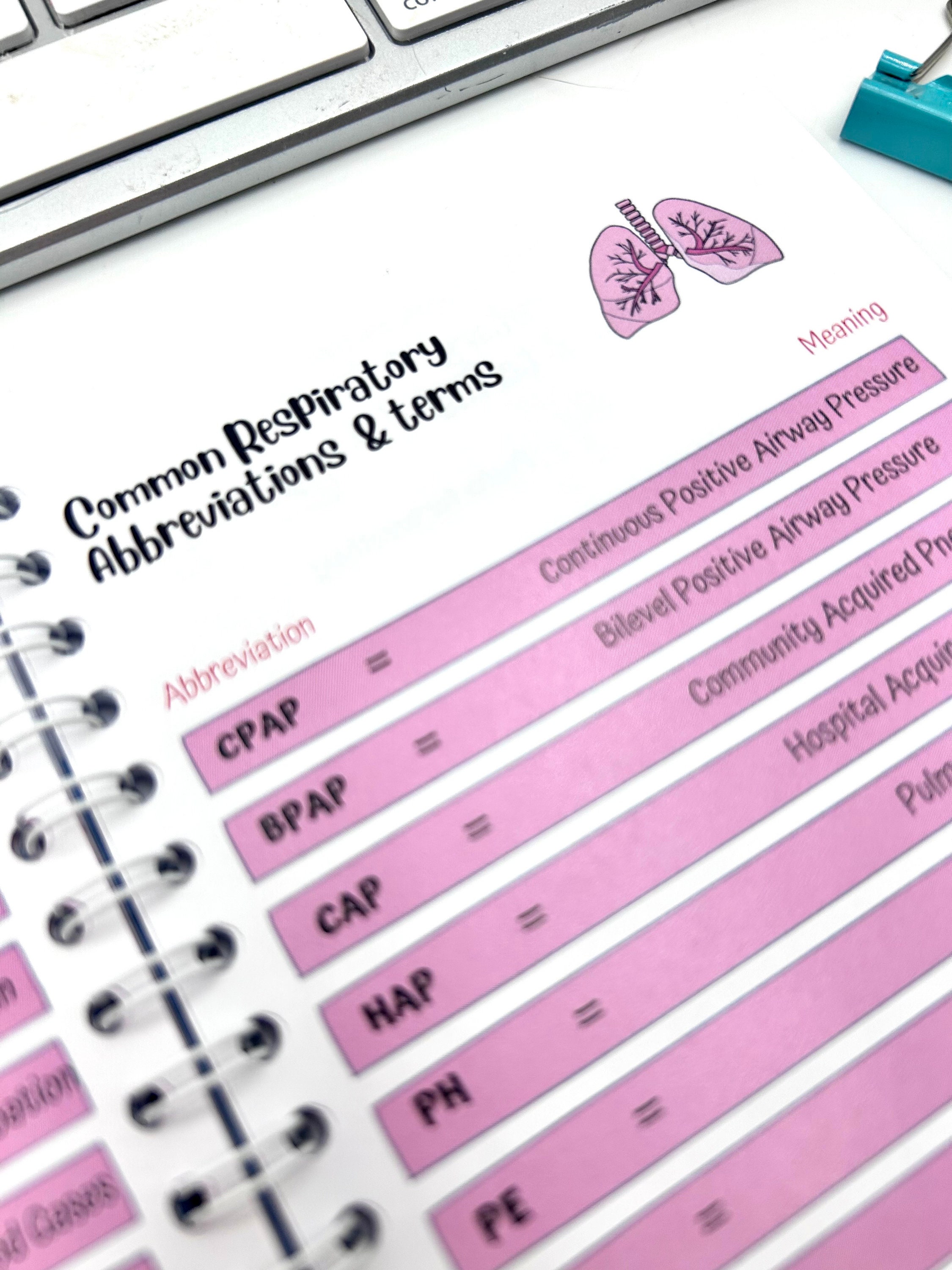
In medical documentation, the abbreviation "AS" is highly context-dependent and frequently appears in cardiovascular records. While it most commonly stands for Aortic Stenosis when referring to heart-related pathology, it can also signify Atherosclerosis or, in different clinical sections, refer to Aortic Sclerosis. Accurate interpretation is vital for patient safety, as confusing these terms can lead to significant diagnostic errors.
The Clinical Significance of Aortic Stenosis (AS)
When a cardiologist or general practitioner writes "AS" in an assessment or plan, the primary concern is usually Aortic Stenosis. This is a condition where the aortic valve—the gateway between the left ventricle of the heart and the aorta—becomes narrowed. This narrowing restricts blood flow to the rest of the body, forcing the heart to work significantly harder.
Aortic Stenosis is graded in severity: mild, moderate, or severe. In health records, clinicians often document this as "Mild AS" or "Severe AS" to provide a snapshot of the patient’s hemodynamic status. If left untreated, severe aortic stenosis can lead to heart failure, syncope, and angina. Documentation of "AS" in a patient chart signals that the clinician has likely performed an echocardiogram to measure the valve area and the pressure gradient across the valve.
Disambiguating AS: Common Cardiovascular Meanings
Medical shorthand is notoriously inconsistent across different hospital systems and specialties. To decode "AS" effectively, one must look at the surrounding clinical data. Below are the three most common interpretations of AS within cardiovascular records:
- Aortic Stenosis: The mechanical narrowing of the aortic valve. This is characterized by a systolic murmur and can be confirmed via Doppler echocardiography.
- Atherosclerosis: This refers to the buildup of plaque in the arteries. While often written as "athero" or "ASCVD" (Atherosclerotic Cardiovascular Disease), some clinicians use "AS" to describe the general process of arterial hardening.
- Aortic Sclerosis: Unlike stenosis, sclerosis involves the thickening and calcification of the aortic valve leaflets without obstructing blood flow. It is a precursor to stenosis and is often an incidental finding on an ultrasound.
Context Clues for Accurate Decoding
If you are reviewing a health record and encounter the abbreviation "AS," do not assume the diagnosis without checking for supporting evidence. Use the following hierarchy of context to resolve the ambiguity:
- Check the Echocardiogram Report: If the record mentions "peak velocity," "mean gradient," or "valve area," the "AS" almost certainly refers to Aortic Stenosis.
- Review the Physical Exam Notes: Aortic stenosis presents with a classic harsh, crescendo-decrescendo systolic murmur at the right upper sternal border. If the physical exam highlights this murmur, the diagnosis is confirmed.
- Examine the Medication List: Patients with "AS" as atherosclerosis are often prescribed statins or antiplatelet therapy. Patients with "AS" as aortic stenosis are managed through symptom monitoring and eventual surgical intervention, such as Transcatheter Aortic Valve Replacement (TAVR).
- Evaluate Laboratory Results: If the record refers to lipids, LDL, and inflammatory markers, the clinician may be discussing atherosclerosis.
Clinical Documentation Standards and Safety
The use of abbreviations, while efficient, poses a risk known as "medical shorthand ambiguity." In the 2026 clinical landscape, health systems are increasingly pushing for standardized, automated documentation to reduce these errors. The Joint Commission maintains a "Do Not Use" list for abbreviations to prevent medical errors, and while "AS" is not universally banned, it is frequently flagged in clinical informatics audits as a high-risk term.
Clinicians are encouraged to write out "Aortic Stenosis" in full at least once per encounter or in the primary diagnosis field. If you are a patient accessing your own records, do not hesitate to ask your provider to clarify whether the "AS" noted in your chart refers to the valve narrowing or the condition of your arterial walls.
Table: Comparison of AS-Related Cardiovascular Diagnoses
| Term | Primary Definition | Common Clinical Presentation | Typical Diagnostic Tool |
|---|---|---|---|
| Aortic Stenosis | Narrowing of the aortic valve | Systolic murmur, exertional dyspnea | Echocardiogram (Doppler) |
| Atherosclerosis | Plaque buildup in systemic arteries | Peripheral artery disease, elevated lipids | Vascular ultrasound, lipid panel |
| Aortic Sclerosis | Thickening of valve leaflets | Mid-systolic click or mild murmur | Echocardiogram |
| Ankylosing Spondylitis | Autoimmune spinal inflammation | Back pain, sacroiliac joint stiffness | Radiography, HLA-B27 test |
Note: Ankylosing Spondylitis is included in this table because it is another common medical use of the "AS" abbreviation. While not heart-related, it occasionally appears in the past medical history of cardiovascular patients, which can confuse electronic health record (EHR) cross-referencing.
Understanding the Role of EHRs in Shorthand Interpretation
Modern Electronic Health Records (EHR) in 2026 use natural language processing (NLP) to assist clinicians in standardizing shorthand. However, these systems are only as accurate as the input data. When a physician dictates a note, the software may transcribe "Aortic Stenosis" into the EHR database, but the typed shorthand might remain "AS."
If you are auditing medical records, you may notice that "AS" is often categorized under different billing codes (ICD-10-CM). Aortic stenosis generally falls under codes in the I35 range, whereas atherosclerosis is coded under I25. If the billing code associated with the "AS" notation does not match the clinical description, this is a sign of a documentation discrepancy that requires clinical review.
Common Pitfalls in Interpreting Abbreviations
The most frequent mistake when decoding "AS" is confirmation bias. Because aortic stenosis is a high-acuity, "important" cardiac diagnosis, reviewers often gravitate toward that interpretation. However, assuming "AS" is aortic stenosis in a patient with no history of murmurs or valvular disease can lead to unnecessary testing or incorrect patient education.
Always look for the Modifier. Clinicians will often append a modifier to the abbreviation to clarify their meaning:
- "AS: Aortic valve" (Stenosis)
- "AS: Systemic" (Atherosclerosis)
- "AS: Severe" (Refers to the severity of the valvular narrowing)
Frequently Asked Questions
1. Does "AS" ever refer to something other than the heart? Yes. In rheumatology, "AS" almost always refers to Ankylosing Spondylitis, a chronic inflammatory disease of the spine. If your medical record includes a history of autoimmune conditions, be cautious not to confuse this with heart-related shorthand.
2. Is "Aortic Stenosis" life-threatening? Mild aortic stenosis is a chronic condition that requires monitoring. However, severe, symptomatic aortic stenosis is a serious condition that can be life-threatening if left uncorrected, often requiring a valve replacement procedure.
3. What should I do if I find "AS" in my health records and I am unsure what it means? You should contact your primary care provider or cardiologist through your patient portal. Request clarification by stating: "I noticed the abbreviation 'AS' in my recent chart notes. Could you please clarify if this refers to a valvular condition or another diagnosis?"
4. Can "AS" be used for the left side of the body? In some ocular or older neurological documentation, "AS" stands for auris sinistra (left ear), though this is largely falling out of favor in modern English-language health records to avoid confusion with "Aortic Stenosis" or "Atherosclerosis."
5. How do I know if my "AS" is a cause for concern? If the "AS" refers to aortic stenosis, the clinician will usually assign a grade. If it is "mild," it is usually managed via "watchful waiting" and periodic echocardiograms. If it is "severe," it requires active management and specialist consultation.
Next Steps for Patients and Providers
For patients reviewing their own medical records, the best approach is to consolidate all information from the "Assessment" or "Diagnosis" sections of your report. If you see "AS," look for a related mention of an echocardiogram or a valve issue. If the record is silent on heart structure but discusses blood pressure and cholesterol, the notation is likely referring to atherosclerosis.
For healthcare providers and medical coders, the 2026 standard emphasizes the elimination of ambiguous shorthand. When entering notes, use the full terminology for the condition to ensure clarity for other specialists and for the patient. Where legacy systems require the use of "AS," ensure it is defined in the electronic medical record's problem list or cross-referenced with the correct ICD-10-CM code to prevent diagnostic misalignment.