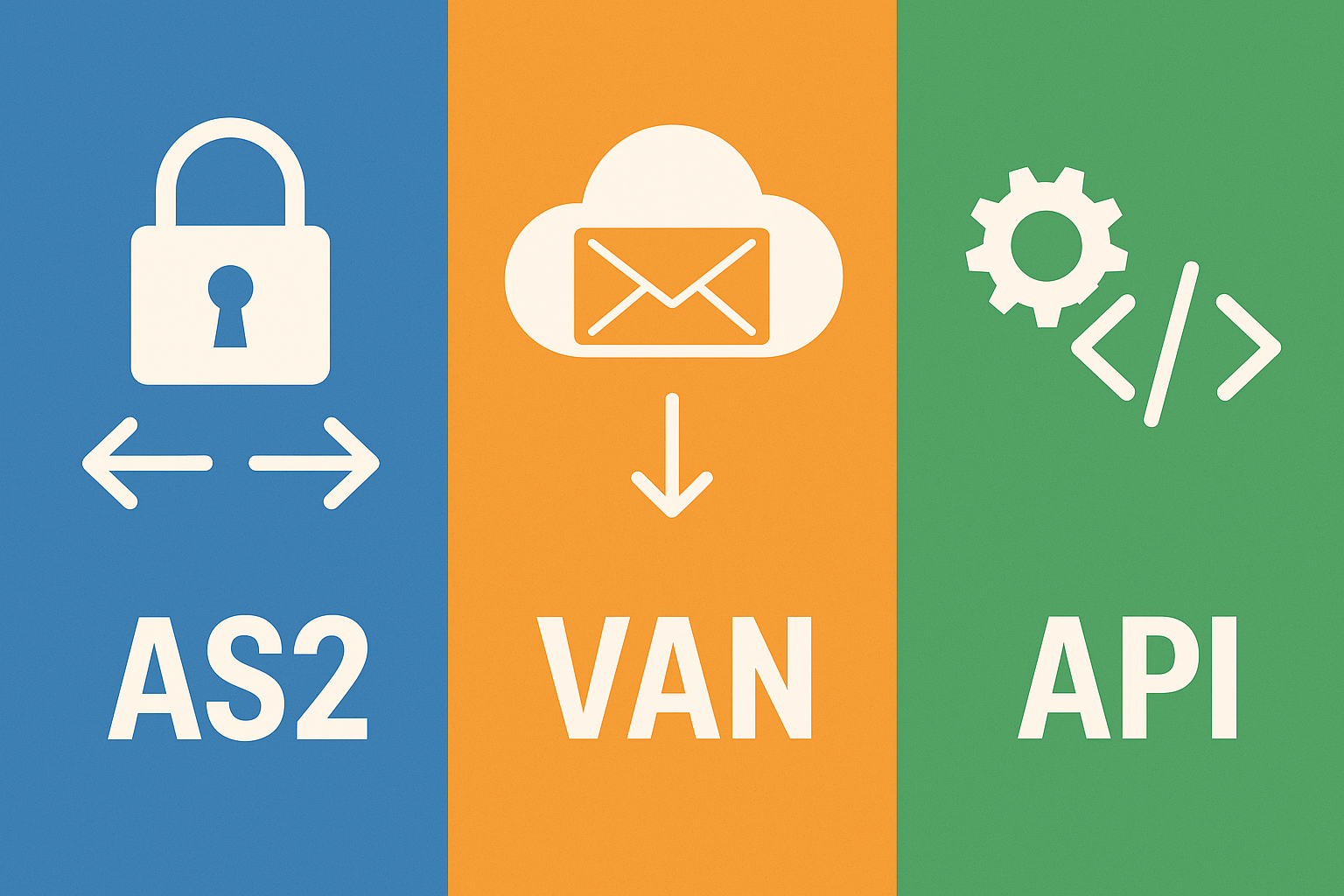
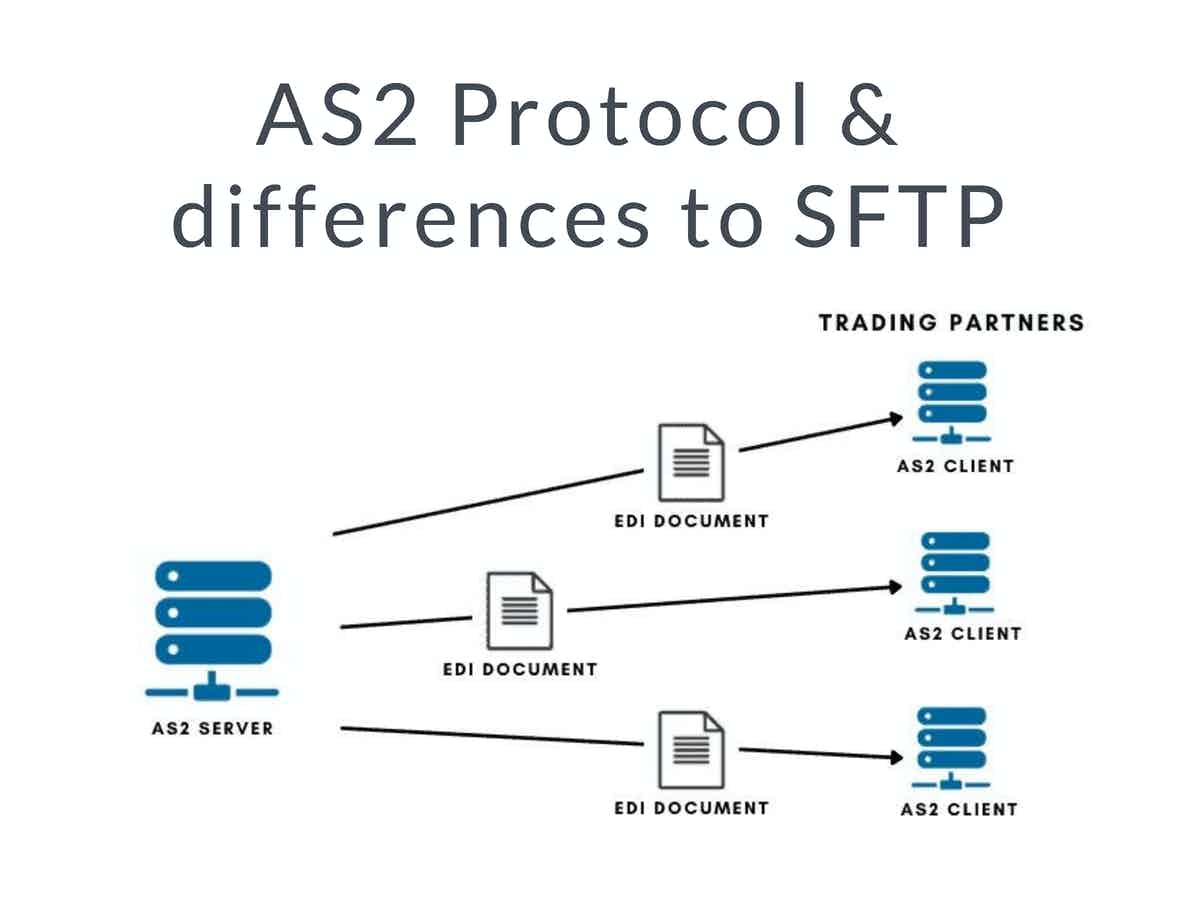
The Applicability Statement 2 (AS2) protocol is a foundational technical standard for the secure and reliable transport of structured business-to-business (B2B) data over the internet. In e-commerce, it serves as the secure "pipeline" for exchanging Electronic Data Interchange (EDI) documents—such as purchase orders, invoices, and shipping notices—ensuring that sensitive commercial information remains encrypted, authenticated, and non-repudiable during transit.
Understanding the Role of AS2 in Digital Commerce
While modern e-commerce often emphasizes customer-facing interfaces, the "back-end" of the industry relies heavily on B2B automation. AS2 occupies a critical role here by providing a standardized method for trading partners to communicate directly with one another. Unlike older, legacy methods like Value Added Networks (VANs) that acted as third-party mailboxes, AS2 facilitates a direct, point-to-point connection.
AS2 functions primarily via the Hypertext Transfer Protocol (HTTP) or its secure variant, HTTPS. By leveraging digital certificates for encryption and signing, AS2 ensures that only the intended recipient can read the data and that the identity of the sender is verified. For e-commerce enterprises, this is not merely a technical preference; it is a business requirement for maintaining supply chain integrity and regulatory compliance.
How the AS2 Protocol Works: Technical Mechanics
At its core, AS2 uses a simple "request-response" architecture that is reinforced by layers of security. When an e-commerce platform sends a document to a supplier, the process follows a specific sequence:
- Preparation: The EDI document (e.g., an X12 or EDIFACT file) is wrapped in an AS2 envelope.
- Encryption: Using the recipient’s public key, the data is encrypted to ensure privacy.
- Signing: The sender uses their private key to digitally sign the message. This acts as a digital seal, proving the document has not been tampered with and confirming the identity of the sender.
- Transmission: The encrypted message is sent over the internet using HTTPS.
- The MDN (Message Disposition Notification): This is the "secret sauce" of AS2. Once the recipient successfully decrypts and validates the file, the AS2 software automatically sends an MDN back to the sender. This receipt confirms that the file arrived, was verified, and was successfully processed. If an error occurred, the MDN reports the failure, allowing the sender to retry or troubleshoot immediately.
Key Benefits for E-commerce Operations
The integration of AS2 into an e-commerce ecosystem offers several operational advantages that standard email or basic file transfer protocols cannot match.
1. Enhanced Security and Compliance
AS2 supports strong encryption standards, including AES-256. Many industries, such as retail and healthcare, require strict adherence to data security standards. AS2’s ability to use Secure Sockets Layer (SSL) or Transport Layer Security (TLS) ensures that data is protected both "in transit" and "at rest" once it reaches the server.
2. Non-Repudiation
In high-stakes commerce, disputes regarding order quantities or delivery dates can be costly. AS2’s digital signature process provides "non-repudiation of receipt." Because the MDN is cryptographically linked to the specific message, a partner cannot claim they never received a document if the MDN exists in your system logs.
3. Cost Efficiency
Traditional VANs often charge per-kilobyte fees for data transmission. By moving to AS2, companies shift from a consumption-based model to a fixed-infrastructure model. Once the AS2 server is configured, there are no per-transaction costs for sending data, which results in significant long-term savings for high-volume e-commerce businesses.
Essential Components and Prerequisites
Before implementing AS2, your organization must satisfy several technical and administrative prerequisites.
- AS2 Software (Server/Client): You need an AS2-compliant software solution. This can be an on-premise installation (such as an EDI gateway or ERP module) or a cloud-hosted AS2 managed service.
- Digital Certificates: You must obtain X.509 digital certificates. These are used for the encryption and signing of messages. You will need to share your public certificate with your trading partners and vice versa.
- Static IP Address and Domain: Your AS2 server must be accessible over the internet via a static IP address or a registered domain name, often configured to listen on a specific port (typically 80 or 443).
- Firewall Configuration: Your IT team must open the necessary ports in the network firewall to allow incoming AS2 traffic while maintaining internal security.
- Trading Partner Agreement (TPA): This is the administrative setup. Both parties must agree on the technical parameters, including AS2 IDs, URLs for message exchange, and the encryption/signing algorithms (e.g., SHA-256) to be used.
Comparing AS2 with Alternative Protocols
The following table summarizes how AS2 compares to other common data transfer methods used in the e-commerce landscape.
| Feature | AS2 | SFTP (SSH File Transfer) | VAN (Value Added Network) |
|---|---|---|---|
| Direct Connection | Yes | Yes | No (Third-party) |
| Data Security | High (Encryption/Signing) | High (Encrypted Tunnel) | Moderate |
| Automated Receipt | Yes (MDN) | No (Requires script) | Yes |
| Cost Basis | Infrastructure Cost | Server Hosting Cost | Per-Transaction/Volume |
| Complexity | High | Low | Very Low |
Implementation Challenges and Troubleshooting
Implementing AS2 is not without its hurdles. The most frequent issues usually arise during the initial "handshake" phase of a partnership.
Common Configuration Mistakes
- Mismatched Encryption Settings: If one party expects SHA-256 signing and the other provides SHA-1, the handshake will fail immediately. Always document the cryptographic standards in the TPA.
- Certificate Expiration: Digital certificates have an expiration date. If your certificate expires and you fail to provide your partner with the new one, all incoming communications will be rejected, potentially stalling your supply chain.
- Firewall Blocking: If the MDN is not reaching your server, the most common cause is a firewall blocking the incoming port or an incorrect URL configuration in the partner's AS2 settings.
Troubleshooting Strategy
If a message is stuck in "Pending" status, always start by checking the logs of your AS2 software. Look for "handshake failures" or "HTTP 400/500 errors." These codes indicate that the connection was made but the authentication or decryption process failed. Verify that both the sending and receiving AS2 IDs are correct and that there are no trailing spaces or formatting errors in the IDs.
Selecting the Right AS2 Solution
For a modern e-commerce business, selecting between an on-premise solution and a managed service provider (MSP) is a strategic decision.
On-Premise Software: Choosing to host your own AS2 server gives you full control over your data. This is often preferred by large organizations with dedicated IT security teams. However, it requires significant maintenance, including patching software, managing certificates, and monitoring server uptime 24/7.
Managed AS2 Services: Many e-commerce businesses now opt for cloud-based AS2 providers. These services handle the technical complexities—such as server uptime, certificate management, and firewall security—as a service. This model is often more scalable, as it allows your team to focus on business logic rather than protocol maintenance.
Frequently Asked Questions
1. Is AS2 still relevant in 2026? Yes. Despite the rise of APIs, AS2 remains the gold standard for EDI document exchange in retail, logistics, and manufacturing due to its mature security features and the widespread existence of established B2B networks that rely on it.
2. Can I use AS2 over a standard home internet connection? Technically, yes, but it is not recommended for production environments. AS2 requires a stable, static IP address and high uptime. Standard home internet often changes IP addresses and lacks the necessary reliability for mission-critical supply chain traffic.
3. What is the difference between AS2 and AS3? AS2 uses HTTP/HTTPS for transport, while AS3 uses FTP (File Transfer Protocol). AS2 is significantly more popular and better supported in the modern e-commerce ecosystem because it is easier to traverse through firewalls.
4. How do I exchange certificates with my partners? Exchange is typically handled through a secure portal or email. Never send private keys; only exchange the public certificates. Most AS2 software provides an export feature to generate these files.
5. What should I do if my partner says they didn't get my file? Check your AS2 management console for the MDN status. If you have a signed, positive MDN, the file was successfully received by their server. If you do not have an MDN, it means the transmission failed, or the file is still sitting in your outbox.
Next Steps for Implementation
To begin integrating AS2 into your e-commerce operations, conduct an audit of your current data exchange needs. List your top five suppliers or partners and inquire about their EDI capabilities. If they already use AS2, request their "Implementation Guide," which will contain the specific parameters (AS2 ID, URL, and certificate requirements) you need to configure your end of the connection. Once you have a staging environment set up, perform a test transmission to ensure the full end-to-end handshake—including the receipt of the MDN—is functional before moving to production.