The ASA II anesthesia classification, defined by the American Society of Anesthesiologists (ASA), represents a patient with mild systemic disease. This category sits between the healthy P1 status and the more severe P3 status. It indicates that a patient has a condition that does not cause significant functional limitation or systemic impact, allowing for standard surgical and anesthetic planning while requiring careful monitoring of the patient's specific health nuances.
Understanding the ASA Physical Status Classification System
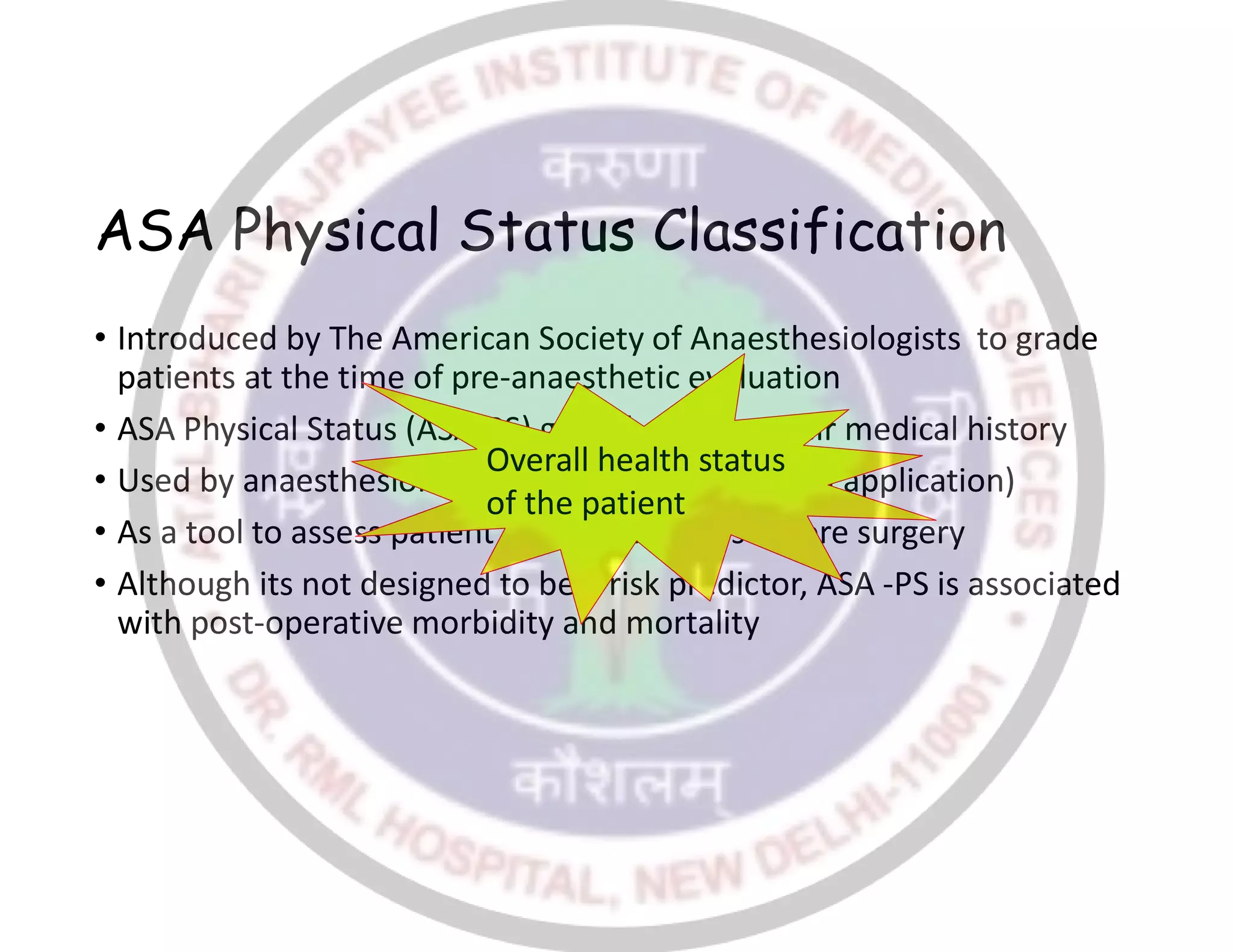
The ASA Physical Status (PS) classification system is a foundational tool used by anesthesiologists and surgical teams globally. It is designed to offer a simple, standardized, and reproducible way to assess a patient's pre-anesthetic health status. By categorizing patients into distinct levels, clinicians can better communicate the overall physiological burden a patient brings into the operating room.
It is critical to clarify that the ASA classification is not a predictor of surgical risk. It is a snapshot of the patient’s health before the anesthesia is administered. While a higher ASA class often correlates with increased perioperative risk, the classification itself does not account for the invasiveness of the procedure, the skill of the surgeon, or the specific resources available in the medical facility. The ASA II status specifically indicates a patient with "mild systemic disease."
Defining ASA II: Clinical Criteria
To be categorized as ASA II, a patient must possess a mild systemic disease that is well-controlled. Unlike ASA I, which represents a perfectly healthy individual, an ASA II patient has a diagnosed medical condition; however, this condition does not impose major limitations on the patient's daily activities.
Common clinical examples that frequently fall under the ASA II classification include:
- Controlled Hypertension: Patients whose blood pressure is managed effectively through medication or lifestyle changes.
- Well-Controlled Diabetes Mellitus: Patients who maintain stable blood glucose levels without evidence of organ damage or severe metabolic instability.
- Mild Obesity: Defined generally as a Body Mass Index (BMI) between 30 and 40, provided there are no other major comorbidities.
- Social Alcohol Consumption: Individuals who consume alcohol but do not exhibit clinical signs of alcohol-related organ dysfunction.
- Cigarette Smoking: Current smokers without evidence of chronic obstructive pulmonary disease (COPD) or other smoking-related respiratory impairments.
- Mild Lung Disease: Such as well-managed, mild asthma that does not result in exercise intolerance.
- Pregnant Patients: Pregnancy is generally classified as ASA II due to the physiological changes inherent to the gestational state.
The Significance of Systemic "Mildness"
The distinction between ASA II and ASA III is one of functional limitation. In ASA II, the patient’s disease process is compensated. For example, a patient with asthma is ASA II if they only require intermittent use of a rescue inhaler and exhibit no symptoms during normal, active daily life. If that same patient requires daily systemic steroids, has frequent exacerbations, or shows significant reduction in exercise tolerance, they would likely be classified as ASA III (severe systemic disease).
Anesthesiologists use this classification to calibrate their approach. For an ASA II patient, the anesthesia plan usually follows a standard, evidence-based protocol. The primary goal for the clinician is to ensure that the "mild" condition does not become acute during the stress of surgery. This often involves ensuring that medications are taken on time, monitoring for metabolic fluctuations, or adjusting the selection of anesthetic agents if a particular drug might exacerbate the underlying, mild condition.
Comparative Overview of ASA Classifications
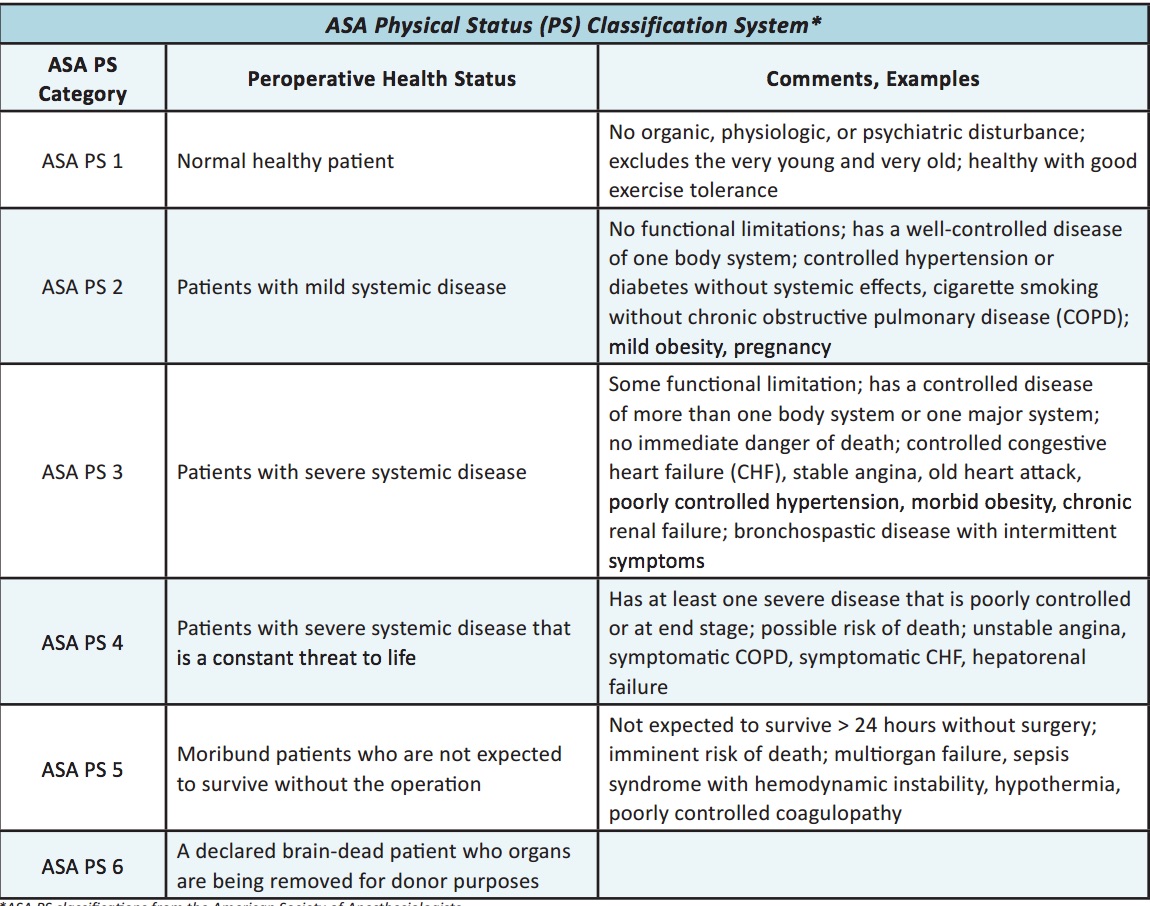
Understanding where ASA II fits in the broader spectrum of clinical assessment helps in visualizing the patient safety hierarchy. The following table highlights the differences between the classifications.
| ASA Class | Health Status Description | Clinical Example |
|---|---|---|
| ASA I | Healthy patient | No medical conditions, non-smoker. |
| ASA II | Mild systemic disease | Controlled hypertension, smoker. |
| ASA III | Severe systemic disease | Poorly controlled diabetes, stable COPD. |
| ASA IV | Severe systemic disease, constant threat to life | End-stage renal disease, recent myocardial infarction. |
| ASA V | Moribund, not expected to survive without surgery | Ruptured abdominal aortic aneurysm. |
| ASA VI | Brain-dead patient | Organ donor. |
The Role of Physical Status in Preoperative Preparation
For the ASA II patient, preoperative preparation is rarely about extensive diagnostic testing but rather about optimization and baseline verification. Because the disease is "mild," the clinician is looking for confirmation that the condition remains stable.
- Medication Reconciliation: Ensuring that the patient’s maintenance medications (e.g., antihypertensives) are taken on the morning of the procedure.
- Focus on Comorbidities: If a patient has controlled diabetes, the anesthetic team will coordinate with the surgical schedule to minimize the patient’s time spent in a fasting state, thereby preventing hypoglycemia or excessive hyperglycemia.
- Communication: Discussions with the patient often focus on how their specific condition might influence recovery. For instance, a patient with mild asthma is informed about the risks of airway irritation during intubation and the proactive steps the team will take to mitigate bronchospasm.
Limitations and Subjectivity in Classification
While the ASA system is universally recognized, it is not without subjective elements. The transition from ASA I to ASA II or from ASA II to ASA III can sometimes be a matter of clinical judgment. What one anesthesiologist deems "well-controlled," another might view as borderline.
Factors influencing this subjectivity include:
- Clinical Data: The availability of recent blood work or cardiac testing can influence how "controlled" a disease is perceived to be.
- Patient Compliance: A patient who claims to take their medication but shows inconsistent lab results may be viewed more cautiously than one with perfect adherence.
- Institutional Policies: Some hospitals may implement stricter internal guidelines that influence how certain comorbidities are classified for the purpose of surgical scheduling and resource allocation.
Despite these nuances, the ASA classification remains the gold standard because it is simple to calculate and provides an immediate, common language for the entire perioperative team, from nurses and surgeons to anesthesiologists and recovery room staff.
Common Misconceptions
There is a persistent myth that an ASA II classification automatically dictates a high risk of intraoperative complications. This is incorrect. The risk for an ASA II patient is typically low, provided the surgical procedure itself is not inherently dangerous. The classification is a descriptive tag, not a diagnostic verdict of failure.
Another common point of confusion is the inclusion of "smoking" or "obesity" as definitive triggers for an ASA II status. While these are common factors, they are considered in the context of the whole patient. A thin, healthy person who smokes is ASA II; a person with obesity who also has metabolic syndrome might be classified differently depending on the severity of that syndrome. The classification is dynamic; a patient’s ASA status can improve (e.g., stopping smoking) or worsen (e.g., disease progression) over time.
Troubleshooting: When the Classification Becomes Unclear
Clinicians occasionally encounter patients who do not fit neatly into one category. In such cases, the standard of care is to err on the side of caution. If there is genuine debate whether a patient is ASA II or ASA III, the patient is generally treated with the vigilance required for an ASA III patient.
"Troubleshooting" in this context involves:
- Secondary Consultations: Requesting a brief review by a specialist, such as a cardiologist, to confirm that a patient’s mild hypertension is indeed stable and poses no risk of perioperative stroke or myocardial infarction.
- Preoperative Assessment Clinics: Many modern hospitals utilize specialized clinics where patients meet with advanced practice providers to ensure all systemic conditions are clearly mapped out well before the day of surgery.
- Dynamic Re-assessment: If a patient’s condition changes between the preoperative visit and the morning of surgery (e.g., the patient develops a mild upper respiratory infection), the ASA status must be re-evaluated, as a previously "mildly ill" patient may temporarily become a higher risk.
Guidelines for the Patient and Caregivers
If you are a patient categorized as ASA II, it is helpful to understand that this is a routine designation. It does not imply that you are "sick" in the sense of being unfit for surgery. Instead, it serves as a flag for your care team to be aware of your health history.
- Be Prepared: Bring a comprehensive, up-to-date list of all your medications, including dosages.
- Be Transparent: Inform your doctor if you have had any recent changes in your health, such as a new cough, shortness of breath, or changes in your exercise tolerance.
- Stay Informed: Ask your anesthesiologist how your specific condition—for instance, mild diabetes—will be managed on the day of your surgery. Most patients appreciate the extra layer of focus this classification ensures.
Professional Guidance and Safety Precautions
The ASA classification is intended for professional use and does not replace the advice of a medical doctor. Anesthesia is a complex medical specialty that requires individual risk assessment. Patients should never attempt to interpret their own surgical risk based solely on this or any other classification system.
Medical decisions regarding the safety of anesthesia are based on a multifaceted approach, including the specific procedure, the patient’s history, laboratory results, and the physical examination conducted by a licensed anesthesiologist or nurse anesthetist. If you have concerns about your upcoming surgery, schedule a consultation with your surgical team to discuss your health history and the anesthetic plan tailored specifically to you.
Frequently Asked Questions
Is ASA II considered a "high risk" category? No. ASA II is considered a low-to-moderate risk category. It signifies the presence of a mild, well-controlled condition. Most surgeries performed on ASA II patients are routine and carry a favorable safety profile.
Can an ASA II patient be upgraded to an ASA III status? Yes. If a patient’s condition worsens, is not well-managed, or if new symptoms arise that result in functional limitation, the ASA classification is updated to reflect the new clinical reality.
Why is pregnancy categorized as ASA II? Pregnancy is classified as ASA II because it is a state of physiological stress. Even in a healthy pregnancy, there are significant changes to the cardiovascular, respiratory, and endocrine systems that an anesthesiologist must account for, regardless of the absence of disease.
Does being a smoker automatically make a patient ASA II? Yes, current smokers are typically classified as ASA II because smoking causes systemic physiological changes that impact cardiovascular and respiratory responses during and after anesthesia, even in the absence of diagnosed chronic lung disease.
How often is the ASA classification updated for a single patient? The classification is updated whenever the patient’s clinical status changes. If a patient comes in for a procedure, is assessed as ASA II, and then returns six months later, they will be re-assessed to determine if their health status has changed during the interim.
Final Recommendations for Surgical Preparation
When preparing for surgery, treat your ASA II classification as a tool for communication rather than a source of concern. Proactive preparation—specifically, ensuring all your chronic conditions are well-managed in the weeks leading up to your procedure—is the most effective way to ensure a smooth, safe experience. Ensure your primary care physician and your surgical team are in communication regarding your medication regimen. Following these standard procedures allows the anesthesia team to provide the safest, most effective care possible, minimizing the physiological stress of the procedure and optimizing your post-operative recovery.