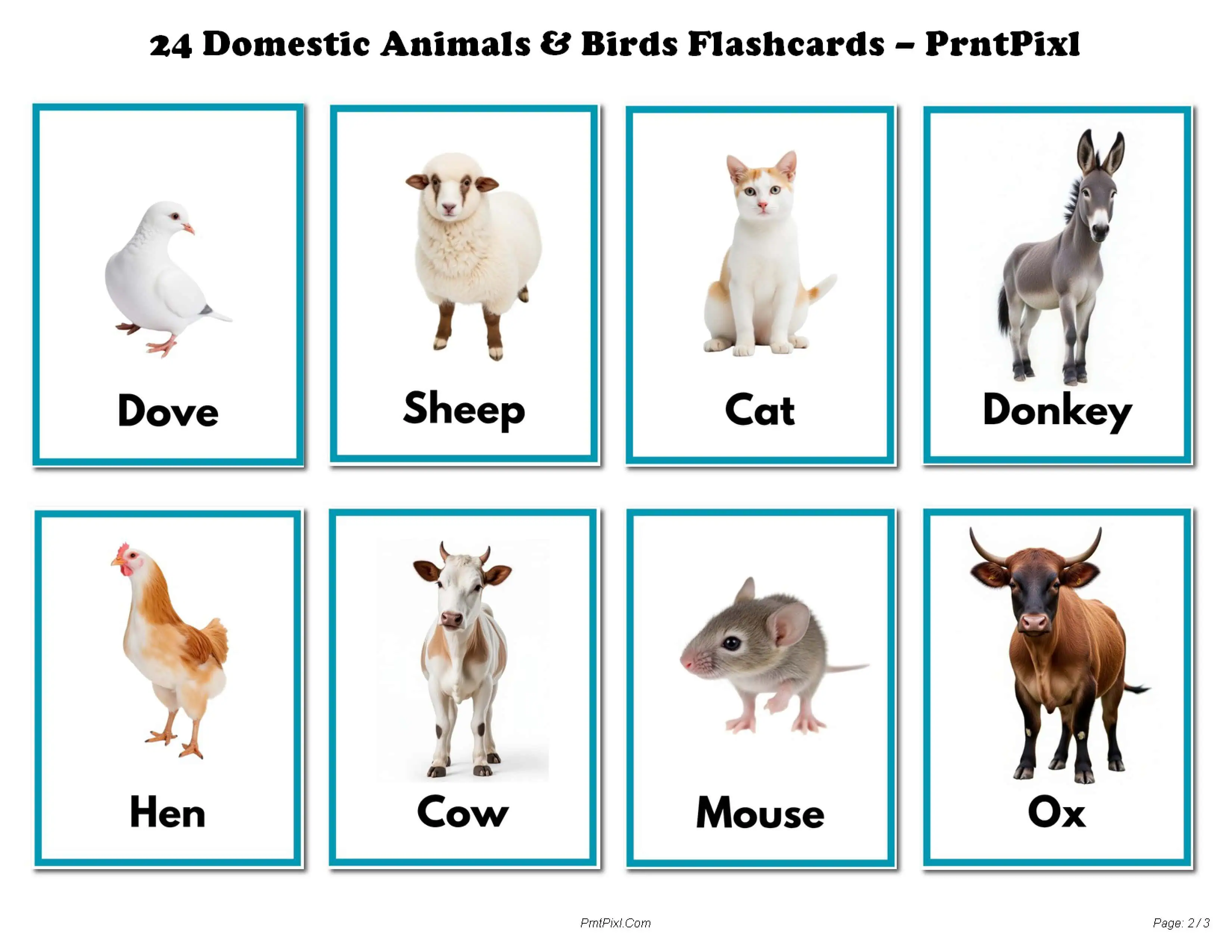
A domesticated animal is a species that has been selectively bred over generations to live alongside humans, resulting in distinct behavioral, physiological, and genetic differences from its wild ancestors. This process, known as domestication, serves to adapt these animals to human environments, providing stable sources of food, labor, companionship, and materials while requiring human care for survival and reproduction.
Defining Domestication vs. Taming
It is essential to distinguish between a "domesticated" animal and a "tamed" one. Taming is a behavioral process where an individual wild animal loses its fear of humans through intensive training or conditioning. However, a tamed animal remains genetically wild; its offspring will be as wild as their ancestors unless the taming process is repeated.
Domestication, conversely, is an evolutionary process. It involves the selective breeding of individuals that display traits desirable to humans—such as docility, reduced aggression, and the ability to breed in captivity. Over generations, these traits become fixed in the population. Consequently, a domesticated animal is biologically adapted to the human-influenced environment and cannot be simply "released" back into the wild to function as its undomesticated counterparts do.
The Criteria for Domesticated Status
Not all animals kept by humans are domesticated. For an animal species to be considered truly domesticated, it must generally satisfy several criteria:
- Human Dependency: The population relies on humans for food, protection, and habitat management.
- Selective Breeding: Humans exert control over the animal’s reproduction, prioritizing traits that benefit human society.
- Behavioral Modification: The animals exhibit a reduced "flight distance" (the distance at which an animal will flee from a human) and lower levels of cortisol, the stress hormone, when in human presence.
- Genetic Divergence: The domesticated group shows clear genetic markers that differentiate it from the wild-type ancestor, often resulting in changes to size, skull shape, coat color, or reproductive cycles.
Categories of Domesticated Animals
Domesticated animals are typically categorized by the primary utility they provide to human civilizations. While these lines can blur—for example, a dog may serve as both a companion and a guardian—the following categories cover the vast majority of domesticated species currently found in 2026.
1. Livestock and Food-Producing Animals
These animals are primarily managed for meat, dairy, fiber, or agricultural labor. Cattle, sheep, and goats were among the first animals to be domesticated, transforming human society from nomadic hunting-gathering to settled agrarian life. Poultry, including chickens, ducks, and turkeys, occupy a massive sector of modern global food production.
2. Working and Draft Animals
These species provide physical labor, including transportation, plowing, and guarding livestock. Equines such as horses and donkeys, as well as camels and llamas in specific climates, have historically been the primary engines of trade and agriculture. Even in the age of mechanization, these animals remain vital in remote or rugged environments.
3. Companion Animals
Companionship is a unique form of "utility." Species like dogs (Canis lupus familiaris) and cats (Felis catus) have evolved alongside humans to bridge the gap between working roles and social integration. Their domestication is marked by a unique capacity to understand human vocal cues and social gestures, a trait less pronounced in other domesticated species.
Comparative Overview of Common Domesticated Animals
The table below summarizes the primary roles and common management requirements for various domesticated animals.
| Species | Primary Role | Historical Origin | Key Management Need |
|---|---|---|---|
| Cattle | Dairy, Beef, Leather | Eurasia | Grazing land, herd management |
| Dog | Companionship, Protection | Eurasia | Social interaction, training |
| Chicken | Eggs, Meat | Southeast Asia | Sheltered housing, feed |
| Horse | Transportation, Sports | Eurasia | Exercise, hoof care, shelter |
| Sheep | Wool, Meat | Middle East | Forage, shearing, predator defense |
| Pig | Meat | Eurasia | Nutrient-rich feed, biosecurity |
| Cat | Pest control, Company | Middle East | Veterinary care, environmental enrichment |
The Biological Impacts of Domestication
The "domestication syndrome" refers to the set of phenotypic traits that often emerge during the domestication process. These include floppy ears, mottled coat patterns, and smaller brain sizes compared to wild ancestors. From a scientific perspective, these changes are often the unintended byproduct of selecting for docility. By selecting for lower adrenaline and fear responses, humans inadvertently select for changes in the neural crest cells, which influence both behavior and physical development, leading to these characteristic appearances.
Challenges and Ethical Considerations
As of 2026, the management of domesticated animals involves complex ethical and environmental considerations. Selective breeding has occasionally resulted in health complications, such as respiratory issues in brachycephalic (flat-faced) dog breeds or mobility problems in high-yield dairy cattle.
Furthermore, industrial-scale domestication faces scrutiny regarding animal welfare. Modern regulations increasingly focus on the "five freedoms" of animal welfare: freedom from hunger and thirst; freedom from discomfort; freedom from pain, injury, or disease; freedom to express normal behavior; and freedom from fear and distress. Maintaining these standards requires consistent monitoring and veterinary oversight to ensure that the human-animal relationship remains sustainable and humane.
Legal and Regulatory Frameworks
The status of domesticated animals is defined by national and local laws. In many jurisdictions, they are considered personal property, yet they are protected by anti-cruelty statutes. Owners are required to comply with vaccination mandates (such as rabies for dogs and cats) and livestock movement regulations. Before acquiring any animal, it is the owner's responsibility to verify local zoning laws and agricultural regulations, as these can vary significantly based on whether an animal is classified as a "pet" or "livestock."
Frequently Asked Questions (FAQ)
1. Is a goldfish considered a domesticated animal? Yes. Goldfish (Carassius auratus) have been selectively bred for centuries, originally in China, for their color and ornamental value. Their long history of breeding in captivity and their inability to thrive in many natural environments without human-facilitated selection of traits categorize them as domesticated.
2. Are lab mice and rats domesticated? Yes, they are considered domesticated. Through selective breeding for specific genetic traits and behavioral temperament, laboratory rodents have become distinct from their wild counterparts, facilitating scientific research.
3. Why is it difficult to domesticate new species? Domestication requires specific traits that are rare in wild populations: the animal must have a diverse diet, a fast growth rate, a willingness to breed in captivity, a lack of panic-inducing flight responses, and a stable social structure that allows for hierarchy. Most wild animals fail to meet all these requirements simultaneously.
4. Does a pet dog become "wild" if it is left in the forest? No. A domesticated animal that returns to the wild is considered "feral." While it may survive by scavenging or hunting, it lacks the specialized instincts and evolutionary adaptations that wild species have developed over millennia to survive in that specific environment.
5. Are honeybees domesticated? Honeybees are generally considered "managed" or "partially domesticated." While humans select hives for honey production and temperament, the bees are still capable of living and reproducing independently in the wild, placing them in a middle ground between truly domesticated livestock and wild pollinators.
Next Steps for Responsible Care
If you are considering caring for a domesticated animal, the first step is to evaluate your environment and resources. Whether you are managing livestock for agricultural purposes or adopting a companion animal, ensure you have access to a veterinarian specializing in that species. Review the legal requirements for animal registration in your municipality and develop a long-term plan for the animal’s nutrition, housing, and preventive healthcare. Responsible ownership is the cornerstone of the ongoing human-animal relationship.