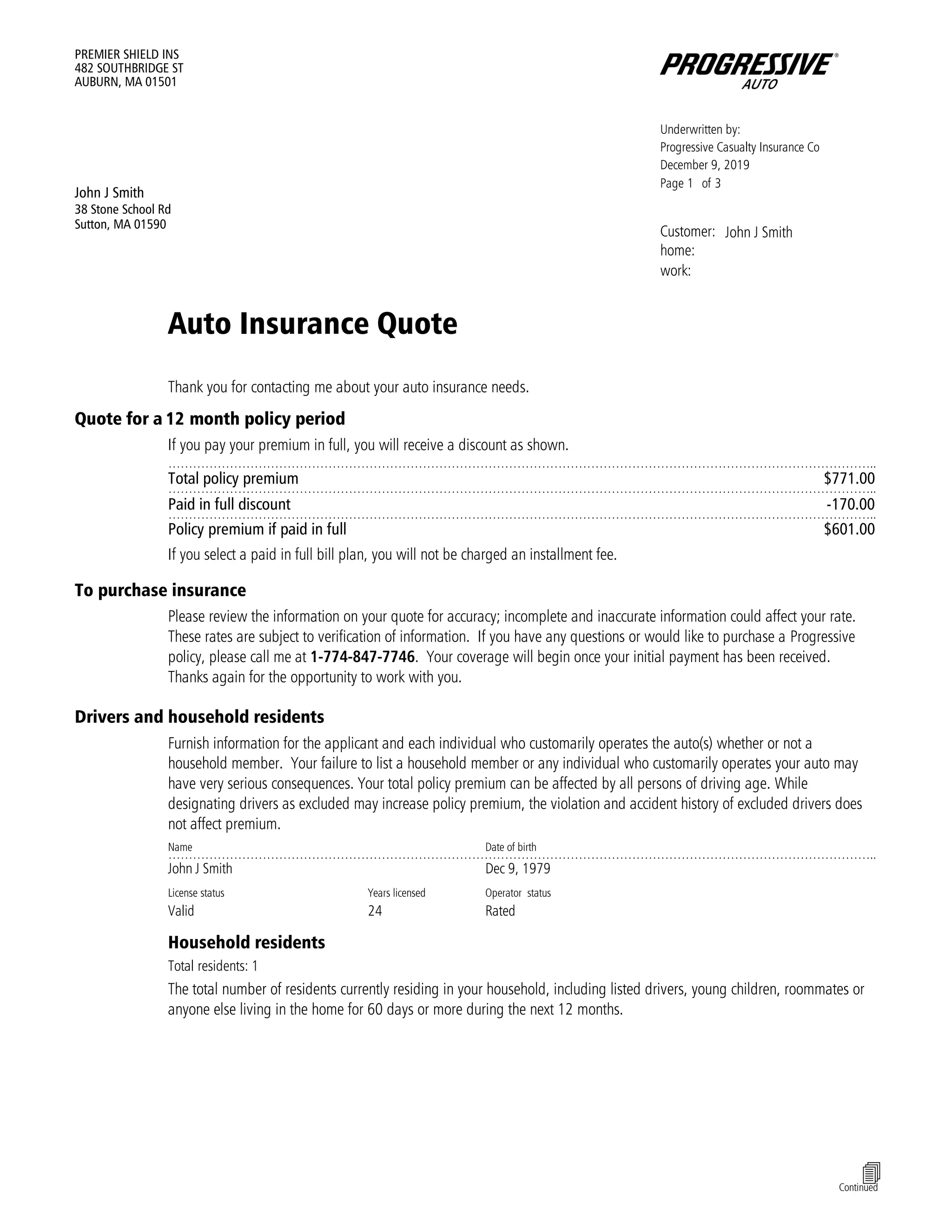
A good example of auto insurance coverage includes a balanced combination of liability protection, physical damage coverage (collision and comprehensive), and medical payment support. For instance, a "100/300/50" liability policy paired with a $500 deductible for collision ensures you are financially protected against both legal claims from others and repair costs for your own vehicle.
Understanding auto insurance is often complicated by legal jargon and varying state requirements. However, at its core, a robust policy acts as a multi-layered financial safety net. As we navigate the driving landscape of 2026, where vehicle repair costs have risen due to advanced sensor technology and electric vehicle (EV) components, having a "good" example of coverage is more critical than ever. This guide breaks down the essential components of a high-quality policy through practical scenarios, technical explanations, and strategic advice.
The Foundation: Liability Coverage
Liability insurance is the most fundamental part of any auto insurance policy and is legally required in almost every jurisdiction. It does not cover you or your car; instead, it covers the costs associated with injuries or property damage you cause to others in an at-fault accident.
Bodily Injury Liability (BI)
Bodily Injury Liability covers the medical expenses, lost wages, and legal fees of the other party if you are found responsible for an accident. In a "good" example of coverage, you will often see limits expressed as two numbers, such as $100,000/$300,000.
The first number ($100,000) represents the maximum the insurer will pay for a single person’s injuries. The second number ($300,000) is the total the insurer will pay for all injuries sustained in the entire accident, regardless of how many people are hurt. If you carry only the state-mandated minimum—which in some regions is as low as $25,000—a single major injury could result in a lawsuit against your personal assets.
Property Damage Liability (PD)
The third number in a liability split (e.g., the "50" in 100/300/50) refers to Property Damage Liability. This covers damage to the other person’s vehicle, as well as structures like fences, lamp posts, or storefronts. With the average price of a new vehicle in 2026 exceeding $50,000, carrying a limit lower than this puts you at significant risk. A "good" policy ensures this limit matches or exceeds the value of most modern vehicles on the road.
Physical Damage: Protecting Your Own Asset
While liability protects your bank account from lawsuits, physical damage coverage protects the investment you made in your vehicle. This is typically divided into two categories: Collision and Comprehensive.
Collision Coverage
Collision insurance pays to repair or replace your vehicle after a crash with another car or an object (like a tree or a guardrail), regardless of who is at fault. In our 2026 example, a driver with a $500 deductible who sustains $8,000 in front-end damage would pay $500 out of pocket, while the insurance company covers the remaining $7,500.
Collision is generally optional unless you have a loan or lease on the vehicle. However, for any vehicle with a high resale value, it is considered a mandatory component of a "good" coverage plan.
Comprehensive Coverage
Comprehensive insurance covers "acts of God" and other non-collision events. This includes theft, vandalism, fire, natural disasters, and hitting an animal. As climate-related events like floods and severe hail storms become more frequent, comprehensive coverage has transitioned from a "luxury" add-on to a necessity for most drivers.
A key detail in comprehensive coverage is glass protection. Many modern policies in 2026 offer "Full Glass" coverage with a $0 deductible, which is highly recommended because the calibration of windshield cameras (used for lane-assist and emergency braking) has made simple windshield replacements significantly more expensive than in previous decades.
A Practical Scenario: The "Real-World" Coverage Example
To see how these components work together, let’s look at a hypothetical accident involving "Sarah," who carries a high-quality 100/300/50 policy with Collision and Comprehensive.
The Accident: Sarah accidentally runs a red light and strikes an SUV carrying four passengers. Her car is totaled, the SUV is heavily damaged, and two passengers in the SUV require hospital visits.
- Bodily Injury Application: The two passengers have medical bills totaling $45,000 and $60,000. Because Sarah has a $100,000 per-person limit and a $300,000 per-accident limit, her insurance covers the full $105,000 in medical costs.
- Property Damage Application: The SUV is valued at $40,000 and is declared a total loss. Sarah’s $50,000 Property Damage limit covers the entire cost of the SUV.
- Collision Application: Sarah’s car, worth $25,000, is also totaled. She pays her $500 deductible, and her insurer cuts her a check for $24,500 to help her buy a replacement vehicle.
In this example, Sarah’s "good" coverage prevented her from facing roughly $170,000 in personal debt. If she had carried only state-minimum coverage, she likely would have been responsible for over $100,000 out of her own pocket.
Coverage for the Driver: PIP and Medical Payments
While liability covers others, and collision covers your car, you still need protection for your own physical wellbeing.
Personal Injury Protection (PIP)
PIP is a "no-fault" coverage required in many states. It pays for your medical bills, lost wages, and even funeral costs regardless of who caused the accident. It is often more comprehensive than standard Medical Payments coverage because it accounts for the "hidden" costs of an accident, such as needing to hire a house cleaner because you are too injured to perform chores.
Medical Payments (MedPay)
In states where PIP is not available, MedPay serves as a smaller, supplementary coverage. It specifically covers medical and dental bills for you and your passengers. A good policy typically includes at least $5,000 to $10,000 in MedPay to cover health insurance deductibles.
The Role of Uninsured/Underinsured Motorist Coverage
One of the most overlooked aspects of a "good" auto insurance example is Uninsured Motorist (UM) and Underinsured Motorist (UIM) coverage. Despite legal requirements, a significant percentage of drivers remain uninsured, or they carry such low limits that they cannot cover a major accident.
- Uninsured Motorist (UM): Covers your medical bills (and sometimes property damage) if you are hit by a driver who has no insurance or if you are the victim of a hit-and-run.
- Underinsured Motorist (UIM): Kicks in when the at-fault driver has insurance, but their limits are too low to cover your total damages. For example, if you have $100,000 in medical bills but the other driver only has a $25,000 limit, your UIM coverage would pay the $75,000 gap.
Comparison of Coverage Types
The following table summarizes how different components of an auto insurance policy function in 2026.
| Coverage Type | Primary Purpose | Required? | Who/What is Covered? |
|---|---|---|---|
| Bodily Injury Liability | Legal/Medical protection for others | Yes (Most states) | Other people you injure |
| Property Damage Liability | Repair/Replace others' property | Yes (Most states) | Other people's cars/structures |
| Collision | Repair/Replace your own car | No (Unless financed) | Your vehicle (Crash-related) |
| Comprehensive | Protect against non-crash events | No (Unless financed) | Your vehicle (Theft, weather) |
| PIP / MedPay | Your own medical recovery | Varies by state | You and your passengers |
| UM / UIM | Protection from "bad" drivers | Varies by state | You and your passengers |
Critical Add-ons: Gap Insurance and Rental Reimbursement
A truly comprehensive example of insurance includes "lifestyle" protections that prevent minor accidents from becoming major disruptions.
Gap Insurance
In 2026, many car buyers utilize long-term financing (60-84 months). Because new cars depreciate quickly, it is common to "owe more than the car is worth." If your car is totaled, standard Collision coverage only pays the Actual Cash Value (ACV). Gap insurance pays the difference between the ACV and your remaining loan balance. Without it, you could be left paying off a loan for a car you can no longer drive.
Rental Reimbursement
If your car is in the shop for two weeks after an accident, how will you get to work? Rental reimbursement provides a daily stipend (e.g., $40–$60 per day) to cover the cost of a temporary vehicle. In an era where supply chain issues can still occasionally delay high-tech parts, having this coverage for at least 30 days is a hallmark of a well-thought-out policy.
Understanding Deductibles and Limits in 2026
The "math" of auto insurance revolves around the relationship between premiums (what you pay monthly) and deductibles (what you pay at the time of a claim).
- Deductible Strategy: A $1,000 deductible will lower your monthly premium, but you must ensure you have $1,000 in emergency savings. If you live paycheck-to-paycheck, a $250 or $500 deductible is a "better" example of coverage because it reduces the immediate financial shock of an accident.
- Inflation Adjustments: As of 2026, the Insurance Information Institute notes that the cost of labor and specialized parts has increased by over 20% since the early 2020s. This means that limits that were "safe" five years ago may now be insufficient.
Common Mistakes When Choosing Coverage
Many drivers believe they have "full coverage," but this term is actually a misnomer. There is no single "full" policy; rather, it is a combination of choices. Common mistakes include:
- Selecting State Minimums: This is the most dangerous mistake. Minimums are designed to protect the state's interests, not your personal assets.
- Declining UM/UIM: Thinking "I'm a good driver" doesn't protect you from the millions of "bad" or uninsured drivers on the road.
- Ignoring Telematics: In 2026, many insurers offer significant discounts for using telematics (tracking devices or apps that monitor driving habits). Failing to opt-in if you are a safe driver is essentially leaving money on the table.
- Skipping Gap Insurance on New Loans: This is a high-risk gamble for anyone with less than 20% equity in their vehicle.
Frequently Asked Questions
What does "100/300/50" actually mean on my policy?
These are the limits for your Liability coverage. The "100" means the insurer will pay up to $100,000 for bodily injury to one person. The "300" means they will pay a total of $300,000 for all injuries in one accident. The "50" means they will pay up to $50,000 for property damage you cause to others. These are widely considered the minimum limits for a "good" policy.
Does auto insurance cover my personal belongings inside the car?
Generally, no. Auto insurance covers the vehicle itself. If your laptop or luggage is stolen from your car, you usually have to file a claim through your homeowners or renters insurance. Some high-end "platinum" auto policies may offer a small amount of personal property coverage, but this is the exception, not the rule.
If I hit a deer, is that a collision or comprehensive claim?
Hitting a live animal is almost always processed under Comprehensive coverage. This is a common point of confusion. If you swerve to miss the deer and hit a tree instead, that becomes a Collision claim. Because comprehensive claims often have lower deductibles and impact your rates less than collision claims, it is often financially "better" (though counter-intuitive) to hit the animal rather than swerving into a fixed object.
Is Gap Insurance necessary if I made a large down payment?
If you put down 20% or more on your vehicle purchase, you likely do not need Gap Insurance. You only need it if there is a risk that your loan balance is higher than the car's current market value. You can check your car's value on sites like Kelley Blue Book to see if you are "underwater" on your loan.
Does my insurance cover me if I use my car for ride-sharing?
Standard personal auto insurance typically excludes commercial activity like driving for Uber or Lyft. If you use your car for work, you must add a "Rideshare Insurance" endorsement. Failing to do so can result in a denied claim if an accident occurs while you are logged into the app.
Summary and Next Steps
A good example of auto insurance is not just about having the lowest premium; it is about ensuring that a single bad day on the road doesn't lead to a lifetime of debt. A balanced policy for 2026 should include:
- Liability limits of at least 100/300/50.
- Collision and Comprehensive coverage with manageable deductibles ($500–$1,000).
- Uninsured/Underinsured Motorist protection matching your liability limits.
- Gap Insurance if you have a high loan-to-value ratio.
To ensure your coverage is up to date, review your "Declarations Page" annually. Compare your current limits against the current value of your vehicle and your total personal assets. If your net worth has grown, your liability limits should grow with it to protect you from potential lawsuits.