Workers’ compensation insurance generally covers funeral and burial expenses if an employee dies as a result of a work-related injury or occupational disease. These "death benefits" are statutory, meaning the maximum dollar amount and eligibility requirements are strictly defined by state laws rather than individual employer preferences or private insurance policy terms.
In the event of a workplace fatality, the emotional and financial toll on a family is immense. While most people associate workers’ compensation with medical bills and lost wages for injured workers, the system also provides a critical safety net for the survivors of those killed on the job. As of 2026, every state in the U.S. includes some form of burial allowance within its workers' compensation framework, though the specific "cap" on these payments varies significantly depending on the jurisdiction where the claim is filed.
Understanding Workers' Compensation Death Benefits
To understand how funeral expenses are handled, it is necessary to distinguish between the two primary components of "death benefits" in the workers' compensation system. Death benefits are not a single payout but are typically divided into two distinct categories:
- Burial and Funeral Allowances: This is a one-time payment or reimbursement specifically designated to cover the costs of a funeral service, cremation, burial, a casket, and sometimes the transportation of the remains.
- Survivor Benefits (Dependency Benefits): These are ongoing, periodic payments (usually weekly or bi-weekly) made to the legal dependents of the deceased—such as a spouse or minor children—to compensate for the loss of the deceased worker’s income.
The funeral expense portion is meant to alleviate the immediate financial burden of laying a loved one to rest. Because workers' compensation is a "no-fault" system, the family does not need to prove the employer was negligent to receive these benefits. They only need to prove that the death arose "out of and in the course of employment."
Eligibility Criteria for Funeral Expense Coverage
Not every death that occurs at a workplace is automatically covered. For the insurance carrier or state fund to approve funeral expenses, the death must meet specific legal criteria.
The Course and Scope of Employment
The primary requirement is that the death must be work-related. This includes sudden accidents, such as a fall from a construction site or a fatal vehicle collision while making a delivery. However, it also extends to deaths resulting from occupational diseases. For example, if a worker dies in 2026 from complications related to long-term asbestos exposure or a respiratory illness contracted due to workplace environmental hazards, their funeral expenses are generally covered.
The "Proximate Cause" Requirement
The work-related injury must be the "proximate cause" of the death. This means that even if the death occurs years after the initial injury, funeral benefits may still be available if the death can be medically linked back to the original workplace incident. If a worker is paralyzed in a 2023 factory accident and dies in 2026 due to infections or complications directly stemming from that paralysis, the death is typically considered compensable.
Exclusions and Denials
Insurance carriers may deny funeral benefit claims if the death occurred under specific circumstances that violate state statutes. Common exclusions include:
- Intoxication: If the death was caused primarily by the worker's voluntary intoxication by alcohol or illegal drugs.
- Self-Inflicted Injuries: Suicide is generally not covered unless it can be proven that the work-related injury caused a mental condition that led to the act (a complex legal threshold).
- Horseplay: Deaths resulting from prohibited, non-work-related physical joking or altercations may be excluded.
- The "Coming and Going" Rule: Generally, a death that occurs during a normal commute to or from a fixed place of employment is not covered, though there are many exceptions for traveling salesmen or those on special errands for the employer.
State-Specific Limits and Statutory Caps
One of the most frustrating aspects for families is that workers' compensation rarely covers the entire cost of a modern funeral if the expenses exceed state-mandated caps. Each state sets a "maximum burial allowance." As of 2026, these caps have seen moderate increases in several states to account for inflation in the funeral industry, but they still vary widely.
For example, a state like Florida may have a statutory cap that is significantly lower than a state like Pennsylvania or Illinois. If a funeral costs $15,000 but the state cap is $10,000, the insurance company is only legally obligated to pay the $10,000.
Comparison of Sample State Burial Benefits (Projected 2026)
| State | Maximum Burial Allowance | Who Receives Payment? | Notable Provisions |
|---|---|---|---|
| California | $10,000 | Estate or Person who paid | Higher limits for certain public safety officers. |
| Texas | $10,000 | Person who paid / Funeral Home | Actual costs up to the cap; requires itemized receipts. |
| New York | $12,500 – $15,000 | Estate or Person who paid | Varies by county (higher in NYC/Metropolitan areas). |
| Florida | $7,500 | Person who paid / Estate | One of the lower caps in the U.S. as of 2026. |
| Illinois | $9,000 – $10,000 | Survivors or Estate | Adjusted periodically based on Consumer Price Index. |
| Federal (FECA) | $800 + Transportation | Survivors | Federal employees have different structures, often lower burial caps. |
Note: These figures are representative of standard statutory limits for 2026. Exact amounts can fluctuate based on legislative updates or specific case law in individual jurisdictions.
What Specific Funeral Costs Are Covered?
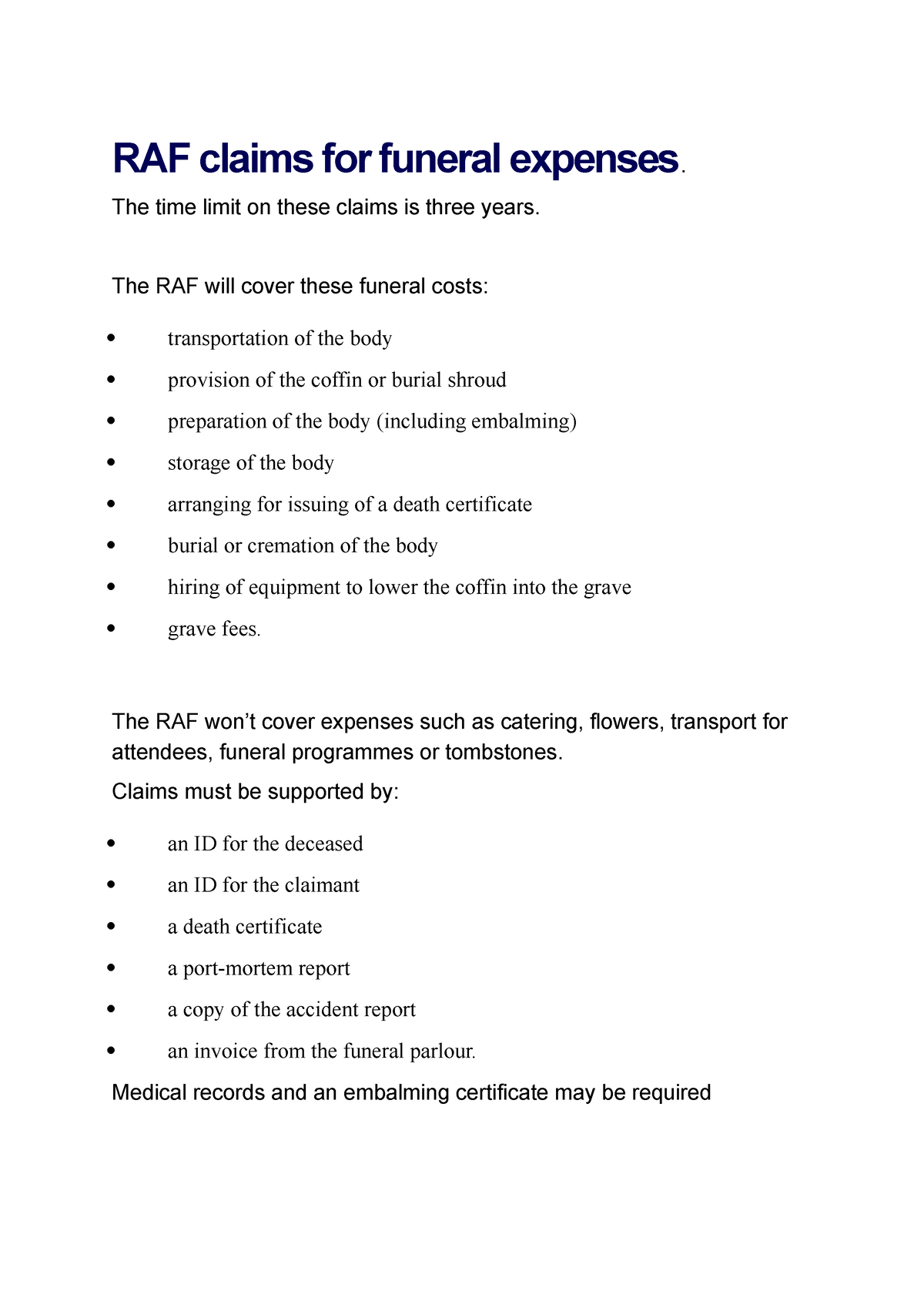
When a claim is approved, the "burial allowance" is intended to be used for "reasonable" expenses. In the context of 2026 insurance adjustments, "reasonable" typically covers:
- Professional Services: The basic services fee of the funeral director and staff.
- Remains Disposition: Costs associated with burial, cremation, or entombment.
- Caskets and Urns: The purchase of a container for the remains.
- Transportation: Moving the body from the place of death to the funeral home and to the cemetery.
- Repatriation: If the death occurred while the worker was traveling for business (e.g., in a different state or country), some states provide additional funds to transport the remains back to the worker's home.
- Gravesite Costs: This includes the plot, the opening and closing of the grave, and sometimes a modest headstone or marker.
It is important to note that "extra" items—such as elaborate floral arrangements, high-end catering for a wake, or limousine processions—may be scrutinized by the insurance adjuster if they cause the total bill to exceed the "reasonable" standard or the state cap.
The Claims Process: How to Request Burial Benefits
Securing funeral expenses requires following a specific administrative path. Unlike life insurance, which often pays out upon the presentation of a death certificate, workers' compensation requires proof of the work connection.
Step 1: Immediate Notification
The employer must be notified of the death immediately. In most fatality cases, the employer is already aware, but a formal written notice from the family or a legal representative ensures that the "statute of limitations" clock for filing a claim is properly managed.
Step 2: Filing the Formal Claim
The family (usually the surviving spouse or personal representative of the estate) must file a formal claim with the state’s workers’ compensation board or commission. In many states, this involves a specific form for "Death Benefits."
Step 3: Submission of Documentation
To receive the burial allowance, the insurance carrier will require:
- A certified copy of the Death Certificate.
- The Coroner’s Report or Medical Examiner’s findings (to establish the cause of death).
- Itemized Funeral Bills: The carrier will not pay a lump sum based on an estimate; they require the final, itemized invoice from the funeral home.
- Proof of Payment: If a family member has already paid the funeral home out of pocket, they must provide receipts to be reimbursed up to the statutory limit.
Step 4: The Investigation Period
Insurance companies often investigate workplace fatalities thoroughly because the long-term "survivor benefits" (wage replacement) can cost the insurer hundreds of thousands of dollars over several decades. This investigation may delay the payment of the funeral bill. Families often coordinate with the funeral director, who may be willing to wait for payment once a workers' compensation claim number is established.
Interaction with Other Benefits
Workers' compensation is not the only source of funds for funeral expenses, and it is important to understand how these different systems interact.
Social Security Death Benefits
The Social Security Administration (SSA) provides a small, one-time death payment (currently $255) to eligible surviving spouses or children. This is independent of workers’ compensation. However, ongoing Social Security survivor benefits may be "offset" or reduced if the family is also receiving workers' compensation weekly death benefits, depending on state law.
Private Life Insurance
If the deceased had a private life insurance policy or a group life policy through their employer, that payout is entirely separate from workers' compensation. Accepting a life insurance payout does not disqualify a family from receiving workers' compensation burial benefits.
Third-Party Personal Injury Lawsuits
If the death was caused by a third party (for example, a defective piece of machinery manufactured by another company or a negligent driver who hit the worker), the family may be able to file a "wrongful death" lawsuit. If the family wins a settlement from a third party, the workers’ compensation insurance carrier usually has a "subrogation right," meaning they may be entitled to be paid back for the funeral expenses they previously covered out of the settlement proceeds.
Common Challenges and Denials
Even in seemingly clear-cut cases, disputes can arise. One common issue in 2026 involves pre-existing conditions. If a worker has a heart attack on the job, the insurance company may argue the death was due to underlying heart disease rather than workplace stress or physical exertion.
Another challenge is the determination of dependency. While funeral expenses are usually paid regardless of whether the deceased had dependents, the weekly benefits are only paid to those who were financially dependent on the worker. If there are no legal dependents, some states require the burial allowance to be paid to the estate, while others may mandate that a portion of the unpaid death benefits be diverted to a state "Second Injury Fund."
If a claim for funeral expenses is denied, the family has the right to an administrative hearing before a Workers' Compensation Judge. Because of the legal complexities regarding the "cause of death," many families seek specialized legal counsel to navigate these disputes.
Detailed Comparison Table: Workers’ Comp vs. Other Death Resources
| Feature | Workers' Compensation | Social Security (Survivor) | Private Life Insurance |
|---|---|---|---|
| Primary Purpose | Work-related injury coverage | Social safety net / Retirement | Financial planning / Asset |
| Funeral Coverage | Yes (Up to statutory cap) | Minimal ($255 lump sum) | Yes (Total policy limit) |
| Proof Required | Must be work-related | Work credits (Social Security) | Death by covered cause |
| Fault Factor | No-fault | N/A | N/A |
| Payment Speed | Moderate (Pending investigation) | Varies | Usually Fast |
| Ongoing Support | Yes (Wage replacement) | Yes (For minor children/widows) | No (Usually lump sum) |
Frequently Asked Questions
1. Does workers’ comp pay the funeral home directly?
In many cases, yes. If the bill has not yet been paid, the insurance carrier can issue a check directly to the funeral home up to the state’s maximum limit. If the family has already paid the bill, the carrier will issue a reimbursement check to the individual who provided the funds, provided they have receipts.
2. What happens if the funeral costs more than the state limit?
If the funeral costs exceed the statutory limit (e.g., the funeral is $12,000 but the state limit is $8,000), the family or the deceased's estate is responsible for the remaining $4,000. Workers' compensation laws are rigid regarding these caps, and insurance adjusters do not have the authority to exceed them.
3. Are there time limits for filing a claim for funeral expenses?
Yes. Every state has a statute of limitations for death benefit claims. This typically ranges from one to three years from the date of death. Failing to file the appropriate paperwork within this window can result in a total loss of benefits, including the burial allowance.
4. Can I choose any funeral home?
Yes. The employer or the insurance company cannot dictate which funeral home or burial service you use. You have the right to choose any provider. However, the insurance company will only pay up to the "reasonable" amount or the state-mandated cap.
5. If my spouse died from a "slow" occupational illness, is the funeral covered?
Yes, provided the illness (such as silicosis, asbestosis, or certain occupational cancers) is recognized under state law as being caused by their employment. These claims often require more medical evidence than sudden accident claims, but the funeral benefit remains the same once the link is established.
6. Is an autopsy required to get funeral expenses covered?
Not always, but the insurance carrier has the right to request one if the cause of death is in question. If the insurance company requests an autopsy to verify the work-relatedness of the death, they are generally responsible for the costs associated with that procedure.
Practical Recommendations for Survivors
If you are dealing with a workplace fatality, the administrative burden is the last thing you want to handle. However, taking these steps can ensure the funeral expenses are covered without unnecessary delay:
- Request Itemized Invoices: Ask the funeral director for an itemized list of all charges immediately. This is required by the insurance carrier to process the burial allowance.
- Coordinate with the Funeral Director: Inform the funeral home that a workers' compensation claim is being filed. Many directors are familiar with the process and can help ensure the documentation meets the carrier's requirements.
- Consult a Specialist: If the insurance company expresses any doubt about the "work-related" nature of the death, consult a workers' compensation attorney. Fatalities are high-stakes claims, and carriers often look for reasons to deny them to avoid the much larger long-term survivor benefit payouts.
- Check for Multiple Policies: Look into whether the deceased had "Accidental Death and Dismemberment" (AD&D) insurance through their employer or credit card company, as these can provide additional funds beyond the workers' compensation burial cap.