Ashton Kutcher possesses an estimated net worth of approximately $200 million, accumulated through a diversified career spanning television acting, film production, digital media ventures, and highly successful early-stage Silicon Valley venture capital investments.
Evaluating the financial portfolio of a modern celebrity-turned-investor requires looking far beyond standard acting salaries and residual checks. While Kutcher first rose to household prominence as a comedic television actor in the late 1990s and 2000s, his long-term wealth accumulation is largely the result of strategic asset allocation, high-profile technology investments, and co-founding venture capital firms that targeted generational tech companies before they achieved mainstream dominance. This financial overview examines the core components driving Kutcher's economic standing, tracing his transition from sitcom star to influential institutional technology investor.
Early Television and Film Earnings
The foundation of Ashton Kutcher’s early wealth was built on mainstream commercial entertainment projects in television and film. Breaking into the industry with his portrayal of Michael Kelso on the Fox sitcom That '70s Show (1998–2006), Kutcher established a reliable income stream during an era of traditional network television syndication. By the final seasons of the show, his per-episode salary reached notable industry tiers, contributing significantly to his initial capital reserves.
Following his success on television, Kutcher transitioned into film production and starring roles throughout the 2000s. Projects such as The Butterfly Effect (2004), What Happens in Vegas (2008), and No Strings Attached (2011) performed well at the box office, commanding substantial upfront talent fees. Furthermore, Kutcher expanded his financial footprint into production by creating and hosting the MTV hidden-camera prank show Punk'd (2003–2007), retaining ownership stakes that generated recurring revenue through format licensing and syndication rights.
Later television returns included replacing Charlie Sheen on the CBS sitcom Two and a Half Men starting in 2011. During his four-season tenure on the program, trade publications reported that Kutcher earned approximately $700,000 to $750,000 per episode, making him one of the highest-paid actors on television during that period. These traditional entertainment earnings provided the liquid capital necessary for Kutcher to pivot toward higher-risk, higher-reward asset classes, specifically technology startups.
Evolution into Venture Capital and Technology Investing
Kutcher’s most substantial wealth multiplier has been his career as a venture capitalist. Unlike many traditional celebrity investors who merely lend their name or likeness to consumer brands for equity, Kutcher adopted an active, thesis-driven approach to technology investing, earning a reputation as a sophisticated institutional market participant.
In 2010, Kutcher partnered with entertainment manager Guy Oseary and billionaire Ron Burkle to launch A-Grade Investments, an early-stage venture capital fund. The fund famously targeted consumer-facing technology companies, cloud services, and mobile applications during their formative fundraising rounds. A-Grade's strategy focused on identifying platforms with strong network effects and scalable consumer adoption curves before venture capital valuations reached hyper-inflationary levels.
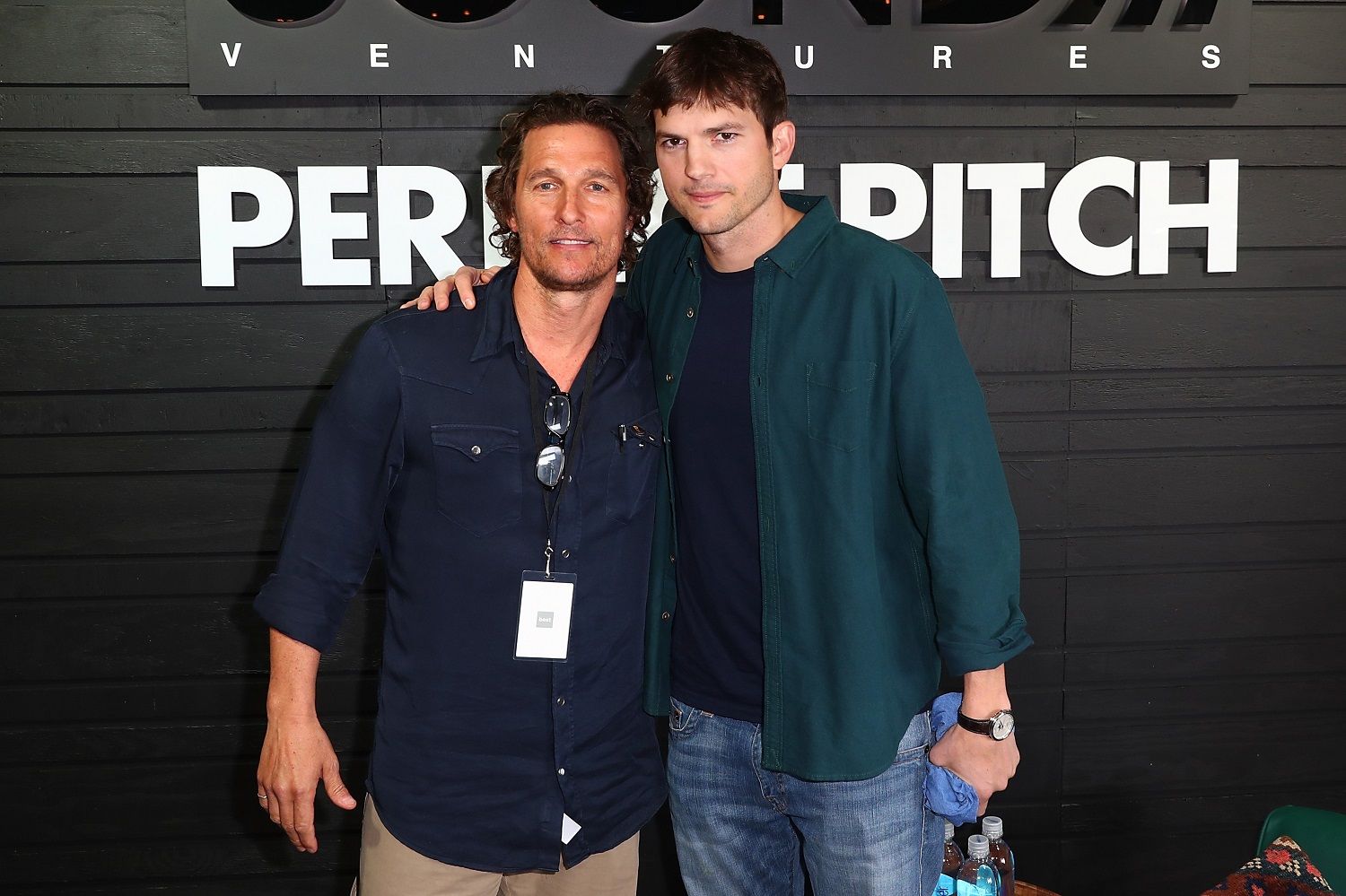
Following the success of A-Grade Investments, Kutcher and Oseary co-founded Sound Ventures in 2015. Sound Ventures operates as an institutional venture capital firm managing capital for institutional limited partners, endowments, and high-net-worth individuals, investing across seed, venture, and growth stages in sectors such as artificial intelligence, digital health, enterprise software, and fintech.
Landmark Early-Stage Investments
The primary driver of Kutcher’s modern net worth is a series of early-stage investments made through A-Grade and Sound Ventures. While specific confidential portfolio valuations vary, several notable holdings achieved unprecedented market capitalization growth:
- Uber: A-Grade participated in early financing rounds for the ride-sharing platform when its valuation was a fraction of its eventual public market peak.
- Airbnb: Early-stage backing of the hospitality marketplace yielded substantial returns as the platform scaled globally.
- Spotify: Equity participation during the streaming audio service's private phases contributed significantly to the fund's overall performance.
- Slack: Investment in the enterprise communication tool prior to its acquisition by Salesforce and subsequent public market integration.
- Other Notable Holdings: Early investments in companies like Shazam, Foursquare, and Zenefits further cemented the firm's reputation for deal flow generation.
| Investment Entity | Launch Year | Primary Focus Areas | Notable Portfolio Examples |
|---|---|---|---|
| A-Grade Investments | 2010 | Early-stage consumer tech, marketplaces | Uber, Airbnb, Spotify, Shazam |
| Sound Ventures | 2015 | Seed to growth-stage tech, enterprise software, AI | OpenAl, Flexport, GitLab, Varda Space |
Real Estate Holdings and Personal Assets
Physical real estate assets constitute another pillar of Kutcher’s overall net worth profile. Over the decades, Kutcher and his wife, actress Mila Kunis, have engaged in strategic property acquisition, development, and liquidation across premier markets in California.
Notable real estate transactions include:
- Hollywood Hills Modern Residence: A contemporary architectural home purchased by Kutcher prior to his marriage, which was later sold following upgrades.
- Beverly Hills Estate: A multi-acre property acquired in 2014 for over $10 million, serving as a primary family residence for several years.
- Santa Barbara County Coastal Home: A sustainable, modern farmhouse-style beachfront property in the Montecito or Carpinteria area, designed with eco-friendly specifications and widely profiled in architectural publications.
These residential assets represent both long-term capital preservation vehicles and lifestyle investments, maintaining stable liquidity profiles within the broader context of a liquid-heavy investment portfolio.
Media Production and Corporate Partnerships
Beyond equity investments and acting, Kutcher maintains income streams through production companies and corporate endorsements. Through Katalyst Films (and subsequent production entities), Kutcher has produced various television series, digital content, and documentary features, generating consistent corporate fees and back-end ownership percentages.
On the commercial endorsement front, Kutcher has historically selective corporate partnerships. Rather than pursuing ubiquitous advertising deals, his commercial footprint in recent years has focused on technology-related products, sustainability initiatives, and strategic brand alignments where he maintains a direct advisory or equity relationship.
Financial Management and Wealth Preservation
Maintaining a net worth estimated around $200 million requires structured asset management, tax planning, and risk mitigation. Unlike liquid stock market portfolios, venture capital assets are notoriously illiquid, requiring years—sometimes decades—to realize capital gains through secondary sales, initial public offerings (IPOs), or corporate mergers and acquisitions.
Kutcher’s financial strategy leverages the following core wealth-preservation practices:
- Diversification: Balancing volatile, high-growth venture capital equity with real estate holdings and fixed-income assets.
- Institutional Syndication: Partnering with experienced institutional investors (such as Ron Burkle and established venture funds) to share due diligence overhead and mitigate sector-specific risk.
- Direct Operational Involvement: Taking an active advisory role in portfolio companies rather than acting as a passive celebrity endorser, increasing influence over enterprise value creation.
Disclaimer: Celebrity net worth figures are estimated based on publicly available data, historical real estate transactions, reported entertainment salaries, and known venture capital fund sizes. Private equity holdings and venture investments are subject to market fluctuations and confidential valuation metrics.
Frequently Asked Questions
How did Ashton Kutcher build most of his wealth?
While Kutcher earned substantial sums through acting roles in That '70s Show and Two and a Half Men, the vast majority of his estimated $200 million net worth stems from early-stage venture capital investments in technology companies like Uber, Airbnb, and Spotify via his investment firms A-Grade Investments and Sound Ventures.
What is Sound Ventures?
Sound Ventures is a venture capital firm co-founded by Ashton Kutcher and Guy Oseary in 2015. The firm invests in seed, venture, and growth-stage technology companies across sectors including artificial intelligence, enterprise software, fintech, and digital health, managing capital for institutional investors and high-net-worth individuals.
Did Ashton Kutcher invest in Uber early?
Yes. Through his early-stage fund A-Grade Investments, Kutcher participated in funding rounds for Uber during its formative years, generating significant financial returns as the company scaled into a global transportation network.
What was Ashton Kutcher's salary on Two and a Half Men?
During his four-season run on CBS's Two and a Half Men starting in 2011, industry reports indicated that Kutcher earned approximately $700,000 to $750,000 per episode, making him television's highest-paid actor at the time.
Are celebrity net worth estimates accurate?
Publicly reported net worth figures are estimates derived from available public records, including real estate deeds, corporate filings, trade publication salary reports, and known investment histories. Because private company valuations and private equity holdings are not publicly traded, exact figures remain speculative.
Conclusion and Strategic Next Steps
Ashton Kutcher’s financial profile illustrates a successful diversification model, demonstrating how a prominent figure in the entertainment industry can systematically transition into an institutional-grade technology investor. For individuals tracking wealth management strategies, the primary takeaway involves the power of early-stage asset allocation, calculated risk-taking, and aligning capital deployment with long-term technological and economic trends. Readers interested in exploring similar financial paths should examine the fundamentals of venture capital investing, accredited investor requirements, and the mechanics of private equity fund structures.