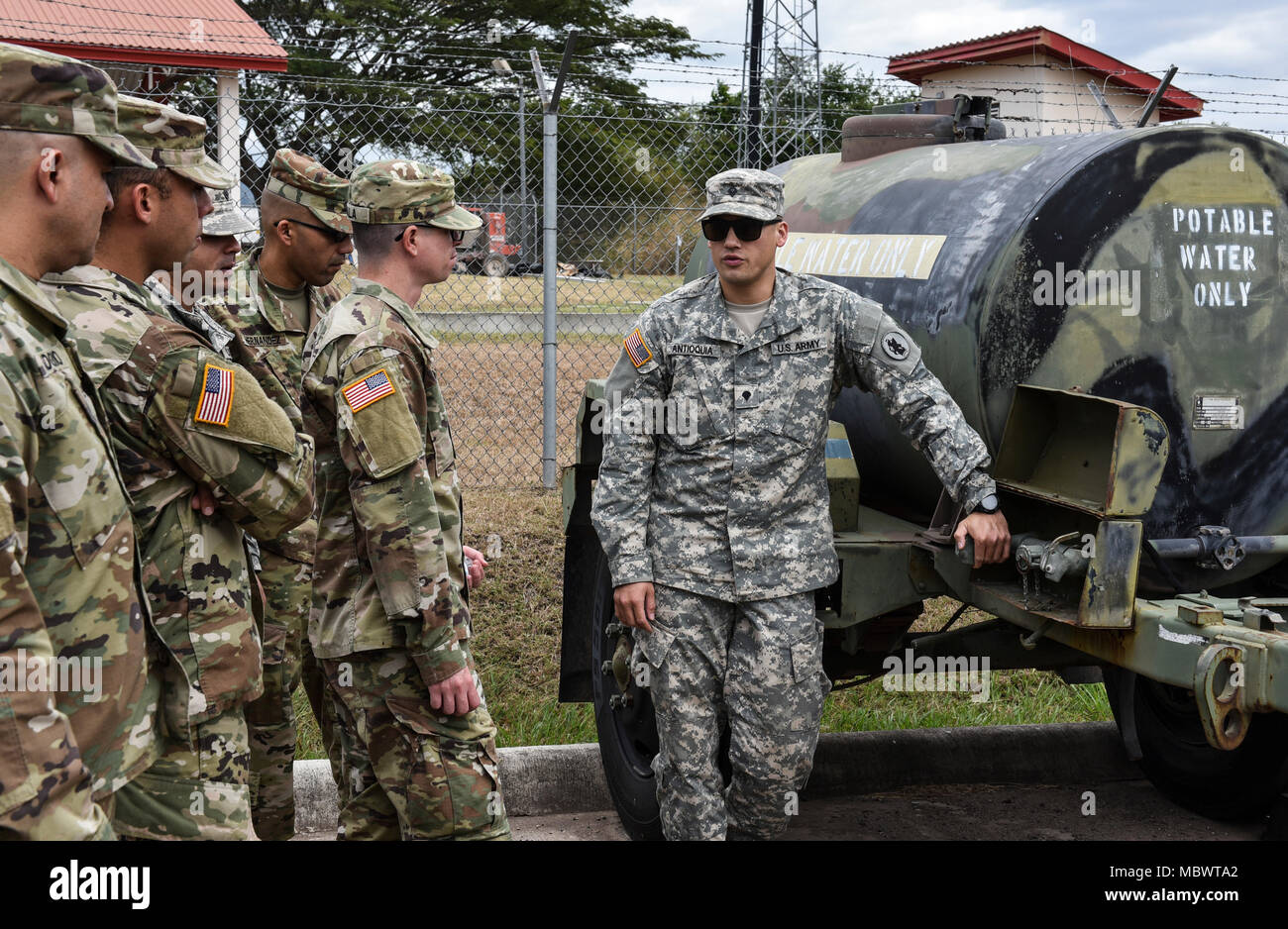
The Army Field Sanitation Course (AFSC) is a mandatory 40-hour certification program designed to train unit-level Field Sanitation Teams (FSTs) in the prevention of Disease and Non-Battle Injuries (DNBI). By equipping Soldiers with the technical skills to manage water quality, food safety, waste disposal, and pest control, the course ensures unit readiness and operational endurance in austere environments.
In the modern operational landscape of 2026, the Army Field Sanitation Course remains the cornerstone of preventive medicine at the tactical level. Historically, more Soldiers have been sidelined by preventable illnesses—ranging from dysentery to heat exhaustion—than by enemy fire. The AFSC bridges the gap between high-level medical doctrine and the practical, day-to-day survival of a platoon or company in the field. This guide provides an exhaustive look at the course requirements, the technical curriculum, and the critical role the Field Sanitation Team plays in maintaining a healthy, combat-ready force.
The Critical Importance of Field Sanitation
To understand the depth of the Army Field Sanitation Course, one must first recognize the threat it mitigates. Disease and Non-Battle Injuries (DNBI) encompass all illnesses and injuries not resulting from direct combat action. In prolonged deployments, a unit’s greatest enemy is often invisible. Poorly managed latrines, contaminated water sources, or improper food handling can lead to outbreaks that render an entire battalion combat-ineffective within days.
The AFSC teaches Soldiers that sanitation is not merely a matter of comfort; it is a force multiplier. When a unit can maintain its health without relying on external medical support for preventable issues, its operational reach expands. The course instills a "preventive medicine mindset," shifting the focus from treating the sick to ensuring the environment does not create sickness in the first place.
Eligibility and Prerequisites for the AFSC
The Army Field Sanitation Course is typically managed at the brigade or installation level, often through the Preventive Medicine (PVNTMED) section of the Brigade Support Battalion or the local Medical Department Activity (MEDDAC). While the course is open to various MOS (Military Occupational Specialties), specific regulations dictate who must attend to form a functional Field Sanitation Team.
Unit Requirements
According to Army Regulation (AR) 40-5 and ATP 4-25.12, every company-sized unit is required to have a trained Field Sanitation Team. This team must consist of:
- One Non-Commissioned Officer (NCO): Usually a Sergeant (E-5) or above, who serves as the team leader.
- One Enlisted Soldier: Usually a Specialist (E-4) or below, who assists in the technical execution of sanitation tasks.
- Medical Personnel: If the unit has an organic medic (68W), they are often included in this training, though the FST is specifically designed to function even in units without dedicated medical assets.
Individual Prerequisites
Soldiers selected for the AFSC should have a minimum of six months remaining in the unit to ensure the training benefit is retained. They must be in good standing, meet height and weight standards, and possess the aptitude to handle technical equipment, such as water testing kits and chemical dispersants. There is no specific security clearance requirement for the course itself, although individual units may have their own deployment-related requirements.
Core Curriculum: The Five Pillars of Field Sanitation
The 40-hour course is divided into several intensive modules. Each module combines classroom instruction with hands-on practical exercises to ensure that Soldiers can perform these tasks under the stress of field conditions.
1. Water Supply and Purification
Water is the most vital resource in the field, but it is also a primary vector for pathogens. AFSC students learn the "water discipline" necessary to keep a unit hydrated and safe.
- Source Selection: Evaluating natural water sources (wells, springs, rivers) and identifying potential contamination from upstream waste or industrial runoff.
- Chlorination Procedures: Mastering the use of Calcium Hypochlorite and water purification tablets. Students learn to calculate the correct dosage for various containers, from the individual 1-quart canteen to the 400-gallon "Water Buffalo" (M149 trailer).
- Testing for Residuals: Using the Taylor Kit or similar colorimetric testing equipment to ensure the water has a safe level of free available chlorine (FAC). In 2026, emphasis is placed on maintaining a minimum of 2.0 parts per million (ppm) FAC in bulk water containers.
2. Food Service Sanitation
In the field, the "Danger Zone" (40°F to 140°F) is the primary concern for food service. The AFSC trains Soldiers to inspect field kitchens and monitor food handling.
- Temperature Control: Ensuring that hot foods stay hot and cold foods stay cold during transport from a centralized kitchen to a remote site.
- Sanitization of Utensils: Learning the "three-sink method" (wash, rinse, sanitize) using field-expedient heating elements and chemical sanitizers.
- Storage and Disposal: Properly storing MREs (Meals, Ready-to-Eat) to prevent rodent infestation and ensuring that food waste is disposed of in a manner that does not attract pests or compromise the unit’s position.
3. Waste Disposal
Human waste and gray water (wastewater from showers or laundry) must be managed to prevent the spread of fecal-oral diseases.
- Latrine Construction: Designing and maintaining various types of latrines, including straddle trenches, deep pit latrines, and burn-out latrines.
- The 100-Meter Rule: A critical standard taught in the course is that latrines must be at least 100 meters (approx. 330 feet) away from any water source and at least 30 meters from the food service area.
- Handwashing Stations: Building field-expedient handwashing stations (often using "water cans" and foot pumps) and ensuring their constant use among the troops.
4. Arthropod and Pest Management
Mosquitoes, ticks, sand flies, and rodents are not just nuisances; they are carriers of malaria, Lyme disease, Leishmaniasis, and Hantavirus.
- Personal Protective Measures (PPM): Training Soldiers on the proper wear of the Uniform Integrated Tick and Mosquito Protection (permethrin-treated uniforms) and the application of DEET-based repellents.
- Area Control: Identifying breeding grounds for insects, such as standing water, and using approved pesticides or environmental modifications to reduce pest populations.
- Rodent Control: Setting traps and managing trash to prevent "vector-borne" illness outbreaks.
5. Climate Injury Prevention
The AFSC covers the physiological impacts of extreme heat and cold.
- Wet Bulb Globe Temperature (WBGT): Learning to use the WBGT index to determine "Heat Categories" and the corresponding work/rest cycles and water intake requirements.
- Cold Weather Injuries: Recognizing early signs of frostbite, immersion foot (trench foot), and hypothermia, and implementing "buddy system" checks to ensure Soldiers are changing socks and staying dry.
Technical Specifications: The FST Kit
A major component of the Army Field Sanitation Course is learning to use the specialized equipment issued to the unit. The Field Sanitation Team (FST) Kit is a standardized set of tools that must be maintained and inventoried.
| Item Category | Common Components | Purpose |
|---|---|---|
| Water Testing | Taylor Colorimetric Kit, pH strips | Testing chlorine residuals and acidity levels. |
| Vector Control | Permethrin spray, DEET, Mouse traps | Managing insects and rodents in the bivouac area. |
| Waste Management | Biohazard bags, powdered bleach | Disinfecting latrines and handling medical waste. |
| Education | GTA 08-05-062 (Sanitation Cards) | Providing quick-reference guides for unit members. |
| Climate Monitoring | WBGT Meter (QuestTemp or similar) | Measuring environmental heat stress accurately. |
Certification and Documentation
Upon successful completion of the Army Field Sanitation Course, Soldiers are officially certified. This certification is not permanent; it typically requires a refresher or re-certification every two to three years, depending on the current Command Policy and the specific unit's SOP (Standard Operating Procedure).
- DA Form 3307: Often used to document the completion of the course for the Soldier’s permanent record.
- Digital Training Management System (DTMS): The unit training NCO will input the course completion code into DTMS, which then reflects on the Soldier’s Enlisted Record Brief (ERB) or Soldier Record Brief (SRB).
- Certification Card: Many installation Preventive Medicine offices issue a physical or digital "Field Sanitation Certification Card" that the Soldier must carry while in the field.
Tactical Implementation: The FST in Action
The AFSC does not end in the classroom. Once certified, the Field Sanitation Team has specific duties during unit deployments or field training exercises (FTX).
The FST leader must conduct daily inspections of the unit’s perimeter. They check the chlorine levels of the water buffalo at dawn and dusk. They monitor the temperature of the breakfast and dinner "A-rations" provided by the mess section. They ensure that the latrines are being "burned out" or limed according to the SOP and that the handwashing stations have soap and water.
Perhaps most importantly, the FST acts as an advisor to the Company Commander. If the heat index rises to Category 5, it is the FST's responsibility to inform the leadership that the work/rest cycle must be adjusted. This advisory role requires both technical knowledge and the confidence to speak up for the health of the unit.
Common Challenges and Troubleshooting
Even with AFSC training, field conditions present unique challenges. One common issue is "Chlorine Demand." If water is particularly turbid (cloudy), the chlorine will bind to the sediment, leaving no "free" chlorine to kill bacteria. AFSC graduates are taught to use alum to settle sediment or to increase the chlorine dosage based on specific mathematical formulas.
Another challenge is Soldier Compliance. Many Soldiers dislike the smell of DEET or the feeling of permethrin-treated uniforms. The FST must use the leadership skills emphasized in the course to educate their peers on the dangers of vector-borne diseases, turning "compliance" into "culture."
Frequently Asked Questions (FAQ)
What is the primary regulation governing the Army Field Sanitation Course?
The primary regulatory guidance is found in ATP 4-25.12 (Unit Field Sanitation Teams) and AR 40-5 (Preventive Medicine). These documents outline the requirements for team composition, training frequency, and the specific sanitary standards that must be maintained within the U.S. Army. They provide the legal and operational framework for all field sanitation activities.
Can the AFSC be taken online via ALMS or JKO?
While some introductory modules and theoretical components may be available via the Army Learning Management System (ALMS) or Joint Knowledge Online (JKO), the full certification requires a resident or mobile training team (MTT) course. This is because hands-on proficiency with water testing kits, WBGT meters, and latrine construction is essential for certification. In 2026, most units prioritize the 40-hour in-person version to ensure tactical proficiency.
How many Soldiers per company must be AFSC certified?
Standard Army doctrine requires a minimum of two Soldiers per company-sized unit to be trained and appointed to the Field Sanitation Team. One must be an NCO (Sergeant or above) and the other is typically a junior enlisted Soldier. However, many Commanders choose to train additional personnel to ensure redundancy in case of transfers, leave, or casualties.
Does the AFSC certification count for promotion points?
Yes, completion of the resident Army Field Sanitation Course is typically worth 40 promotion points for junior enlisted Soldiers (E-4 to E-5) as it is classified as a resident military training course. Soldiers should ensure their training NCO uploads the certificate into the Digital Training Management System (DTMS) to have the points reflected on their promotion point worksheet.
Is the AFSC required for civilian contractors or other branches?
While the AFSC is an Army-specific course, civilian contractors operating in tactical environments and members of the Air Force or Marine Corps may attend if they are attached to an Army unit or if a Memorandum of Agreement (MOA) exists. The principles of field sanitation are universal, and the AFSC is often recognized as a gold standard for tactical preventive medicine training across the Department of Defense.
Final Recommendation for Units and Soldiers
For Soldiers selected to attend the Army Field Sanitation Course, the most important action is to approach the training as a professional technical skill rather than a simple "check-the-box" requirement. Before attending, review ATP 4-25.12 to familiarize yourself with the terminology. Once the course is completed, ensure that your unit leader formally appoints you to the Field Sanitation Team via a memorandum of record.
A proactive Field Sanitation Team is often the difference between a successful mission and an operational failure caused by a "gut-check" of the wrong kind. Maintain your FST kit, stay current on your certification, and remember that the health of every Soldier in your unit is, in many ways, in your hands.