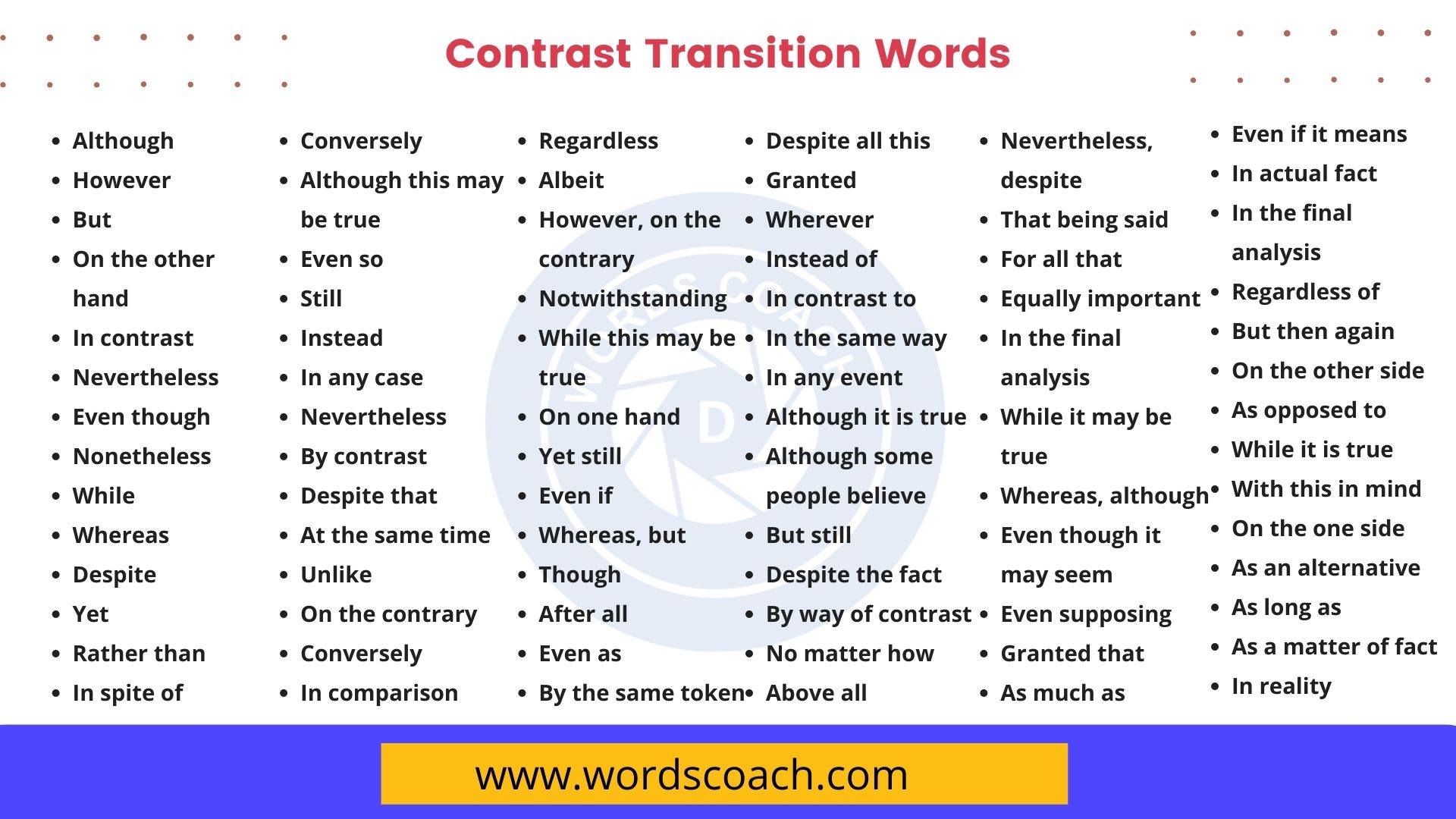
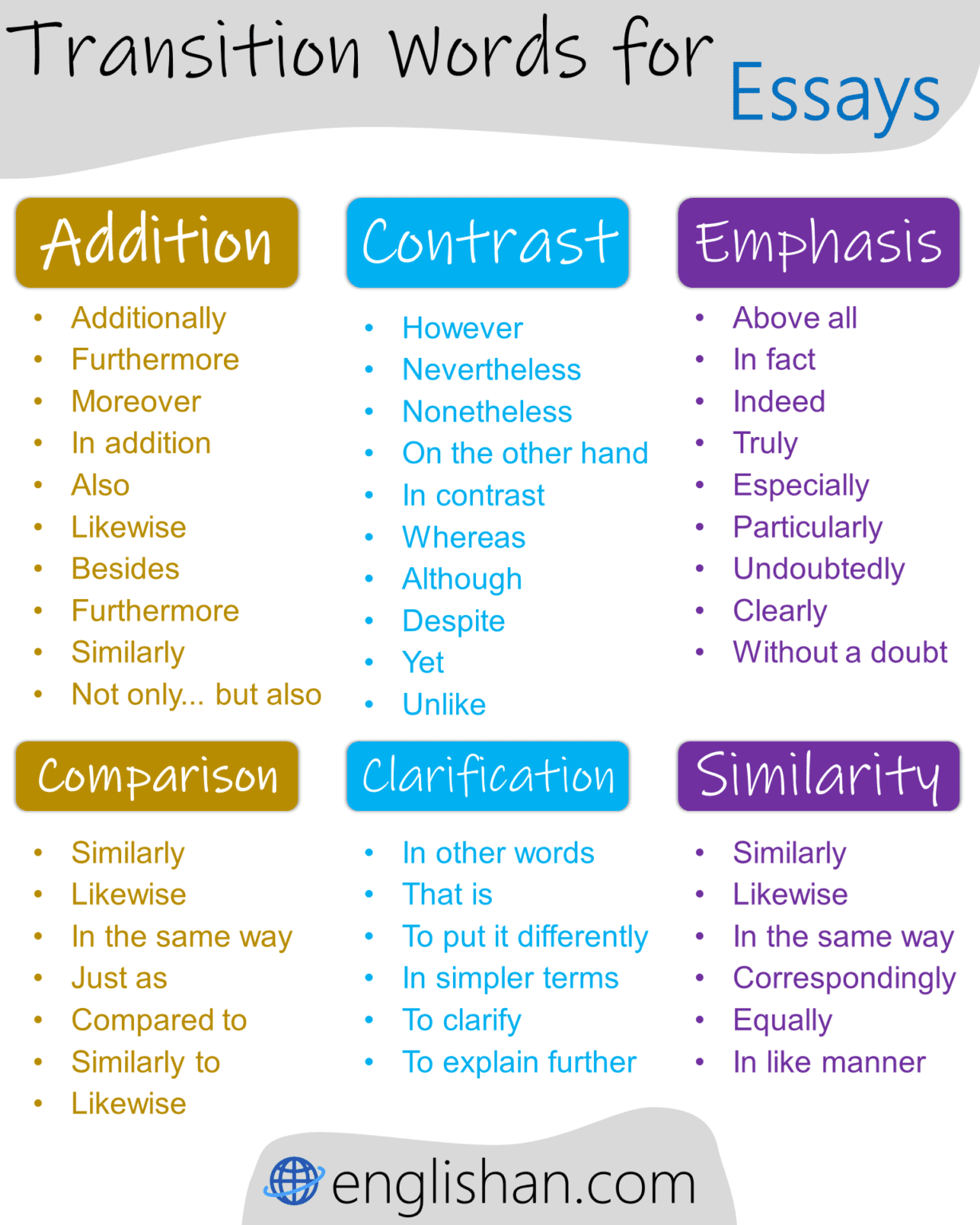
The most common synonyms for "new ideas" are innovations, concepts, breakthroughs, notions, insights, and brainchildren. The precise choice depends on your context: use innovations or disruptions for corporate strategy, hypotheses or propositions for academic research, and inspirations or visions for creative writing and design.
Why Word Choice Matters for Original Thoughts
precision in vocabulary elevates communication across every medium. Simply repeating "new ideas" in a business proposal, research paper, or essay weakens the impact of your writing. A new thought in theoretical physics is fundamentally different from a novel marketing tactic or an artistic inspiration.
Selecting the exact word communicates not only that an idea is new, but also its stage of development, intellectual rigor, potential impact, and practical viability. Choosing between a term like hunch and postulate transforms how readers perceive the credibility and mature development of your concept.
Top Synonyms for "New Ideas" by Context
To select the most accurate term, categorize synonyms by their field of application, formal tone, and semantic weight.
- ORIGINAL THOUGHT
- Corporate
- Innovation
- Breakthrough
- Disruption
- Academic
- Hypothesis
- Postulate
- Conceptual Framework
- Creative
- Vision
- Inspiration
- Spark
- Everyday
- Notion
- Brainstorm
- Hunch
- Corporate
Corporate and Strategic Vocabulary
In business, finance, and technology, vocabulary must convey practical application, market relevance, and strategic value.
- Innovation: Refers to a new idea, method, or device applied practically to create commercial or operational value. Unlike a raw thought, an innovation implies implementation.
- Breakthrough: Denotes a major technological, scientific, or strategic advance that overcomes a significant obstacle or technological boundary.
- Disruption: Describes an innovative concept that radically alters existing market dynamics, business models, or industry standards.
- Strategic Initiative: A formal corporate project derived from novel strategic planning designed to achieve specific long-term objectives.
- Brainchild: Attributes an original idea, plan, or creation to a specific person or team (e.g., "The enterprise software was the brainchild of the lead architect").
- Value Proposition: A structured operational idea detailing how a product or service solves customer pain points uniquely.
Academic, Scientific, and Philosophical Vocabulary
Academic environments require precise terminology that indicates theoretical maturity, evidence requirements, and logical structure.
- Hypothesis: A proposed explanation for a phenomenon, advanced as a starting point for empirical testing and further investigation.
- Postulate: A fundamental assumption or proposed principle put forward as the basis for reasoning, analysis, or theoretical deduction.
- Proposition: A formal statement or theoretical concept offered for consideration, debate, or logical demonstration.
- Conceptual Framework: An interconnected network of new ideas and theoretical principles structured to organize complex research problems.
- Thesis: An advanced premise or comprehensive intellectual position maintained by systematic argument and verified evidence.
- Paradigm: An overarching conceptual model or system of thought that establishes how a discipline understands a topic.
Creative and Artistic Terms
When discussing artistic endeavors, literature, design, or architecture, vocabulary should evoke imagination, visual perception, and emotional resonance.
- Inspiration: A sudden, creative impulse or thought that sparks artistic or intellectual output.
- Vision: A imaginative mental image of what could be created, achieved, or developed in the future.
- Spark: A sudden, small initial thought that lights a broader creative process or project.
- Conception: The initial stage of forming an artistic idea or mentally designing a complex work.
- Musing: A deeply considered, reflective, or imaginative thought outcome derived from contemplation.
- Reinvention: The novel re-imagining of an established form, artistic style, or creative concept.
Informal and Everyday Expressions
Casual conversations, informal team discussions, and personal writing benefit from relaxed, accessible language.
- Brainstorm: A spontaneous idea generated individually or during a collaborative group session.
- Notion: A vague, preliminary, or personal belief or idea about a topic.
- Hunch: An intuitive feeling or initial impression about a potential idea, lacking immediate proof.
- Bright Idea: A clever, opportunistic, or surprisingly effective solution to an immediate problem.
- Wrinkle: A novel tweak, addition, or strategic variation introduced to an existing plan or concept.
Understanding Semantic Nuances: Idea vs. Innovation vs. Invention
Many writers use idea, invention, and innovation interchangeably, but professional writing requires clear boundaries among these terms.
| CONCEPTION (Abstract) | INVENTION (Tangible) | INNOVATION (Commercial) |
|---|---|---|
| A mental concept or hypothesis without physical form. | A novel device or process developed in isolation. | The real-world application that creates scalable value in a market or system. |
1. Abstract Idea vs. Formulated Concept
An idea is an unrefined mental image or impression. It can be fleeting and unstructured. A concept, however, is an organized idea that has been developed, categorized, and given logical boundaries.
- Raw Idea: "We should deliver food faster using technology."
- Formulated Concept: "An automated logistics app connecting localized kitchens with regional couriers."
2. Invention vs. Innovation
An invention is the initial creation of a entirely new process, machine, or device. An innovation is the successful introduction, adoption, or commercial application of an invention or method to solve a real-world problem at scale.
For instance, the atomic clock was an invention; incorporating miniature atomic timing mechanisms into global satellite networks to create modern GPS navigation was an innovation.
3. Insight vs. Hunch
An insight is a deep, analytical understanding of a complex problem or data set that reveals an underlying truth. It is grounded in observation. A hunch relies on intuition or gut feeling without immediate logical verification.
Comprehensive Vocabulary Matrix for "New Ideas"
The following table provides a quick reference for selecting appropriate synonyms based on tone, domain, and nuance:
| Term | Formal Register | Primary Nuance | Recommended Context | Example Sentence |
|---|---|---|---|---|
| Innovation | Formal / Business | Practical, applied value | Executive summaries, marketing | "The firm's latest innovation streamlined supply chain operations by 30%." |
| Breakthrough | High Formal | Major scientific or technical victory | Research reports, journalism | "D-Wave announced a quantum computing breakthrough in error correction." |
| Paradigm Shift | High Formal / Academic | Fundamental change in overall approach | Academic papers, strategic essays | "The transition to renewable energy represents a fundamental paradigm shift." |
| Brainchild | Moderate / Neutral | Individual authorship or creation | Feature stories, biographies | "The community garden initiative was the brainchild of a local biologist." |
| Hypothesis | Scientific / Academic | Testable preliminary assumption | Scientific papers, methodologies | "Our hypothesis posits that nitrogen levels directly affect cell division." |
| Notion | Informal / Neutral | Casual, unverified impression | Personal essays, light prose | "She rejected the notion that corporate growth must compromise ethics." |
| Insight | Professional | Deep, data-driven understanding | Business analytics, strategy | "Customer surveys provided valuable insights into user churn." |
| Disruption | Business / Tech | Market-altering novel concept | Pitch decks, venture capital | "The platform caused significant market disruption within real estate." |
| Conception | Formal / Creative | Early-stage imaginative design | Design briefs, art reviews | "The building's conception reflects early 20th-century modernist principles." |
| Hunch | Informal | Intuitive, unproven feeling | Casual speech, dialogue | "The detective acted on a hunch that led to critical evidence." |
Idioms, Phrases, and Metaphorical Expressions
Instead of relying on single-word replacements, skilled writers often use established phrases to convey how a new idea manifests or functions.
Idioms for Generating Ideas
- Out-of-the-box thinking: Creative, non-traditional approaches that bypass conventional constraints.
- Fresh perspective: Viewing an old problem through an unbiassed, novel lens to discover alternative solutions.
- Germ of an idea: The foundational seed or earliest starting point of a complex project.
- Eureka moment: A sudden, dramatic discovery or unexpected realization.
- Brainwave: A sudden, brilliant, or highly practical thought that resolves an ongoing issue.
Metaphors for Expressing Ideas in Prose
- Architectural Metaphors: Building blocks, conceptual blueprints, structural frameworks, foundational premises.
- Illumination Metaphor: A flash of insight, illuminating perspective, guiding light, spark of creativity.
- Growth Metaphors: Germinating concepts, cross-pollination of ideas, fertile ground for innovation, budding theories.
How to Select the Right Synonym for Your Context
Choosing the correct synonym requires evaluating three primary factors: target audience, domain expectations, and the maturity stage of the idea.
- SELECTING THE WORD
- Audience Tone
- Executive
- Academic
- Casual
- Field / Domain
- Scientific
- Creative
- Commercial
- Maturity Level
- Raw Intuition (Hunch)
- Structured (Concept)
- Executed (Innovation)
- Audience Tone
1. Identify the Audience and Register
If you are submitting a paper to a peer-reviewed academic journal, words like bright idea or hunch will undermine your authority. Use hypothesis, theoretical construct, or postulate. Conversely, using paradigm shift in a casual team email can make your tone sound overly rigid or performative.
2. Match the Maturity of the Thought
- Initial Stage (Untested): Hunch, notion, spark, premise.
- Structured Stage (Formulated): Concept, proposal, framework, hypothesis.
- Applied Stage (Executed): Innovation, breakthrough, initiative, disruption.
3. Avoid Modern Redundancy and Clichés
A common error in business writing is combining redundant adjectives with synonyms for "new idea." Phrases like "novel new innovation" or "fresh new breakthrough" are grammatically redundant because both innovation and breakthrough inherently denote novelty.
Similarly, avoid overused corporate buzzwords such as synergy or blue-sky thinking when a direct, specific word like collaboration or exploratory concept communicates your point more clearly.
Frequently Asked Questions
What is the most formal word for a new idea in scientific writing?
In scientific writing, the most accurate terms are hypothesis (a testable proposed explanation) and postulate (a foundational assumption used for deduction). If the idea describes an entire structure of thought, researchers use conceptual framework or theoretical model.
What is the difference between an idea and an innovation?
An idea is an abstract thought, concept, or mental impression that exists purely in the mind. An innovation is the successful real-world application, commercialization, or implementation of a novel idea to create measurable value or solve a specific problem.
What single word describes the process of generating new ideas?
The standard terms for generating new ideas are ideation (formal/business context), brainstorming (collaborative context), conception (creative context), and cognition (psychological context).
What is a sophisticated synonym for "bright idea"?
Depending on your tone, sophisticated alternatives include stroke of genius, nuanced insight, perspicacious solution, or astute conception. In corporate strategy, tactical breakthrough or strategic innovation work best.
How should I describe a new idea in a pitch deck?
Investors prefer terms that emphasize practical value, uniqueness, and scalability. Use terms like value proposition, disruptive solution, proprietary approach, or strategic model rather than simply calling it a "good idea."
Practical Recommendation
When editing your work, audit every instance of the word "idea." Replace vague phrasing by matching the word to the exact stage of development and field:
- Use hypothesis or postulate for theoretical and scientific work.
- Use innovation or initiative when describing practical, executed business strategies.
- Use vision or conception for creative, artistic, or long-term aspirational goals.
- Eliminate redundant qualifiers like "new innovation" or "novel discovery" to keep your prose sharp and precise.