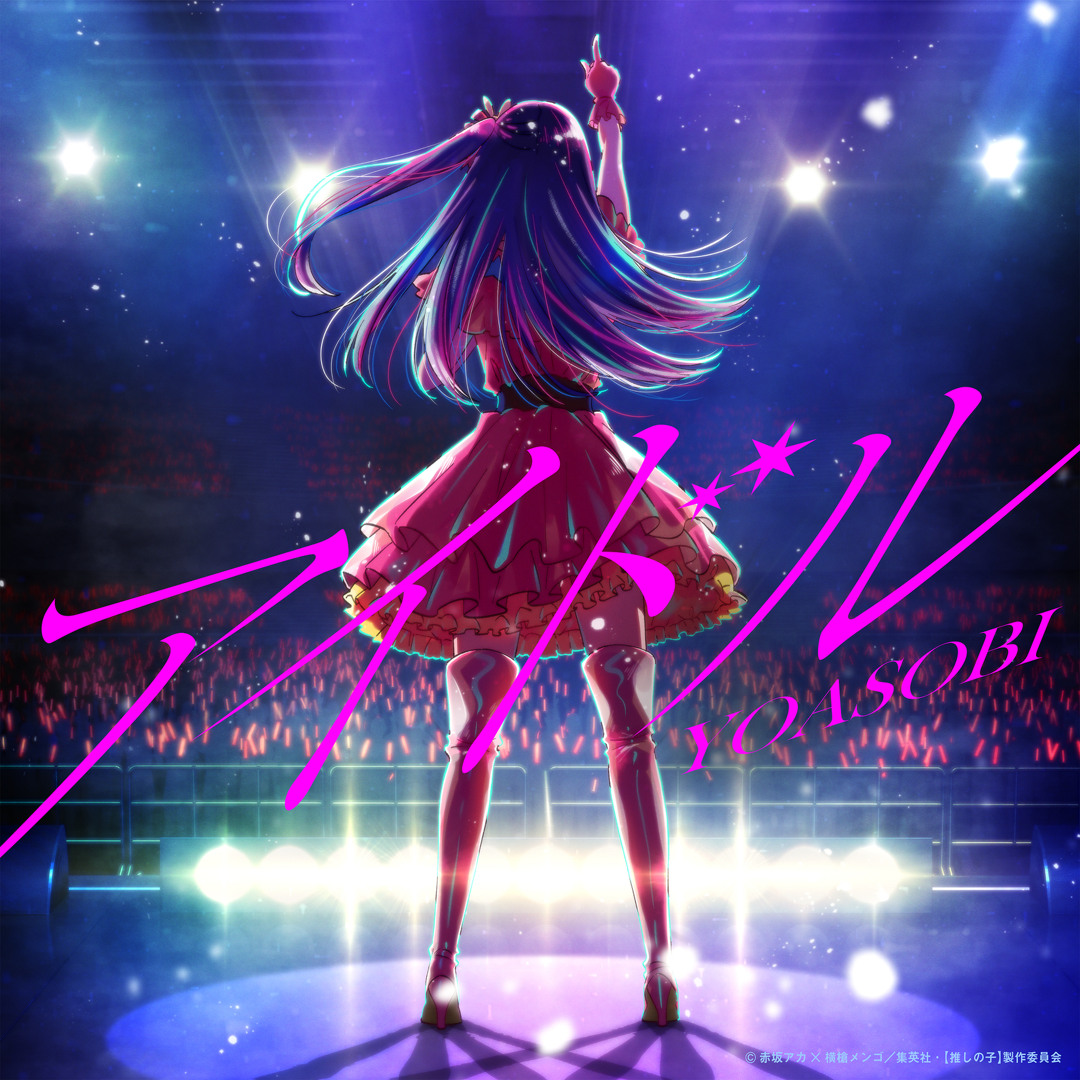
Anime Japanese songs, colloquially known as "Anisong," comprise a diverse musical genre consisting of opening themes, ending themes, and insert songs produced specifically for or tied to animated series. These tracks bridge the gap between J-Pop, J-Rock, and orchestral scores, serving as critical marketing tools and cultural touchstones within the global entertainment industry.
The world of anime Japanese songs is no longer a niche subculture; in 2026, it stands as a cornerstone of the global music market. Whether you are a casual viewer or a dedicated audiophile, understanding the structure, history, and production of these songs enhances the viewing experience. This guide explores the technical aspects of Anisong production, the influential artists shaping the soundscape, and the best methods for accessing this music today.
Understanding the Anisong Ecosystem
The term "Anisong" is a portmanteau of "Anime" and "Song." While it encompasses any music used in an anime production, the industry distinguishes between several specific types of tracks. Each serves a unique functional purpose within the narrative and the commercial lifecycle of a series.
Opening (OP) and Ending (ED) Themes
The most recognizable anime songs are the opening and ending themes. In Japanese broadcasting, these are traditionally strictly timed to 89 or 90 seconds, known as the "TV size" version.
- Opening Themes: These are generally high-energy tracks designed to build excitement and establish the tone of the show. They are often the primary "tie-up" (commercial collaboration) between a record label and an animation studio.
- Ending Themes: These tend to be more melodic, reflective, or experimental. They provide a sense of closure to an episode and are frequently used to showcase different art styles or character-focused visuals.
Insert Songs and Character Songs
Beyond the bookends of an episode, anime utilizes "Insert Songs" (tracks played during pivotal scenes) and "Character Songs" (Image Songs).
- Insert Songs: Often used during battle sequences or emotional climaxes, these tracks are integrated into the story’s pacing.
- Character Songs (Karakuta Songu): These are performed by the voice actors (Seiyuu) in the persona of their characters. While they rarely appear in the actual show, they are released as supplementary singles to deepen fan engagement and expand the franchise's reach.
The Evolution of the Anisong Sound
The history of anime Japanese songs reflects the broader shifts in Japanese music and technology. From the brassy orchestral marches of the 1960s to the genre-defying "TikTok-viral" hits of the 2020s, the sound has undergone a massive transformation.
The Golden Age of Direct Composition (1960s–1980s)
In the early decades, songs were written specifically for the show, often featuring the name of the protagonist or the robot in the lyrics (e.g., Mazinger Z or Astro Boy). Composers like Shunsuke Kikuchi and Michiaki Watanabe defined this era with bold, heroic melodies.
The "Tie-up" Era (1990s–2010s)
The 1990s saw the rise of the "tie-up" system, where record labels used anime as a platform to promote mainstream J-Pop and J-Rock artists. Series like Neon Genesis Evangelion and Fullmetal Alchemist featured tracks that could stand alone as radio hits. This era saw the emergence of "Anisong specialists"—artists like LiSA, Nana Mizuki, and JAM Project—who focused almost exclusively on the anime market.
The Multi-Genre Explosion (2020s–2026)
By 2026, the distinction between "Anisong" and "Mainstream Music" has largely evaporated. Modern hits, such as those by Yoasobi, Kenshi Yonezu, and Official HIGE DANdism, dominate global charts. The current sound is characterized by high BPMs, complex jazz-fusion chord progressions, and sophisticated digital production, often incorporating elements of Vocaloid culture and math rock.
The Production Process: From Studio to Screen
Creating an anime song involves a complex negotiation between three primary entities: the animation production committee, the music publisher, and the artist’s management.
- The Brief: The director of the anime provides a "menu" or creative brief to the composer or label, specifying the mood, tempo, and lyrical themes required to match the show’s narrative.
- The Tie-up Negotiation: Major labels (such as Sony Music Japan, FlyingDog, or Lantis) bid for the opportunity to provide the music. In exchange for the exposure, the label often helps fund the anime's production.
- The "TV Size" Edit: Producers must ensure the song has a compelling "hook" that fits within the 90-second broadcast window while still functioning as a 4-minute full-length single for streaming and radio.
- Mastering for Broadcast: Unlike standard pop songs, Anisong must be mastered to remain clear over the dialogue and sound effects that might overlap with the music during insert sequences.
Top Genres and Styles in Anime Music
Anime music is not a single genre but a collection of styles. The following table compares the most prevalent musical directions found in modern anime as of 2026.
| Genre Category | Key Characteristics | Common Use Case | Notable Examples/Artists |
|---|---|---|---|
| Anisong Rock | High-gain guitars, double-bass drumming, fast tempos. | Shonen (Action) battle themes. | LiSA, SPYAIR, FLOW |
| Electronic/Future Core | Synthesizers, glitch effects, Vocaloid-inspired vocals. | Sci-fi, Cyberpunk, or Isekai series. | Eve, Reol, Myth & Roid |
| Orchestral/Epic | Full string sections, choirs, leitmotifs. | Fantasy world-building and OSTs. | Hiroyuki Sawano, Yuki Kajiura |
| City Pop / Lo-Fi | Groovy basslines, nostalgic 80s aesthetic. | Slice-of-life or Romance anime. | Sayuri, Miki Matsubara (revivals) |
| Idol/Unit Music | Choreographed vocals, high-energy pop, multiple singers. | Idol-themed or "Music" anime. | Love Live!, Idolmaster, BTR! |
The Role of the Seiyuu (Voice Actor) in Music
In Japan, voice acting and singing are inextricably linked. Many Seiyuu undergo rigorous vocal training to perform as "Idols" alongside their acting roles. This has led to the rise of massive live events like Animelo Summer Live, where voice actors perform in-character songs to audiences of tens of thousands.
By 2026, the "2.5D" performance model—where the voice actor performs live while digital avatars of their characters are projected on screen—has become a standard industry practice. This creates a multi-layered revenue stream for production committees, combining ticket sales, music streaming, and character merchandise.
How to Access and Organize Anime Music in 2026
For listeners outside of Japan, accessing anime Japanese songs has never been easier, though licensing nuances remain.
Streaming Platforms
- Spotify and Apple Music: These remain the dominant platforms for Anisong. Most major Japanese labels now release tracks globally at the same time they debut in Japan.
- YouTube Music: Excellent for finding "official audio" and music videos (MVs) which often feature exclusive animation.
- High-Resolution Audio: Sites like Mora.jp or Ototoy cater to audiophiles who want FLAC or MQA versions of soundtracks, though these sometimes require a Japanese IP address or specific payment methods.
Navigating Search Terms
When searching for anime music, using the correct terminology can yield better results:
- OST (Original Soundtrack): For the background music (BGM).
- OP/ED: For opening and ending themes.
- Character Song: For tracks sung by the voice cast.
- Instrumental/Off-Vocal: For karaoke versions of the tracks.
Technical Specifications: TV Size vs. Full Version
One common point of confusion for new fans is the difference between the version heard in the show and the version found on streaming services.
- TV Size: Always ~90 seconds. It is structured to hit a peak (the chorus) exactly at the 60-70 second mark to coincide with the most intense animation sequences.
- Full Version: Usually 3.5 to 5 minutes long. It often includes an instrumental bridge and a third verse that are never heard in the anime broadcast.
- The "Anime Edit": Some releases include a specific "Anime Edit" which is different from the TV size; it might be a slightly longer 2-minute version used for special episodes or finales.
Common Pitfalls and Troubleshooting for Collectors
If you are trying to find a specific song and are having trouble, consider these common industry quirks:
- Regional Lockouts: Some tracks are licensed only for Japan. If a song is greyed out on your streaming service, it is likely due to a licensing dispute between the Japanese label and the local distributor.
- Romanization vs. Kanji: Searching for "Gurenge" might work, but searching for the original Kanji (紅蓮華) will often reveal the official artist page and full discography that might be hidden by English-only search algorithms.
- Cover Versions: Be careful of "Anisong Cover" bands. Many generic artists record sound-alike versions of popular themes. Always check that the artist name matches the official credit in the anime's ending crawl.
Frequently Asked Questions
Why do some anime change their opening songs mid-season?
Most anime run in "cours" (11-13 episode blocks). A two-cour show (24+ episodes) will typically change its OP and ED at the halfway point to refresh the marketing and allow a different record label or artist to promote their music. This also aligns with the release of new physical CD singles or digital EP cycles.
What is the difference between a "Theme Song" and an "Insert Song"?
A theme song is a permanent fixture of the show's intro or outro, while an insert song is played during the actual story, often once or twice. Insert songs are frequently more experimental or tied to a specific character's emotional journey.
Is it legal to use anime songs in my own videos or streams?
In 2026, Japanese music copyright (managed largely by JASRAC) remains very strict. Using these songs in YouTube videos or Twitch streams will likely result in a Content ID claim or a muted segment. Always check for "Copyright Free" or "Stream-safe" versions, though these are rare for major anime hits.
Who are the most influential Anisong composers?
While singers get the most fame, composers like Hiroyuki Sawano (Attack on Titan), Yuki Kajiura (Demon Slayer), and Toshihiko Sahashi are legendary for creating the atmospheric scores that define the "sound" of modern anime.
Why are anime songs often so much faster than Western pop?
Anisong often features a BPM (beats per minute) ranging from 160 to 200. This high energy is designed to match the fast-paced visual editing of modern animation. Additionally, the influence of "Math Rock" and "Jazz Fusion" in Japan leads to more complex, rapid-fire compositions than standard four-chord Western pop.
Next Steps for New Listeners
To start building your collection of anime Japanese songs, begin by following "Anisong" curated playlists on major streaming platforms. Pay close attention to the credits of your favorite shows; if you find a composer or artist you enjoy, look for their "Works" or "Discography" rather than just searching for the anime title. For those interested in the cultural side, attending local conventions or watching recorded "Animelo" concerts provides a deeper look at the energy and community surrounding this unique musical genre.