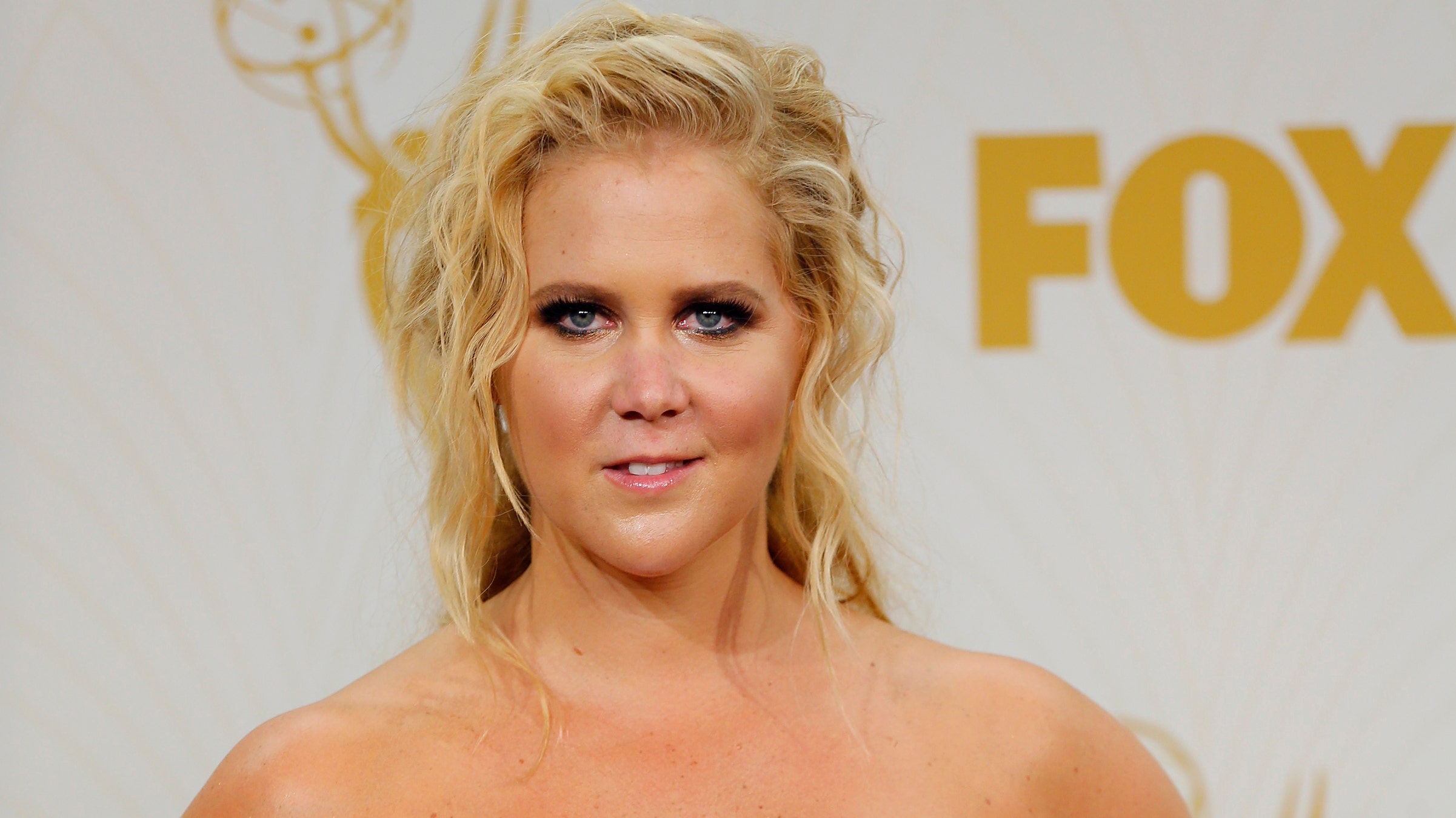
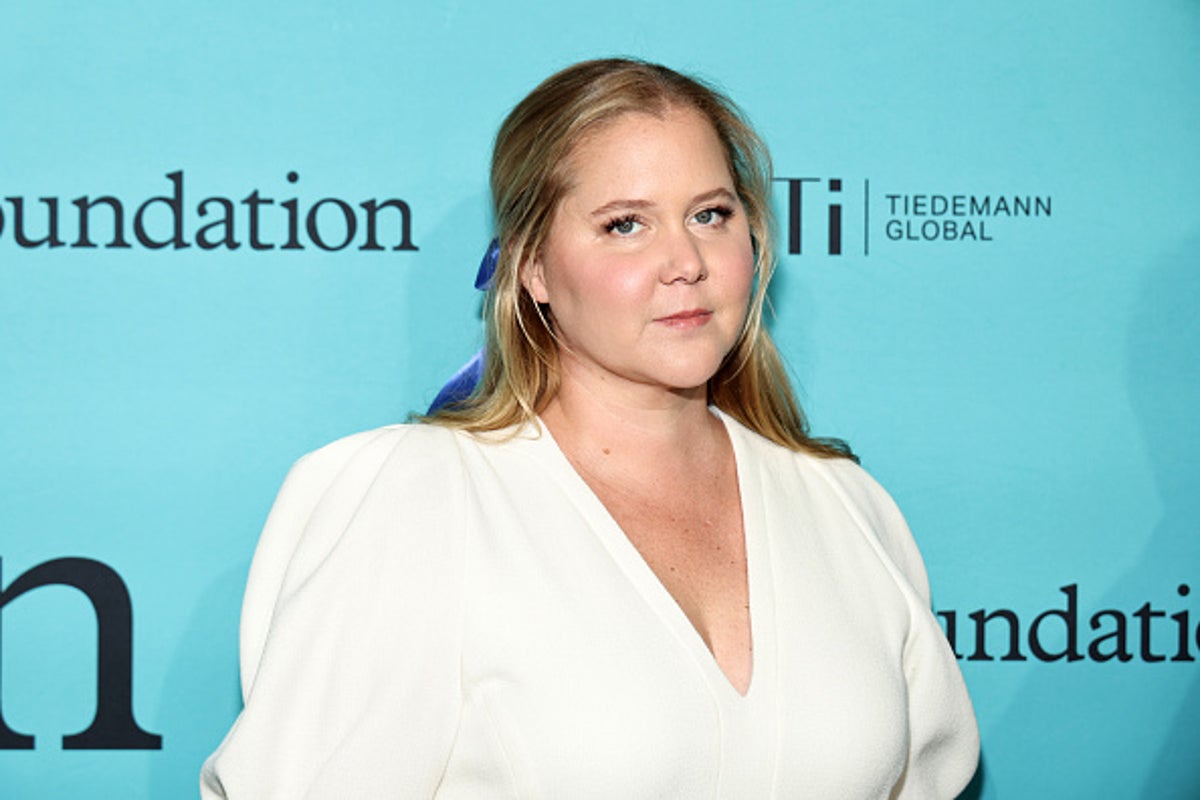
The relationship between comedian Amy Schumer and former President Donald Trump is characterized by a long-standing, publicized history of political opposition. Since the 2016 presidential campaign, Schumer has consistently used her platform to voice criticisms of Trump’s policies, rhetoric, and public conduct, while Trump has publicly retorted to her commentary, marking a notable interaction between American political power and popular comedy.
The Emergence of Political Commentary in Comedy
In the years leading up to the 2016 United States presidential election, the intersection of political satire and mainstream stand-up comedy became increasingly polarized. Amy Schumer, who rose to prominence through her sketch show Inside Amy Schumer and her observational stand-up style, transitioned from purely personal and social commentary to addressing broader political issues.
For many performers in the entertainment industry, the rise of Donald Trump’s political influence provided a new focal point for critiques regarding feminism, immigration, and institutional norms. Schumer’s approach was consistent with a broader trend in the comedy landscape, where performers felt compelled to use their influence to sway public opinion or critique the status quo. This phenomenon established a clear divide between the comedian and the then-candidate, setting the stage for years of public friction.
Key Moments of Public Disagreement
The public discourse between Schumer and Trump has typically occurred through three primary channels: live stand-up performances, social media platforms, and mainstream media interviews.
- The 2016 Campaign Trail: During the 2016 election cycle, Schumer frequently addressed the political climate during her live shows. In October 2016, during a performance in Tampa, Florida, Schumer labeled Trump a "sexual predator" and invited a Trump supporter on stage to explain their reasoning for supporting him. The incident resulted in significant media attention and a walkout by some audience members, underscoring the intensity of the political divide at the time.
- Post-Election Rhetoric: Following Trump’s victory, Schumer participated in the 2017 Women’s March in Washington, D.C. She continued to feature anti-Trump sentiment in her comedy specials, most notably in Amy Schumer: Growing (2019). In these segments, she utilized personal narratives to pivot toward critiques of the Trump administration’s policies on reproductive rights and judicial appointments.
- The Presidential Response: Donald Trump has occasionally responded to celebrity critics through his social media accounts and rally speeches. His responses generally focus on the perceived decline in quality of their work, dismissing their critiques as the out-of-touch opinions of elites. This pattern of mutual critique effectively solidified the "celebrity vs. politician" narrative that dominated much of the cultural discourse between 2016 and 2021.
The Role of Celebrity in Political Discourse
The friction between these two figures is not merely a personal feud; it represents a broader structural change in how political legitimacy is contested in the United States. In the modern media landscape, the boundary between political campaigning and celebrity influence has blurred.
When a comedian of Schumer’s stature publicly opposes a political figure, the audience’s reaction often mirrors the existing societal split. For those who support the comedian’s perspective, the criticism serves as a validation of their own political frustrations. For those who support the politician, the criticism is often interpreted as an attempt by the entertainment industry to influence democratic processes unfairly. This cycle of response and counter-response has been a fixture of the last decade, turning personal professional milestones—such as comedy specials or political rallies—into staging grounds for ideological battles.
Comparison of Communication Styles
Understanding the conflict requires an analysis of how both figures leverage their respective platforms. Schumer uses the "confessional" style of comedy, where her lived experiences provide the emotional core for her political arguments. Trump, conversely, utilizes populist rhetoric designed to bypass traditional media, speaking directly to his base through rallies and direct communication.
| Feature | Amy Schumer's Approach | Donald Trump's Approach |
|---|---|---|
| Primary Medium | Stand-up, Sketch Comedy, Social Media | Rallies, Press Conferences, Social Media |
| Primary Strategy | Satire, Personal Anecdotes, Empathy | Populist Rhetoric, Direct Challenge |
| Target Audience | Younger/Progressive Demographics | Conservative/Populist Base |
| Goal | Cultural Awareness/Political Change | Political Support/Institutional Control |
Impact on Audience Reception and Professional Branding
For Schumer, the focus on political commentary has had a polarized impact on her professional career. While it strengthened her connection with a specific demographic that aligns with her progressive views, it also invited boycotts and negative audience reception from those who prefer entertainers to abstain from overt political alignment.
In the case of Donald Trump, public feuds with celebrities have historically been used to energize his base. By framing figures like Schumer as "out-of-touch" or representative of a "liberal elite," Trump effectively creates an "us-versus-them" dichotomy that reinforces his supporters' loyalty. This has been a successful tactical maneuver in his brand management, turning potential negative press into a rallying point for his movement.
Navigating Political Content in Contemporary Entertainment
For audiences observing these exchanges, the primary lesson lies in understanding the context of the political era. As of 2026, the inclusion of political commentary in stand-up comedy is viewed by many as a standard, albeit polarizing, feature of the industry.
Consumers of entertainment should consider the following when evaluating the role of celebrity political discourse:
- The "Echo Chamber" Effect: Recognize that comedians often cater to the political leanings of their target audience.
- The Source of Criticism: Distinguish between a performer’s genuine personal advocacy and content designed to enhance a personal brand.
- Media Framing: Note that media outlets often highlight these feuds because they generate high engagement, rather than because they necessarily impact the underlying policy issues.
Frequently Asked Questions
Did Amy Schumer ever support Donald Trump? No. Throughout his political career, Schumer has been a vocal critic of Donald Trump, consistently aligning herself with progressive causes that oppose his policy platforms. There is no historical record of political support or alignment between the two.
Why does Amy Schumer focus on Trump in her comedy? Schumer’s comedy style relies on personal, relatable, and sometimes uncomfortable observations about the world. She has stated in various interviews that she views political engagement as a responsibility for public figures, particularly regarding issues like reproductive rights, which she views as being directly affected by Trump's political appointments.
How does Donald Trump respond to celebrity critics like Schumer? Donald Trump’s response to celebrity criticism typically follows a consistent pattern: he characterizes the celebrity as "failing" or "unfunny," claims they are disconnected from the American people, and frames their criticism as an attack on his supporters.
Has the friction between Schumer and Trump affected their professional success? Both figures operate within highly specific, loyal demographic bases. While the public tension has led to localized boycotts or negative social media feedback for Schumer, and to intense media scrutiny for Trump, both have maintained significant professional visibility and influence in their respective fields through 2026.
Where can one find verified statements from either party regarding this topic? Verified statements are best found through primary sources: original video recordings of Schumer’s comedy specials, official transcripts of Trump’s campaign rallies, and archived posts from verified social media accounts. Avoid secondary reporting that sensationalizes these exchanges without providing context or original quotes.
Conclusion and Next Steps
The public dynamic between Amy Schumer and Donald Trump serves as a case study in the intersection of modern comedy and political polarization. Understanding this relationship requires looking past the headlines to the motivations behind the commentary. For those interested in the history of this interaction, reviewing the primary recordings of both the comedian’s specials and the politician’s rallies from the 2016–2024 era provides the most accurate context. To stay informed on how such cultural intersections evolve, rely on reputable, non-partisan archives that track political and social discourse over time rather than reacting to daily, fragmented media coverage.