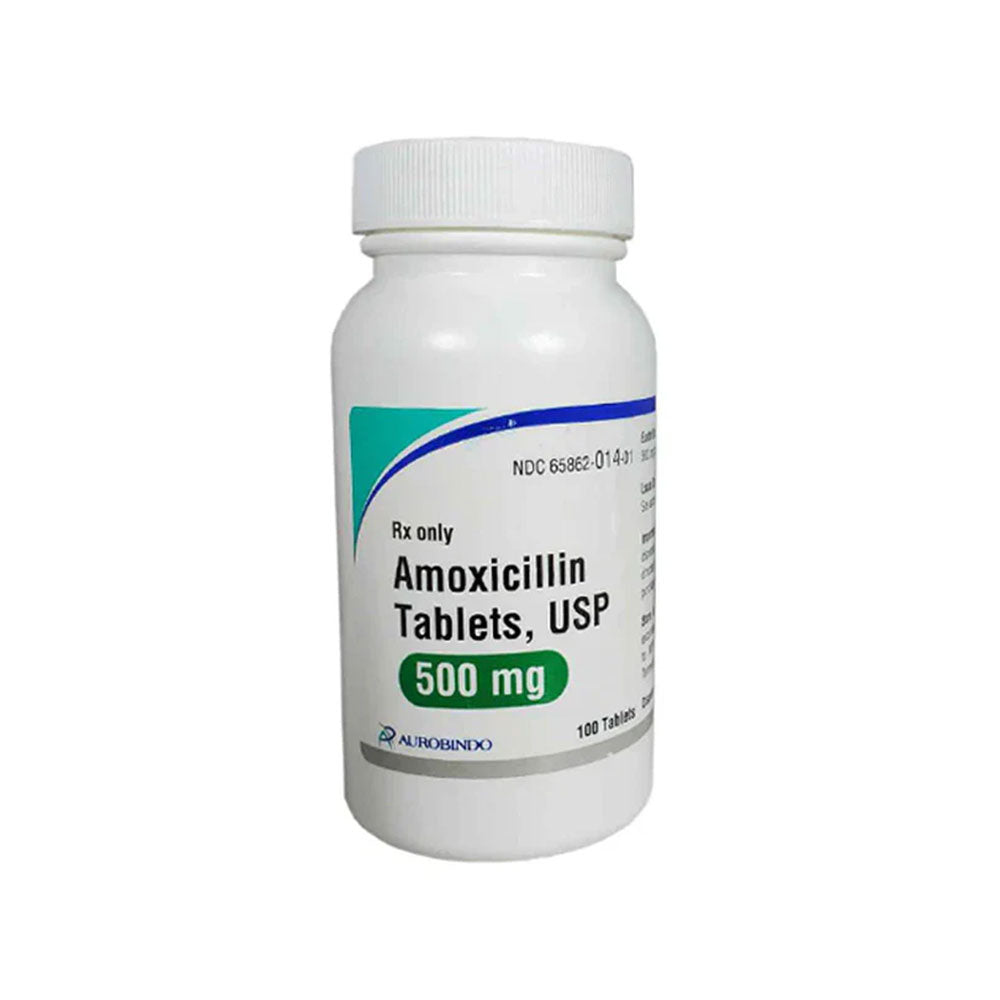
Amoxicillin 500mg is a widely prescribed aminopenicillin antibiotic used to treat a variety of bacterial infections, including acute otitis media, streptococcal pharyngitis, pneumonia, and certain urinary tract or skin infections. It works by inhibiting bacterial cell wall synthesis, effectively halting the growth of susceptible microorganisms. Because it is a prescription medication, safe and effective use requires strict adherence to clinical guidelines, proper dosing schedules, and completion of the full prescribed course.
What is Amoxicillin 500mg and How Does It Work?
Amoxicillin belongs to the penicillin class of broad-spectrum antibiotics. As an aminopenicillin, it possesses a chemical structure that allows it to penetrate both Gram-positive and certain Gram-negative bacterial cell walls more effectively than older natural penicillins.
The primary mechanism of action centers on bacterial cell wall synthesis. Bacteria must constantly build and remodel their peptidoglycan cell walls to maintain structural integrity against osmotic pressure. Amoxicillin binds to specific penicillin-binding proteins (PBPs) located inside the bacterial cell wall. This binding inhibits the cross-linking of peptidoglycan chains, weakening the cell wall, causing lysis, and ultimately destroying the bacteria.
It is important to understand that amoxicillin is exclusively effective against bacterial infections. It has no therapeutic value against viral illnesses such as the common cold, influenza, acute bronchitis, or most sore throats caused by viruses. Misusing antibiotics for viral conditions contributes to the growing global public health challenge of antimicrobial resistance. According to the Centers for Disease Control and Prevention (CDC), appropriate antibiotic stewardship ensures these powerful medications remain effective for future generations.
Common Infections Treated with Amoxicillin 500mg
Clinicians prescribe amoxicillin 500mg capsules, tablets, or liquid suspensions for a diverse range of bacterial conditions. The 500mg dosage strength is a standard adult concentration typically administered every 8 hours or 12 hours depending on the specific infection type and severity.
Upper and Lower Respiratory Tract Infections
Respiratory infections frequently prompt the use of amoxicillin. Strep throat (streptococcal pharyngitis), caused by Streptococcus pyogenes, is a classic indication where amoxicillin helps clear the bacteria and prevent rheumatic fever complications. Sinusitis and acute bacterial exacerbations of chronic bronchitis are also managed with this medication when a bacterial etiology is confirmed or strongly suspected. Pneumonia acquired in community settings caused by susceptible pathogens like Streptococcus pneumoniae may also respond well to amoxicillin therapy.
Ear, Nose, and Throat Infections
Acute otitis media—middle ear infections common in children but also affecting adults—frequently resolves with aminopenicillin treatment. Similarly, bacterial infections of the nasal passages and tonsils are targeted when clinical presentations suggest bacterial rather than viral pathogens.
Skin, Soft Tissue, and Dental Infections
While severe skin infections often require broader coverage or agents active against beta-lactamase-producing organisms like Staphylococcus aureus, mild skin and soft tissue infections caused by susceptible streptococci may be treated with amoxicillin. Additionally, dental abscesses and odontogenic infections are routinely managed with amoxicillin as a first-line agent, often paired with beta-lactamase inhibitors or alternative drugs if anaerobes are heavily involved.
Dosage, Administration, and Course Completion
Proper administration is vital for achieving therapeutic blood concentrations of the drug without encouraging resistance.
Standard Dosing Parameters
For most mild-to-moderate common infections in adults and pediatric patients weighing over 40 kg, the standard adult dose of amoxicillin is 500mg every 8 hours, or 875mg every 12 hours. The exact frequency and duration are determined by the prescribing healthcare provider based on the site of infection, pathogen sensitivity, and individual patient renal function.
Food and Timing Considerations
Amoxicillin can be taken with or without food. Taking it with meals or a snack can reduce gastrointestinal upset, nausea, or diarrhea, which are common side effects of broad-spectrum antibiotics. Liquid suspensions should be measured carefully using an oral dosing syringe or calibrated measuring spoon rather than standard household kitchen spoons to ensure accurate dosing.
The Critical Importance of Completing the Course
One of the most frequent errors in antibiotic therapy is discontinuing the medication prematurely once symptoms improve. When a patient feels better after two or three days, the most vulnerable bacteria have been eliminated, but hardier strains may still survive. Stopping early allows these surviving bacteria to multiply, leading to a resurgence of the infection and the potential development of antibiotic-resistant strains. Patients must take every dose for the full duration prescribed by their physician, even if they feel entirely healthy.
Comparison of Common Antibiotics for Respiratory and Soft Tissue Infections
To understand where amoxicillin fits within outpatient antimicrobial therapy, the following table compares it with other frequently prescribed first-line oral antibiotics.
| Antibiotic Name | Primary Class | Typical Adult Dosage | Common Indications | Primary Limitations |
|---|---|---|---|---|
| Amoxicillin | Aminopenicillin | 500mg every 8 hours | Strep throat, otitis media, sinusitis, pneumonia | Ineffective against beta-lactamase-producing bacteria; penicillin allergy contraindication |
| Azithromycin | Macrolide | 500mg day 1, then 250mg days 2–5 | Respiratory infections, chlamydia, atypical pneumonia | Increasing resistance rates in Streptococcus pneumoniae; cardiac rhythm considerations |
| Cephalexin | First-Generation Cephalosporin | 500mg every 6 hours | Skin infections, urinary tract infections, strep throat | Limited coverage against enterococci and many Gram-negative bacilli |
| Doxycycline | Tetracycline | 100mg every 12 hours | Acne, respiratory infections, tick-borne illnesses | Photosensitivity; contraindicated in young children and pregnancy |
Potential Side Effects and Adverse Reactions
Like all medications, amoxicillin 500mg carries a risk of side effects. Most are mild and self-limiting, but some require immediate medical evaluation.
Common, Mild Side Effects
- Gastrointestinal Distress: Nausea, vomiting, mild diarrhea, and abdominal discomfort are frequently reported. Maintaining good hydration helps mitigate these effects.
- Oral Candidiasis: Fungal overgrowth in the mouth (thrush) can occur due to the suppression of normal bacterial flora.
- Skin Rash: A mild, non-allergic maculopapular rash can sometimes appear, though true hypersensitivity must be ruled out by a medical professional.
Serious Adverse Reactions and Precautions
- Severe Allergic Reactions: Anaphylaxis is a rare but life-threatening medical emergency. Patients with a known history of allergy to penicillin, cephalosporins, or other beta-lactam antibiotics must not take amoxicillin. Symptoms of anaphylaxis include hives, swelling of the face, lips, or tongue, and difficulty breathing.
- Antibiotic-Associated Colitis: Severe, persistent watery or bloody diarrhea accompanied by abdominal cramping and fever may indicate Clostridioides difficile-associated diarrhea (CDAD), which requires immediate discontinuation of the antibiotic and medical assessment.
- Renal and Hepatic Monitoring: Because amoxicillin is excreted primarily by the kidneys, patients with pre-existing renal impairment require dosage adjustments to prevent drug accumulation and toxicity. According to the U.S. Food and Drug Administration (FDA), comprehensive prescribing information should be reviewed for patients with compromised kidney function.
Frequently Asked Questions
Can I drink alcohol while taking amoxicillin 500mg?
Moderate alcohol consumption does not directly interfere with the chemical efficacy of amoxicillin. However, alcohol can exacerbate common side effects such as dizziness, nausea, and gastrointestinal upset, and it places additional stress on the body while it is trying to recover from an infection. It is generally advisable to avoid or strictly limit alcohol until the infection is resolved and the medication course is finished.
What should I do if I miss a dose of amoxicillin?
If you miss a scheduled dose, take it as soon as you remember. However, if it is almost time for your next scheduled dose, skip the missed dose and resume your regular dosing schedule. Never double up on doses to make up for a missed one, as this can increase the risk of side effects.
Is amoxicillin 500mg safe during pregnancy and breastfeeding?
Amoxicillin is generally classified as Pregnancy Category B, meaning animal reproduction studies have failed to demonstrate a risk to the fetus, and there are no adequate and well-controlled studies in pregnant women. It is frequently prescribed during pregnancy when medically necessary. Small amounts pass into breast milk, which can occasionally cause infant diarrhea or thrush, but it is typically considered compatible with breastfeeding under medical supervision.
Why did my doctor prescribe amoxicillin-clavulanate instead of plain amoxicillin?
Amoxicillin-clavulanate combines amoxicillin with potassium clavulanate, a beta-lactamase inhibitor. Some bacteria produce an enzyme called beta-lactamase that destroys plain amoxicillin before it can work. The clavulanate protects the amoxicillin from being broken down, expanding its spectrum of activity against resistant strains.
Can amoxicillin reduce the effectiveness of birth control pills?
Historically, broad-spectrum antibiotics were thought to reduce the efficacy of oral contraceptives. Current clinical evidence suggests that most antibiotics, including amoxicillin, do not significantly lower oral contraceptive hormone levels unless accompanied by severe vomiting or diarrhea that impairs drug absorption. Nevertheless, consulting a pharmacist or physician regarding contraceptive precautions during antibiotic therapy is always prudent.
Conclusion and Next Actions
Amoxicillin 500mg remains a foundational, highly effective oral antibiotic for managing a wide range of common bacterial infections when prescribed and used correctly. Achieving a successful recovery depends on obtaining an accurate diagnosis from a qualified healthcare provider, filling the exact prescription, and completing the entire course of medication without interruption. If symptoms do not improve within 48 to 72 hours of starting treatment, or if severe side effects develop, contact your prescribing physician or a licensed pharmacist immediately for guidance.