When comparing the elevation of Albuquerque, New Mexico, and Denver, Colorado, Denver generally holds the title for higher altitude. While both cities are famous for their thin air and mountain proximity, Denver is colloquially known as the "Mile High City," indicating an elevation of approximately 5,280 feet. Albuquerque, situated in the high desert of the Rio Grande Valley, rests at a variable altitude, typically cited between 4,900 and 5,300 feet depending on the specific neighborhood, yet its metropolitan average remains lower than that of Denver.
Understanding the topographical differences between these two major Western hubs is essential for travelers, residents, and athletes preparing for the physiological challenges of high-altitude environments. While the numerical difference might seem negligible to a casual observer, the geography of each city influences everything from local climate patterns to athletic performance and respiratory health.
Defining Elevation: How Denver Earns Its Title
Denver’s identity is inextricably linked to its elevation. The designation of the "Mile High City" is not merely a marketing slogan; it is rooted in the specific elevation of the state capitol building. According to official surveys, the 15th step on the west side of the Colorado State Capitol building sits exactly 5,280 feet above sea level.
However, Denver is a geographically diverse city. Because the city slopes upward toward the Rocky Mountains in the west, residents living in the foothills or near the western city limits may find themselves significantly higher than those in the downtown core or near the South Platte River. On average, the official elevation of Denver is recognized as 5,280 feet, but the city spans an elevation range from roughly 5,130 feet to nearly 5,700 feet. This consistent presence at or above the one-mile mark is what defines the city’s environmental character.
Albuquerque: The High Desert Complexity
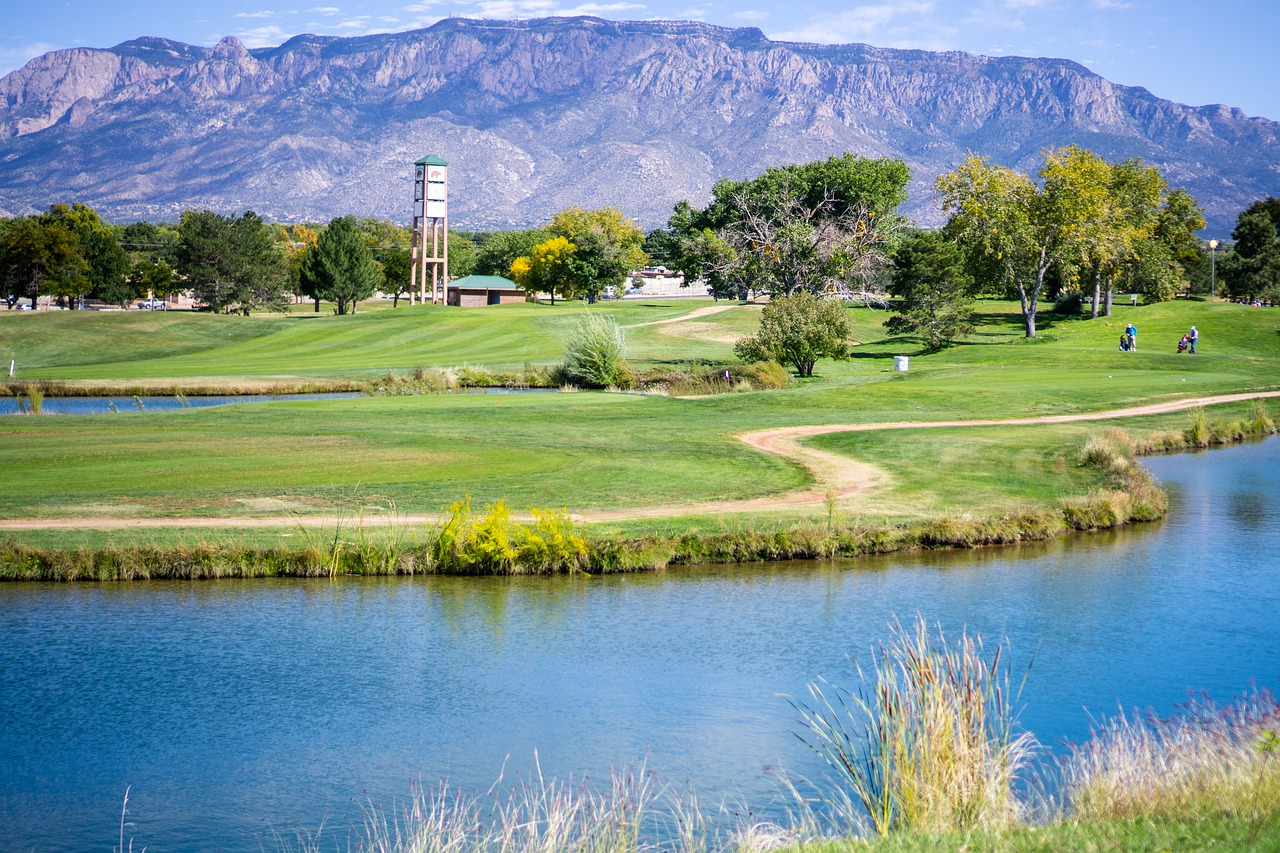
Albuquerque presents a more complex topographical profile than Denver. Located in the rain shadow of the Sandia Mountains, the city experiences a dramatic climb in elevation as one moves from the Rio Grande riverbed toward the mountain peaks. The lowest point in the city, situated along the river, is approximately 4,900 feet. As the city expands eastward toward the foothills of the Sandia Mountains, the terrain rises sharply, with residential neighborhoods climbing well above 6,000 feet.
Because "Albuquerque" is often measured by its central or downtown elevation, it is frequently cited in the range of 5,000 to 5,100 feet. While the city's highest points in the Northeast Heights and the foothills far exceed Denver’s official mile-high marker, the functional elevation of the city as a whole is lower. This lower average elevation contributes to a slightly different climate experience, characterized by lower humidity and a more pronounced high-desert heat compared to the alpine-influenced environment of Colorado.
Comparative Elevation Table
To understand how these cities stack up against each other, it is helpful to look at the ranges rather than single points. The following table provides a breakdown of the typical elevation ranges encountered by residents and visitors in each city.
| Feature | Albuquerque, NM | Denver, CO |
|---|---|---|
| Official Average | ~5,000 feet | 5,280 feet |
| Lowest Point | ~4,900 feet | ~5,130 feet |
| Highest Residential | ~6,500+ feet | ~5,700+ feet |
| Topographic Driver | Rio Grande / Sandia Foothills | South Platte River / Rockies |
Physiological Impacts of Altitude
The difference between 5,000 and 5,300 feet is subtle, but at these heights, the partial pressure of oxygen is significantly lower than at sea level. Visitors traveling from lower elevations to either city may experience mild symptoms of altitude sickness, including headaches, fatigue, and difficulty sleeping.
Because both cities are located at relatively high elevations, the air is thinner, which increases the rate of dehydration. The atmosphere in Denver and Albuquerque is remarkably dry, which accelerates water loss through respiration and sweat—often without the individual feeling "sweaty." Experts recommend that visitors to both cities increase their water intake significantly for the first 48 hours to mitigate the effects of the drier, thinner air. Furthermore, because of the higher elevation, the atmosphere provides less protection against ultraviolet radiation. Sunburn occurs much faster in both Albuquerque and Denver than in coastal cities, necessitating the consistent use of high-SPF sunscreen and protective clothing.
Impact on Athletics and Performance
For professional and recreational athletes, the altitude difference between Albuquerque and Denver is a subject of great interest. Denver has long been considered a premier location for endurance training. The physiological benefits of training at altitude include an increase in red blood cell production, which enhances oxygen-carrying capacity.
Albuquerque has similarly become a training hub for elite runners, cyclists, and triathletes. While Denver’s higher average elevation offers a slightly more rigorous environment for oxygen-deprivation training, Albuquerque’s moderate "high-desert" climate allows for more consistent year-round outdoor activity. The lack of harsh, snow-filled winters compared to Denver makes Albuquerque a more viable training destination during the winter months for athletes who prefer to avoid deep freeze conditions.
Weather and Climate: The Role of Elevation
While altitude is the primary variable in this comparison, it is not the only factor dictating climate. Denver’s proximity to the Rocky Mountain range brings a more volatile weather pattern. The city experiences rapid temperature shifts and significant snowfall, as the elevation allows for colder air to settle and persist.
Albuquerque, conversely, is defined by its arid, high-desert climate. While the nights in Albuquerque can be quite cool due to the altitude, the daytime temperatures are typically warmer and more stable throughout the year. The lack of moisture in the air at 5,000 feet in Albuquerque means that the heat generated by the sun is intense, yet it dissipates quickly after sunset. Both cities share the characteristic of "mountain weather," where the lack of atmospheric density can lead to sudden temperature drops after dark, regardless of how warm the day may have been.
Infrastructure and Urban Planning Challenges
The high altitude of both cities imposes unique demands on infrastructure. Engines, for instance, operate less efficiently at higher altitudes because of the lower oxygen density, requiring precise fuel-to-air ratio adjustments in older vehicles. Modern fuel-injected vehicles generally manage this compensation automatically, but vehicle performance—specifically towing or climbing steep inclines—remains a factor for residents.
Building design in both cities also reflects the elevation. High-altitude construction requires careful consideration of the solar index. Both Denver and Albuquerque utilize specific architectural styles designed to manage thermal gain during the day and insulation at night. Furthermore, municipal water management is a critical priority in both cities; at higher altitudes, water evaporation rates are significantly higher, making water conservation and landscaping choices (such as xeriscaping) more prevalent than in lower, humid regions.
Frequently Asked Questions
Is it harder to breathe in Denver or Albuquerque? Because Denver’s average elevation is slightly higher, the air is technically thinner, which can make it feel slightly harder to breathe for those visiting from sea level. However, the difference between 5,000 and 5,280 feet is minor enough that the average person will experience similar levels of acclimatization in either city.
Does high altitude affect how alcohol impacts you? Yes. In both Denver and Albuquerque, the effects of alcohol are often felt more quickly and intensely. Due to the lower oxygen levels, your body processes substances differently, and dehydration—which is already accelerated at these altitudes—compounds the symptoms of alcohol consumption. It is common advice in both cities to consume one extra glass of water for every alcoholic beverage.
Which city has more extreme weather? Denver generally experiences more extreme weather, particularly in terms of winter precipitation and temperature fluctuations. While Albuquerque has a more temperate, arid climate, it is still subject to the meteorological effects of being in a high-elevation desert, including intense sun exposure and sudden nocturnal cooling.
Are there altitude-related health concerns for long-term residents? Most residents adapt to these altitudes within a few days or weeks. However, individuals with pre-existing respiratory or cardiovascular conditions should consult their healthcare provider before moving to or spending extended time in these regions, as the lower oxygen levels place a greater workload on the heart and lungs.
Does the elevation change in the city affect home prices? While elevation itself is rarely the primary driver of real estate value, neighborhoods in both cities that are located at higher elevations—such as the foothills—often command a premium due to views, better air quality, and proximity to mountain recreation.
Recommendation for Visitors
If you are planning a trip to either Denver or Albuquerque, the most practical step you can take is to plan for a "buffer period." Do not schedule high-intensity physical activities, such as long-distance hiking or mountain climbing, for your first 48 to 72 hours. Prioritize hydration and monitor your sun exposure, regardless of the temperature. By respecting the altitude and the environmental reality of these high-elevation cities, you can ensure your stay is both comfortable and productive, whether you are in the mile-high streets of Denver or the high-desert landscapes of Albuquerque.