Allianz Life Insurance annuities are long-term financial contracts designed to provide tax-deferred growth and structured income streams for retirement. These products generally fall into fixed, fixed index, or variable categories, allowing individuals to accumulate capital while mitigating market risk or participating in market-linked gains, ultimately converting these assets into guaranteed payments during their later years.
Understanding the Fundamentals of Allianz Annuities
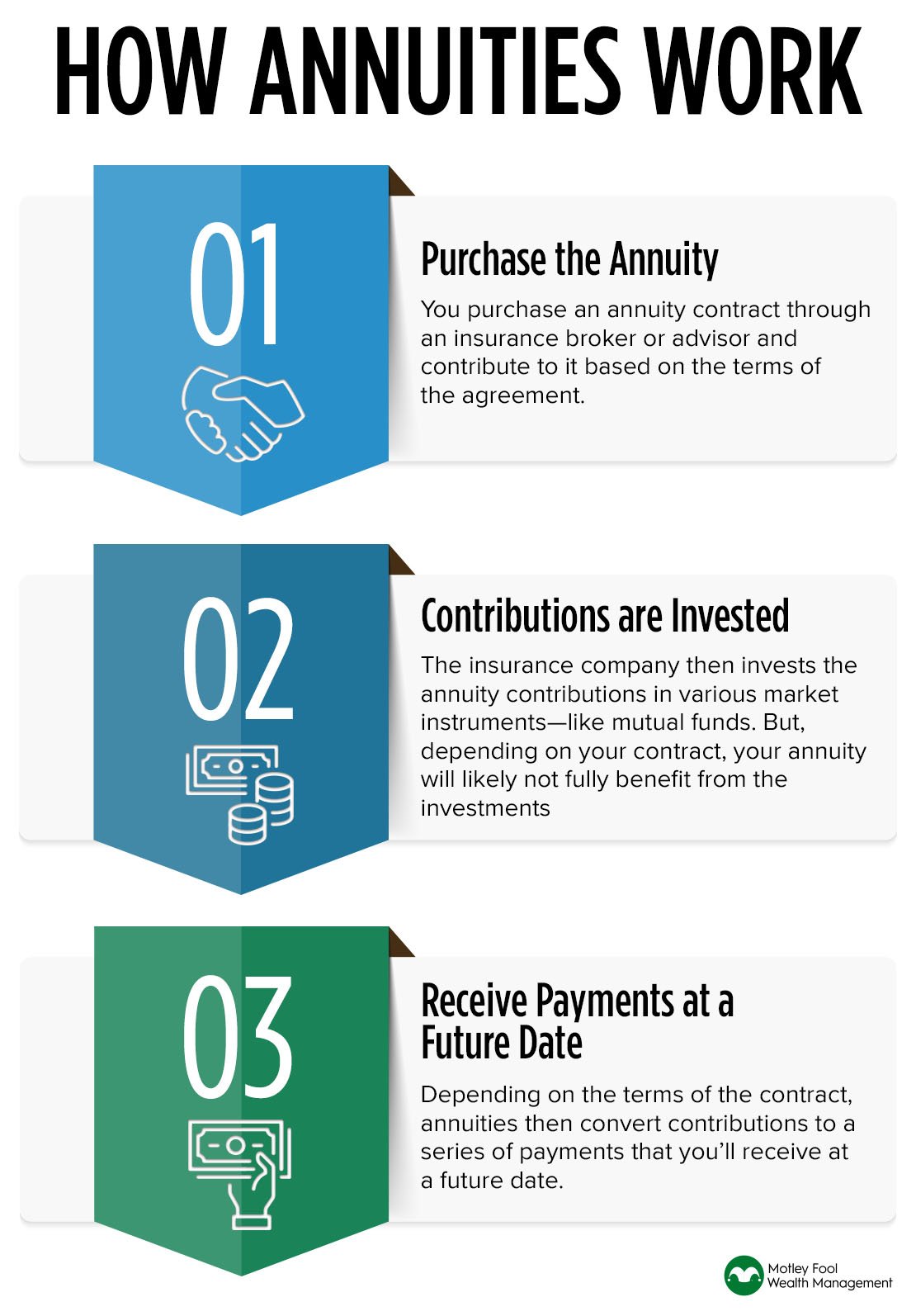
An annuity is a contractual agreement between a policyholder and an insurance company. In the case of Allianz, you pay a premium—either as a single lump sum or through periodic payments—in exchange for the company’s promise to provide specific financial benefits later. These benefits often include death benefits for beneficiaries or, more commonly, a stream of income that can last for a set period or for the remainder of your life.
Allianz positions its annuity portfolio as a solution for three primary phases of financial planning: accumulation, protection, and distribution. Because they are insurance products, they operate differently than mutual funds or brokerage accounts. They are regulated at the state level, and the guarantees provided—such as minimum interest crediting rates or lifetime income—are backed by the financial strength and claims-paying ability of Allianz Life Insurance Company of North America.
Types of Annuities Offered by Allianz
Navigating the Allianz product catalog requires understanding the risk-reward profiles of their three primary annuity structures. Each is engineered for different stages of the retirement journey.
Fixed Annuities
Fixed annuities are the most conservative offering. They provide a guaranteed interest rate for a specific period. These are often used by those who want to avoid market volatility entirely and prefer predictable growth. The risk here is primarily related to inflation; if the fixed interest rate does not outpace the rising cost of living, your purchasing power may decline over time.
Fixed Index Annuities (FIAs)
FIAs are a hybrid product. They offer a unique approach: you do not invest directly in the stock market, but your annuity’s interest crediting is linked to the performance of an external market index (such as the S&P 500). If the index performs well, you earn interest. If the index declines, your principal is protected from those specific market losses (though fees and caps may apply). This structure is designed for individuals who want growth potential but possess a low tolerance for the drawdowns associated with direct equity investments.
Variable Annuities
Variable annuities represent the most aggressive product category. Your premiums are placed into sub-accounts that act much like mutual funds. The performance of your account balance depends entirely on the market performance of these sub-accounts. While these offer the highest potential for growth, they also carry the risk of principal loss. Many Allianz variable annuities come with optional riders that, for an additional fee, can guarantee income regardless of market performance.
Key Features and Mechanisms
To effectively evaluate an Allianz annuity, one must understand the internal mechanics that dictate your account value and eventual payouts.
Tax Deferral
One of the primary benefits of an annuity is that you do not pay taxes on the interest or market gains as they accrue. You only pay taxes when you take money out of the annuity. This allows your earnings to compound on a pre-tax basis, potentially accelerating the growth of your retirement nest egg.
Income Riders
Many Allianz products offer "income riders." An income rider is an optional benefit, often purchased for an additional annual fee, that guarantees a specific level of lifetime income. This is particularly valuable for retirees who fear outliving their assets. Even if your account value drops to zero due to market conditions or withdrawals, the income rider ensures the payment continues as long as you (and in some cases, your spouse) are alive.
Surrender Charges and Liquidity
Allianz annuities are not "liquid" in the same sense as a high-yield savings account. Most contracts include a "surrender period"—a timeframe ranging from five to ten years—during which the company charges a penalty if you withdraw more than the penalty-free amount (usually 10% of the account value annually). These charges are designed to cover the administrative costs of the policy and discourage short-term use of what is intended to be a long-term retirement tool.
Comparison of Annuity Structures
The following table summarizes the core differences between the primary annuity types available through Allianz.
| Feature | Fixed Annuity | Fixed Index Annuity | Variable Annuity |
|---|---|---|---|
| Primary Goal | Capital preservation | Balanced growth/protection | Market-linked growth |
| Growth Potential | Low (Guaranteed) | Moderate (Capped) | High (Variable) |
| Market Risk | None | Limited (Floor) | High |
| Cost | Low | Low to Moderate | Moderate to High |
| Best Suited For | Risk-averse savers | Market-conscious retirees | Growth-oriented investors |
Evaluating Suitability: Is an Annuity Right for You?
Before purchasing an annuity, you should conduct a thorough analysis of your retirement goals. Annuities are generally not recommended for individuals who may need their principal within the next several years, due to the aforementioned surrender charges.
Prerequisites for Consideration
- Time Horizon: You should have at least a 10-year outlook for the funds.
- Current Portfolio Allocation: An annuity should ideally be part of a diversified portfolio. It is rarely advisable to place all of your retirement assets into a single annuity.
- Income Needs: Annuities are most beneficial for those who are concerned about creating a "floor" of guaranteed income to cover essential living expenses in retirement.
Potential Drawbacks
- Complexity: Some contracts, particularly those with complex riders, can be difficult to interpret.
- Fees: Riders and management fees can significantly impact net returns. Always request a detailed fee disclosure document.
- Access Limitations: The penalty-free withdrawal limit is a strict restriction that can hinder you during genuine financial emergencies.
Steps to Procure or Manage an Allianz Annuity
If you decide that an Allianz annuity fits your retirement strategy, follow these steps to ensure a compliant and effective enrollment.
- Consult a Financial Advisor: Because annuities are complex, they are typically sold through licensed financial professionals. Find an advisor who acts as a fiduciary and can explain the specific "Prospectus" or "Statement of Understanding" for the product you are considering.
- Review the Prospectus: This is the most important document. It outlines the specific terms, potential risks, fees, and the death benefit provisions. Do not rely solely on sales brochures.
- Application and Suitability Review: Allianz will require a suitability review to ensure the product matches your financial profile, age, and long-term objectives. You will be asked to disclose your income, net worth, and risk tolerance.
- Funding: Once approved, you will transfer your premium. Ensure you understand if the funding comes from qualified (pre-tax, such as an IRA) or non-qualified (after-tax) dollars, as this has significant tax implications.
- Periodic Monitoring: Log in to your client portal to review your account value, interest crediting, and the status of any optional riders.
Frequently Asked Questions
1. Are Allianz annuities FDIC insured?
No. Annuities are not bank products and are not insured by the FDIC. They are insurance contracts and are backed by the financial strength of Allianz Life Insurance Company. You should verify their current credit ratings through agencies like A.M. Best or Moody’s to gauge their financial stability.
2. Can I lose money in an Allianz annuity?
It depends on the type. With a fixed annuity, you generally cannot lose your principal. With a fixed index annuity, your principal is protected from market declines, but you could still lose value if you withdraw funds during a surrender period. With a variable annuity, the market performance of the sub-accounts can lead to a decrease in the value of your principal.
3. What happens to my annuity when I die?
Most Allianz annuities include a death benefit. If you pass away before you begin receiving income, your beneficiaries typically receive the account value or the original premium, whichever is higher (subject to specific contract terms). If you are already receiving lifetime income, the payout may stop or continue to a beneficiary depending on the "payout option" you selected at the time of annuitization.
4. How are Allianz annuities taxed?
Withdrawals from a non-qualified annuity are taxed on a "last-in, first-out" basis, meaning the interest earnings are withdrawn and taxed before your original principal. Withdrawals from a qualified annuity (like an IRA) are generally taxed as ordinary income. Always consult a tax professional regarding your specific financial situation.
5. Can I cancel my annuity?
Yes, but you will likely face surrender charges if you do so within the surrender period. Additionally, if you are under age 59½, the IRS may impose a 10% penalty on the taxable portion of the withdrawal, independent of any insurance company charges.
Next Steps
To move forward, evaluate your retirement budget to determine exactly how much monthly income you need to cover fixed expenses. Once you have a target dollar amount, contact a licensed financial advisor to request illustrations of different Allianz products. Compare the costs of income riders against the potential benefits, and ensure the contract’s liquidity provisions align with your emergency fund requirements.