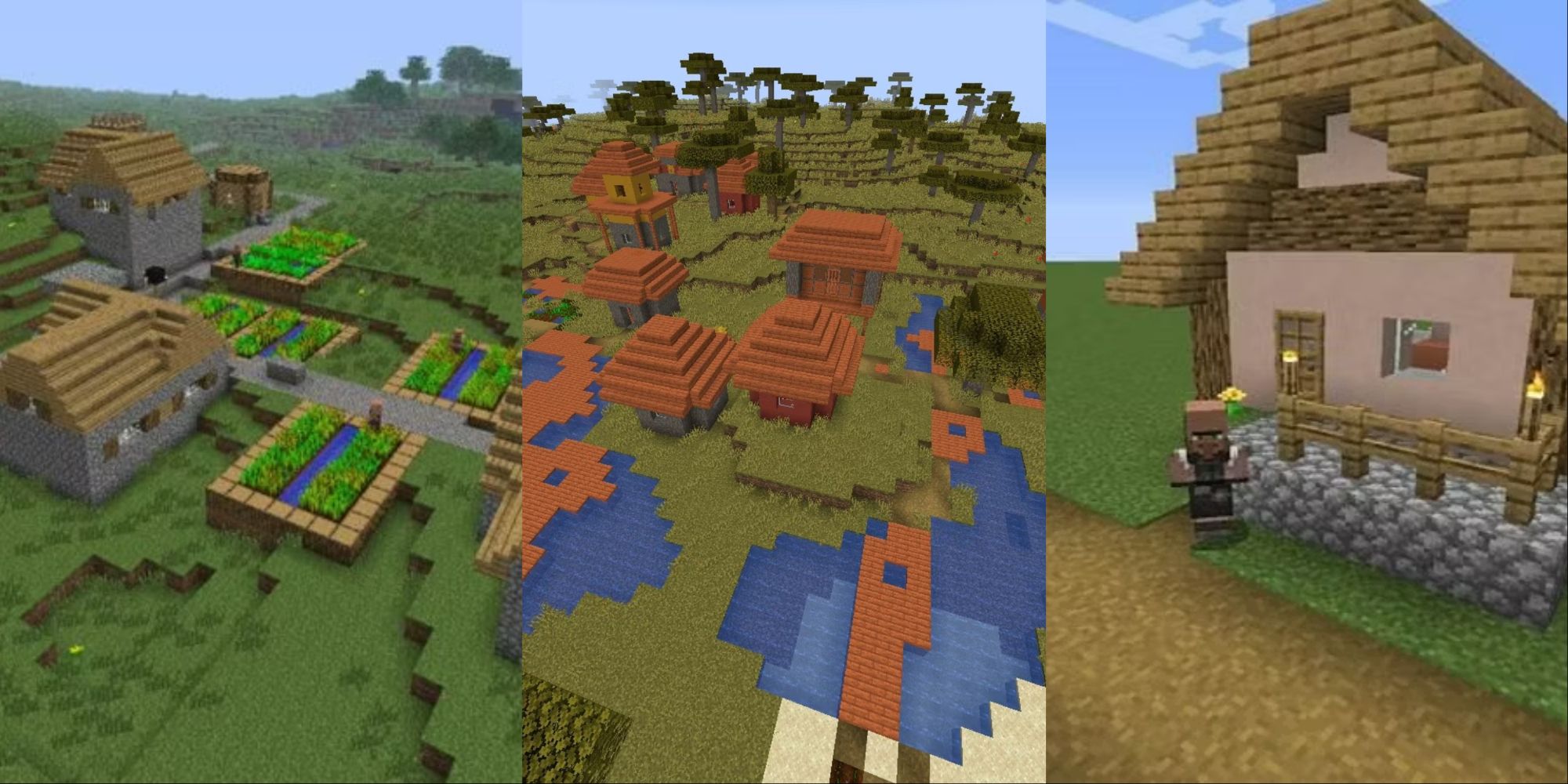
In Minecraft, there are 13 distinct villager professions, each tied to a specific "job site block" that determines the items a villager can trade. To assign a job, an unemployed villager must have access to a workstation; once traded with, their profession and inventory are locked permanently.
Villagers are the cornerstone of a sustainable Minecraft economy. Whether you are playing in a survival world or a massive multiplayer server in 2026, understanding the nuances of villager professions is the difference between struggling for resources and having an infinite supply of diamond gear, enchanted books, and rare building materials. This guide provides a deep dive into every available job, the mechanics of the trading system, and the strategies required to optimize your village's productivity.
The Mechanics of Villager Employment
Before exploring individual roles, it is essential to understand how a villager acquires a profession. Employment in Minecraft is governed by the "Point of Interest" (POI) system. For a villager to take a job, several conditions must be met:
- The Villager Type: Only "Unemployed" villagers (wearing generic biome-dependent clothing) can take a job. "Nitwits" (wearing green coats) cannot work and will never accept a profession.
- Job Site Blocks: A villager must be able to pathfind to a valid, unclaimed job site block.
- Time of Day: Villagers only seek out or work at their stations during specific work hours (usually from early morning until late afternoon in-game time).
- Locking Trades: A villager's profession is temporary until you trade with them at least once. After a single trade, that villager is "locked" into that profession and that specific set of trade offerings forever, even if the job site block is destroyed.
The Leveling System
Villagers do not offer their best trades immediately. They progress through five levels of expertise: Novice (Stone), Apprentice (Iron), Journeyman (Gold), Expert (Emerald), and Master (Diamond). As you trade with them, they gain experience (visible in their trading GUI). Upon leveling up, they unlock new, often more valuable trade tiers and replenish their stock.
Comprehensive List of Villager Jobs
There are 13 specialized professions in the current version of Minecraft. Below is a detailed breakdown of each role, their required workstation, and why they are valuable to your gameplay.
1. Librarian (Lectern)
The Librarian is widely considered the most important villager for high-level play. Their primary value lies in Enchanted Books.
- Key Trades: Enchanted books (including Mending, Fortune III, and Sharpness V), Name Tags, Glass, and Lanterns.
- Strategy: Players often use the "reroll" technique—breaking and replacing the Lectern until the Librarian offers a specific book like Mending at the Novice level. This is the most efficient way to gear up without relying on the randomness of the Enchantment Table.
2. Farmer (Composter)
Farmers are the backbone of food production and emerald generation.
- Key Trades: They buy crops (wheat, carrots, potatoes, beetroots, pumpkins, and melons) and sell food items like Golden Carrots, Suspicious Stew, and Apple.
- Strategy: Automated pumpkin and melon farms are the most efficient way to trade with Farmers. Because these crops grow quickly and require no replanting, they provide a nearly infinite source of Emeralds.
3. Fletcher (Fletching Table)
Fletchers are often overlooked but are exceptional for early-game emerald farming.
- Key Trades: They buy Sticks and String; they sell Arrows, Flint, Tipped Arrows, and Crossbows.
- Strategy: Since sticks are incredibly easy to craft from wood, the Fletcher allows players to gain Emeralds almost immediately upon starting a new world. In the late game, they are the primary source for specific Tipped Arrows (like Harming or Weakness).
4. Armorer (Blast Furnace)
The Armorer is essential for skipping the grind of mining for diamonds.
- Key Trades: They buy Coal and Iron Ingots; they sell Chainmail Armor and, most importantly, Enchanted Diamond Armor.
- Strategy: A Master-level Armorer will sell Diamond Chestplates and Leggings. When combined with a Librarian’s books, you can achieve a "God-tier" armor set without ever finding a single diamond ore.
5. Toolsmith (Smithing Table)
Similar to the Armorer, the Toolsmith provides high-tier utility.
- Key Trades: They buy Coal and Iron; they sell Stone, Iron, and Enchanted Diamond Tools (Pickaxes, Axes, Shovels, and Hoes).
- Strategy: Owning multiple Toolsmiths ensures you never have to worry about your tools breaking. Even if you lose your gear in lava, a few Emeralds can replace your entire Diamond toolkit instantly.
6. Weaponsmith (Grindstone)
The Weaponsmith focuses specifically on offensive gear.
- Key Trades: They buy Coal and Iron; they sell Iron and Enchanted Diamond Swords and Axes.
- Strategy: While the Toolsmith also sells axes, the Weaponsmith is the only reliable source for high-end Swords. They are a great sink for excess Iron if you have an active Iron Farm.
7. Cleric (Brewing Stand)
The Cleric is the primary source of magical and "underworld" materials.
- Key Trades: They buy Rotten Flesh, Gold Ingots, and Glass Bottles; they sell Redstone, Lapis Lazuli, Glowstone, Ender Pearls, and Bottle o' Enchanting.
- Strategy: Clerics turn useless items like Rotten Flesh (from zombie farms) into valuable Redstone and Ender Pearls. This is particularly useful for players who want to avoid the dangers of the End or tedious mining for Redstone.
8. Mason (Stonecutter)
Masons are the ultimate resource for builders and decorators.
- Key Trades: They buy Clay, Stone, and Andesite/Diorite/Granite; they sell Bricks, Quartz, Terracotta, and Glazed Terracotta.
- Strategy: Masons are the only consistent way to get large quantities of Quartz without venturing into the Nether. They also make obtaining specific colors of Terracotta significantly easier.
9. Cartographer (Cartography Table)
The Cartographer is the "Explorer’s Assistant."
- Key Trades: They buy Paper and Glass Panes; they sell Ocean Explorer Maps, Woodland Explorer Maps, and Trial Explorer Maps.
- Strategy: If you are looking for rare structures like Ocean Monuments, Woodland Mansions, or Trial Chambers, the Cartographer is mandatory. They also provide Globe Banner Patterns and frames.
10. Butcher (Smoker)
Butchers focus on the processing of animal products.
- Key Trades: They buy Raw Chicken, Pork, Beef, and Mutton; they sell Cooked Meats and Rabbit Stew. They also buy Sweet Berries and Dried Kelp Blocks.
- Strategy: While not as popular as Farmers, Butchers provide a way to monetize excess meat from animal farms. In 2026, many players use them as a secondary emerald source alongside berry bushes.
11. Shepherd (Loom)
Shepherds are specialized in textiles and color.
- Key Trades: They buy Wool (all colors) and Dyes; they sell Wool, Carpets, Banners, and Paintings.
- Strategy: If you are working on a large-scale artistic project or map art, a Shepherd is vital. They allow you to exchange common dyes for various wool types without needing a massive sheep ranch of every color.
12. Fisherman (Barrel)
The Fisherman deals in the bounty of the sea.
- Key Trades: They buy Raw Fish (Cod, Salmon) and Boats; they sell Cooked Fish, Campfires, and Enchanted Fishing Rods.
- Strategy: For players who enjoy AFK fishing or have a Guardian farm, the Fisherman is an excellent source of Emeralds.
13. Leatherworker (Cauldron)
The Leatherworker is often considered the least essential but has niche uses.
- Key Trades: They buy Leather and Rabbit Hide; they sell Leather Armor (often dyed), Horse Armor, and Saddles.
- Strategy: This is one of the few ways to reliably obtain Saddles and Leather Horse Armor without looting chests in dungeons or fortresses.
Summary Table of Villager Professions and Workstations
| Profession | Job Site Block | Key Late-Game Item | Best Resource to Sell |
|---|---|---|---|
| Librarian | Lectern | Mending / Enchanted Books | Paper |
| Farmer | Composter | Golden Carrots | Pumpkins / Melons |
| Fletcher | Fletching Table | Tipped Arrows | Sticks |
| Armorer | Blast Furnace | Enchanted Diamond Armor | Coal / Iron Ingots |
| Toolsmith | Smithing Table | Enchanted Diamond Tools | Coal / Iron Ingots |
| Weaponsmith | Grindstone | Enchanted Diamond Swords | Coal / Iron Ingots |
| Cleric | Brewing Stand | Ender Pearls / Redstone | Rotten Flesh / Gold |
| Mason | Stonecutter | Quartz / Glazed Terracotta | Clay / Stone |
| Cartographer | Cartography Table | Explorer Maps | Paper / Glass Panes |
| Butcher | Smoker | Cooked Beef / Pork | Raw Meat / Sweet Berries |
| Shepherd | Loom | Paintings / Banners | Wool (all colors) |
| Fisherman | Barrel | Enchanted Fishing Rods | Raw Fish / Boats |
| Leatherworker | Cauldron | Saddles / Horse Armor | Leather |
Advanced Strategies: Maximizing Your Trading Potential
To truly master villager jobs in 2026, you must look beyond simple buying and selling. The economy of Minecraft relies on two advanced mechanics: Curing and Reputation.
The Zombie Curing Process
When a villager is attacked by a zombie, they may turn into a Zombie Villager (100% chance on Hard difficulty). If you splash them with a Potion of Weakness and feed them a Golden Apple, they will eventually return to their human form.
- The Discount: Cured villagers provide permanent, massive discounts on all their trades. In many cases, you can reduce the price of a Mending book from 20 Emeralds down to just 1.
- Historical Note: While older versions of the game allowed "stacking" this discount multiple times to reach 1-emerald prices for everything, current mechanics generally limit the major discount to the first cure, with diminishing returns thereafter.
The Hero of the Village
By successfully defeating a Raid, you receive the "Hero of the Village" status effect. This provides further discounts and causes villagers to occasionally throw gifts at you based on their profession (e.g., a Fletcher might throw you arrows, while a Farmer might throw bread).
Building a Trading Hall
Serious players organize their villagers into a Trading Hall. This involves:
- Isolation: Keeping each villager in a 1x1 or 1x2 cell to prevent them from wandering away from their job site.
- Accessibility: Ensuring you can easily reach the villager and their workstation for restocking.
- Safety: Protecting them from lightning (which turns them into Witches) and zombies.
Troubleshooting Common Issues
Why won't my villager take a job? Check if the villager is a Nitwit (green coat). If not, ensure they have a clear path to the block and that no other villager has already claimed that specific workstation. Villagers also refuse to work at night or during raids.
Why are the trades "crossed out"? A villager has a limited stock for each item. Once they sell out, the trade is disabled. They must visit their job site block twice a day to "restock" their inventory.
Why did my villager change jobs? If you have not traded with a villager yet, they can lose their profession if their workstation is destroyed or if they pathfind to a different one. Once you trade with them, their job is locked.
FAQs
Can a villager have two jobs at once?
No. A villager can only be linked to one job site block and one profession at a time. To change their job, you must destroy their current workstation while they are still at the "Novice" level with zero trade experience.
What is the rarest villager job?
In terms of game mechanics, no job is "rarer" than another, as they all depend on which block the player provides. However, the Librarian is often the most sought-after due to the rarity of the specific enchantments it can provide.
Do villagers need beds to keep their jobs?
While villagers need beds to spawn (breed) or to spawn Iron Golems, they do not strictly need a bed to maintain their profession or restock their trades. However, in Bedrock Edition, a villager must be linked to at least one bed in the village to work properly.
How do I get an unemployed villager?
Villagers are born unemployed. Additionally, if you have a villager you haven't traded with, destroying their workstation will return them to an unemployed state, allowing you to give them a different job.
Can I trade with a Nitwit?
No. Nitwits are essentially the "villagers of leisure." They sleep late, wander aimlessly, and cannot be assigned any of the 13 jobs. They are generally considered useless for trading, though they can still be used for breeding.
Final Recommendation
For the most efficient gameplay experience, prioritize establishing a Farmer for food and emeralds, a Fletcher for early-game sticks-to-emeralds trading, and a Librarian for Mending books. Once your emerald supply is stable, move on to Armorers and Toolsmiths to ensure your gear is always top-tier. By mastering the 13 villager jobs, you transform Minecraft from a game of scarcity into a game of infinite creative potential.