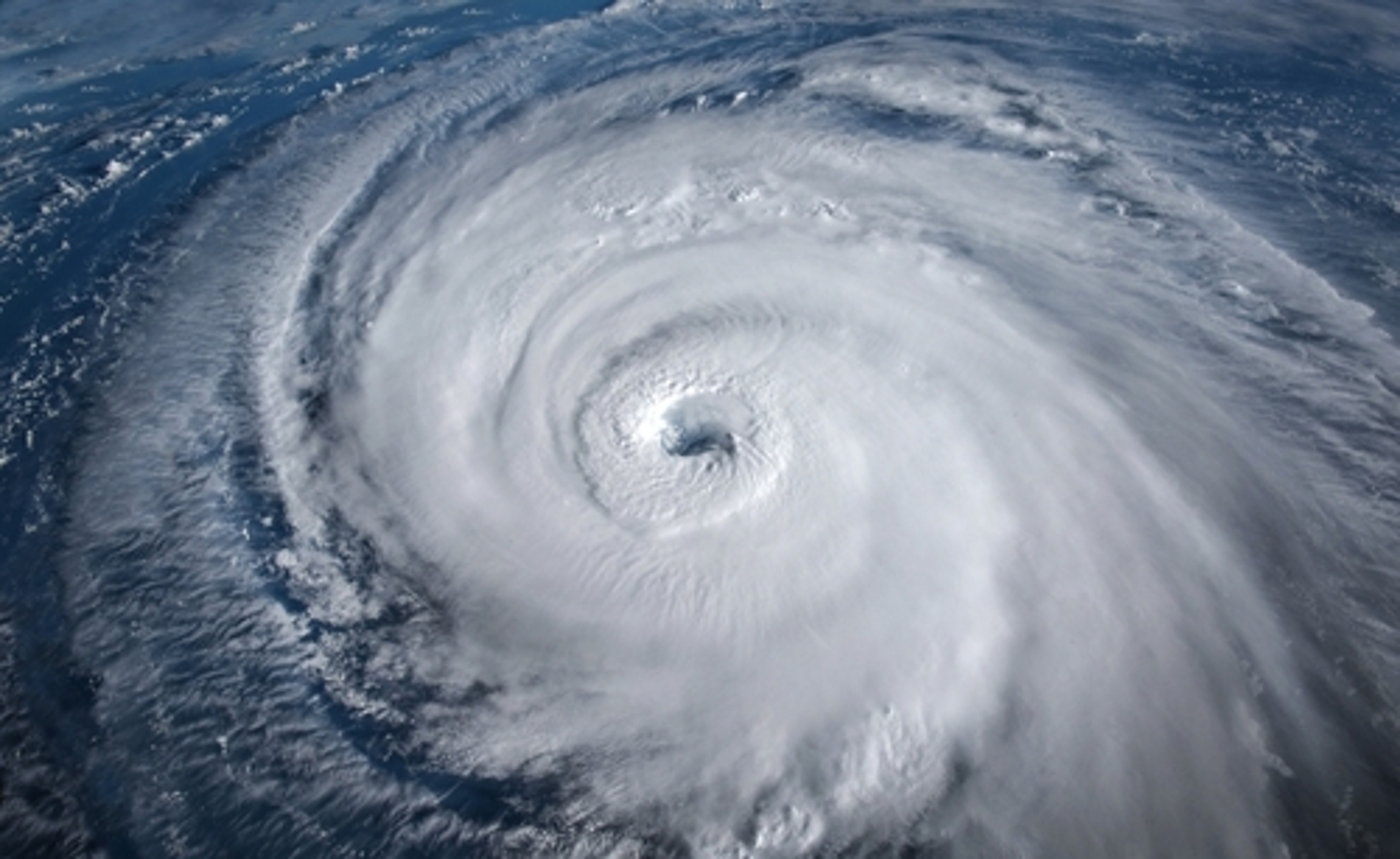
The Saffir-Simpson Hurricane Wind Scale classifies hurricanes into five distinct categories based on their sustained wind speeds. Ranging from Category 1 (74–95 mph) to Category 5 (157 mph or higher), this 1–5 rating system estimates potential property damage and identifies the life-threatening risks associated with wind force during a tropical cyclone.
Understanding the Saffir-Simpson Hurricane Wind Scale
As we navigate the 2026 hurricane season, the Saffis-Simpson Hurricane Wind Scale remains the primary tool used by the National Hurricane Center (NHC) and the National Weather Service (NWS) to communicate the severity of approaching storms. Developed in the early 1970s by civil engineer Herbert Saffir and meteorologist Robert Simpson, the scale was designed to provide a quick, easy-to-understand metric for the public to gauge the destructive potential of a storm's winds.
It is important to recognize that this scale is strictly a wind-based measurement. While hurricanes are multi-hazard events—often involving storm surges, torrential rainfall, and inland flooding—the category assigned to a storm refers specifically to its maximum sustained wind speed. A "sustained" wind is defined as the average wind speed observed over a one-minute interval at a height of 10 meters (about 33 feet).
The scale does not account for the size of the storm, the speed at which it moves across the land, or the amount of precipitation it produces. Consequently, a Category 1 hurricane that moves slowly and dumps 30 inches of rain can occasionally cause more total economic damage than a fast-moving Category 3 storm. However, for structural integrity and immediate safety planning, the Saffir-Simpson scale remains the gold standard for defining hurricane intensity.
Category 1: Dangerous Winds and Preventable Damage
A Category 1 hurricane features sustained winds of 74 to 95 mph (119 to 153 km/h). While these are the weakest hurricanes on the scale, they are far from "minor" weather events. By definition, any tropical cyclone reaching Category 1 status has the power to cause significant disruption to daily life and damage to property.
Structural and Environmental Impact
In a Category 1 storm, well-constructed frame homes may suffer minor damage to roof shingles, vinyl siding, and gutters. The most immediate threat often comes from the environment rather than the building itself. Large branches of trees will snap, and shallow-rooted trees may be toppled. This lead to the most common issue associated with Category 1 storms: power outages.
Infrastructure Disruptions
Winds in this range are sufficient to knock down power lines and damage transformers. In heavily wooded residential areas, the combination of falling limbs and high winds typically results in power outages that can last from a few days to a week. While modern smart grids in 2026 have improved restoration times, the physical destruction of lines still necessitates manual repairs.
Category 2: Extremely Dangerous Winds and Extensive Damage
When a storm intensifies to a Category 2, with winds ranging from 96 to 110 mph (154 to 177 km/h), the risk to life and property increases exponentially. The force of the wind is not linear; a Category 2 storm exerts significantly more pressure on structures than a Category 1.
Enhanced Structural Risks
At this level, well-constructed frame homes can sustain significant roof and siding damage. It is common to see large sections of roofing material stripped away. Apartment complexes and commercial buildings with flat roofs may experience edge failures where the wind "peels" the roofing membrane.
Vegetation and Utility Failure
The impact on the natural landscape is severe. Many shallow-rooted trees will be uprooted, and even healthy, deeply rooted trees can suffer major limb breakage. These falling trees often block roads, complicating emergency response and evacuation efforts. In a Category 2 event, near-total power loss is expected in the hardest-hit areas, with outages often lasting several days to a few weeks. Potable water may also become an issue if filtration plants lose power or if water mains are damaged by uprooted trees.
Category 3: The Threshold of a Major Hurricane
A Category 3 hurricane is classified as a "Major Hurricane." This designation is given to storms with sustained winds of 111 to 129 mph (178 to 208 km/h). When a storm reaches this threshold, the potential for devastating damage becomes a reality for any community in its path.
Critical Structural Failure
Well-built frame homes may incur major damage, including the removal of roof decking and gable ends. The internal pressure changes caused by wind entering a breached window or door can literally lift a roof off a house. For this reason, the National Hurricane Center emphasizes the importance of impact-resistant windows or hurricane shutters for anyone living in areas prone to Category 3 or higher storms.
Long-term Displacement
The aftermath of a Category 3 storm is characterized by a lack of essential services. Electricity and water are typically unavailable for several days to weeks after the storm passes. In many coastal and suburban areas, the sheer volume of debris—broken trees, building materials, and destroyed signage—can make streets impassable for days. Residents should be prepared for the possibility that their homes may be uninhabitable for a period during the recovery phase.
Category 4: Catastrophic Damage and Structural Instability
Category 4 hurricanes, with winds of 130 to 156 mph (209 to 251 km/h), are among the most powerful weather systems on Earth. The physical force of a 150-mph wind is enough to level buildings and transform everyday objects into lethal projectiles.
Extreme Structural Destruction
At this intensity, even well-constructed homes can suffer severe damage, including the loss of most of the roof structure and some exterior walls. Most trees will be snapped or uprooted, and power poles will be downed across entire counties. The residential areas hit by the eyewall of a Category 4 storm often look unrecognizable in the wake of the event.
Societal Collapse of Infrastructure
Falling trees and downed power lines will isolate residential areas, making it impossible for emergency vehicles to reach those in need. In 2026, emergency management protocols often mandate total evacuation for Category 4 zones because the infrastructure—power, water, and sewage—will be out of commission for weeks or even months. Most of the affected area will be uninhabitable for an extended period, requiring a massive federal and state response coordinated through FEMA.
Category 5: The Peak of Atmospheric Power
A Category 5 hurricane is the highest classification on the Saffir-Simpson scale, featuring sustained winds of 157 mph or higher (252 km/h+). There is no "Category 6," as the damage caused by a Category 5 storm is essentially total.
Total Destruction
A high percentage of framed homes will be destroyed, involving total roof failure and wall collapse. Many residential structures may be completely swept away or reduced to a pile of debris. Commercial buildings, unless specifically engineered for extreme wind loads, often suffer catastrophic failure.
Permanent Alteration of the Landscape
In a Category 5 storm, the environment is fundamentally altered. Forests are leveled, and the topography of coastal barrier islands can be shifted. Most of the area will be uninhabitable for months. The psychological and economic toll of such an event is vast, often taking a decade or more for a community to fully recover. Because Category 5 storms are relatively rare, their landfall is considered a historic disaster for any region.
Comparison of Hurricane Categories
The following table provides a clear breakdown of the Saffir-Simpson Hurricane Wind Scale, comparing wind speeds and the expected level of damage.
| Category | Sustained Winds (mph) | Sustained Winds (km/h) | Potential Damage Level | Primary Infrastructure Impact |
|---|---|---|---|---|
| 1 | 74–95 mph | 119–153 km/h | Very dangerous winds | Minor roof damage; power outages for several days. |
| 2 | 96–110 mph | 154–177 km/h | Extremely dangerous | Major roof/siding damage; power outages for weeks. |
| 3 (Major) | 111–129 mph | 178–208 km/h | Devastating | Roof decking failure; water/power loss for weeks. |
| 4 (Major) | 130–156 mph | 209–251 km/h | Catastrophic | Severe structural failure; area uninhabitable for months. |
| 5 (Major) | 157 mph or higher | 252 km/h+ | Catastrophic | Total roof and wall collapse; complete isolation. |
Factors Not Captured by Hurricane Categories
While the Saffir-Simpson scale is an invaluable tool for wind assessment, it does not provide a complete picture of a storm's danger. To truly understand the risk, one must look at additional factors monitored by meteorological agencies like the World Meteorological Organization.
Storm Surge
Storm surge is often the deadliest part of a hurricane. It is an abnormal rise of water generated by a storm, over and above the predicted astronomical tides. This "wall of water" can reach heights of over 20 feet in extreme cases, pushing miles inland and destroying everything in its path. A Category 1 storm with a large wind field can produce a more significant storm surge than a compact Category 3 storm.
Heavy Rainfall and Inland Flooding
Hurricanes often carry massive amounts of tropical moisture. As these storms move inland, they can drop 10 to 40 inches of rain in a single area. This leads to catastrophic river flooding and flash floods that occur far from the coast. Some of the most "damaging" storms in history were low-category hurricanes that stalled over a specific region, causing billions in flood damage despite relatively low wind speeds.
Tornadoes
Hurricanes frequently produce tornadoes as they make landfall. These tornadoes typically occur in the right-front quadrant of the storm (relative to the direction of motion). While these tornadoes are usually weaker than those found in the Great Plains, they are difficult to predict and can cause localized areas of Category 4 or 5 damage within a broader Category 1 or 2 hurricane.
Preparing for Each Category: Practical Guidance
Preparedness should be scaled based on the category and the specific location of your property. In 2026, residents are encouraged to utilize digital "Ready" kits and stay informed via real-time satellite updates.
- For Categories 1 and 2: Focus on securing the exterior of your home. Clear gutters, trim overhanging tree branches, and ensure you have at least a week’s supply of non-perishable food and water. Boarding up windows is recommended even for Category 1 winds to prevent flying debris from breaching the home.
- For Category 3 (Major): If you are in a designated evacuation zone, you should leave. For those staying in non-evacuation zones, reinforced safe rooms are recommended. Ensure all windows are protected by certified hurricane shutters or 5/8-inch plywood.
- For Categories 4 and 5: Total evacuation is usually the only safe option. These storms are life-threatening to anyone not in a reinforced concrete shelter. Before leaving, shut off your main water valve and electricity to prevent secondary damage from leaks or fires.
For more detailed preparation checklists, the American Red Cross provides comprehensive guides for disaster readiness.
Frequently Asked Questions
Does a hurricane's category change after it makes landfall?
Yes, a hurricane's category is based on its current sustained wind speeds. Once a hurricane moves over land, it loses its primary fuel source—the warm ocean water—and encounters increased friction from the terrain. This usually causes the wind speeds to drop rapidly, resulting in the storm being downgraded to a lower category or eventually a tropical storm. However, the flooding and rain hazards often persist long after the winds have weakened.
Why isn't storm surge included in the hurricane category?
Previously, the Saffir-Simpson scale did include storm surge and central pressure ranges. However, meteorologists found that surge heights are highly dependent on the local coastline's shape, the slope of the continental shelf, and the storm's size, not just its wind speed. To prevent confusion and provide more accurate warnings, the NHC decoupled storm surge from the wind scale and now issues separate Storm Surge Watches and Warnings.
Can a Category 1 hurricane be more dangerous than a Category 5?
In terms of wind damage, no. However, in terms of total impact, yes. A Category 1 hurricane that causes record-breaking flooding or a massive storm surge in a densely populated area can result in more fatalities and higher economic losses than a Category 5 hurricane that hits an unpopulated stretch of coastline. Danger should always be assessed based on all hazards (wind, rain, surge), not just the category number.
How are hurricane categories determined in real-time?
Meteorologists use a combination of satellite imagery, coastal radar, and "Hurricane Hunter" aircraft. These aircraft fly directly into the eye of the storm to drop sensors called dropsondes, which measure wind speed, pressure, and humidity at various altitudes. This data allows the NHC to calculate the maximum sustained surface winds and assign the appropriate category.
Is there a Category 6 hurricane?
No, there is currently no Category 6 on the Saffir-Simpson scale. Because Category 5 is defined as winds of 157 mph or higher, it encompasses all speeds above that threshold. Since Category 5 winds already cause total destruction of most structures, adding a Category 6 would not change the emergency response or safety recommendations—total evacuation is already the standard for Category 5.
Next Actions for Coastal Residents
Understanding the categories of hurricanes is the first step in a multi-layered safety plan. As the 2026 season progresses, your next action should be to identify your specific evacuation zone through your local county or state emergency management office. Knowing your category-specific risk is only useful if you know whether your location is vulnerable to the accompanying storm surge. Once your zone is identified, review your insurance policies—specifically flood insurance, which is separate from standard homeowner’s insurance—to ensure you are covered for the diverse range of hazards these powerful storms bring.