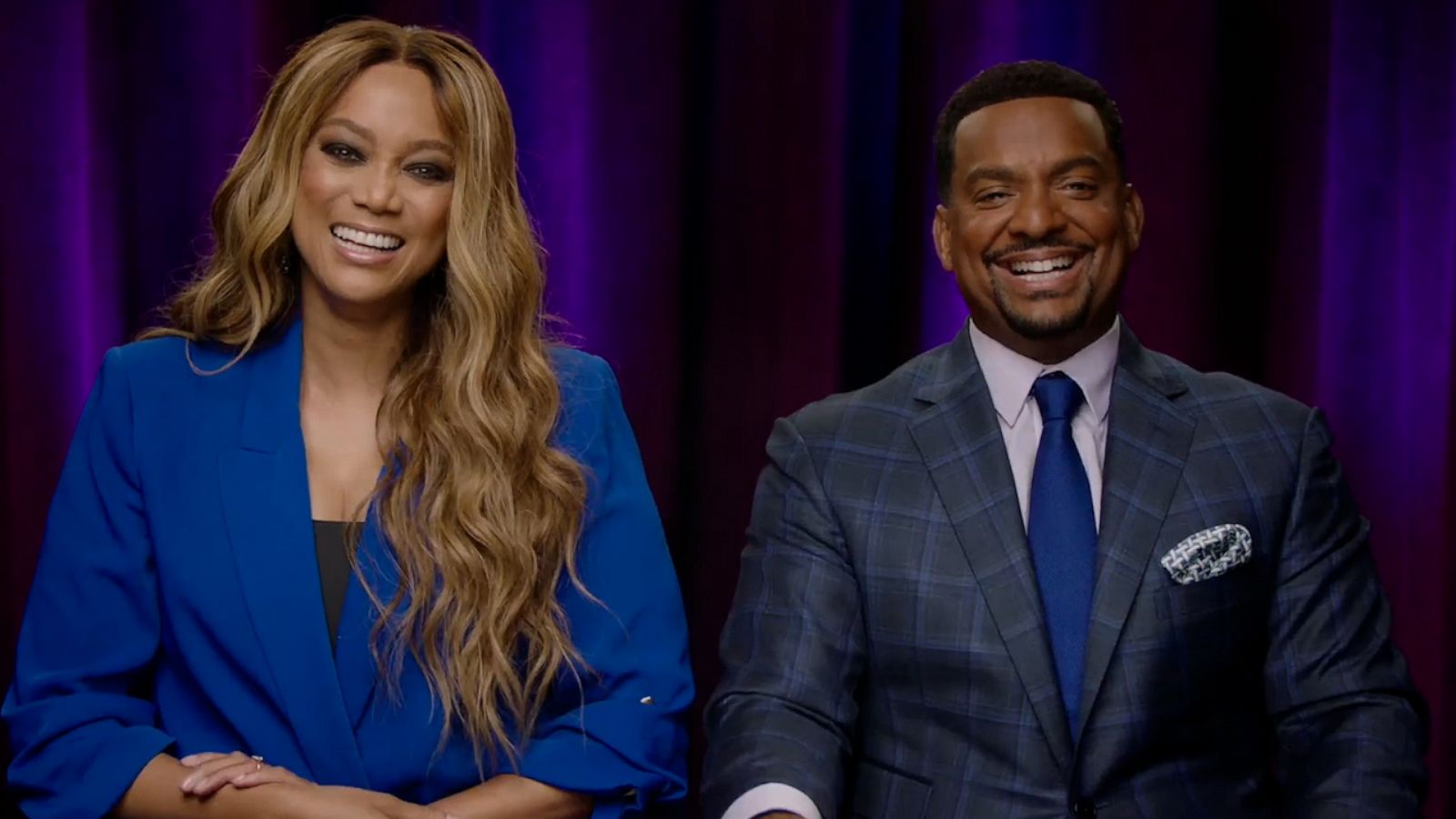
Alfonso Ribeiro’s transition into major hosting roles—most notably on America’s Funniest Home Videos and Dancing with the Stars—marked a significant shift in network television dynamics. While initially met with comparisons to predecessors, the debate has since evolved from skepticism to a broad appreciation for his technical precision, high energy, and deep-rooted connection to the franchises he leads.
As of 2026, Alfonso Ribeiro has firmly established himself as a cornerstone of American family entertainment. His journey from a beloved sitcom star to a multi-franchise host represents more than just a career pivot; it reflects a broader trend in how networks manage legacy programs during eras of digital transition and shifting viewer demographics. The debate surrounding his hosting changes often centers on the balance between honoring the "gold standard" set by previous hosts and the need for modern, high-octane energy to keep long-running formats fresh.
The Succession Strategy: Replacing Tom Bergeron on AFV
The first major hosting change for Ribeiro occurred in 2015 when he was named the successor to Tom Bergeron on America’s Funniest Home Videos (AFV). Bergeron had hosted the show for 15 seasons, establishing a dry, quick-witted rapport with the audience that many felt was irreplaceable.
Bridging the Generational Gap
When Ribeiro took the helm for Season 26, the primary debate was whether he could maintain the show’s legacy without mimicking Bergeron’s specific brand of humor. Ribeiro chose not to replicate his predecessor. Instead, he leaned into his background as a physical performer. His version of AFV became more animated, characterized by exuberant reactions and a rhythmic delivery that appealed to a younger, more social-media-savvy audience.
The Technical Transition
From a production standpoint, the change allowed AFV to modernize its presentation. By 2026, Ribeiro’s tenure has surpassed a decade, making him the face of the show for an entire generation of viewers. The debate over his appointment has largely been settled by the show's consistent ratings and his ability to integrate modern viral video culture into the traditional television format.
The Dancing with the Stars Revolution
If the AFV transition was a marathon, the Dancing with the Stars (DWTS) hosting changes were a sprint through public discourse. Ribeiro’s history with the show is profound; he won the Mirrorball Trophy in Season 19, making him a "legacy" figure within the DWTS community.
The Tyra Banks Era and the Push for Change
The debate intensified during the period between 2020 and 2022. Following the sudden departure of Tom Bergeron and Erin Andrews, Tyra Banks took over as host and executive producer. Her tenure was marked by significant stylistic changes that polarized the long-time fanbase. Critics argued the show had become too focused on the host’s fashion and personality rather than the contestants and the dancing.
In 2022 (Season 31), Disney+ and ABC brought Ribeiro into the fold as a co-host alongside Banks. This move was widely viewed as an attempt to "anchor" the show back to its roots. Ribeiro provided a technical understanding of the ballroom that had been missing, often speaking the language of the professional dancers and judges.
The Ribeiro-Hough Partnership
The most significant hosting change occurred in Season 32 (2023), when Tyra Banks departed and Julianne Hough was brought in as Ribeiro’s co-host. This pairing effectively ended the "host debate" for many fans. As of 2026, the Ribeiro-Hough duo is considered the definitive "modern era" hosting team.
- Alfonso Ribeiro: Acts as the primary emcee, handling the high-pressure "live" pacing and the main stage announcements.
- Julianne Hough: Focuses on the "skybox" or backstage interviews, utilizing her experience as a former pro and judge to ask technically relevant questions.
This structure resolved the long-standing debate about whether the show needed a single dominant personality or a collaborative team.
Analyzing the Debate: Nostalgia vs. Modernity
The debate surrounding Alfonso Ribeiro’s hosting roles is rarely about his competence—he is a consummate professional—but rather about the "identity" of the shows he leads. Host changes in legacy media often trigger "nostalgia bias," where audiences romanticize the original or longest-serving host.
The "Bergeron Shadow"
Because Ribeiro replaced Tom Bergeron on two separate flagship programs, he became the lightning rod for comparisons. The debate often breaks down into two camps:
- The Traditionalists: Those who prefer the understated, sarcastic wit of the early 2000s era.
- The Modernists: Those who appreciate Ribeiro’s "showman" approach, which fits the faster-paced, high-definition aesthetic of current broadcast and streaming television.
Representation and Relatability
Another facet of the debate involves Ribeiro’s unique position as a Black host in spaces that were historically less diverse. His success has been a significant point of discussion regarding representation in primetime hosting. His ability to maintain high ratings across diverse demographics has provided a blueprint for networks looking to revitalize legacy brands with more inclusive casting choices.
Hosting Comparison: The Evolution of AFV and DWTS
The following table outlines the shifts in hosting styles and the primary focus of each era, illustrating where Ribeiro fits into the timeline.
| Program | Era | Primary Host(s) | Hosting Style | Key Audience Sentiment |
|---|---|---|---|---|
| AFV | 2001–2015 | Tom Bergeron | Dry, witty, observational | Considered the "Gold Standard" for family TV. |
| AFV | 2015–2026+ | Alfonso Ribeiro | High energy, physical, enthusiastic | Successfully modernized the show for the viral age. |
| DWTS | 2005–2019 | Bergeron & Andrews | Professional, comedic, balanced | Highly nostalgic; focused on the "Ballroom" feel. |
| DWTS | 2020–2022 | Tyra Banks | Personality-driven, fashion-forward | Highly polarizing; perceived as a departure from tradition. |
| DWTS | 2023–2026+ | Ribeiro & Hough | Technical, collaborative, energetic | A "Return to Form" that balances legacy and energy. |
Why Alfonso Ribeiro’s Hosting Style Works
To understand why Ribeiro survived the initial debates and thrived, one must look at the technical requirements of modern hosting.
Mastery of Live Television
Hosting a live show like Dancing with the Stars requires an incredible ability to manage time. Segments are timed down to the second to account for commercial breaks and voting windows. Ribeiro is known in the industry for his "internal clock," rarely stumbling over teleprompter cues and effortlessly filling dead air when technical glitches occur.
Authentic Connection to the Material
In AFV, Ribeiro isn't just a narrator; he is a fan of the clips. In DWTS, he isn't just a host; he is a winner who understands the physical toll the competition takes on celebrities. This authenticity is the primary weapon used to silence critics who initially viewed him as a "replacement" rather than an "upgrade."
The "Carlton" Factor
While Ribeiro has worked hard to move beyond his Fresh Prince of Bel-Air character, he skillfully uses "The Carlton" when appropriate. By embracing his past rather than running from it, he maintains a level of approachability that few hosts achieve. This prevents him from appearing as a "hired gun" and instead makes him feel like a permanent part of the viewer’s living room.
Challenges and Criticisms
Despite his success, the debate isn't entirely one-sided. Some critics argue that the "Ribeiro Era" of hosting is sometimes too polished.
- Loss of Spontaneity: Some fans miss the unpredictable, slightly edgy humor of the early 2000s. Ribeiro’s hosting is very "on-brand" for Disney, which can sometimes feel safer than previous iterations.
- Information Overload: In 2026, the integration of social media, live voting, and sponsor shout-outs means Ribeiro has to deliver a massive amount of information in a short window. This can occasionally lead to a frantic pace that some older viewers find jarring.
- The "Host Fatigue" Risk: Because Ribeiro is the face of multiple major shows, there is a constant risk of overexposure. Networks have managed this by ensuring his roles on AFV and DWTS emphasize different sides of his personality—the "Goofy Uncle" on AFV and the "Professional Mentor" on DWTS.
The Financial and Industry Impact
The hosting changes have also had significant economic implications. Alfonso Ribeiro’s ability to "stabilize" a franchise is a valuable asset for ABC and Disney+. When a host change goes poorly, advertisers often pull back, and ratings can plummet. By successfully navigating the debates and securing the audience’s trust, Ribeiro has ensured the longevity of multi-million dollar franchises.
According to industry reports from 2025 and 2026, the Ribeiro-Hough era of DWTS saw a 12% increase in retention among younger viewers (ages 18-34) compared to the previous three seasons. This data suggests that the "hosting changes" debate has ultimately swung in the favor of the current regime.
Expert Guidance: Viewing the Change as Progress
For fans struggling with the evolution of their favorite shows, it is helpful to view hosting changes through the lens of television history. Very few variety or competition shows survive for 30+ seasons with the same host. The change from Bergeron to Ribeiro was not a rejection of the past, but a necessary adaptation to ensure the shows didn't become museum pieces.
If you are a viewer who misses the "old way" of doing things, consider the following:
- Format Integrity: The core mechanics of AFV and DWTS have remained largely unchanged. The host acts as the vehicle, but the content (the videos and the dancing) remains the star.
- Technical Excellence: Ribeiro's ability to handle live transitions is objectively among the best in the business.
- Legacy Preservation: By bringing in Julianne Hough and keeping Ribeiro—both part of the "family"—the shows have actually become more insular and focused on their own histories than they were during the Tyra Banks transition.
FAQ
How long has Alfonso Ribeiro been hosting AFV?
Alfonso Ribeiro took over as host of America's Funniest Home Videos in 2015, starting with Season 26. As of 2026, he has completed over 10 full seasons, making him one of the longest-serving hosts in the show's history, second only to Tom Bergeron.
Why did Tyra Banks leave DWTS for Alfonso Ribeiro and Julianne Hough?
Tyra Banks officially departed Dancing with the Stars to focus on her business ventures and personal brands. However, her exit also coincided with a creative "reset" for the show, as producers sought to bring back the "pro-centric" energy by hiring Alfonso and Julianne, both of whom have deep ties to the ballroom.
Did Tom Bergeron approve of Alfonso Ribeiro taking over his roles?
Yes. Tom Bergeron has publicly expressed support for Alfonso Ribeiro on multiple occasions. When Ribeiro was first cast for AFV, Bergeron offered his congratulations, and the two have maintained a respectful professional relationship, often acknowledging the unique bond of having hosted the same two major franchises.
Is Alfonso Ribeiro's hosting style considered more "family-friendly" than previous hosts?
While AFV has always been family-oriented, Ribeiro’s style is often described as more "energetic" and "animated." While Tom Bergeron used a more sardonic, "wink-to-the-camera" style that appealed to adults, Ribeiro’s high-energy reactions are designed to engage viewers of all ages, particularly children and teens.
What are the main criticisms of the current DWTS hosting format?
The most common criticism in 2026 involves the sheer volume of "housekeeping"—announcing voting rules, app integrations, and sponsor messages—which some fans feel takes away from the judges' critiques. However, this is largely a production requirement rather than a reflection of the hosts themselves.
Final Recommendation
For those following the ongoing evolution of primetime hosting, the "Alfonso Ribeiro era" serves as a masterclass in brand stewardship. To best enjoy the current state of AFV and DWTS, viewers should appreciate Ribeiro not as a "replacement" for the past, but as a bridge to the future. His technical proficiency ensures the shows run smoothly, while his genuine enthusiasm preserves the "fun" that is essential to the genre. As these shows continue into the late 2020s, Ribeiro's influence will likely be remembered as the force that stabilized and modernized two of television's most iconic institutions.