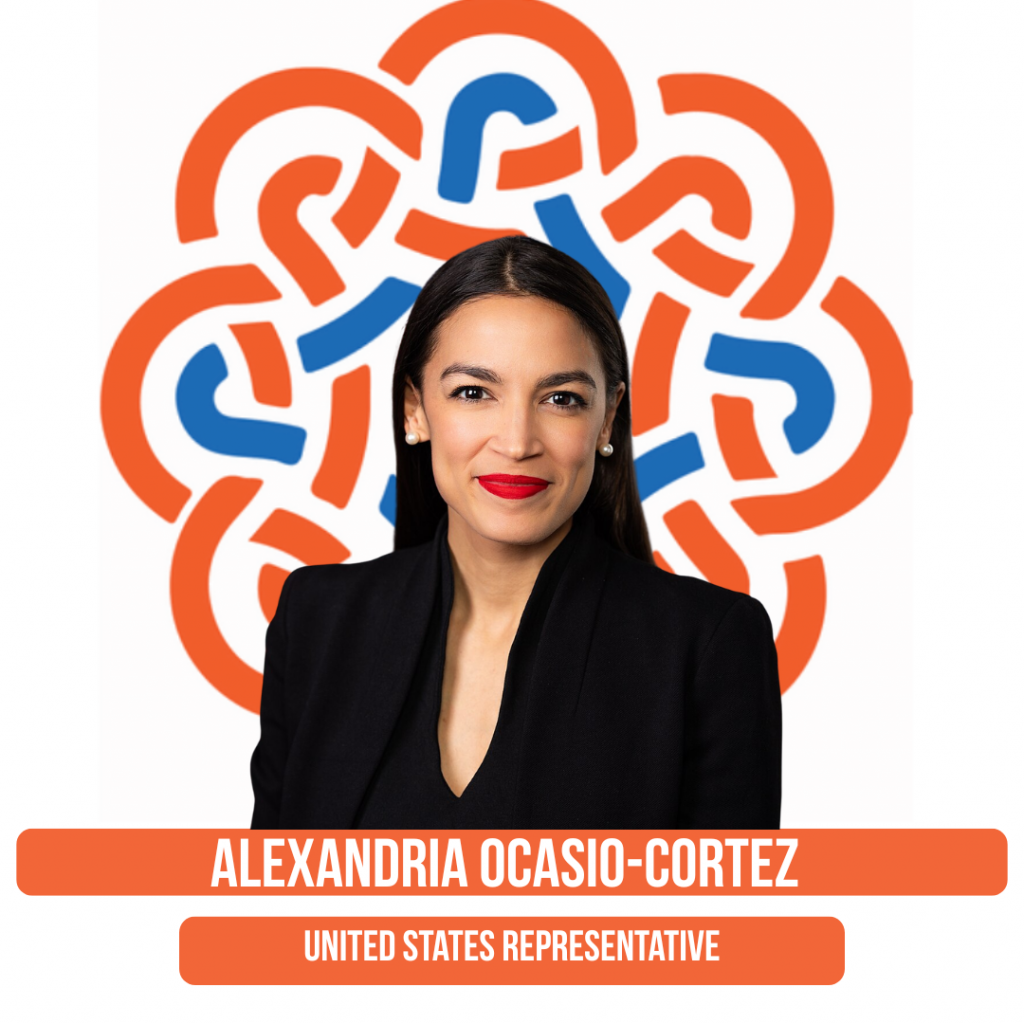
Before becoming the U.S. Representative for New York's 14th congressional district, Alexandria Ocasio-Cortez worked as a bartender and waitress at Flats Fix, a taco bar in Manhattan’s Union Square. This service-industry background became a cornerstone of her 2018 grassroots campaign, symbolizing a shift toward working-class representation in American politics.
The Reality of Alexandria Ocasio-Cortez’s Service Industry Career
The biographical narrative of Alexandria Ocasio-Cortez (AOC) is inextricably linked to her time behind the bar. Following her graduation from Boston University in 2011, where she earned a bachelor's degree in international relations and economics, Ocasio-Cortez did not immediately enter the world of high-level policy or corporate finance. Instead, she returned to her roots in the Bronx and worked multiple jobs to help her family keep their home following the death of her father, Sergio Ocasio, in 2008.
For several years leading up to her 2018 primary victory, she was a familiar face at Flats Fix, a restaurant located at 14 East 16th Street in New York City. Her role was not merely a brief summer stint; it was a sustained period of employment necessitated by the economic pressures facing many millennials: student loan debt, the high cost of living in New York, and family financial obligations.
Why the "Bartender" Label Matters
In the context of 2026 political analysis, the "bartender" label is often viewed through two distinct lenses. To her supporters, it represents authenticity and an intimate understanding of the struggle to make ends meet. To her detractors, particularly during her early years in office, it was used as a pejorative to suggest she lacked the requisite experience for federal lawmaking. However, Ocasio-Cortez effectively reclaimed the narrative, often pointing out that the skills required in the service industry—multitasking, conflict resolution, and high-pressure social interaction—are directly transferable to the floor of Congress.
The Economic Context of Her Pre-Political Career
Understanding AOC’s time as a bartender requires looking at the socio-economic landscape of the early 2010s. The United States was recovering from the Great Recession, and young professionals were increasingly finding themselves underemployed. Despite her dual degree and honors from a prestigious university, Ocasio-Cortez faced a job market where service work was often the most accessible form of immediate income.
She also worked for the National Hispanic Institute and founded a small publishing house, Brook Avenue Press, which focused on portraying the Bronx in a positive light for children. Despite these professional pursuits, the income from bartending remained a necessary financial pillar. This "hustle" is a shared experience for millions of Americans, which allowed her campaign to resonate with a demographic that felt ignored by the political establishment.
Table: Comparison of AOC’s Professional Roles Pre-2018
| Role | Organization / Venue | Primary Focus | Key Skills Developed |
|---|---|---|---|
| Bartender/Waitress | Flats Fix (Union Square) | Customer service, hospitality | Crisis management, interpersonal communication |
| Educational Director | National Hispanic Institute | Leadership training for Latino youth | Public speaking, community organizing |
| Founder | Brook Avenue Press | Children's literature / Literacy | Entrepreneurship, project management |
| Intern | Office of Sen. Ted Kennedy | Foreign affairs and immigration | Legislative processes, constituent service |
The Transition from Flats Fix to the 2018 Primary
The shift from mixing cocktails to drafting legislation began in earnest in 2016. While still working at the bar, Ocasio-Cortez traveled to North Dakota to join the protests at Standing Rock against the Dakota Access Pipeline. This experience was a catalyst for her political activation. Shortly thereafter, she was contacted by Brand New Congress, a political action committee seeking to recruit non-traditional candidates to run for office.
Her campaign was famously run on a "shoestring" budget compared to her opponent, the powerful incumbent Joe Crowley. While Crowley spent millions on traditional advertising, Ocasio-Cortez relied on social media and a viral campaign video titled "The Courage to Change." In that video, she is seen changing out of her server uniform and into professional attire, directly addressing the camera about her working-class background.
The Symbolic Power of the "Barte" Narrative
The "barte" (a common shorthand or typo for her bartending history) narrative became a potent weapon in the 2018 primary. It served several functions:
- Relatability: It bridged the gap between the voter and the candidate.
- Anti-Establishment Sentiment: It highlighted that she was not a "career politician."
- Policy Inspiration: Her advocacy for a $15 minimum wage and the "Raise the Wage Act" was rooted in her firsthand experience of relying on tips and facing wage theft or precarious scheduling.
Political Impact of the Service Industry Background
Once elected, Ocasio-Cortez did not distance herself from her history. Instead, she utilized it to frame her legislative priorities. Her focus on labor rights, healthcare as a human right, and environmental justice (The Green New Deal) is frequently punctuated by anecdotes from her time in the service industry.
For example, her critiques of the "tipped minimum wage"—a lower base salary for employees who receive tips—come directly from her years at Flats Fix. In 2026, as debates over automation in the service sector and the "gig economy" continue, her perspective remains a central reference point for labor advocates.
Handling Criticism and the "AOC Effect"
The criticism she faced for her background was often gendered and class-based. Critics on cable news frequently brought up her bartending past to dismiss her "Green New Deal" or "Medicare for All" proposals as "economically illiterate."
However, this backfired by creating what political scientists now call the "AOC Effect." By attacking her background, her opponents inadvertently strengthened her bond with working-class voters who felt that their own jobs and lives were being mocked. This helped pave the way for other candidates with similar backgrounds—nurses, teachers, and service workers—to run for office without the traditional "pedigree" once thought necessary.
Verification of Historical Records
To maintain factual accuracy, it is important to note that Ocasio-Cortez was never "just" a bartender, nor was her background "invented" for political gain.
- Education: She graduated cum laude from Boston University in 2011.
- Employment Duration: She worked in various hospitality roles for approximately five years following college.
- The Venue: Flats Fix has confirmed her employment there, and she has visited the restaurant post-election to support the staff.
- Financial Disclosures: Her early FEC filings reflected the modest income of a service worker, contrasting sharply with the multi-million dollar portfolios of many of her colleagues in the House of Representatives.
Addressing Common Misconceptions
Several myths have circulated regarding her time as a bartender. One common claim was that she grew up in extreme wealth in Westchester and "faked" a Bronx upbringing. While her family did move to Yorktown Heights for better schools when she was young, she returned to the Bronx after college and lived in a one-bedroom apartment with her partner while working at the bar. The economic precarity she described—such as the threat of foreclosure on her mother’s home—has been verified by public records and interviews with family members.
Another misconception is that she was "discovered" by a talent agency. In reality, her brother submitted her name to Brand New Congress, and she underwent a rigorous vetting and interview process before being selected as a candidate.
Long-term Legacy in 2026
As of 2026, the narrative of "Alexandria Ocasio-Cortez the bartender" has evolved from a campaign talking point into a case study for political communication. It taught the Democratic Party that "blue-collar" identity is not limited to manufacturing or construction; it includes the massive and growing service and hospitality sector.
Her journey has influenced:
- Campaign Recruitment: More emphasis is placed on "lived experience" rather than just legal or business backgrounds.
- Labor Legislation: Increased focus on the "Fair Workweek" laws and the elimination of the sub-minimum wage for tipped workers at the federal level.
- Voter Engagement: Younger voters see her as proof that the barriers to entry in federal politics can be broken by those without personal wealth.
Related Questions and Detailed Answers
Did Alexandria Ocasio-Cortez graduate from college before bartending?
Yes, Ocasio-Cortez graduated from Boston University in 2011 with a Bachelor of Arts degree. She majored in International Relations and Economics. Despite her academic success, the economic climate of the early 2010s and her family's financial situation led her to work in the service industry to provide immediate income. Her degree in economics is often a point of contention in political debates, where she uses her academic background to defend her policy proposals against critics who claim she does not understand market dynamics.
What was the name of the bar where AOC worked?
She primarily worked at Flats Fix, a taco bar and restaurant located in the Union Square neighborhood of Manhattan. During her 2018 campaign, the restaurant became a site of significant media interest. Ocasio-Cortez has frequently mentioned her time there in interviews, describing the physical toll of 12-hour shifts on her feet and the uncertainty of a tip-based income.
How did her bartending experience influence the Green New Deal?
While the Green New Deal is an environmental framework, Ocasio-Cortez and its co-sponsors framed it as a "jobs program." Her experience in the service industry informed the "Just Transition" aspect of the proposal, which argues that shifts toward a green economy must include guaranteed living-wage jobs and strong labor protections for working-class people who do not have a safety net. She often argues that environmental policy cannot be separated from economic dignity.
How long did she work as a bartender before running for office?
She worked in the hospitality sector for several years after 2011, continuing up until she launched her campaign in 2017. Even during the early stages of her primary run against Joe Crowley, she was still working shifts to pay her rent. It was only when the campaign gained significant momentum and required full-time attention that she left her position at Flats Fix.
Is Flats Fix still open in 2026?
Flats Fix remains a functioning establishment in New York City. Over the years, it has become somewhat of a landmark for political tourists and supporters of the Congresswoman. While the restaurant maintains its identity as a local taco spot, it is permanently linked to the history of one of the most significant political upsets in modern American history.
Practical Guidance: Following the AOC Blueprint
For those looking to enter politics from a non-traditional or service-industry background, the Ocasio-Cortez model provides several actionable steps:
- Lean into the Narrative: Do not hide a working-class background. Use it to demonstrate resilience and a connection to the everyday struggles of constituents.
- Master Digital Communication: Ocasio-Cortez bypassed traditional media gatekeepers by using social media (Instagram, Twitter/X) to speak directly to voters, often while performing mundane tasks like cooking dinner or commuting.
- Community Organizing: Before running, she was involved in local activism and educational programs. Establishing a track record of service—even unpaid—is vital for credibility.
- Partner with Organizations: Groups like Justice Democrats or local grassroots collectives can provide the infrastructure (legal, financial, and strategic) that a first-time candidate lacks.
Next Action: If you are researching the impact of working-class backgrounds on legislative priorities, examine the current "Raise the Wage" proposals in Congress, which often cite the hospitality industry's data as a primary justification for reform. For a deeper look at the demographics of the 119th Congress in 2026, consult the Official Congressional Directory or the House Office of the Historian for updated statistics on the occupational backgrounds of representatives.