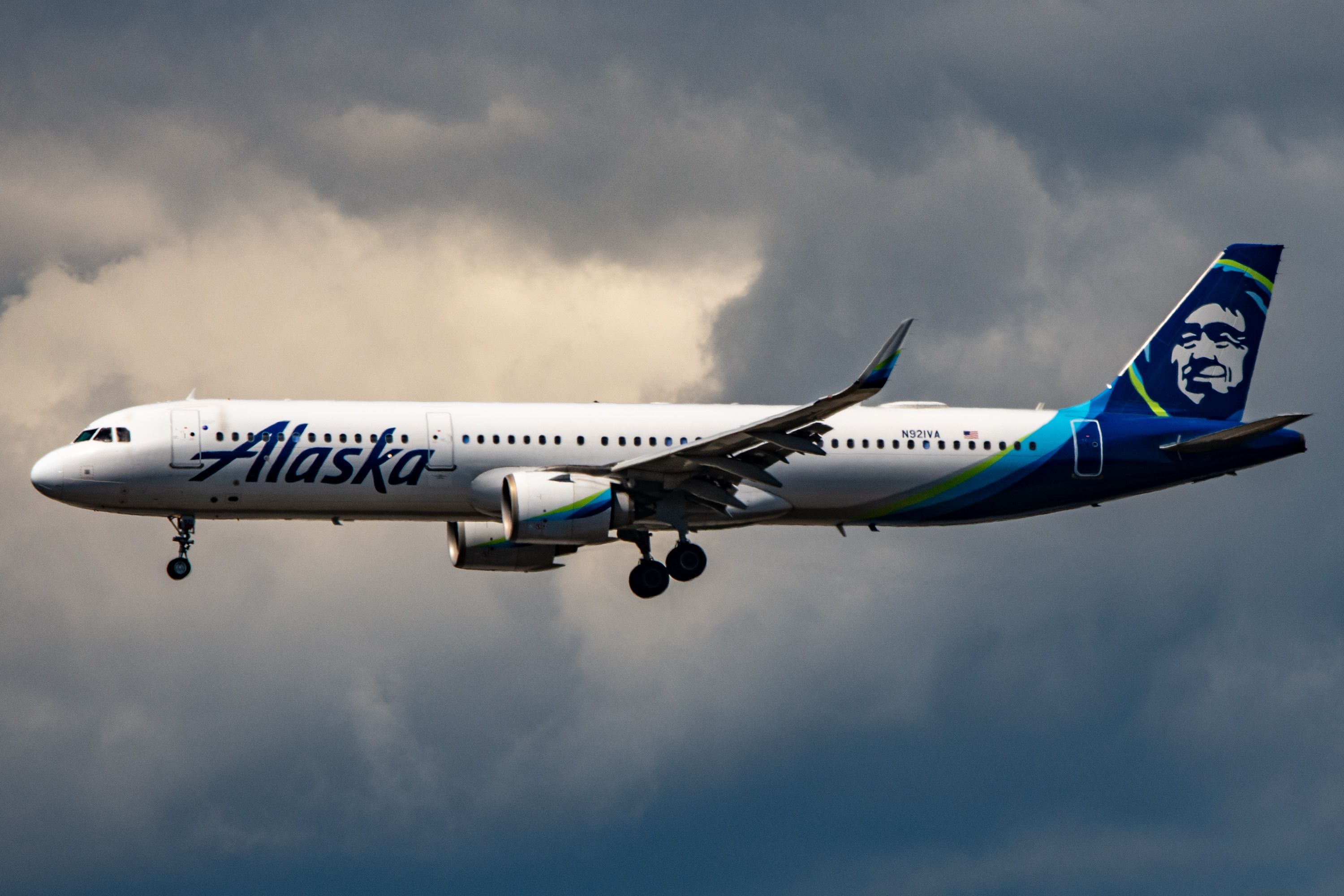
Alaska Airlines uses the official three-letter ICAO code ASA, paired with the telephony call sign ALASKA, to identify its flights and coordinate global air traffic management operations seamlessly.
Introduction to Aviation Identifiers
Navigating the complex ecosystem of global commercial aviation requires a standardized system of codes to identify airlines, aircraft, airports, and individual flight paths. Without these universally recognized designations, managing thousands of simultaneous flights across international boundaries, oceanic airspace, and crowded airport hubs would be practically impossible. Among the various codes utilized by regulatory bodies, air navigation service providers, and flight crews, the International Civil Organization (ICAO) code holds a critical operational purpose.
For Alaska Airlines—one of the major mainline carriers operating throughout North America, Central America, and beyond—its specific ICAO designator serves as the electronic backbone for flight planning, air traffic control communications, and flight tracking systems. While everyday travelers are typically familiar with the two-character airline designator printed on their boarding passes, the three-letter ICAO code operates largely behind the scenes. Understanding what the Alaska Airlines ICAO code is, how it functions within the broader aviation network, and why it differs from other airline codes provides valuable insight into the technical reality of modern commercial flight operations.
Defining the Alaska Airlines ICAO Code
The official ICAO code assigned to Alaska Airlines is ASA. This three-letter alphanumeric code is formally designated by the International Civil Aviation Organization, a specialized agency of the United Nations that codifies the principles and techniques of international air navigation and fosters the planning and development of international air transport safety.
Unlike passenger-facing codes that appear on consumer itineraries, the ICAO code ASA is primarily an operational and technical identifier. Air traffic controllers, flight dispatchers, meteorologists, and aeronautical communication networks use this code to route flight plans, exchange operational messages via the Aeronautical Fixed Telecommunication Network (AFTN), and track aircraft position reports across regional and oceanic sectors.
In addition to the three-letter code ASA, every ICAO-compliant airline must also possess a corresponding telephony call sign. For Alaska Airlines, the official call sign broadcasted over radio frequencies between flight crews and air traffic control is simply ALASKA. Therefore, a commercial flight operating under this identifier will be communicated verbally as "Alaska [Flight Number]" while being processed digitally as "ASA[Flight Number]" on radar and flight management systems.
Distinguishing ICAO Codes from IATA Designators
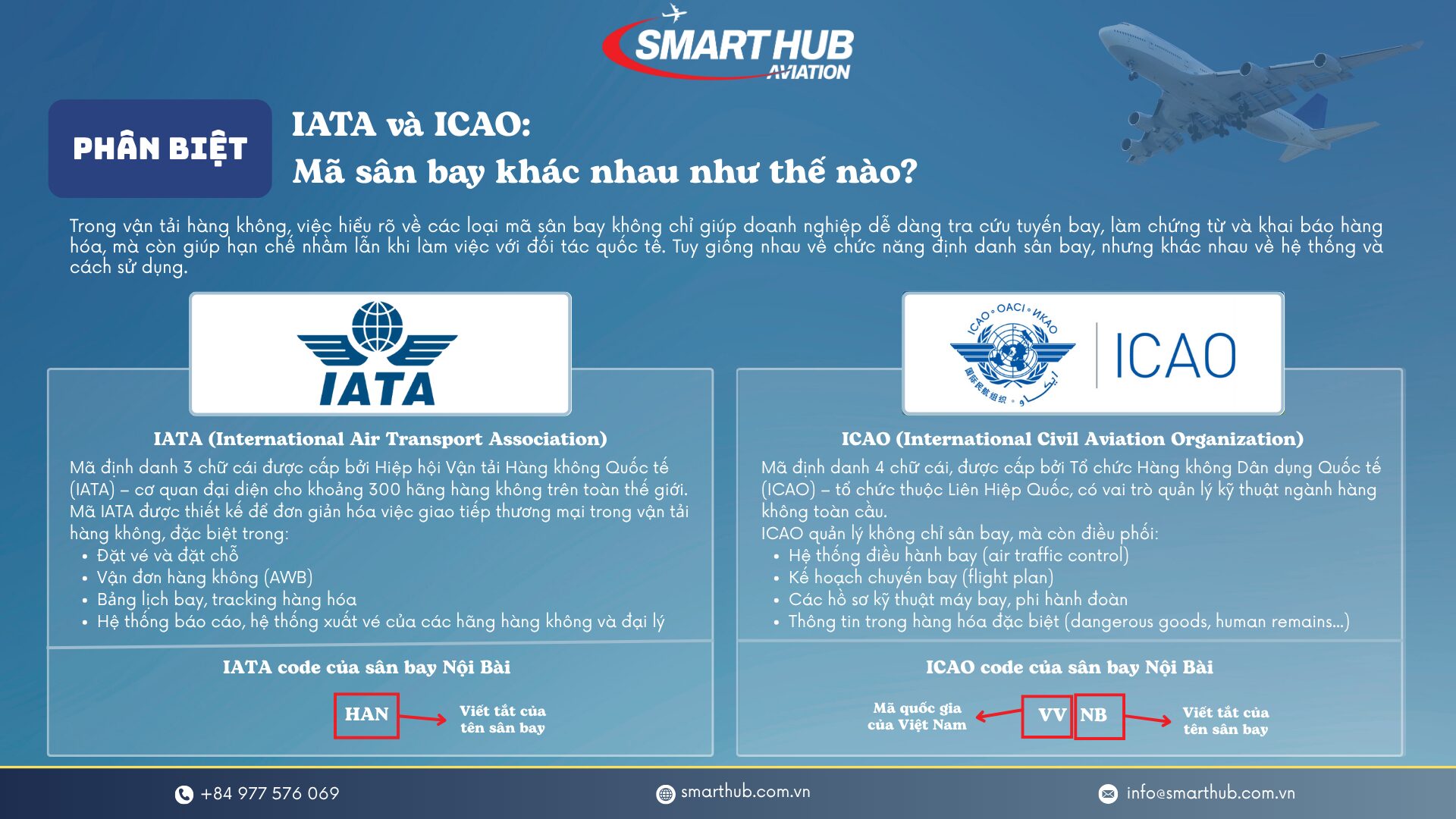
A frequent point of confusion for aviation enthusiasts and occasional travelers alike is the distinction between an airline's ICAO code and its IATA (International Air Transport Association) code. While both systems serve to identify the airline, they are administered by different organizations, target different audiences, and serve distinct commercial versus operational functions.
The following comparison details the core differences between the two identifier systems used by Alaska Airlines:
| Feature | ICAO Code | IATA Code |
|---|---|---|
| Designator Code | ASA | AS |
| Governing Body | International Civil Aviation Organization (ICAO) | International Air Transport Association (IATA) |
| Length | Three letters | Two characters (letters or numbers) |
| Primary Audience | Air traffic control, flight dispatchers, civil aviation authorities | Passengers, travel agents, ticketing systems, baggage handlers |
| Common Application | Flight planning, radar identification, AFTN messaging | Passenger reservations, boarding passes, flight status boards |
While passengers interact with the two-letter IATA code AS when booking a ticket on the airline's website or looking at a departure board at Seattle-Tacoma International Airport, aviation professionals rely on the three-letter ICAO code ASA to manage the physical flight path of the aircraft.
The Role of the ICAO Code in Flight Operations
The integration of the ASA code into daily airline operations touches nearly every department responsible for getting an aircraft safely from origin to destination. From the initial drafting of a flight plan to post-flight data analysis, the code ensures unambiguous communication among thousands of distinct aviation stakeholders.
Flight Planning and Air Traffic Control
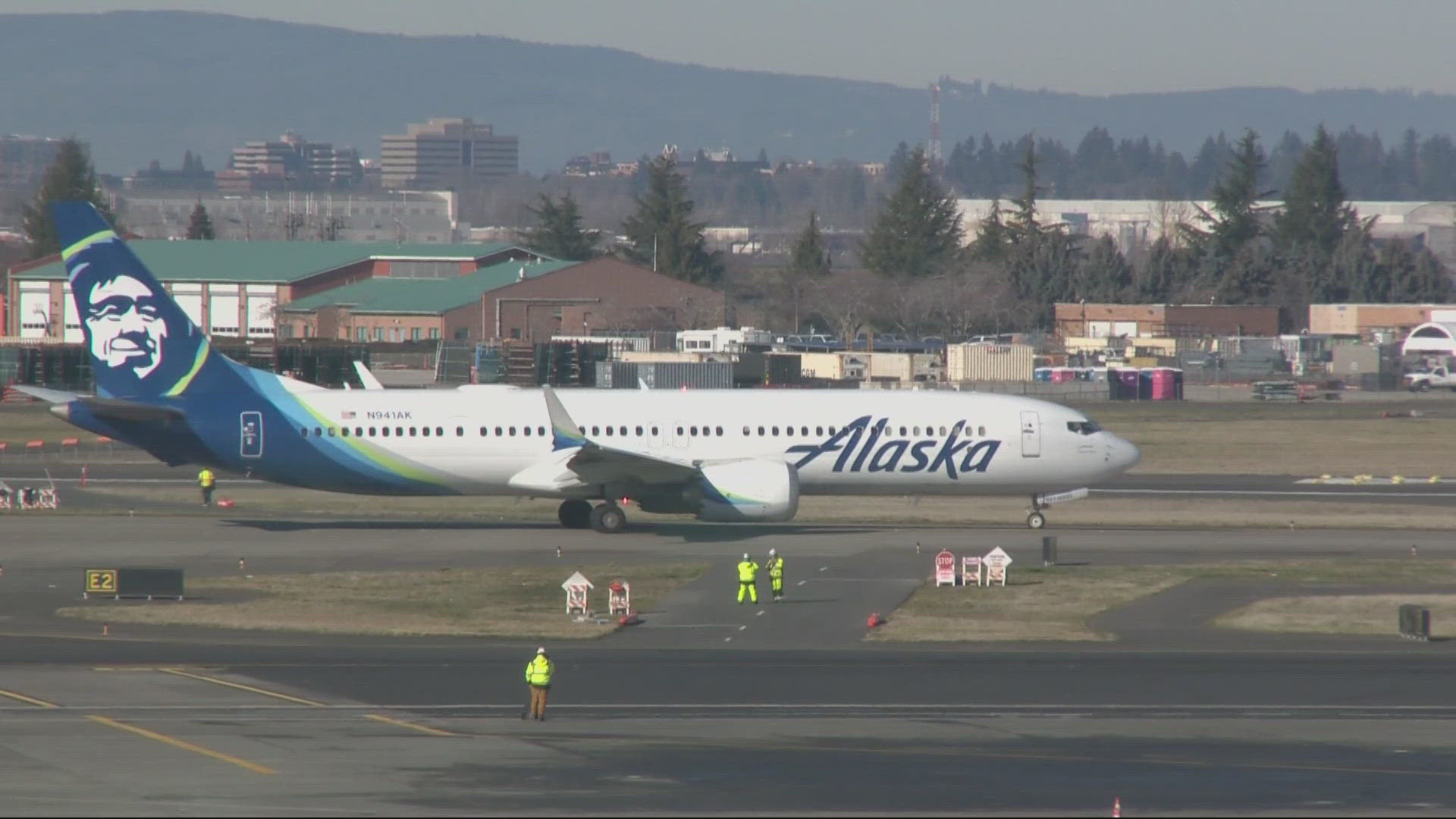
Hours before an Alaska Airlines Boeing 737 or Airbus A321neo pushes back from the gate, the airline's dispatchers file an official flight plan with national aviation authorities, such as the Federal Aviation Administration (FAA) in the United States or Nav Canada. This flight plan prominently features the ICAO code ASA followed by the specific flight number (for example, ASA123). Air traffic controllers use this string to tag the aircraft's radar return, issue route clearances, and hand off tracking responsibilities seamlessly from one sector controller to the next.
Meteorological and Aeronautical Messaging
Aeronautical weather reports, Notice to Air Missions (NOTAMs), and operational safety messages transmitted across global telecommunication networks rely on standardized abbreviations. The ASA designator ensures that messages regarding specific fleet movements, routing restrictions, or mechanical bulletins reach the correct airline operations center without confusion.
Historical Context and Evolution of Alaska Airlines
The use of standardized aviation codes evolved alongside the growth of commercial air transport following the Second World War. Alaska Airlines traces its corporate roots back to McGee Airways, founded in 1932, which later operated as Star Air Service before adopting the name Alaska Airlines in 1944.
As the airline grew from a localized bush carrier serving remote Alaskan communities into a major transcontinental and international network, its administrative and operational identifiers evolved to meet global standards. The establishment of the modern ICAO three-letter coding system provided the framework necessary for the carrier to integrate smoothly into computerized air traffic management systems as air traffic densities surged in the latter half of the 20th century. Today, the ASA code represents not only the legacy carrier itself but also encompasses operations managed under its corporate umbrella, following strategic corporate acquisitions such as the integration of Virgin America and subsequent fleet harmonization efforts.
Common Misconceptions and Troubleshooting
When dealing with aviation codes, several recurring points of confusion often arise among researchers, spotters, and aviation students. Recognizing these nuances helps prevent errors in flight tracking and data entry.
- Confusing IATA and ICAO on Flight Trackers: Popular third-party flight tracking applications and websites often accept both IATA and ICAO inputs, but entering "AS" instead of "ASA" can sometimes yield ambiguous results or pull up conflicting records from regional carriers worldwide that share a two-letter prefix. For precise tracking, using the three-letter ICAO code alongside the flight number is standard practice.
- Call Sign Versus Code: Novices frequently assume that the radio call sign must match the text of the ICAO code identically. While many airlines use their ICAO code as their call sign (or an abbreviation thereof), Alaska Airlines utilizes the full phonetic name ALASKA rather than spelling out "A-S-A" over voice communication channels.
- Subsidiary Operations: Major airlines frequently acquire regional partner airlines that operate under separate certificate numbers, ICAO codes, and call signs (such as Horizon Air or SkyWest operating flights on behalf of the mainline carrier). It is important to distinguish whether a specific flight leg is flown under the core ASA certificate or a regional partner's distinct ICAO designator.
Frequently Asked Questions
What is the three-letter ICAO code for Alaska Airlines?
The official ICAO code for Alaska Airlines is ASA. It is used primarily by air traffic control, flight dispatchers, and aviation authorities for flight planning and radar tracking.
How does the ICAO code differ from the IATA code for Alaska Airlines?
The ICAO code is a three-letter designation (ASA) utilized for operational and air traffic management purposes. In contrast, the IATA code is a two-character designation (AS) used primarily for commercial ticketing, passenger reservations, and airport displays.
What is the radio call sign used by Alaska Airlines pilots?
When communicating with air traffic control over voice radio frequencies, Alaska Airlines pilots use the telephony call sign ALASKA, rather than spelling out the letters of the ICAO code.
Can I use the ICAO code to track Alaska Airlines flights online?
Yes. Entering the ICAO code ASA combined with the specific flight number into professional aviation tracking databases or public flight-monitoring tools will accurately display the active flight's real-time trajectory, altitude, speed, and routing.
Who assigns airline ICAO codes?
Airline ICAO codes are officially assigned and maintained by the International Civil Aviation Organization, a specialized agency of the United Nations responsible for global aviation standards.
Conclusion and Practical Next Actions
The Alaska Airlines ICAO code—ASA—is a vital technical component of modern commercial aviation. While everyday passengers rarely encounter it outside of specialized aviation applications, it remains essential for the safe, orderly, and efficient movement of aircraft across domestic and international airspace. For those engaging in flight tracking, aviation research, or professional logistics planning, always verify whether an application requires the two-character commercial IATA code (AS) or the three-letter operational ICAO code (ASA) to ensure accurate data retrieval and flight identification.