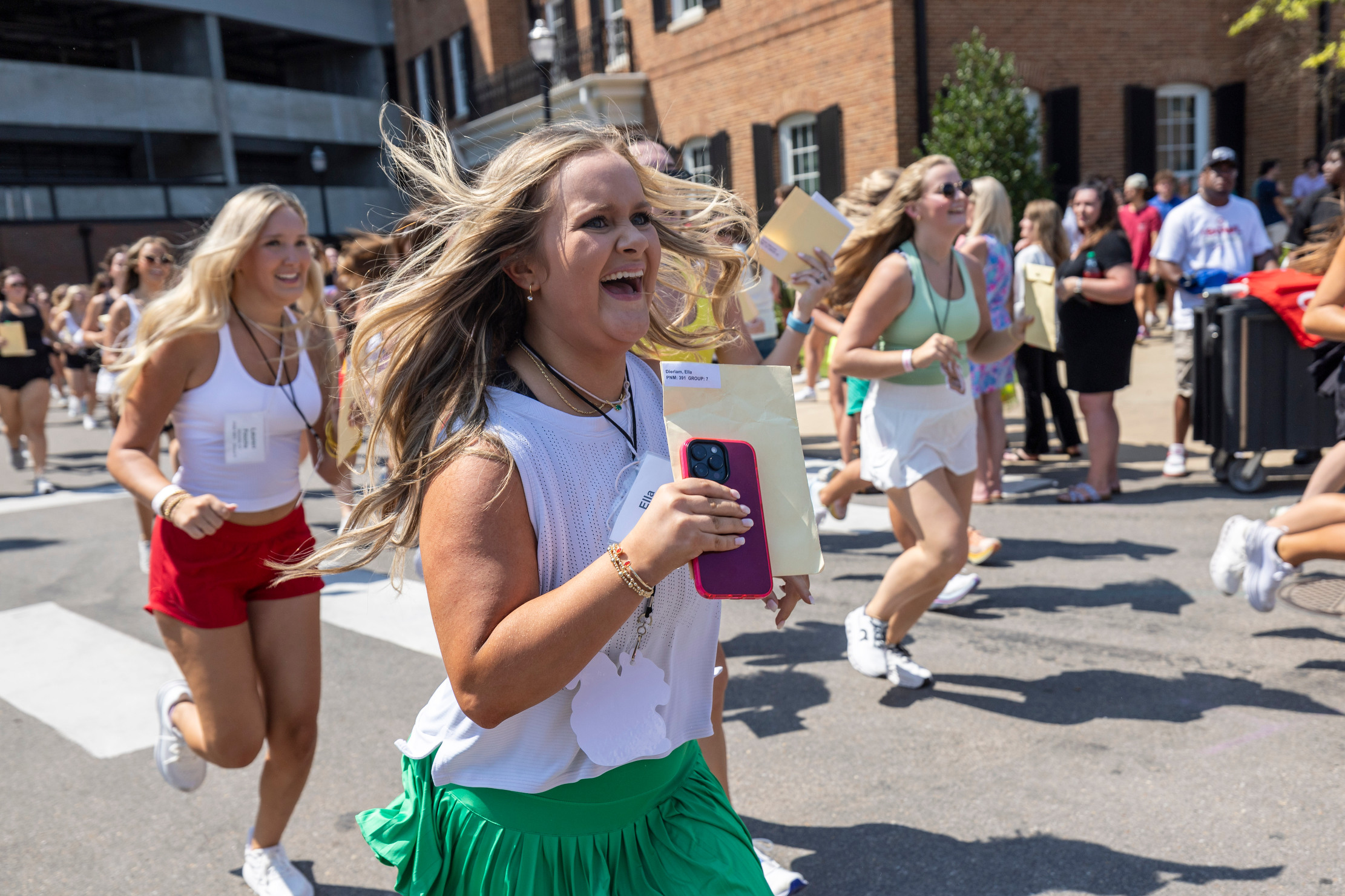
Alabama Rush Bid Day marks the final, highly anticipated culmination of the fall primary recruitment process at the University of Alabama, where prospective members receive their official chapter invitations and run home to their new sorority houses. This high-stakes, highly publicized event serves as the emotional and ceremonial climax of weeks of preparation, rounds of cuts, and mutual selections, drawing national media attention and massive public interest each year.
The Cultural Significance and Scale of Alabama Rush
The University of Alabama (UA) hosts one of the largest and most prominent Greek systems in the United States. Within higher education, the university's Panhellenic Association represents thousands of undergraduate women who participate annually in the competitive primary recruitment process, colloquially known as "Rush."
Unlike smaller institutions where recruitment may blend into campus life quietly, the Alabama recruitment process operates on a massive industrial scale. Thousands of potential new members (PNMs) arrive on the Tuscaloosa campus weeks before classes begin. They live in residence halls, navigate strict scheduling regimens, and participate in multi-round events designed to narrow down choices for both the chapters and the students.
The culmination of this exhaustive process is Bid Day. It is a cultural phenomenon that extends far beyond the borders of campus. In recent years, social media platforms—particularly TikTok and Instagram—have transformed Alabama Rush and Bid Day into viral phenomena, generating hundreds of millions of views. Observers, fashion enthusiasts, and prospective students tune in to watch the unfolding events, making Bid Day a defining cultural touchstone of modern collegiate lifestyle and media.
The Structure of Primary Recruitment Leading to Bid Day
To fully understand Bid Day, one must understand the structured mechanism that precedes it. The National Panhellenic Conference (NPC) governs the recruitment guidelines at UA, utilizing a structured, multi-round system that spans several days.
Registration and Academic Prerequisites
Participation in Alabama Rush is not open-ended. Potential new members must formally register through the UA Panhellenic portal, pay administrative registration fees, and meet specific academic benchmarks. Because academic standing is a foundational requirement for Greek life, chapters look closely at high school or college grade point averages (GPAs). While minimum GPA requirements exist for registration, individual chapters often maintain much higher internal thresholds for consideration.
The Rounds of Recruitment
Recruitment progresses through distinct, themed rounds where the mutual selection process narrows the field:
- Open House / Virtual Round: PNMs view video presentations or brief introductions to all participating Panhellenic chapters.
- Philanthropy Round: PNMs visit a reduced number of houses to learn about the charitable causes, community service initiatives, and philanthropic foundations supported by each chapter.
- Sisterhood Round: Invitations become more selective. PNMs visit houses to observe chapter dynamics, member interactions, and the day-to-day culture of the organization.
- Preference Round ("Pref"): The final and most solemn round. PNMs visit a maximum of two houses, attend deeply emotional preference ceremonies, and evaluate their final choices.
Following Preference Round, PNMs complete their Membership Recruitment Acceptance Binding Agreement (MRABA), ranking the chapters they would accept. Simultaneously, chapters submit their preference lists. A computer matching system aligns the choices, setting the stage for Bid Day distribution.
What Happens on Bid Day: The Mechanics and Schedule
Bid Day operates with military precision, managed jointly by the University of Alabama Office of Fraternity and Sorority Life and the Panhellenic Executive Board.
Distribution of Bids
On the morning of Bid Day, potential new members gather in a designated campus location—historically venues like Denny Chimes, the Ferguson Center, or athletic facilities—depending on logistical coordination. Rather than receiving physical bids in private, PNMs are typically handed a sealed envelope or card bearing the name of the sorority that has extended an invitation to membership.
Upon opening their envelopes and discovering their chapter assignment, new members traditionally run across campus lawns or designated gathering areas toward crowds of cheering active members.
The Run Home and Chapter Integration
Active members of each sorority wait at central campus areas holding customized banners, signs, and matching themed apparel. Once the new members locate their respective groups, they celebrate collectively before boarding transportation to their individual chapter houses on Sorority Row or around campus.
The remainder of Bid Day consists of:
- House Tours and Introductions: New members enter their chapter house together, meeting older members, leadership teams, and house directors.
- Themed Photo Sessions and Reveal Content: Chapters coordinate elaborate matching outfits, accessories, and props, capturing group photographs that frequently populate social media channels.
- Sisterhood Bonding Activities: The evening concludes with private dinners, icebreakers, and orientation sessions designed to integrate the new member class into the active chapter before classes begin.
Financial Considerations and Obligations
Accepting a bid on Bid Day initiates a legally and financially binding commitment between the student and the sorority, as well as the inter/national organization. Understanding these costs is critical for prospective members and their families.
Sorority financial obligations consist of several distinct fees:
- New Member Fees: One-time charges assessed during the first semester to cover badge orders, national insurance, and initiation costs.
- Dues: Recurring semester or annual fees that fund chapter operations, social events, programming, and national headquarters fees.
- In-House and Out-of-House Living Expenses: Many chapters require members to live in the sorority house for a specific year (typically sophomore year), which includes room and board costs comparable to or exceeding university housing rates.
- Meal Plans: Mandatory meal plans provided by the chapter chef or catering service for members living both in and out of the house.
| Expense Category | Estimated Range (Per Semester/Year) | Description |
|---|---|---|
| New Member Fees | $500 – $1,500 (One-time) | Covers national initiation, badge, and administrative processing. |
| Active Member Dues | $1,500 – $3,500 per semester | Funds chapter operations, philanthropy events, and social programming. |
| Live-In Room & Board | $5,000 – $9,000 per semester | Covers housing within the chapter facility and mandatory meal plans. |
| Out-of-House Fees | $2,000 – $4,000 per semester | Reduced dues for members living off-campus, including partial meal plans. |
Note: Figures vary significantly by individual chapter, national fees, and inflation adjustments. Official financial disclosure sheets are provided to PNMs during the recruitment process in compliance with NPC guidelines.
Common Misconceptions and Realities of Alabama Rush
Public perception of Alabama Rush and Bid Day is heavily shaped by viral media, television documentaries, and fictionalized depictions. However, several aspects of the process are frequently misunderstood.
The Myth of Guaranteed Placement
A common misconception is that registering for recruitment guarantees every participant will receive a bid. Because the number of PNMs frequently exceeds available spaces across the participating Panhellenic chapters, some participants may be released from the process ("suiciding" or running out of options due to strict ranking strategies), or they may not receive an invitation from their preferred chapters. Panhellenic counselors (Gamma Chis or Rho Chi counselors) work closely with students to manage expectations and provide alternatives, such as Continuous Open Bidding (COB).
The Reality of Rigorous Scheduling
While social media highlights the glamorous clothing and celebratory atmosphere of Bid Day, the preceding week is physically and mentally demanding. PNMs endure long days starting early in the morning, walking across campus in high temperatures, standing for hours, and engaging in continuous conversation. Maintaining academic perspective and emotional resilience is essential for navigating the schedule.
Frequently Asked Questions
What happens if a potential new member does not receive a bid on Bid Day?
If a PNM is released during recruitment or does not match with a chapter on Bid Day, options remain available. The Panhellenic Association facilitates Continuous Open Bidding (COB) later in the semester for chapters that have not reached total campus quota. Additionally, some students choose to participate in informal recruitment or explore other campus organizations, student government, or service groups.
Can upperclassmen participate in Alabama Rush?
Yes, sophomores, juniors, and even seniors are legally eligible to participate in primary recruitment. However, upperclassmen face unique challenges. Chapters often give preference to incoming freshmen for building a four-year membership pipeline, meaning upperclassmen must demonstrate exceptional academic records, campus involvement, and clear reasons for rushing later in their college careers.
Are the clothing and outfit requirements mandatory for Bid Day?
While the Panhellenic Association provides general guidelines regarding comfort and weather appropriateness, individual chapters coordinate specific themes, colors, and attire for Bid Day. Active chapters typically provide guidelines or specific items (such as matching t-shirts or jerseys) to new members upon arrival at the house to ensure visual uniformity for group celebrations and photographs.
What is the MRABA and why is it binding?
The Membership Recruitment Acceptance Binding Agreement is a legal contract signed by the PNM immediately following the final preference round. By signing the MRABA, the student agrees to accept a bid from any chapter they have listed on their preference card. If a student receives a bid from a chapter they ranked and declines it, they are ineligible to join any other Panhellenic sorority on that campus for one calendar year.
How does the computer matching system work?
The NPC utilizes a sophisticated, centralized algorithmic matching system. It matches the preferences of the PNM with the prioritized preference lists submitted by the chapters. The system prioritizes the student's choices, ensuring that if a student lists a chapter first and that chapter ranks the student within their quota, a match is automatically generated.
Practical Next Actions for Prospective Participants
For students preparing to participate in future recruitment cycles at the University of Alabama, thorough preparation is paramount. Begin by verifying academic transcripts and securing letters of recommendation if required by specific chapters, though many national organizations have moved toward self-reputation and holistic review. Monitor official announcements from the University of Alabama Office of Fraternity and Sorority Life regarding registration windows, housing move-in dates, and Panhellenic orientation schedules. Approach the process with an open mind, maintain realistic expectations, and prioritize personal well-being amidst the rigorous schedule to ensure a successful recruitment experience.