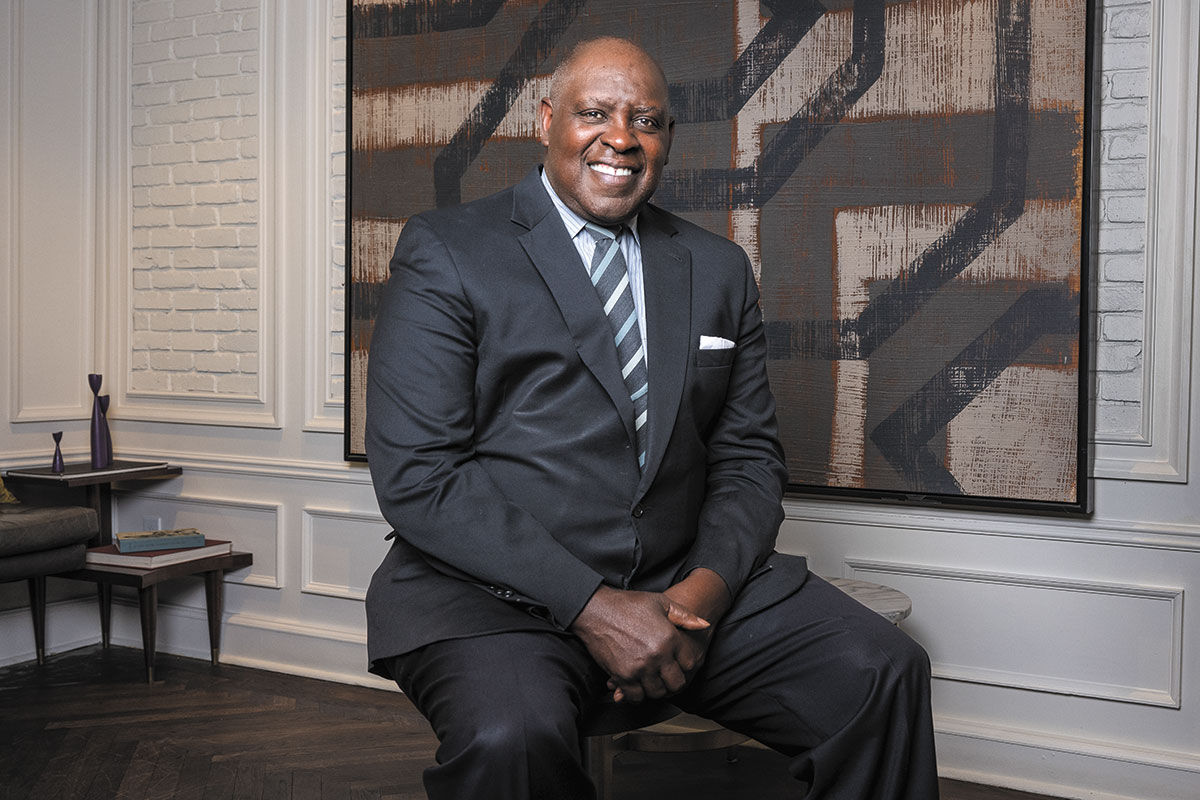
As of 2026, the estimated net worth of the estate of Al Quinn (born Alcuin Pastrano), the legendary Filipino director and choreographer, is valued between $1 million and $5 million. While precise financial records of private estates remain confidential, this valuation reflects his sixty-year career as a dominant force in Philippine television, film, and live events, alongside his intellectual property and real estate holdings.
Understanding the Identity: Al Quin vs. Al Quinn
When searching for "Al Quin director," it is essential to clarify that this refers to Al Quinn, a titan of the Philippine entertainment industry. Born Alcuin Pastrano, he adopted the stage name Al Quinn and became synonymous with the "Golden Age" of Philippine variety television.
To explain his net worth in 2026, one must look beyond a simple bank balance. In the world of high-stakes entertainment production, a director’s wealth is built through a combination of upfront talent fees, production house partnerships, and long-term residency in major television networks. Al Quinn was not merely an employee; he was a foundational architect of the entertainment landscape in Southeast Asia.
The Foundations of a Multi-Million Dollar Career
Al Quinn’s financial journey began not in the director’s chair, but on the dance floor. His early career as a choreographer in the 1950s and 60s allowed him to build a unique "double-threat" skill set. In the entertainment economy, individuals who can handle both the technical aspects of camera blocking and the creative nuances of choreography are rare and highly compensated.
The Variety Show Boom
During the 1970s and 80s, Quinn directed some of the highest-rated programs in Philippine history, including the iconic "Student Canteen." At its peak, "Student Canteen" was the primary vehicle for advertising revenue in the country. For a director, this meant not only a substantial salary but also significant leverage in contract negotiations. Industry insiders from that era suggest that top-tier directors like Quinn commanded fees that were several times the national average for executive positions.
The sustainability of his net worth was bolstered by his ability to move across networks. Whether working with ABS-CBN, GMA Network, or TV5, Quinn remained a "prestige hire." This constant demand ensured a steady cash flow for over half a century, a feat rarely achieved in the volatile world of show business.
Revenue Streams: Beyond the Director’s Chair
To understand how Al Quinn’s net worth reached the seven-figure mark in USD, we must analyze his diverse revenue streams. He was not a one-dimensional professional; he was a multi-disciplinary brand.
1. Pageantry and Live Spectacles
Al Quinn was the go-to director for the Binibining Pilipinas beauty pageant for decades. In the Philippines, beauty pageants are a national obsession, comparable to the Super Bowl in the United States. The production budget for these events is massive, and the director's fee for such a high-profile, live-to-air broadcast is substantial. Quinn's expertise in handling the logistical nightmare of live pageantry made him indispensable, allowing him to set premium rates for his services.
2. Film Direction and Choreography
While he is best known for television, Quinn directed and choreographed numerous films during the 1960s and 70s. During this era, the Philippine film industry was prolific, and directors often received "points" or bonuses based on box office performance in addition to their base pay. His work with stars like Nora Aunor and Vilma Santos placed him at the center of a lucrative ecosystem.
3. Production Consulting
In his later years, Quinn transitioned into a senior statesman role, serving as a consultant for major networks. Consulting fees for a director of his caliber are often structured as monthly retainers, providing a stable financial floor even when he was not actively directing a daily show. This transition is a common strategy for high-net-worth individuals in entertainment to maintain their wealth while reducing physical labor.
The Valuation of Intellectual Property and Estate in 2026
By 2026, the financial discussion surrounding Al Quinn has shifted from active income to estate valuation. When a legendary director passes away (as Quinn did in late 2020), their net worth is transitioned into an estate managed by heirs or executors.
Real Estate Assets
Like many successful entertainers of his generation, Quinn invested heavily in real estate. It is widely reported within industry circles that he maintained residences in affluent areas of Metro Manila. Given the appreciation of Philippine real estate over the last two decades, these properties likely constitute a significant portion of the $1M - $5M valuation. In 2026, prime real estate in Quezon City or Makati has reached record highs, further inflating the value of established estates.
Legacy and Royalties
While the Philippine entertainment industry has historically had different royalty structures than Hollywood’s SAG-AFTRA or DGA models, the digital age has changed the math. The digitization of classic TV shows and films for streaming platforms (such as iWantTFC or YouTube) has created a new, albeit modest, stream of residual income for the creators of that content. As the director of hundreds of hours of classic footage, Quinn’s estate remains relevant in the licensing landscape of 2026.
Comparative Analysis of Professional Impact
To provide a clearer picture of how Al Quinn's career translates to financial status, we can compare the different "eras" of his professional life and their corresponding economic impact.
| Career Phase | Primary Focus | Estimated Economic Impact | Financial Milestone |
|---|---|---|---|
| The Formative Era (1950s-60s) | Choreography & Dance | Moderate | Established "Al Quinn" as a premium brand in Manila. |
| The Variety Era (1970s-80s) | Television Directing | Very High | Reached peak earning potential through "Student Canteen." |
| The Pageant Era (1990s-2010s) | Live Mega-Events | High | Secured long-term contracts with Binibining Pilipinas. |
| The Legacy Era (2020s-2026) | Estate & IP Management | Stable | Valuation driven by real estate and digital archive licensing. |
The Technical Expertise Factor
A significant reason Al Quinn was able to command such high fees—and thus accumulate a high net worth—was his technical mastery. He was a pioneer in multi-camera directing in the Philippines. Before the advent of modern digital switchers and automated systems, directing a live variety show required a director to "edit in real-time," calling shots across 4 to 6 cameras with split-second precision.
This technical skill made him a low-risk hire for networks. In television, "dead air" or technical glitches result in lost advertising revenue. Quinn’s reputation for "clean" live broadcasts made him a financial asset to the networks, justifying his high compensation. He saved networks money by preventing errors, and he was paid a premium for that security.
Common Misconceptions About Celebrity Net Worth
When analyzing Al Quinn’s net worth, many fans often confuse "fame" with "liquid cash." It is important to distinguish between the two:
- Net Worth is Total Assets: This includes houses, cars, investments, and the value of a business/production company, minus any liabilities.
- Cash Flow vs. Wealth: Quinn may not have had millions in a checking account at all times, but his equity in properties and his professional reputation (which allowed for high-fee contracts) created a high net worth.
- Inflation Adjustment: In 2026, $1 million does not have the same purchasing power it had in 1980. However, because Quinn’s assets (real estate) grew with inflation, his net worth remained robust.
Frequently Asked Questions
What was Al Quinn's most lucrative project?
While "Student Canteen" provided the longest-running stable income, his work directing the Binibining Pilipinas pageants and major international concerts (such as those for the Jackson 5 or other visiting stars in the Philippines) likely provided the highest "per-project" payouts. These international-standard productions required a level of expertise that only a few directors in the country possessed.
Did Al Quinn own a production company?
Yes, throughout his career, Quinn often operated through his own production entities or worked as a high-level partner with major studios. Operating as a corporation rather than an individual employee is a standard financial move for high-earning directors to manage taxes and overhead costs effectively.
How did his passing in 2020 affect his net worth?
Upon his passing, his liquid assets, properties, and intellectual property rights were consolidated into his estate. In 2026, the value of this estate is influenced by the management of these assets and the appreciation of his real estate holdings. Historically, the "brand value" of a legendary director can also lead to posthumous awards and tributes that maintain the family’s social and financial standing in the industry.
Why is there a range ($1M - $5M) for his net worth?
Range estimates are used because private individuals are not required to disclose their full asset portfolios. The lower end ($1M) accounts for a conservative valuation of real estate and savings, while the higher end ($5M) includes the potential valuation of a large library of intellectual property, high-value art or memorabilia, and prime commercial/residential real estate in Metro Manila.
Is "Al Quin" the same person as "Alcuin Pastrano"?
Yes. Alcuin Pastrano is his legal birth name. He adopted "Al Quinn" as a professional moniker early in his career to better suit the entertainment industry's naming conventions of the time. Most legal and financial documents related to his estate would likely use his legal name or a combination of both.
Conclusion and Final Recommendation
Al Quinn’s net worth in 2026 is a testament to a life spent at the pinnacle of the Philippine entertainment industry. He managed to navigate the transition from the analog era of the 1950s to the digital boom of the 21st century without ever losing his relevance. His wealth was built on three pillars: technical indispensability, diversified income streams, and smart real estate investment.
For those researching the financial trajectory of creative professionals, Al Quinn serves as a primary case study in "career longevity." To build a similar legacy, professionals should focus on mastering technical skills that networks cannot easily replace and investing in tangible assets that appreciate over time, such as property and intellectual rights.