As of 2026, Akina Nakamori’s net worth is estimated to be between $15 million and $25 million. This valuation reflects her four-decade career as a premier J-pop "diva," substantial royalties from a catalog of over 20 number-one hits, and her successful 2022-2024 professional relaunch under her independent management agency, HZ Village.
Akina Nakamori remains one of the most enigmatic and influential figures in the history of Japanese popular music. Often referred to as the "Eternal Idol" or the "Queen of Tragedy," her career has been a rollercoaster of record-breaking success, personal tribulation, and remarkable resilience. To understand her financial standing in 2026, one must look beyond simple bank balances and examine the structural shifts in the Japanese music industry, the long-term value of intellectual property from the Showa era, and her strategic transition into independent management.
The Foundation of Wealth: The Golden Age of the 1980s
The majority of Akina Nakamori’s core wealth was generated during the 1980s, a period often referred to as the "Golden Era of Idols." After debuting in 1982 with "Slow Motion," Akina quickly ascended to the top of the Oricon charts. Between 1982 and 1989, she achieved a level of commercial dominance that few artists in history have matched.
During this decade, Nakamori secured 21 number-one singles and multiple record-breaking albums. Her financial success during this time was driven by three primary streams:
- Physical Media Sales: In the 1980s, Japan’s music market was almost entirely physical. Akina’s albums and singles sold millions of copies at premium price points. While the "idol system" in Japan often favored agencies over artists regarding profit distribution, Nakamori’s sheer volume of sales allowed her to negotiate more favorable terms than her peers as she matured into a "diva" status.
- The Japan Record Awards: Nakamori won the Grand Prix at the Japan Record Awards for two consecutive years (1985 for "Meu amor é..." and 1986 for "DESIRE -情熱-"). These accolades were not just prestigious; they significantly boosted her "guaranteed appearance fee" (gyara) for television and live performances.
- Endorsements and CMs: In the 1980s, Nakamori was a top choice for commercial endorsements. Japanese "CM" (commercial) contracts for top-tier stars often reached tens of millions of yen for a single campaign.
The Transition to Independence and Management Challenges
A significant factor in the fluctuation of Akina Nakamori’s net worth over the decades has been her management history. Unlike many of her contemporaries who stayed with large, protective agencies for their entire careers, Nakamori’s path was marked by a desire for creative control, which led to several high-profile shifts in management.
In the early 1990s, following her departure from the powerhouse agency Ken-On, Nakamori faced a series of professional setbacks. The transition from a major agency to smaller, independent setups often meant higher overhead costs and the loss of the massive promotional machines that drive high-margin revenue. During the late 1990s and early 2000s, while she continued to release music and tour, her net worth likely stabilized rather than grew exponentially, as much of her income was diverted to maintaining her own operations and legal fees associated with management disputes.
However, this independence also meant that she eventually retained a larger percentage of her "back-end" earnings. By the time the Japanese music industry began shifting toward digital distribution and streaming, Nakamori was in a position to benefit more directly from her legacy projects.
The "HZ Village" Era: The 2022-2026 Comeback
The most significant recent development affecting Nakamori’s financial status was the 2022 announcement of her new personal office, HZ Village. This move signaled her official return to the industry after a lengthy hiatus due to health issues.
From a financial perspective, the HZ Village era represents a modern "D2C" (Direct-to-Consumer) model. By bypassing major traditional agencies, Nakamori has been able to:
- Maximize Fan Club Revenue: Her official fan club, "ALDEA," provides a steady, predictable stream of income through membership fees and exclusive merchandise.
- Leverage Digital Platforms: Nakamori’s YouTube channel, launched as part of her comeback, has amassed millions of views. In 2026, ad revenue from her classic performances and new "recording room" sessions provides a passive income stream that did not exist during her peak years.
- Curate Legacy Releases: Nakamori has been actively involved in the remastering and re-releasing of her classic albums. In the Japanese market, high-quality "UHQCD" or vinyl reissues of Showa-era classics command high prices and appeal to a wealthy, aging demographic of loyal fans.
Estimated Revenue Streams in 2026
To provide a clearer picture of how a legendary artist like Akina Nakamori maintains a multi-million dollar net worth, we can categorize her 2026 income sources.
| Revenue Category | Estimated Impact | Description |
|---|---|---|
| Music Royalties | High | Ongoing payments from streaming (Spotify, Apple Music Japan) and physical sales of her extensive 40-year catalog. |
| Fan Club (ALDEA) | Medium-High | Annual membership fees and exclusive content subscriptions from a dedicated global fanbase. |
| Merchandising | Medium | High-end commemorative goods, limited edition vinyl, and fashion-related collaborations. |
| Digital Media | Medium | YouTube ad revenue and digital performance rights for televised retrospective specials. |
| Publishing Rights | Low-Medium | While primarily a performer, she has credits on various arrangements and selections that contribute to her publishing income. |
Comparative Financial Standing: Akina vs. The "Big Two"
In the history of J-pop, the 1980s were defined by the rivalry between Akina Nakamori and Seiko Matsuda. When discussing net worth, fans often compare the two. While Seiko Matsuda has maintained a more consistent public presence and a higher volume of commercial endorsements, Nakamori’s financial profile is characterized by its resilience.
While Seiko may have a higher nominal net worth due to her continuous activity in the 1990s and 2000s, Nakamori’s wealth is bolstered by the "scarcity factor." Because her public appearances are rare, any new product or performance she releases carries a significant premium. Her fans are known for their extreme brand loyalty, often spending more per capita on memorabilia than fans of more accessible artists.
The Impact of the Showa-Era Revival
A major tailwind for Nakamori’s net worth in 2026 is the global "City Pop" and Showa-era revival. What began as an internet subculture has transformed into a legitimate revenue driver for Japanese heritage artists.
Akina’s music, particularly her more sophisticated "urban" tracks from albums like BITTER AND SWEET or CRIMSON, has found a new audience among Gen Z and international listeners. This resurgence has led to:
- International Licensing: Her music appearing in international films, documentaries, and fashion shows.
- Streaming Growth: A significant portion of her monthly listeners now comes from outside Japan, expanding her royalty base beyond the domestic market.
- Brand Synergy: High-end Japanese brands frequently use her 80s aesthetic for "retro-modern" marketing campaigns, requiring image licensing fees.
Factors Influencing Future Wealth
As Nakamori approaches the latter stages of her career, several factors will determine whether her net worth continues to grow or plateaus:
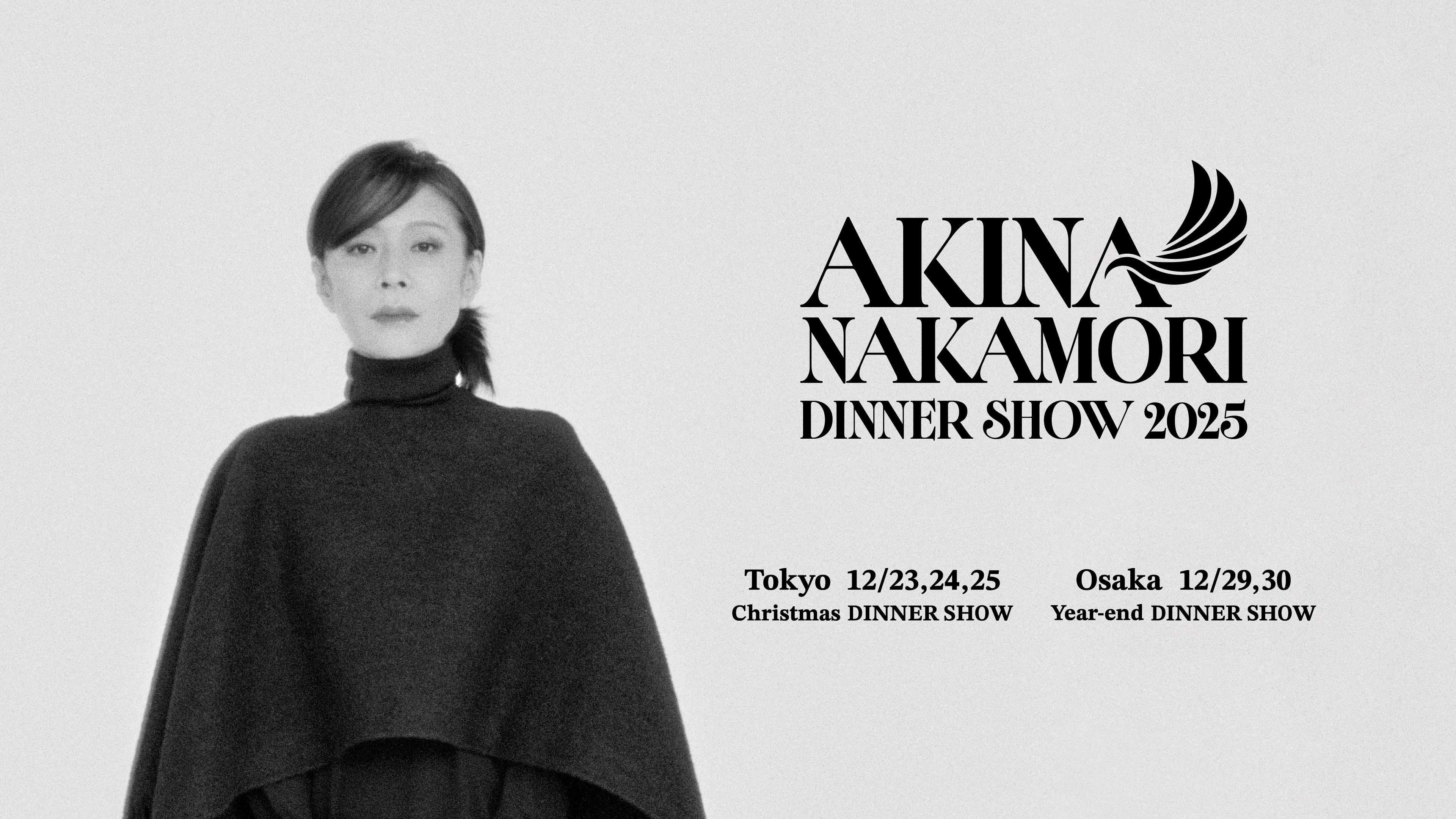
- Health and Performance Capability: Her ability to perform live, even in limited "dinner show" formats, remains her highest potential earner. Historically, Nakamori's dinner shows were among the most expensive tickets in Japan, often selling out instantly at prices exceeding 50,000 JPY.
- Management of the "Akina Brand": The strategic use of her likeness in digital formats (such as NFTs or digital avatars) could provide new revenue, though she has historically been conservative with her image.
- Asset Management: Like many high-net-worth individuals in Japan, a significant portion of her wealth is likely held in private real estate and diversified investments, shielded from public scrutiny.
Understanding the "Idol Salary" System
It is important for international readers to understand that "Net Worth" in the Japanese entertainment industry works differently than in Hollywood. In the 1980s, most idols were on a fixed monthly salary regardless of how many records they sold.
As Nakamori became a superstar, she moved into a "percentage" (buai) system. This transition is why she was able to amass a fortune while many of her contemporaries from the same era retired with relatively modest savings. Her move to independent management was the final step in ensuring she captured the maximum possible value from her creative output.
Frequently Asked Questions
Is Akina Nakamori the richest J-pop singer?
No, she is not the richest. Artists like Masaharu Fukuyama, Namie Amuro (who retired with an estimated $100M+), and her rival Seiko Matsuda generally hold higher net worths due to more consistent commercial activity over four decades. However, Akina remains in the top tier of solo female artists from the 20th century.
How did her hiatus affect her wealth?
The hiatus certainly slowed the growth of her net worth, as she was not touring or releasing new material. However, her core wealth remained protected through royalties and previous investments. The launch of HZ Village in 2022 was specifically designed to revitalize her financial and professional standing.
Does she own the rights to her songs?
In the Japanese music system, the master recording rights are usually owned by the record label (Warner Music Japan or Universal Music), while the management agency handles the artist's likeness. Nakamori receives "performer royalties." However, through HZ Village, she now has much greater control over how those rights are licensed for new projects.
What is her most profitable song?
"DESIRE -情熱-" and "Second Love" are likely her most profitable tracks. "Second Love" remains a karaoke staple in Japan, providing a continuous stream of performance royalties (JASRAC fees) that accumulate significantly over decades.
How has her YouTube channel impacted her net worth?
Since its launch, her channel has provided a new, direct revenue stream. By releasing "Self-Cover" versions of her hits, she creates new master recordings that she (through HZ Village) owns more substantial rights to, compared to the original 1980s recordings.
Practical Next Actions for Fans and Researchers
If you are interested in supporting Akina Nakamori’s professional longevity and contributing to her career's financial health, consider the following:
- Direct Support: Join the official fan club, ALDEA, via her official website. This is the most direct way to ensure your contributions reach the artist's management.
- Official Streaming: Listen to her music via official platforms like Spotify, Apple Music, or her official YouTube channel rather than unofficial uploads.
- Physical Media: Purchase the remastered UHQCD or vinyl reissues released by Warner Music Japan and Universal Music. These are high-value items that contribute significantly to her royalty reports.
- Stay Informed: Follow only the official HZ Village communications to avoid scams or unofficial merchandise that does not benefit the artist.
Akina Nakamori’s net worth in 2026 is a testament to the enduring power of her artistry. Despite personal and professional hurdles, she has managed to maintain the status of a financial and cultural powerhouse in the Japanese entertainment landscape.