In 2026, air heat—technically known as air-source heat pump (ASHP) technology—has become the primary solution for residential heating and cooling across the United States. By transferring thermal energy between the indoor and outdoor air rather than generating heat through combustion, these systems offer high-efficiency climate control that aligns with modern electrification goals and federal tax incentives.
The landscape of American home heating has undergone a seismic shift over the last decade. What was once considered a niche technology suitable only for the temperate climates of the American South is now the standard for new construction and retrofits from Maine to Washington State. As of 2026, "air heat" represents a convergence of environmental policy, technological breakthroughs in cold-climate performance, and a fundamental change in how American homeowners calculate long-term energy value.
Understanding the Technology: How Air Heat Works
To understand the rise of air heat in America, one must first understand the mechanical process of an air-source heat pump. Unlike a traditional gas furnace or electric baseboard heater, a heat pump does not "create" heat. Instead, it moves it. Even in cold winter air, there is a significant amount of thermal energy available.
The system operates on a refrigeration cycle. In the winter, the outdoor unit absorbs heat from the outside air using a refrigerant. This refrigerant is compressed, which significantly increases its temperature. The hot gas then travels to the indoor unit, where a fan blows air over the coils, distributing warmth throughout the home. In the summer, the process reverses: the system extracts heat from the indoor air and pumps it outside, acting as a highly efficient air conditioner.
The efficiency of this process is measured by the Coefficient of Performance (COP). While a high-efficiency gas furnace might reach a 95% efficiency rating (meaning 5% of the fuel is wasted), an air-source heat pump can achieve COPs of 3.0 to 4.0. This means for every one unit of electricity used, the system delivers three to four units of heat. In 2026, advanced "hyper-heat" or cold-climate heat pumps (CCHPs) maintain high efficiency even when outdoor temperatures drop well below zero degrees Fahrenheit.
The Regional Evolution of Heat Pumps in the U.S.
The adoption of air heat in America is not uniform; it is a story of regional adaptation and solving specific environmental challenges.
The Southern Stronghold
For decades, the American South and Southeast (regions like Florida, Georgia, and the Carolinas) have led the nation in heat pump installations. In these regions, where winters are mild and cooling demands are high, the dual-purpose nature of the heat pump made it a logical choice. In 2026, nearly 70% of new homes in these regions utilize air-source heat pumps. The primary focus here remains on the SEER2 (Seasonal Energy Efficiency Ratio 2) rating, which measures cooling efficiency.
The Northern Breakthrough
The most significant growth in recent years has occurred in the "Heating Belt"—the Northeast and Midwest. Previously, homeowners in states like Minnesota or Vermont avoided air heat because older models lost efficiency as temperatures neared freezing. However, the Department of Energy’s Residential Cold Climate Heat Pump Challenge, which concluded its primary phase in recent years, has resulted in widespread availability of units that provide 100% heating capacity at -5°F and continue to operate at -22°F.
In these colder regions, the "dual-fuel" or hybrid approach is a common transitional strategy. This involves pairing an air-source heat pump with a high-efficiency gas furnace that only kicks in during the most extreme "polar vortex" events. By 2026, however, many homeowners are opting for "all-electric" setups with electric backup strips, confident in the improved reliability of modern CCHPs.
Financial Incentives and the Inflation Reduction Act of 2022
The financial viability of air heat in America was permanently altered by the Inflation Reduction Act (IRA). As we navigate 2026, these incentives have reached a mature stage of implementation, making heat pumps more affordable than traditional fossil fuel systems for many households.
- The Energy Efficient Home Improvement Credit (Section 25C): Homeowners can claim a federal tax credit of 30% of the total project cost for an air-source heat pump, capped at $2,000 per year. Because this credit resets annually, many Americans are phasing their home upgrades—installing a heat pump one year and upgrading their electrical panel the next to maximize the credit.
- HEEHRA Rebates (High-Efficiency Electric Home Rebate Act): These state-administered rebates provide point-of-sale discounts for low- and moderate-income households. Depending on the state and household income level, a family could receive up to $8,000 off the cost of a heat pump installation.
- Local Utility Programs: Beyond federal aid, many municipal utilities offer "peak-shaving" incentives. These programs provide monthly bill credits to homeowners who allow the utility to slightly adjust heat pump settings during times of extreme grid demand.
The U.S. Department of Energy provides updated calculators to help homeowners determine which of these specific 2026 incentives apply to their zip code and income level.
Technical Specifications: What Homeowners Should Look For
When evaluating "air heat" systems in 2026, the terminology has shifted toward more rigorous testing standards. Understanding these metrics is essential for ensuring the system is correctly sized for the local climate.
- HSPF2 (Heating Seasonal Performance Factor 2): This is the most critical metric for heating efficiency. It accounts for the variable speeds of modern compressors and the fluctuations in outdoor temperatures. In 2026, a "high-efficiency" rating is generally considered anything above 9.0 HSPF2.
- SEER2: This remains the standard for cooling. High-end units now frequently exceed 20 SEER2, offering significantly lower electricity bills during American summers compared to the 13 or 14 SEER units common a decade ago.
- Inverter Technology: Unlike traditional "single-stage" systems that are either 100% on or 100% off, inverter-driven compressors can modulate their speed. This allows the system to maintain a precise temperature with minimal energy, similar to how a dimmer switch works for a light bulb.
- BTU Sizing and Manual J: A "one-size-fits-all" approach leads to short-cycling (turning on and off too frequently), which ruins efficiency. Professional installers in 2026 use a Manual J load calculation to determine the exact British Thermal Units (BTUs) required based on the home’s insulation, window quality, and square footage.
Comparing Heating Solutions in America (2026)
The following table compares the three most common heating methods currently used in American residential properties.
| Feature | Air-Source Heat Pump | Natural Gas Furnace | Electric Resistance Heat |
|---|---|---|---|
| Primary Energy Source | Electricity | Natural Gas / Propane | Electricity |
| Operational Method | Heat Transfer (Moving heat) | Combustion (Burning fuel) | Resistance (Heating coils) |
| Average Efficiency | 300% - 400% (COP 3.0+) | 80% - 98% (AFUE) | 100% |
| Environmental Impact | Low (Zero on-site emissions) | High (Carbon combustion) | Moderate (Depends on grid) |
| Cold Weather Performance | Excellent (with CCHP units) | Superior (Steady high heat) | Consistent but Expensive |
| Average Installation Cost | $12,000 - $22,000 | $5,000 - $10,000 | $1,000 - $4,000 |
| 2026 Federal Incentives | Up to $2,000 Tax Credit + Rebates | Minimal to None | None |
| Life Expectancy | 15 - 20 Years | 15 - 25 Years | 20 - 30 Years |
Installation Considerations and Common Challenges
While the benefits of air heat are substantial, the transition is not without its hurdles. In 2026, the American HVAC industry is still working through several logistical challenges.
Electrical Infrastructure
Many older American homes (built before 1980) have 100-amp electrical service. A modern whole-home air-source heat pump, especially one with electric backup "heat strips," often requires a 200-amp service upgrade. This can add $2,000 to $5,000 to the total project cost. Fortunately, the IRA also provides tax credits for these panel upgrades.
Ductwork Integrity
Heat pumps move a larger volume of air at a lower temperature than gas furnaces. If a home's existing ducts are too small or leak significantly, the heat pump will struggle to distribute air effectively. A comprehensive installation in 2026 usually includes a duct leakage test and, if necessary, sealing with aerosol-based sealants.
The "Fossil Fuel" Comfort Gap
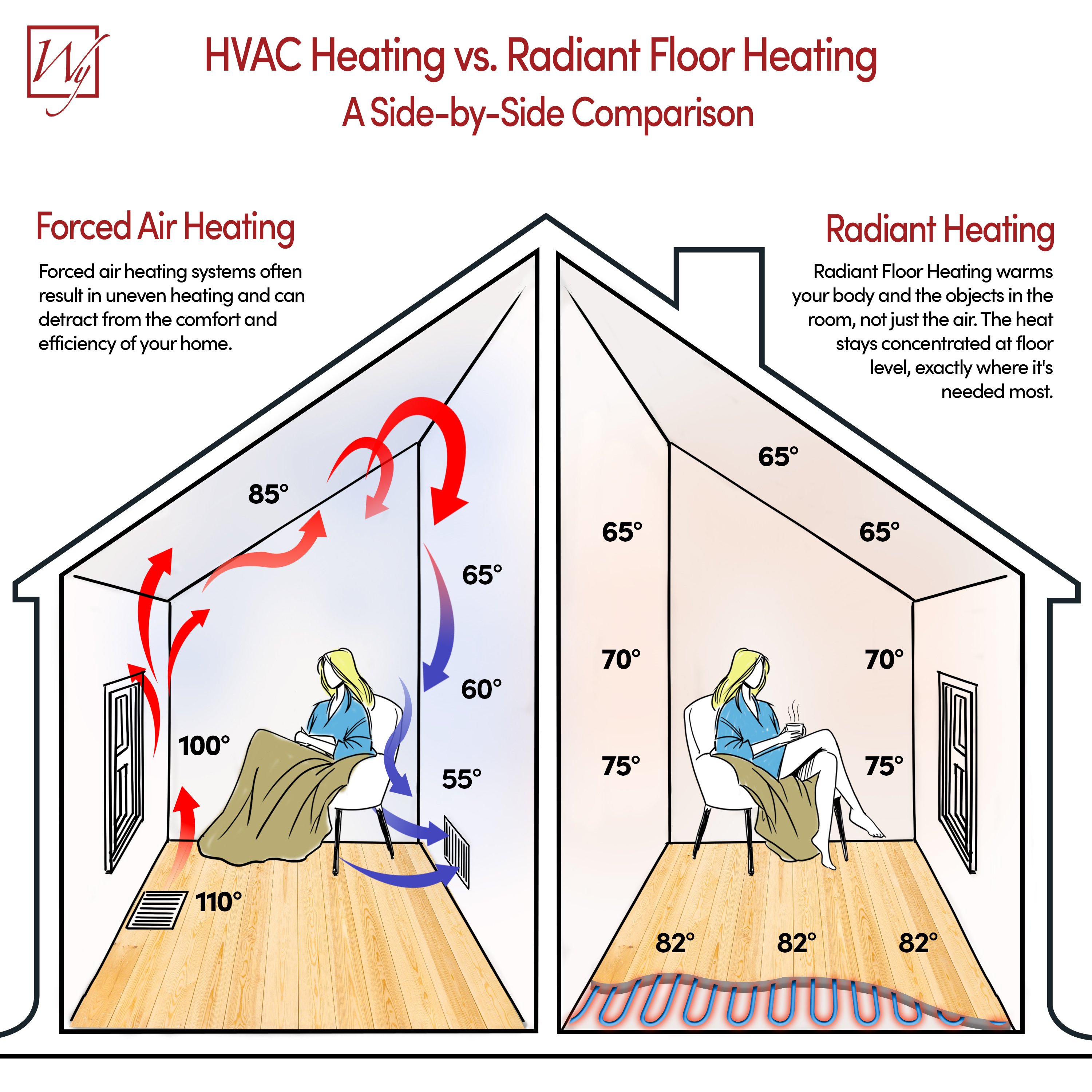
Some homeowners find the "feel" of air heat different. A gas furnace produces "hot" air (often 120°F+), while a heat pump produces "warm" air (usually 90°F to 100°F). While both will heat the house to the same thermostat setting, the heat pump runs for longer periods at lower speeds, which some users initially perceive as the system being "weaker." In reality, this longer, steadier run-time results in fewer cold spots and more consistent humidity control.
Maintenance and Longevity of Air Heat Systems
To ensure an air-source heat pump reaches its 15-to-20-year lifespan, maintenance is non-negotiable. In the American market, where systems are often exposed to extreme dust, pollen, or coastal salt air, the following steps are standard practice in 2026:
- Filter Changes: Because heat pumps move more air than furnaces, filters can clog faster. High-MERV filters should be checked every 60 to 90 days.
- Outdoor Coil Cleaning: Debris, leaves, and cottonwood seeds can choke the outdoor unit, forcing the compressor to work harder and reducing efficiency. A simple annual rinse with a garden hose (with the power off) is often sufficient.
- Snow Clearance: For homeowners in the North, it is vital to keep the outdoor unit clear of snow drifts. Most 2026 installations include "snow stands" that elevate the unit 12 to 24 inches off the ground to prevent ice buildup on the base pan.
- Professional Annual Service: An HVAC technician should check refrigerant levels and electrical connections annually. Unlike gas furnaces, which have a risk of carbon monoxide leaks, the primary risk with a heat pump is a refrigerant leak, which reduces performance and can harm the environment if not addressed.
Frequently Asked Questions
Do air heat systems really work in sub-zero temperatures?
Yes. Modern cold-climate heat pumps (CCHPs) available in 2026 utilize vapor-injection technology and variable-speed compressors to extract heat even when it is -20°F outside. While their efficiency drops as it gets colder, they remain more cost-effective than electric baseboard heating and competitive with oil or propane in most northern markets.
What is the average cost to install an air-source heat pump in 2026?
For a standard 2,000-square-foot home, the average cost ranges from $12,000 to $22,000 before incentives. This includes the outdoor condenser, indoor air handler, and labor. High-end multi-zone "mini-split" systems or units requiring significant electrical upgrades can exceed $30,000. However, after federal tax credits and state rebates, many homeowners see their out-of-pocket costs drop by 30% to 50%.
Can I keep my gas furnace as a backup?
Absolutely. This is known as a "dual-fuel" or "hybrid" system. The heat pump handles the heating duties for about 85-90% of the year. When the temperature drops below a certain "switch-over point" (typically between 5°F and 20°F, depending on the home’s insulation), the system automatically toggles to the gas furnace. This provides peace of mind and can be the most economical choice in regions with high electricity rates and low natural gas prices.
How long does it take for a heat pump to pay for itself?
The "payback period" varies significantly by the fuel being replaced. Homeowners switching from electric resistance heat, propane, or heating oil often see a return on investment within 3 to 5 years. For those switching from low-cost natural gas, the payback period may be 7 to 10 years, though this is shortened by the 2026 federal tax credits and the added value of having high-efficiency air conditioning included in the same system.
Is air heat quieter than a traditional air conditioner?
Generally, yes. Because most air-source heat pumps in 2026 use inverter-driven compressors, they rarely run at "full blast." They ramp up and down smoothly, avoiding the loud "clunk" and vibration associated with older single-stage AC units. Many outdoor units now operate at sound levels comparable to a quiet conversation.
Next Steps for American Homeowners
If you are considering transitioning to air heat in 2026, the first step is to conduct a home energy audit. Many utility companies provide these for free or at a subsidized rate. An audit will identify where your home is losing heat through poor insulation or air leaks—problems that must be fixed for a heat pump to operate at peak efficiency.
Once the home is sealed, seek out an HVAC contractor who specializes in air-source technology and is familiar with "Manual J" load calculations. Ensure they are authorized to help you process state-level HEEHRA rebates, as these often require specific contractor certifications. By planning the installation as part of a whole-home energy strategy, you can maximize your comfort, minimize your carbon footprint, and take full advantage of the most significant energy incentives in American history.