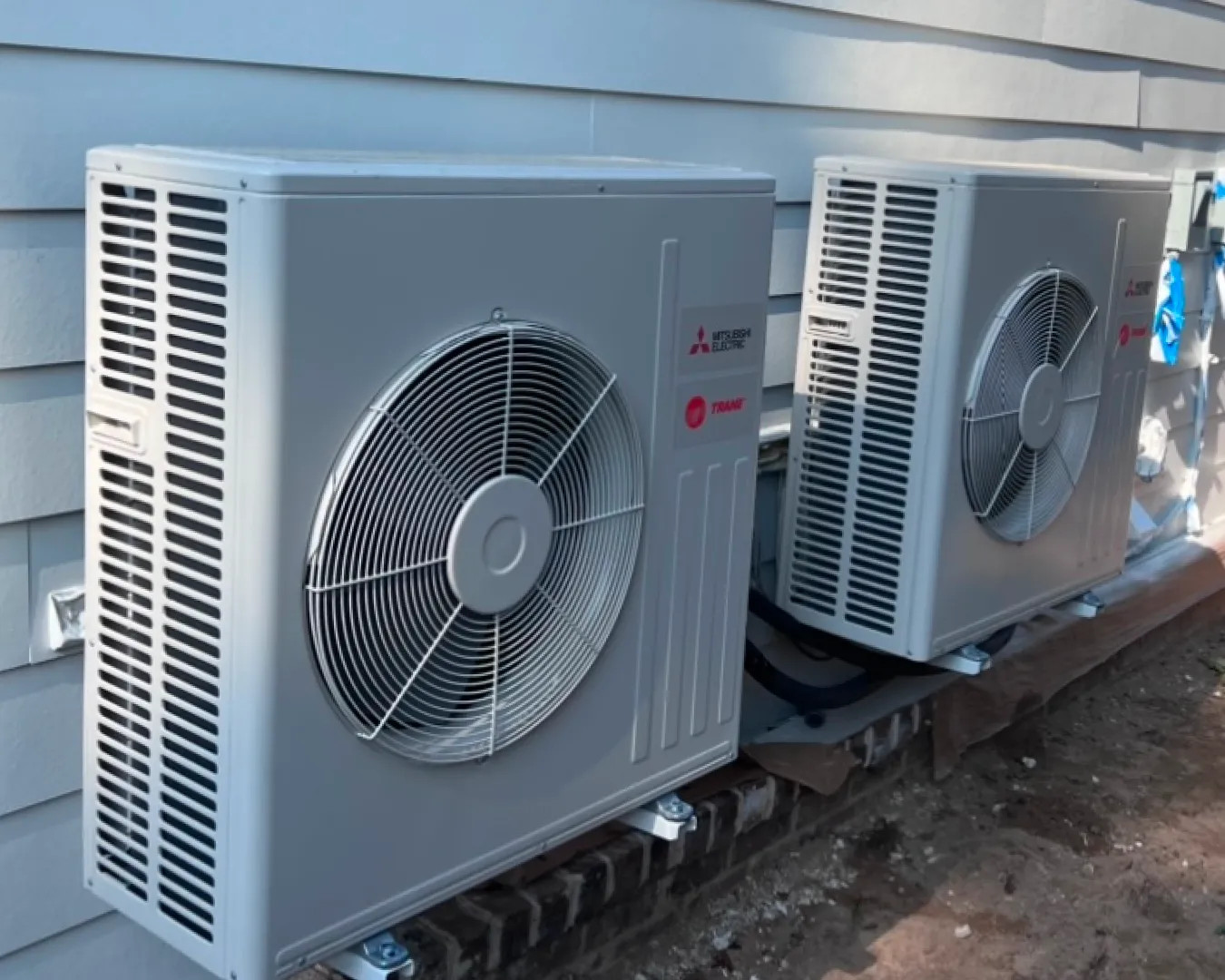
Reliable air conditioning service in Macon, Georgia, encompasses emergency repairs, preventative maintenance, and high-efficiency system installations tailored to the humid subtropical climate of Middle Georgia. In 2026, local homeowners prioritize SEER2-compliant systems and smart diagnostics to manage energy costs and ensure consistent indoor comfort during the region's intense summer heat.
The demand for specialized air conditioning service in Macon is driven by a unique combination of high humidity, heavy seasonal pollen, and temperatures that frequently exceed 90°F from May through September. For residents in Bibb County and the surrounding areas, a functioning HVAC system is not merely a luxury but a critical component of home safety and air quality. As technology has advanced into 2026, the local industry has shifted toward high-performance heat pumps and "smart" HVAC ecosystems that require specialized technician training.
The Specific Challenges of the Macon, Georgia Climate
Macon’s geographic location in the heart of Georgia presents specific environmental stressors that impact air conditioning longevity and performance. Understanding these factors is the first step in determining the type of service your system requires.
High Latent Heat and Humidity Management
In Middle Georgia, "it's not just the heat; it's the humidity" is a technical reality for HVAC systems. Air conditioners must perform two distinct tasks: sensible cooling (lowering the temperature) and latent cooling (removing moisture). In 2026, many Macon residents are opting for variable-speed compressors. Unlike traditional single-stage units that blast cold air and then shut off, variable-speed systems run at lower, more consistent speeds. This allows for superior dehumidification, which is essential for preventing mold growth and "clammy" indoor air in the 31201 to 31220 zip codes.
The Impact of Local Pollen and Red Clay
Macon is famous for its cherry blossoms and pine forests, but the resulting pollen can wreak havoc on outdoor condenser coils. Furthermore, the red clay dust characteristic of the region can build up on mechanical components. Professional AC service in Macon must include a thorough cleaning of the outdoor unit to prevent "restricted airflow," which forces the compressor to work harder, leading to premature failure and spiked utility bills.
Essential Air Conditioning Services in 2026
Modern HVAC contractors in Macon provide a spectrum of services ranging from minor residential fixes to complex commercial system overhauls.
Preventative Maintenance and Tune-Ups
Most manufacturers require annual professional maintenance to keep warranties valid. A standard 2026 tune-up in Macon should include:
- Refrigerant Level Verification: Ensuring the system uses the correct volume of R-454B or R-32, the current industry-standard low-GWP (Global Warming Potential) refrigerants.
- Electrical Component Inspection: Checking capacitors, contactors, and relays for signs of wear or "pitting."
- Condensate Line Clearing: Humidity removal produces gallons of water daily; a clogged drain line can lead to water damage in your attic or crawlspace.
- Coil Cleaning: Removing the biological film from the indoor evaporator coil and debris from the outdoor condenser.
Precision Repairs and Diagnostics
When a system fails during a Georgia heatwave, emergency repair services are vital. Modern diagnostics in 2026 often involve Bluetooth-enabled sensors that allow technicians to see real-time pressure and temperature data on their tablets, reducing the "guesswork" of traditional manifold gauges. Common repairs in the Macon area often involve the replacement of fan motors, defrost boards (for heat pumps), and thermostat recalibration.
Full System Replacement and Installation
As of 2026, all new central air conditioning systems sold in the Southeast United States must meet strict SEER2 (Seasonal Energy Efficiency Ratio 2) requirements. For Macon homeowners, replacing a 15-year-old system with a modern SEER2 unit can reduce monthly cooling costs by 30% or more. Installation services now also frequently include ductwork sealing and "right-sizing" using Manual J load calculations to ensure the unit isn't too large or too small for the specific square footage of the home.
Understanding Costs and Value in the 2026 Macon Market
Pricing for AC services in Georgia has stabilized following the supply chain fluctuations of the early 2020s, but labor costs reflect the high demand for skilled, NATE-certified technicians.
| Service Type | Estimated Cost Range (Macon, GA) | Primary Benefit |
|---|---|---|
| Annual Maintenance Visit | $125 – $225 | Extended equipment life & warranty compliance |
| Diagnostic/Service Call | $89 – $150 | Identifies specific failure points |
| Blower Motor Replacement | $600 – $1,200 | Restores airflow to the home |
| Evaporator Coil Cleaning | $300 – $600 | Improves cooling efficiency and air quality |
| Full System Replacement | $7,000 – $15,000+ | Long-term energy savings and reliability |
Note: Prices are estimates for 2026 and can vary based on system tonnage, brand (e.g., Carrier, Trane, Lennox), and the complexity of the installation.
Selecting a Qualified HVAC Contractor in Georgia
Georgia has strict regulations regarding who can perform "conditioned air" work. When searching for air conditioning service in Macon, you must verify the contractor’s credentials to protect your investment and your home's safety.
Licensing Requirements
The Georgia Secretary of State oversees the licensing of HVAC contractors. In Georgia, there are two primary license types:
- Class I (Restricted): The contractor is limited to systems involving 5 tons of cooling or less (standard for most residential homes).
- Class II (Unrestricted): The contractor can work on any size system, including large commercial chillers and rooftop units.
Always ask for a contractor’s license number and verify it through the state portal. Unlicensed work can lead to rejected insurance claims if a fire or flood occurs due to faulty installation.
Certifications and Insurance
Beyond state licensing, look for technicians with NATE (North American Technician Excellence) certification. This indicates the individual has passed rigorous exams on specific HVAC specialties. Additionally, ensure the company carries general liability insurance and workers' compensation. This prevents the homeowner from being held liable if a technician is injured on the property.
Troubleshooting Common AC Issues in Middle Georgia
Before calling for professional air conditioning service in Macon, homeowners can perform a few basic checks to rule out simple fixes.
- The "Double Check" on the Thermostat: It sounds basic, but ensure the thermostat is set to "Cool" and the fan is on "Auto." If the screen is blank, the batteries may simply need replacing.
- Air Filter Inspection: A clogged filter is the leading cause of "frozen" evaporator coils. In Macon’s high-pollen environment, filters should be checked every 30 days. If you can't see light through the filter, it needs to be changed.
- Circuit Breaker Status: AC units draw significant power. Check your home’s electrical panel for a tripped breaker. If the breaker trips again immediately after being reset, do not attempt to reset it a third time; this indicates a dangerous electrical short that requires professional attention.
- Clear the Outdoor Unit: Ensure that shrubs, weeds, or lawn debris are at least two feet away from the outdoor condenser. Airflow is the lifeblood of the cooling process.
The Move Toward Energy Efficiency and Rebates
In 2026, the financial landscape for air conditioning service has been significantly influenced by federal and state incentives. The U.S. Department of Energy provides guidelines on tax credits for high-efficiency heat pumps and air conditioners.
Macon residents may be eligible for:
- Federal Tax Credits: Under current 2026 guidelines, homeowners can often claim a significant percentage of the cost of high-efficiency HVAC upgrades on their federal tax returns.
- Local Utility Rebates: Companies like Georgia Power often offer rebates for smart thermostat installations and duct sealing. These programs are designed to reduce the "peak load" on the electrical grid during hot Georgia afternoons.
- Energy Audits: Many Macon HVAC providers now offer blower-door testing and thermal imaging to show exactly where cold air is escaping the home, ensuring that a new AC unit doesn't have to work harder than necessary.
Frequently Asked Questions
How often should I service my AC in Macon?
Given the intense heat and high humidity of Middle Georgia, you should schedule professional service twice a year: once in the spring before the cooling season starts, and once in the fall if you have a heat pump that provides winter warmth. Regular maintenance in this climate can extend the lifespan of a unit from 10 years to 15 or even 20 years.
Why is my AC running but not cooling my home?
This is often a sign of a refrigerant leak or a failed compressor. In Macon, it could also be due to an extremely dirty outdoor coil. If the air coming from your vents feels room-temperature, turn the system off immediately. Continuing to run a malfunctioning unit can cause "slugging" in the compressor, turning a minor repair into a total system replacement.
Are ductless mini-splits a good option for Macon homes?
Yes, especially for older homes in historic districts like Vineville or Beall’s Hill where installing traditional ductwork is difficult or expensive. Ductless systems provide zoned cooling, allowing you to save money by only cooling the rooms you are currently using. They are also among the most energy-efficient options available in 2026.
What is the average lifespan of an AC unit in Georgia?
While the national average is 15-20 years, the heavy workload placed on units in Georgia typically results in a lifespan of 12-15 years. Units located near the coast or in areas with high mineral content in the air may see even shorter lifespans without religious maintenance.
Should I repair or replace my R-22 system?
If your system still uses R-22 (Freon), it is likely well over 15 years old. Since R-22 was phased out and is no longer produced, repair costs for refrigerant leaks are prohibitively expensive in 2026. In almost all cases, the most cost-effective path is to replace the unit with a modern, SEER2-compliant system using eco-friendly refrigerants.
Final Recommendation for Macon Residents
If your air conditioning system is more than 10 years old or your energy bills have increased by more than 15% year-over-year, the first step is to book a comprehensive professional evaluation. Do not wait for a total system failure during a July heatwave, as emergency labor rates and equipment lead times can increase significantly during peak demand. Prioritize contractors who offer written guarantees, provide "load calculations" for new installs, and have a documented history of service in the Macon-Bibb County area.