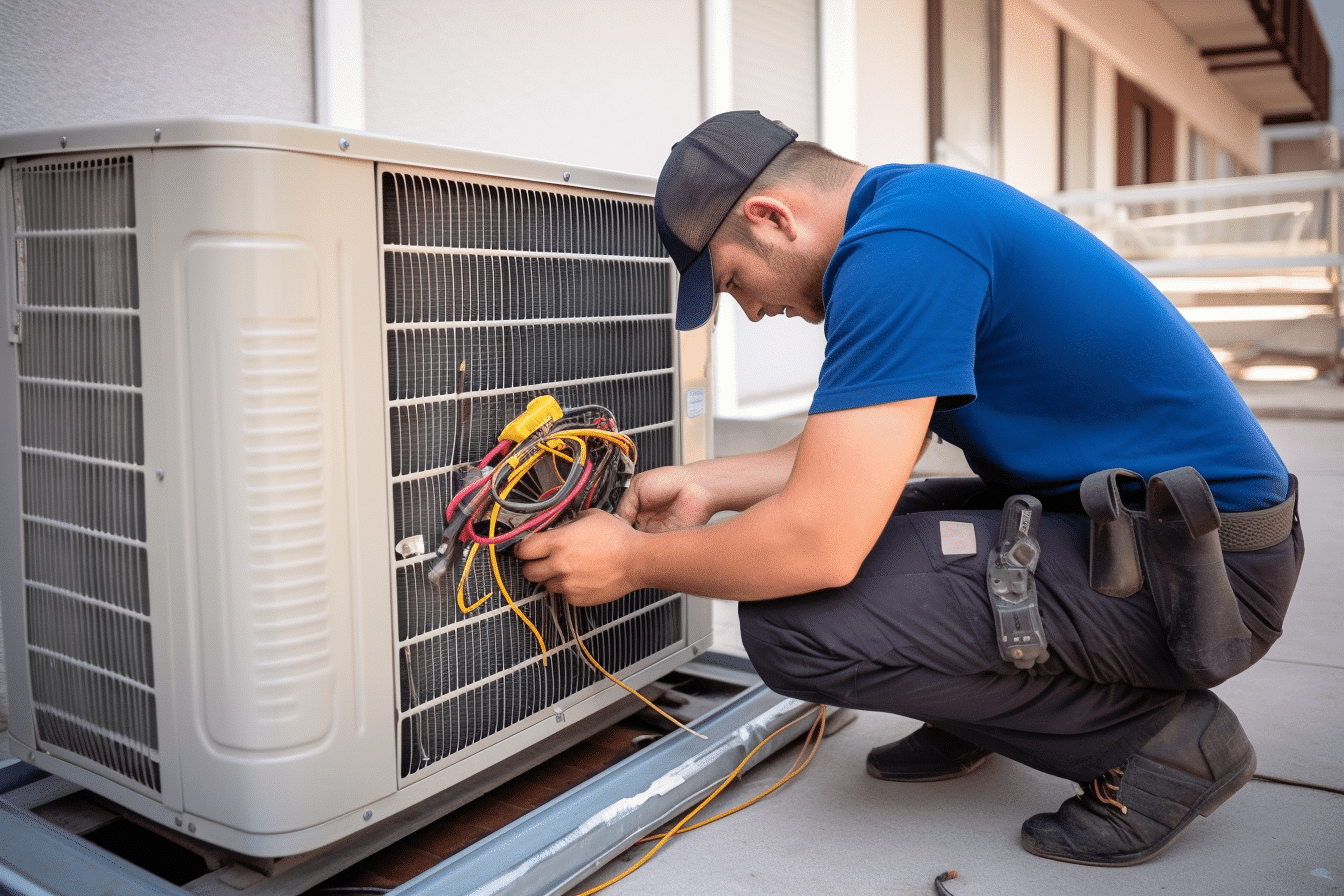
In Pasadena, TX, air conditioning repair involves diagnosing and fixing cooling systems stressed by the Gulf Coast’s high humidity and extreme temperatures. Professional repair typically addresses refrigerant leaks, electrical component failures, or compressor issues. To restore cooling efficiency, homeowners should contact a licensed HVAC technician who understands local climate demands and current 2026 environmental regulations.
The Unique Challenges of AC Performance in Pasadena, Texas
Pasadena’s geographical location near the Houston Ship Channel and the Gulf of Mexico creates a specific set of challenges for residential and commercial HVAC systems. The combination of high ambient temperatures and persistent humidity means that air conditioners in this region run longer and harder than in most other parts of the United States. This constant operation leads to accelerated wear and tear on moving parts and sensitive electrical components.
In 2026, the demand for high-efficiency systems is greater than ever, but even the most advanced units are susceptible to the corrosive effects of the humid, salty air characteristic of the Texas coast. Salt air can lead to premature corrosion of the outdoor condenser coils, a process known as galvanic corrosion. This reduces the unit’s ability to dissipate heat, forcing the compressor to work harder and eventually leading to a complete system breakdown. Understanding these local environmental factors is the first step in diagnosing why an AC unit might be failing.
Furthermore, the high "latent heat" load in Pasadena—meaning the energy required to remove moisture from the air rather than just lowering the temperature—puts immense pressure on the evaporator coils and the condensate drainage system. A common reason for AC repair calls in this area is a "clogged drain line," which occurs when biological growth thrives in the moist environment of the drain pan, eventually triggering a float switch that shuts down the entire system to prevent water damage.
Identifying Common Symptoms Requiring Professional Repair
Recognizing the early warning signs of an HVAC failure can save Pasadena homeowners thousands of dollars in emergency replacement costs. Because the climate is so unforgiving, a minor issue on a Monday can become a total system failure by Friday.
Inadequate Cooling and Weak Airflow
If the vents are blowing air that feels lukewarm or if the volume of air has significantly decreased, the system is struggling. This is often caused by a failing capacitor, a refrigerant leak, or a dirty evaporator coil. In some cases, the blower motor might be failing, preventing the cooled air from reaching the ductwork effectively.
Frequent Cycling
In a standard Pasadena summer, an AC unit should run in steady cycles. If the unit is turning on and off every few minutes (short-cycling), it is likely overheating or experiencing an electrical fault. Short-cycling is incredibly hard on the compressor—the "heart" of the air conditioner—and can lead to a catastrophic failure if not addressed by a technician quickly.
Unusual Noises and Odors
Modern AC units are designed to operate relatively quietly. Grinding, squealing, or banging noises usually indicate a mechanical issue, such as a loose belt, a failing bearing in the fan motor, or debris caught in the outdoor condenser. Additionally, a "musty" smell often points to biological growth within the ductwork or on the coils, while a "metallic" or "burning" smell indicates electrical components are overheating or short-circuiting.
The Technical Standards of 2026: Refrigerants and SEER2
As of 2026, the HVAC industry in Texas has fully transitioned to the new environmental standards that began earlier in the decade. It is crucial for homeowners to understand these changes, as they directly impact repair costs and parts availability.
The transition away from R-410A refrigerant is now complete for new installations. Most systems installed or repaired in 2026 use A2L refrigerants, such as R-454B or R-32. These refrigerants have a much lower Global Warming Potential (GWP) but require specific tools and safety protocols for handling. If you have an older system using R-22 (which is now obsolete) or R-410A, the cost of recharging your system during a repair will be significantly higher due to dwindling supplies and increased regulatory taxes on older chemical blends.
Additionally, the SEER2 (Seasonal Energy Efficiency Ratio 2) standards, which became mandatory in the southern region in 2023, dictate the efficiency levels of the components used in repairs. When a technician replaces a motor or a coil in Pasadena today, they must ensure the replacement part maintains the system’s federally mandated efficiency rating.
Breakdown of Common AC Repair Costs in Pasadena (2026)
Costs for AC repair in the Pasadena area vary based on the complexity of the part and the labor required. The following table provides estimated price ranges for common repairs in the current 2026 market.
| Repair Service | Estimated Cost Range (Labor & Parts) | Typical Duration |
|---|---|---|
| Service Call / Diagnostic Fee | $95 – $175 | 1 Hour |
| Capacitor Replacement | $250 – $450 | 1 Hour |
| Condenser Fan Motor | $600 – $1,100 | 2 – 3 Hours |
| Refrigerant Leak Detection & Repair | $400 – $1,200+ | 3 – 5 Hours |
| Evaporator Coil Replacement | $1,800 – $3,500 | 4 – 6 Hours |
| Compressor Replacement | $2,500 – $5,000 | 5 – 8 Hours |
| Condensate Pump/Line Clear | $150 – $350 | 1 – 2 Hours |
Note: Prices are estimates for the Pasadena/Houston metro area and may fluctuate based on brand specificities and emergency after-hours surcharges.
The Repair Process: What to Expect from a Licensed Technician
When you hire a professional for air conditioning repair in Pasadena, the process should follow a standardized technical protocol to ensure safety and system longevity.
- System Inspection and Diagnosis: The technician should start by checking the thermostat, filters, and circuit breakers. They will then move to the indoor air handler and the outdoor condenser unit to measure voltage, amperage, and refrigerant pressures.
- Safety Verification: Before any physical repair, the technician must verify that the system is properly grounded and that there are no high-voltage leaks. In the 2026 landscape, technicians also check for sensors related to the newer A2L refrigerants to ensure the environment is safe for brazing or component replacement.
- Component Replacement: If a part like a contactor or capacitor is failed, it is replaced with a matching OEM (Original Equipment Manufacturer) or high-quality universal part. For refrigerant-side repairs, the technician must recover the old refrigerant according to EPA Section 608 guidelines, fix the leak, vacuum the system to remove moisture, and then recharge it.
- Operational Testing: Once the repair is complete, the technician should not simply leave. They must monitor the system through a full cooling cycle, checking the "delta T" (the temperature difference between the return air and the supply air). In Pasadena's humidity, a healthy system typically shows a 16 to 20-degree drop.
Choosing the Right Contractor in Pasadena
Not all HVAC companies are created equal. In Texas, the industry is regulated by the Texas Department of Licensing and Regulation (TDLR).
Verify the License
Every legitimate contractor must display their "TACLA" or "TACLB" license number on their vehicles and marketing materials. You can verify a contractor's standing and insurance coverage on the TDLR website. Hiring an unlicensed "handyman" for AC repair in Pasadena is risky; it can void your equipment warranty and may lead to code violations that complicate future home sales.
Insurance and Bonding
Ensure the company carries general liability insurance and workers' compensation. This protects you if a technician is injured on your property or if a repair error causes damage to your home, such as a fire or water leak from an improperly installed drain line.
Local Reputation
Pasadena is a tight-knit community. Look for companies that have a physical presence in the Harris County area and long-term reviews from local residents. A company that understands the specific soil conditions (which can cause outdoor units to shift and tilt) and the local electrical grid's quirks will provide a more durable repair.
Preventative Maintenance to Avoid Costly Repairs
While repairs are sometimes inevitable, the majority of emergency AC failures in Pasadena could be prevented with consistent maintenance. The local climate necessitates a bi-annual check-up: once in the spring before the heat hits, and once in the fall.
- Coil Cleaning: Cleaning the outdoor condenser coils removes the salt, dirt, and "cottonwood" seeds that act as a blanket, trapping heat inside the unit.
- Electrical Tightening: High heat causes wires to expand and contract, which can loosen electrical connections over time. A technician will tighten these connections to prevent "pitting" on contactors.
- Drain Line Treatment: Using antimicrobial tablets or a vinegar flush can prevent the sludge buildup that leads to most summer shutdowns.
- Filter Management: In the dusty, humid environment of Pasadena, high-MERV filters should be checked every 30 days. A clogged filter is the leading cause of frozen evaporator coils and blower motor failure.
Frequently Asked Questions (FAQs)
1. How long does a typical AC unit last in Pasadena, TX?
In the Pasadena climate, the average lifespan of an air conditioner is 10 to 12 years. While systems in drier, cooler climates might last 15 to 20 years, the heavy workload and corrosive humidity of the Gulf Coast significantly shorten the life of major components like the compressor and coils. Regular maintenance can occasionally push a unit to the 15-year mark, but efficiency usually drops off sharply after a decade.
2. Is it worth repairing an 8-year-old AC unit with a leaked coil?
This depends on the refrigerant the unit uses. If the unit uses R-410A, the cost of the coil plus the increasingly expensive refrigerant may approach 40-50% of the cost of a new, more efficient system. In 2026, most experts recommend that if a repair exceeds 35% of the replacement cost on a unit older than 8 years, you should consider a full system upgrade to take advantage of new SEER2 efficiency savings and modern warranties.
3. Why is my AC running but the house isn't getting cooler?
This is usually a sign of "heat transfer failure." Either the refrigerant level is too low to absorb heat from your home, or the coils are so dirty that they cannot release the heat outside. Another possibility in Pasadena is a "bypassing" duct, where a seal has failed in the attic, allowing 130-degree attic air to mix with your cooled air before it reaches your rooms.
4. Can I change my own refrigerant in 2026?
No. Federal law requires a Section 608 certification from the EPA to purchase or handle refrigerants. Furthermore, the 2026 A2L refrigerants require specialized gauges and vacuum pumps to prevent contamination. Attempting a DIY refrigerant charge is dangerous, illegal, and can permanently damage the compressor valves.
5. What should I do if my AC starts leaking water inside?
Turn the system off immediately at the thermostat. A water leak usually means the primary drain line is clogged and the secondary backup system (the pan) is either full or also leaking. Running the system will only produce more condensate, potentially damaging your ceiling or flooring. Once the system is off, call for a professional drain line clearing and a check of the evaporator coil’s cleanliness.
Final Recommendation for Pasadena Residents
When your air conditioner fails in the heat of a Texas summer, the priority is a fast, reliable, and safe restoration of service. Do not settle for quick-fix "recharges" without a proper leak search, as this only delays an inevitable and more expensive failure. For homeowners in Pasadena, the best course of action is to partner with a TDLR-licensed HVAC firm that offers a written warranty on both parts and labor. Ensure they are familiar with the 2026 refrigerant standards to guarantee your system is serviced according to current environmental and safety laws.